REVIEW · COOKING CLASSES
Pasta and Tiramisu Masterclass with organic wines
Book on Viator →Operated by Stay Hungry Stay Bologna · Bookable on Viator
Bologna tastes like candlelit comfort. In this Pasta and Tiramisu Masterclass, I like the hands-on pasta dough training and the big, organic wine focus that runs right through dinner. You’ll learn classic ways of making Bologna favorites, then eat what you cook with smart wine pairings.
One thing to think about: this is a small group (max 8), so if your date gets tightened or changed, you’ll need flexibility. Still, it can feel well run, and you may even get a heads-up message from the host the day before to confirm details.
In This Review
- Key points that make this masterclass worth your time
- A candlelit Bologna dinner that’s actually hands-on
- Meeting the chef and how the evening likely flows
- Pasta lesson: Bologna dough secrets you can use again
- A practical tip for enjoying the lesson
- Tagliatelle and ragù: the pairing that defines the meal
- Tortellini and maccheroni: learning by doing, not by watching
- Dessert: tiramisu using a 100-year family recipe
- Organic wine pairing, from reds to bubbles, with no tasting limit
- What to expect if you’re not a wine-only person
- A smart approach to the tasting
- Value for $91.92: what you’re really paying for
- Who should book this masterclass
- Should you book it?
- FAQ
- Where does the masterclass start?
- How long is the experience?
- What is the group size?
- What pasta will you learn to make?
- Is tiramisu included?
- Is the organic wine included in the experience?
Key points that make this masterclass worth your time
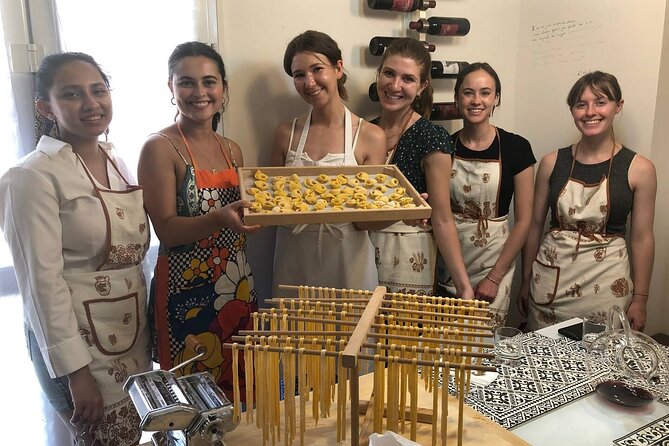
- Small-group size (max 8) keeps the lesson personal, not a factory line
- Three Bologna pasta shapes: tagliatelle, tortellini, and maccheroni
- Ragù pairing for tagliatelle ties the cooking to how locals actually eat it
- Tiramisu built from a 100-year family recipe gives the dessert real backstory
- Organic wine tastings with no limit (reds, whites, and bubbles) during the meal
- Wine sources from tiny producers making no more than 10,000 bottles per year
A candlelit Bologna dinner that’s actually hands-on
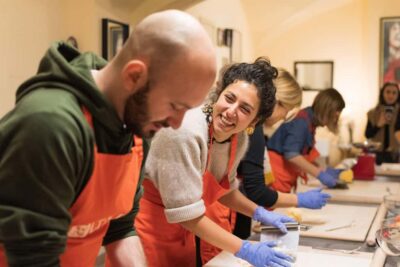
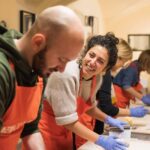
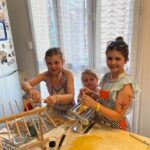
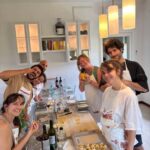
This isn’t a sit-and-watch cooking show. The vibe starts with a candlelight dinner atmosphere, then turns practical. You’ll be rolling dough, shaping pasta, and finishing with dessert that’s meant to taste like a family keepsake.
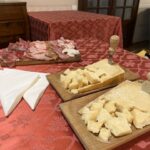
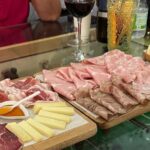
What makes it appealing is the pairing concept. You’re not just handed wine. The masterclass is structured around matching wine to what’s on your plate as the meal moves along. That matters in Bologna, where food is the headline and wine is the sidekick that deserves attention.
And if you’re a wine person, this has a clear advantage: there’s no limit on tasting during the meal. That shifts the experience from a simple class into a dinner where you learn how flavor works together.
You can also read our reviews of more cooking classes in Bologna
Meeting the chef and how the evening likely flows
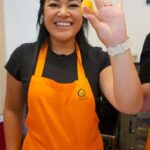
You start at Via Bellinzona, 12 in Bologna. From there, a local chef welcomes you to the house. The setup is built for a relaxed evening, not a quick stop between attractions.
With a max of 8 travelers, you should expect more conversation than you’d get in larger formats. The chef-led welcome matters too: the teaching style is local and recipe-focused, with that old-school emphasis on getting dough right.
Here’s what I’d watch for when you arrive. Ask how the tasting will be timed—reds, whites, and bubbles are opened during the meal. If you prefer to pace yourself, tell the host early. With unlimited tasting, the difference between a fun dinner and a rough night is often just pacing.
Pasta lesson: Bologna dough secrets you can use again
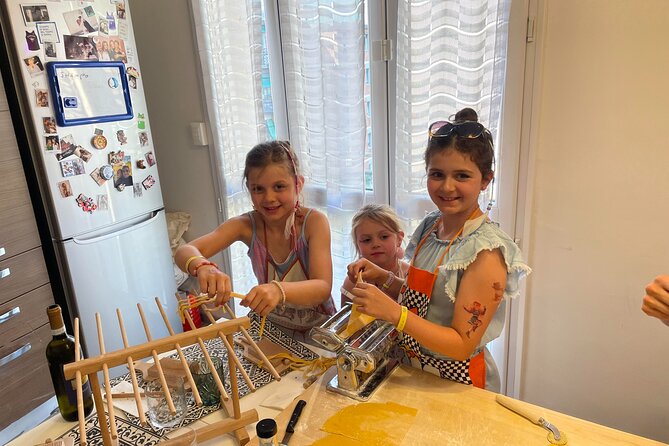
Bologna’s reputation as a food capital isn’t just marketing. This masterclass leans into one of the city’s true strengths: pasta made with confidence.
You’ll learn the secrets of a perfect dough that the chef says he learned as a kid with his grandma. Even if you’ve made pasta before, that kind of origin story hints at what you’re really getting: technique, texture, and how dough should behave as you work it.
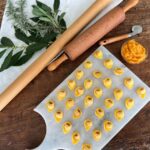
Then comes the best part: you’ll make three types of pasta typical of Bologna:
- Tagliatelle
- Tortellini
- Maccheroni
Because you’re making multiple shapes, you’ll get a feel for how dough stretches differently and how the final bite changes depending on thickness and shaping. This is more useful than learning one pasta format perfectly and calling it a day.
A practical tip for enjoying the lesson
Don’t aim for perfect appearance. Aim for correct feel. When your dough is right, it becomes easier to shape, and the finished pasta cooks more evenly. The instructor’s feedback during the process is what turns this into a repeatable skill.
Tagliatelle and ragù: the pairing that defines the meal
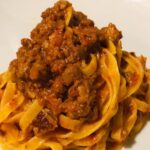
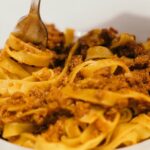
In Bologna, ragù is not an afterthought. In this class, ragu pairing is directly matched to tagliatelle, described as the oldest and most tasty sauce of town.
That pairing is a big value because it explains something you can carry home: sauce isn’t just about taste. It’s about cling, texture, and balance. Tagliatelle is the kind of pasta that grabs sauce well, so you can understand why locals keep coming back to this combo.
If you’re the type who usually orders what sounds good, this part gives you a framework. You’ll taste the pasta and sauce together and then experience the wine side of the equation. It’s a simple lesson, but it sticks.
You can also read our reviews of more wine tours in Bologna
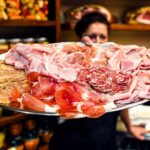
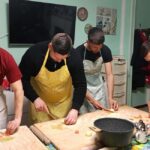
Tortellini and maccheroni: learning by doing, not by watching
The class doesn’t stop at tagliatelle. You’ll also make:
- Tortellini, a signature Bologna shape with a reputation that comes from technique and patience
- Maccheroni, another local favorite that shows how different pasta styles lead to different mouthfeel
If you worry you’ll feel overwhelmed by shaping, don’t. Because the group is small, there’s room for guidance. Still, give yourself grace. Tortellini and maccheroni aren’t the same as rolling flat sheets once. Expect some hands-on coaching.
This is where the experience feels most authentic: you’re practicing the shapes people actually eat in the region, not just doing a tourist-friendly pasta demo.
Dessert: tiramisu using a 100-year family recipe
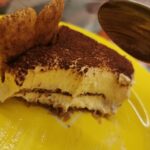
Then the meal turns sweet. The dessert portion is tiramisu, and the class credits a 100-year family recipe approach.
That detail matters because it signals the goal: consistent flavor, not just a showpiece. Tiramisu is already a crowd favorite, but the difference is in technique and balance. You’re not only learning how to assemble it; you’re learning how the recipe is meant to taste when it’s made the old way.
In a dinner format, tiramisu also changes how you experience the wine. Lighter, sweeter, or creamier flavors tend to shift what makes a wine feel good. Pairing dessert is where the earlier tasting mindset pays off.
Organic wine pairing, from reds to bubbles, with no tasting limit
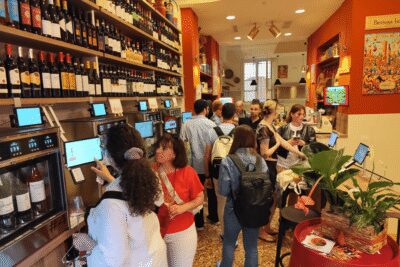
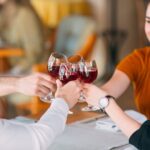
This is the heart of the experience: wine is built into every step. You’ll have wine tasting featuring only organic wines, selected by a sommelier.
The information given is specific, and it’s worth understanding what you’re actually getting:
- Wines come from small producers across Italy
- Producers make no more than 10,000 bottles per year
- You’ll open red, white, and bubbles during the meal
- There’s no limit on tasting
- You can request to take some wine home if you like it
That combination is where the value usually lives. A standard wine tasting often gives you a handful of pours and a quick pitch. Here, the tasting is connected to what you’re eating, and it’s paced through the full dinner sequence.
What to expect if you’re not a wine-only person
Since the dinner includes multiple wine styles, you’ll be surrounded by wine culture. If you prefer food-first, you can still enjoy it, but plan to treat the evening like a curated meal, not a light snack. With unlimited tastings, pace yourself if you want to stay sharp for the last course.
A smart approach to the tasting
Use your senses in order:
- Start with aroma, before you over-focus on flavor notes
- Taste, then eat a bite of the pasta or dessert
- Notice how the wine changes after the food
That’s basically the whole lesson, even if no one hands you a worksheet.
Value for $91.92: what you’re really paying for
At $91.92 per person for about 2 hours 30 minutes, you’re paying for more than a kitchen session. The price bundles multiple things that would cost more separately:
- A guided pasta class with three different pasta shapes
- A full dessert experience (tiramisu)
- A dinner setup with wine pairings across the meal
- Unlimited organic wine tastings during service
- A curated selection from tiny organic producers
For some travelers, the pasta lesson alone is the draw. For others, it’s the organic wine pairing. But the strongest value is the overlap: the class links wine to food, so you leave with both a meal story and tasting knowledge.
Also, small group size matters. In a group of 8, you can ask questions. You’re more likely to get real feedback on dough and shaping than in a bigger setting where the instructor moves fast.
One more practical angle: this kind of dinner format is easier to remember and repeat. You can’t always recreate a rare bottle, but you can recreate the cooking steps and the sauce logic.
Who should book this masterclass
I’d especially recommend it if you:
- Want a classic Bologna food experience, with hands-on cooking
- Like wine pairing that’s tied to what you’re eating
- Enjoy small, chef-led sessions over large crowds
- Want a dessert moment that feels more meaningful than store-bought tiramisu
It may feel less ideal if you:
- Want a purely cooking-focused class and don’t want wine as a central part of the evening
- Need a rigid schedule with zero flexibility (small groups can fill, and date changes can happen)
Should you book it?
Yes, if you want a Bologna night that’s part cooking class and part dinner with serious organic wine. The strongest reasons to book are the small group (max 8), the chance to make multiple pasta types, the tiramisu from a 100-year recipe, and the meal-wide organic wine pairing with no tasting cap.
If you’re drawn mainly to the pasta, go anyway. The wine pairing isn’t a random extra; it’s part of how the meal is taught. If you’re drawn mainly to the wine, go for the same reason: it’s organized around food, not just tasting notes.
FAQ
Where does the masterclass start?
It starts at Via Bellinzona, 12, 40135 Bologna BO, Italy.
How long is the experience?
The experience lasts about 2 hours 30 minutes.
What is the group size?
The class has a maximum of 8 travelers.
What pasta will you learn to make?
You’ll make three types typical of Bologna: tagliatelle, tortellini, and maccheroni.
Is tiramisu included?
Yes. Tiramisu is part of the class and is made using the family recipe approach described for the experience.
Is the organic wine included in the experience?
Yes. All meal pairings include organic wines, and there is no limit on tasting during the meal.