REVIEW · COOKING CLASSES
Bologna: Pasta and Tiramisu Cooking Class with Wine
Book on GetYourGuide →Operated by The Roman Food Tour · Bookable on GetYourGuide
Fresh pasta in three hours can feel unreal. This Bologna class mixes hands-on cooking with a real restaurant setup, plus Prosecco and wine. You’ll learn tiramisu and fresh pasta techniques while sitting down together for lunch or dinner.
I especially love the step-by-step coaching. Your instructor talks you through making tiramisu first, then moving into pasta dough—flour choices, how to roll and cut, and how different pasta styles behave.
One thing to weigh: the “traditional recipe” includes gluten, dairy, and eggs, and the class notes that cross-contamination can’t be guaranteed. If you have serious allergies or gluten/lactose intolerance, read the limits carefully before you book.
In This Review
- Key takeaways before you book
- A 3-hour Bologna pasta and tiramisu class that feels like dinner with lessons
- From Prosecco to apron: how the experience kicks off in central Bologna
- Tiramisu first: what you learn before you touch the pasta
- Fresh pasta dough: the part that turns you from cook-by-instinct to cook-with-logic
- What you eat at the table: lunch or dinner, plus wine with the pasta you shaped
- Instructor style in Bologna: clear English teaching with a fun edge
- Price and value: is $57 worth it in Bologna?
- Dietary fit: the important limits you need to check before booking
- Who should book this Bologna cooking class (and who should skip it)
- Should you book this Bologna pasta and tiramisu class?
- FAQ
- How long is the Bologna pasta and tiramisu cooking class?
- What is the price per person?
- What drinks are included?
- What will I learn to cook?
- Is the class taught in English?
- What’s included with the cooking class?
- Are dietary options available?
- What ingredients does the traditional recipe include?
- Who should not book this class?
- What should I bring and expect to taste?
Key takeaways before you book
- Prosecco welcome, wine with your meal: You’re not just watching cooking—drinks roll along with the lunch.
- Tiramisu then pasta dough: The flow is structured so you build skills in a smart order.
- Fresh pasta skills you can repeat: You’ll learn basics behind dough texture and shaping.
- Restaurant-based class: Cozy and practical, with the kitchen handling the final cook so you can enjoy the table.
- English instruction: Sessions run with an English-speaking guide (names vary by date).
- Diet notes are strict: Traditional ingredients are central, and substitutions aren’t 100% allergy-safe.
A 3-hour Bologna pasta and tiramisu class that feels like dinner with lessons
In Bologna, food classes can go two ways: either you “cook” with a heavy show-and-tell vibe, or you actually learn the moves you’ll repeat at home. This one aims for the middle—proper technique, clear pacing, and then you all sit down to eat what you made.
The format is simple. You arrive, get a welcome drink, put on an apron, and start with tiramisu. After that, you shift into fresh pasta dough, where the instructor walks you through how the ingredients and kneading change the texture. Finally, you gather for lunch or dinner in the restaurant with a glass of wine.
It’s 3 hours total, so it’s a good use of time when you want something more relaxing than another museum loop. It’s also a solid pick when it’s your first trip to Bologna and you want to understand why local people treat pasta like a daily craft, not a special-occasion stunt.
You can also read our reviews of more cooking classes in Bologna

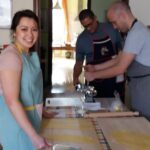
From Prosecco to apron: how the experience kicks off in central Bologna
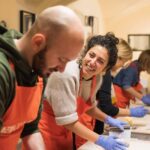
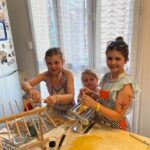
The class starts right away, with you meeting the group and getting a welcome glass of Prosecco. From there, the pace turns hands-on. You’ll wash up, put on an apron, and get into work mode—without feeling rushed.
A key detail: this is held in a popular Bologna restaurant, not a demo kitchen in the middle of nowhere. That matters because the setting feels real. You’re surrounded by the rhythm of service and the normal flow of a working dining room, then you step into the food prep area to cook.
Depending on your session, you might be taught by instructors including Al, Luca, Peter, or Steven (names vary by date). Across those different guides, the common thread is clear English instruction plus a relaxed, upbeat energy. Several past sessions also highlight that the host keeps things moving and adds local context—like where to eat or where to grab coffee after.
Tiramisu first: what you learn before you touch the pasta
Most cooking classes mix desserts and mains in a blur. Here, tiramisu comes first, and that’s smart. You learn how to assemble an iconic dessert before your brain is tired from dough.
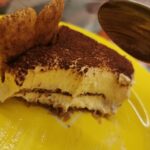
You’ll make the tiramisu as part of the group, and the instructor also shares what makes it work—especially the layering and the balance of flavors and textures. Even if you’ve never assembled dessert with any confidence, you get step-by-step guidance so you don’t end up with a sad, sloppy tower.
In practice, tiramisu is a great warm-up skill because it trains you to think in textures. You’re watching how ingredients behave and learning timing, not just following a recipe list. That makes the move into pasta dough easier. You’re already in “feel and adjust” mode.
You also get to sample what you make during the class, so you’re not guessing whether your tiramisu turned out right. The payoff is that you’ll taste your own dessert later in the meal, right alongside the pasta.
Fresh pasta dough: the part that turns you from cook-by-instinct to cook-with-logic
After tiramisu, the class transitions to fresh pasta dough. This is the core skill, and you’ll get instruction that goes beyond just rolling and cutting.
You’ll work through topics like:
- differences in flour types
- the idea behind pasta fresca vs pasta secca
- how dough should feel as you roll, cut, and shape
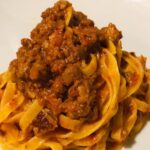
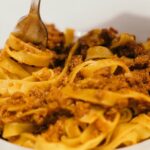
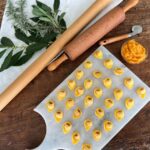
You’re not just making one shape and calling it a day. Some sessions include learning about or producing more than one pasta style, and you may see examples like tagliatelle. One described session also included a stuffed pasta option (spinach and ricotta) and then served those pasta dishes with sauces like tomato or burnt butter sage.
Important reality check: because this is a restaurant-based class, the kitchen may handle portions of the final cooking so you can enjoy wine and dinner without spending the whole time waiting. You still do the meaningful hands-on steps—mixing, working the dough, shaping—but don’t expect a full “home kitchen only” setup.
If you want a take-home skill, focus on what the dough tells you: stickiness, elasticity, and how it responds while you roll. The instructor’s job is to help you understand those cues, so you’re not copying blindly when you try it again later.
What you eat at the table: lunch or dinner, plus wine with the pasta you shaped
At the end, you all sit down together for lunch or dinner. This part matters more than you might think. In cooking classes, the meal often becomes an afterthought. Here, it’s the moment the whole thing turns into a real Bologna experience.
You’ll taste what you prepared during the session. That includes both your pasta and your tiramisu. The restaurant then brings the rest together—sauces and serving—so you experience the full dish as it would be eaten, not just as a raw craft project.
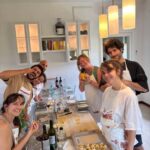
Wine is part of the deal. You’ll get a glass of wine with your meal, and the vibe is social—people talking, sharing plates, and comparing pasta shapes. If you’re traveling solo, this is one of the easiest ways to connect without forcing conversation all day. If you’re traveling as a couple or small group, it’s a nice “do something together” activity that ends with a proper meal.
One practical note: go hungry. Multiple sessions emphasize portion size and that the food is genuinely satisfying, often with enough to cover your meal plans for the day. If you schedule a big dinner right after, you might regret it.
You can also read our reviews of more wine tours in Bologna
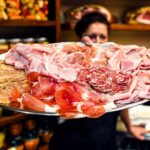
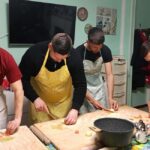

Instructor style in Bologna: clear English teaching with a fun edge
Good instructors don’t just explain. They pace you, reset the group when hands get stuck, and keep you calm when flour and dough don’t behave like your last cooking attempt.
This class is taught in English, and past sessions highlight guides like Al, Luca, Peter, and Steven (plus similar variants of the name) who use humor while staying practical. The best teaching moment is when the instructor repeats key steps for anyone who missed them, then helps you fix what’s off before it becomes a problem.
Another detail that keeps this from feeling like a rigid class: the guides often share Bologna food context. That can include suggestions for places to eat or where to grab coffee, which is useful if you want your remaining hours to be guided by locals rather than guesswork.
If you’re nervous about cooking, this setup helps. You’ll be making pasta from scratch in a guided environment, but the tone stays relaxed, not intimidating. You’re learning technique, not getting graded.
Price and value: is $57 worth it in Bologna?
At $57 per person for a 3-hour experience, the value mainly comes from what’s included, not just the cooking lesson.
You get:
- a welcome glass of Prosecco
- a pasta and tiramisu cooking class
- lunch or dinner
- a glass of wine
So you’re paying for a full format: instruction, hands-on crafting, and then a restaurant meal with drinks. If you were to book only a cooking session and then add lunch and wine separately, the total usually climbs quickly in a central city like Bologna.
Is it still a “cooking class price” rather than a budget meal? Yes. But it’s also not a rushed snack-and-demonstration. The structure supports learning, and you eat what you made. For many visitors, that combination is what makes the price feel fair.
My advice: treat it like a meal with extra skills attached. If you come expecting a deep, multi-day culinary school, you’ll be disappointed. If you want one great afternoon that ends with pasta and tiramisu you made yourself, it’s a strong deal.
Dietary fit: the important limits you need to check before booking
This is where you have to be careful. The class info says dietary options like vegetarian, vegan, and lactose intolerant may be available, and you can inform the provider of needs when booking. But it also clearly lists “Not Suitable For” vegans, people with lactose intolerance, and people with food allergies.
On top of that, the class note explains something very important: substitutions may exist for preferences or allergies, but the instructions always focus on the traditional recipe containing gluten, dairy, and eggs. And they say they cannot guarantee 100% free of cross-contamination.
So what should you do?
- If you’re vegetarian and your main concern is meat, you’ll likely be fine, but confirm what’s possible for your specific diet.
- If you’re vegan or lactose intolerant, treat this as a potential mismatch and contact the provider before you lock anything in.
- If you have serious allergies, take the “not suitable” note seriously and don’t assume substitutions will be safe.
If your diet restrictions are moderate, this still may work. If your restrictions are strict, plan to verify carefully rather than gamble.
Who should book this Bologna cooking class (and who should skip it)
This class is best for people who want:
- hands-on cooking with real guidance
- a social meal at the end, not just a take-home box
- an easy introduction to Bologna pasta and classic Italian tiramisu
It’s also a great fit for first-time visitors who want to learn something practical instead of only sightseeing. And it works well for couples, small groups, and solo travelers because you sit together and share a meal.
Skip it if:
- you’re traveling with kids under 3 (it’s not suitable)
- you need the class to be strictly vegan, gluten-free, or lactose-free (the “not suitable” limits are explicit)
- you have food allergies that require strict avoidance and allergy-safe handling (the cross-contamination note is a dealbreaker for many people)
If you’re flexible and willing to confirm dietary details, you’ll likely have a smooth experience.
Should you book this Bologna pasta and tiramisu class?
Yes—if you want a focused, 3-hour taste of Emilia-Romagna cuisine with real technique and a full restaurant meal included. The Prosecco welcome, the wine with lunch/dinner, and the chance to make tiramisu and fresh pasta dough in one sitting make it a high-value use of time in central Bologna.
I’d only hesitate if your diet needs are complex, especially around gluten, dairy, eggs, or allergens. In that case, message the provider first and confirm substitutions and safety. If they can’t meet your needs clearly, it’s safer to choose a different class.
If you want an authentic-feeling evening that leaves you with skills you can repeat at home (and a full stomach right then), this Bologna cooking class is an easy yes.
FAQ
How long is the Bologna pasta and tiramisu cooking class?
The class lasts 3 hours.
What is the price per person?
It’s $57 per person.
What drinks are included?
You get a welcome glass of Prosecco, plus a glass of wine with your lunch or dinner.
What will I learn to cook?
You’ll make tiramisu and also learn how to prepare fresh pasta dough, including rolling, cutting, and shaping.
Is the class taught in English?
Yes. The instructor is listed as English.
What’s included with the cooking class?
You get the pasta and tiramisu cooking class, a welcome Prosecco, lunch or dinner, and a glass of wine.
Are dietary options available?
The activity lists dietary options like vegetarian, vegan, lactose intolerant, and other diets supported, and you should inform the provider when booking. However, it also states it’s not suitable for vegans and people with lactose intolerance, and it notes traditional recipes contain gluten, dairy, and eggs with no guarantee of cross-contamination.
What ingredients does the traditional recipe include?
The notes say the traditional recipe contains gluten, dairy, and eggs.
Who should not book this class?
It’s listed as not suitable for children under 3 years, vegans, people with food allergies, people with gluten intolerance, and babies under 1 year. It also lists lactose intolerance as not suitable.
What should I bring and expect to taste?
Bring comfortable clothes. You will sample the dishes you prepare during the class.