REVIEW · COOKING CLASSES
Bologna: In-Home Italian Pasta Making Workshop with Wine
Book on GetYourGuide →Operated by stayhungrystaybologna · Bookable on GetYourGuide
A quiet night in Bologna starts with pasta dough in your hands. This in-home workshop turns a simple egg into tortelloni and tagliatelle, then pairs the whole experience with a guided organic wine tasting and a tiramisu finish. It’s the kind of evening that feels less like a class and more like being invited to dinner by people who actually cook.
What I love most is how practical it is: you make the dough by hand and learn two pasta shapes (tortelloni and tagliatelle) plus the sauces that make them taste like Emilia-Romagna. I also really like the wine focus—your host guides you through bottle stories and teaches you how to match wine to food, with choices like sangiovese and Chianti alongside other organic selections.
One consideration: this is in a private home, and it’s not suitable for wheelchair users, plus you’ll meet at the guide’s place (no hotel pickup). If you want a hotel-style experience with easy logistics, this may feel a bit hands-on and different—in a good way, but plan accordingly.
In This Review
- Key Things You’ll Actually Do (and Eat)
- A Bologna Home Kitchen, Candlelight, and Aperitivo Pizza
- Timing and Meeting Federico’s Place in Bologna
- Turning Eggs Into Dough: Making Pasta by Hand
- Two Sauces That Explain Emilia-Romagna: Ragù and Cherry Tomato Basil
- Wine Tasting at Dinner: Organic Grapes and Food Pairing
- Eating What You Cook: Family-Style Dinner in a Local Living Room
- Vegetarian Option That’s Actually Built In
- Dessert: Tiramisu That Ends the Night on a Sweet Note
- Price and Value: What $88.70 Really Buys You
- Who Should Book This (and Who Might Prefer Something Else)
- Should You Book This Bologna Pasta Workshop?
- FAQ
- What pasta will I make?
- What sauces are included?
- Does the class include wine?
- Is there a vegetarian option?
- How long is the workshop?
- Where do I meet the guide?
Key Things You’ll Actually Do (and Eat)
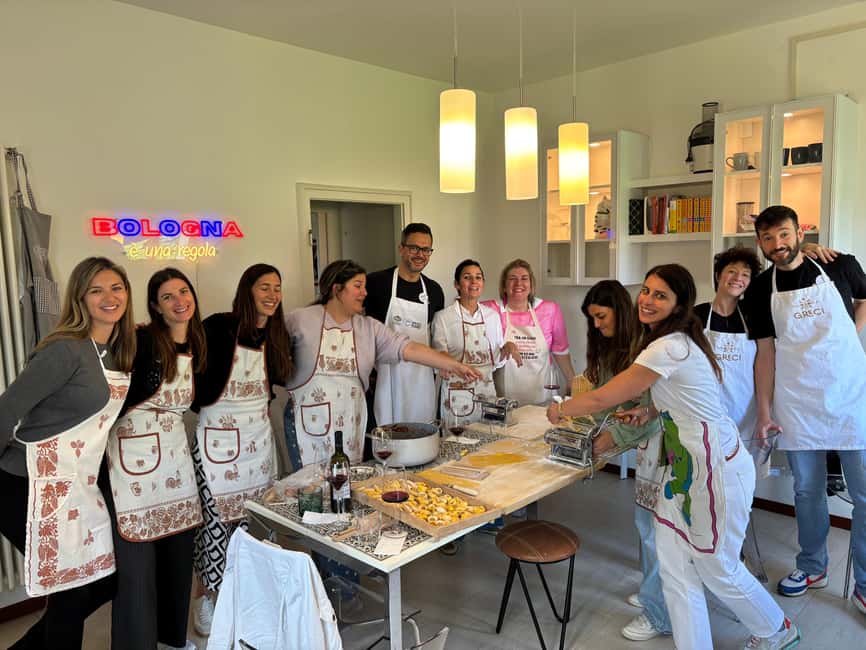
- Make tortelloni and tagliatelle from scratch, including the dough
- Cook two sauces: ragù (Bolognaise) and a cherry tomato-basil sauce
- Aperitivo pizza on arrival, then you sit down family-style to eat what you made
- Wine tasting with unlimited wine, with organic grape varieties to choose from
- Tiramisu served as dessert, using a recipe credited to the host’s grandmother
- Vegetarian menu is 100% possible using organic veggies
A Bologna Home Kitchen, Candlelight, and Aperitivo Pizza
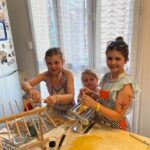
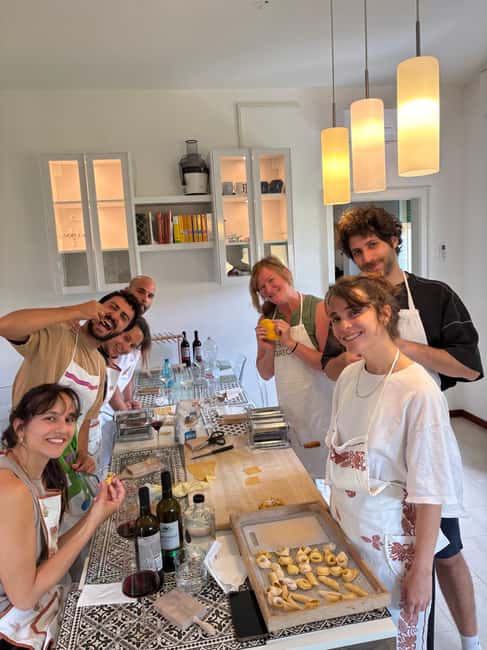
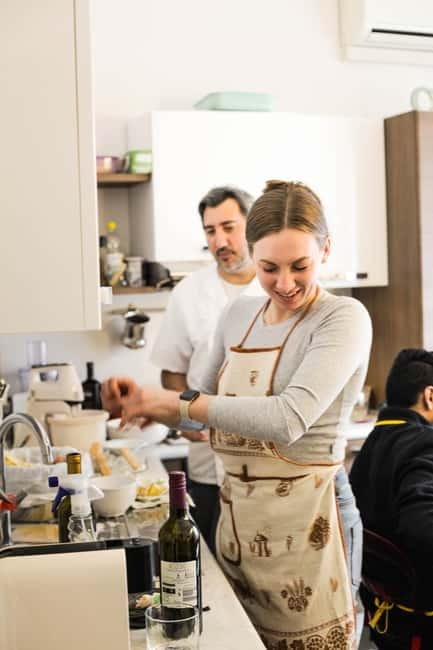
This workshop is set in a real local home in Bologna, not a studio. You’ll start in the evening with a cozy setup—candlelight in the living room and jazz playing in the background, with air conditioning for comfort.
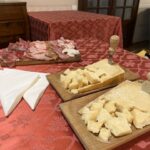
The first real moment is the aperitivo: you arrive and get homemade pizza. It’s a smart start because it wakes up your appetite without rushing you into cooking mode. You’re not just watching instructions; you’re settling in, meeting your group, and getting ready to work at the same table where you’ll eventually eat.
You can also read our reviews of more cooking classes in Bologna
Timing and Meeting Federico’s Place in Bologna
You’ll meet directly at your guide’s home (ring the bell for Minelli and go up to the 2th floor). The experience runs for about 3 hours, and it ends back at the meeting point—so come with the mindset that you’re spending a set window in the neighborhood area rather than hopping between sites.
English is used with a live guide, and the experience is designed to be interactive. If you’re the type who likes clear steps and hands-on practice more than passive sightseeing, this format fits you well.
Turning Eggs Into Dough: Making Pasta by Hand
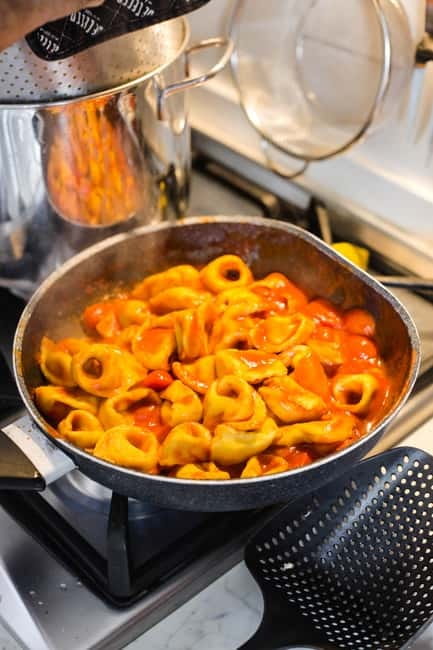
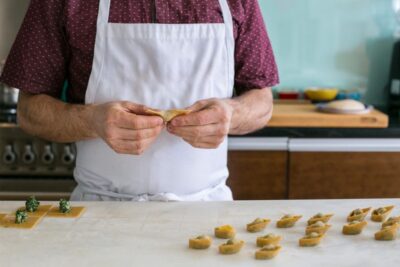
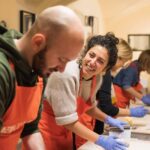
The core of this experience is the pasta-making. You’ll learn how to turn basic ingredients into real pasta dough—manually, step by step—until it’s ready to shape.
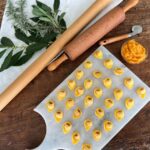
The two pasta types you’ll make are tortelloni and tagliatelle. Tortelloni gives you a chance to work with a filled pasta shape, while tagliatelle teaches the classic roll-and-cut method that many people miss when they only ever order pasta in restaurants. This matters because once you learn the dough texture and how it behaves, the shapes stop being mysterious and start feeling repeatable.
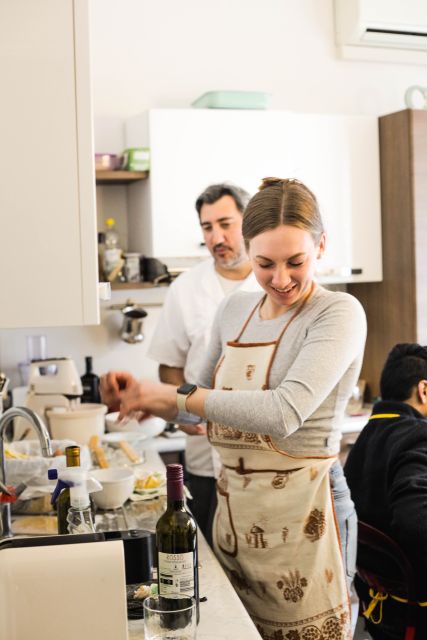
The teaching style is built around participation. You’re given time to practice, and the host keeps things moving so you don’t just stand around waiting for someone else to finish. That hands-on pace shows up in the way people describe leaving with confidence—because you’re not just tasting at the end, you’re building skills that translate home.
Two Sauces That Explain Emilia-Romagna: Ragù and Cherry Tomato Basil
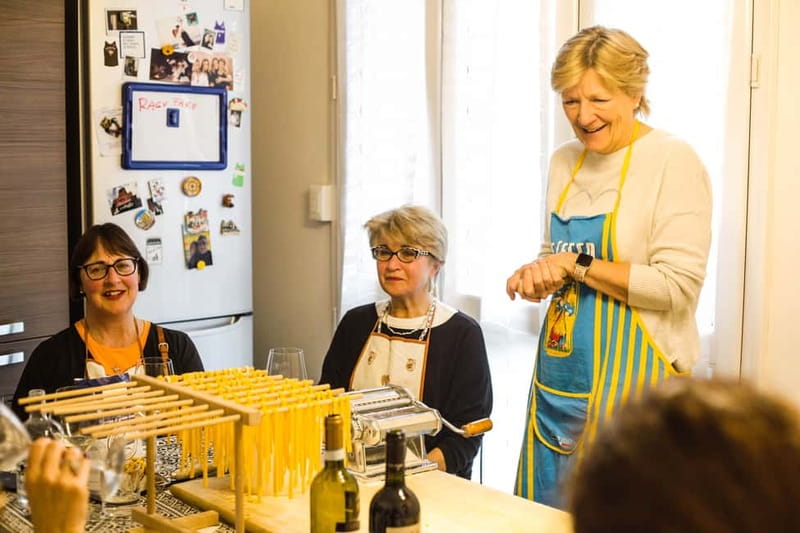
Pasta is only half the story. You’ll also make two sauces, and they’re a great pairing because they show two different styles of Italian cooking.
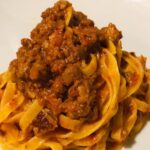
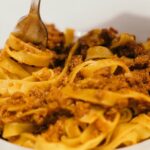
First up: ragù (Bolognaise sauce). This is the sauce many people associate with Bologna, and learning it in the same room where you’re making the dough helps the meal make sense. Second: a lighter sauce made from fresh cherry tomatoes and basil. It’s the kind of combination that keeps the flavors bright so the filled pasta and the egg-forward dough don’t feel heavy.
The value here is not just eating a sauce. You’re learning how ingredient character changes when you cook it—tomato sweetness vs. slow-cooked depth in ragù, and the role herbs like basil play in balancing richness.
Wine Tasting at Dinner: Organic Grapes and Food Pairing
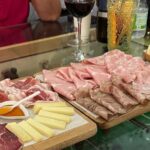
Then comes the part that turns the workshop into a proper Bologna evening: wine. During the meal, your host offers a relaxing wine tasting with guidance on the story behind each bottle and the producer.
What I like about the structure is that you’re not just given wine and told to enjoy. You learn how to match the right wine to the right food, using examples from the plates you’re actively eating—because your pasta and sauces are right there on the table.
You can choose from selections made from organic grape varieties, including sangiovese, merlot, Chianti, pinot grey, and chardonnay from organic Italian producers. That lineup gives you a nice spread: sangiovese/Chianti often bring that classic red-tomato pairing vibe, while whites like chardonnay can keep things fresh against richer bites.
Also, since it’s unlimited wine, the experience works best if you’re comfortable with a social, longer meal pace. If you’re pacing yourself, you’ll still get the pairing lesson even if you sip more slowly.
You can also read our reviews of more wine tours in Bologna
Eating What You Cook: Family-Style Dinner in a Local Living Room
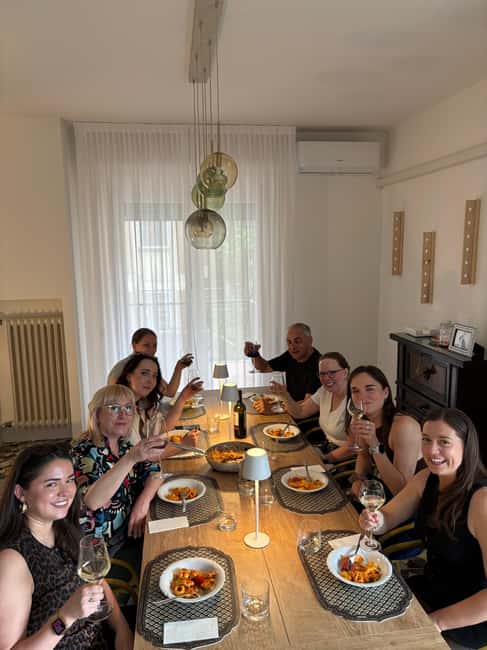
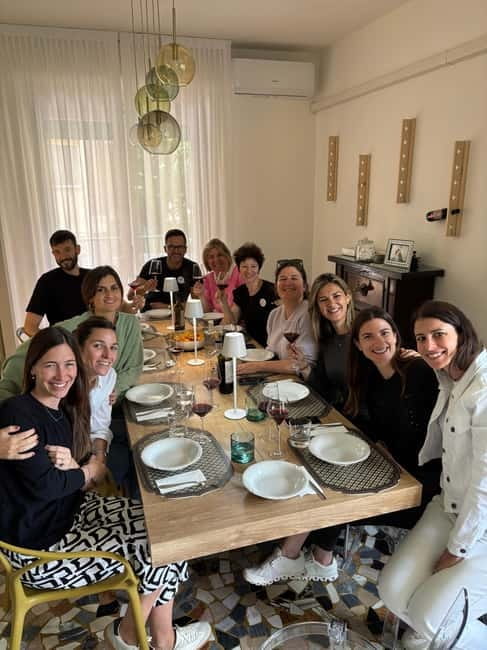
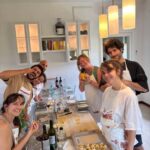
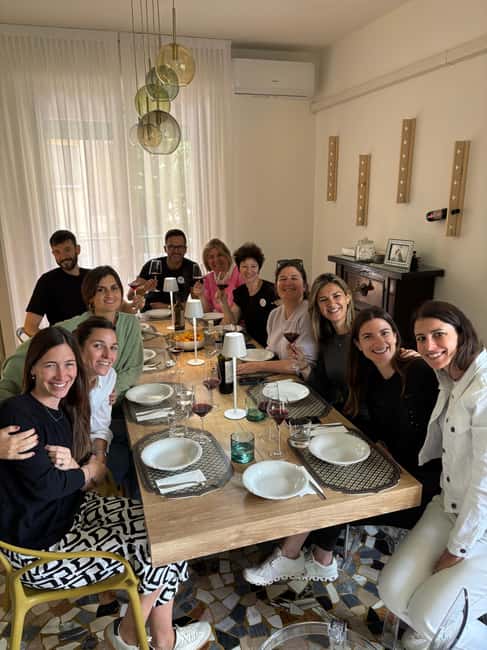
After the hands-on work, you sit down together and enjoy the meal family-style. That’s a key difference from many cooking demos where you watch food happen. Here, you’re part of the process from the dough through to the finished plates.
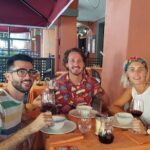
The atmosphere is intentionally relaxed—candlelight, jazz, and conversation. You’ll likely talk with your group about food, wine, and what to eat next in Bologna, because this kind of class naturally turns into a small social dinner. One of the most practical perks: people leave with recipe notes and restaurant recommendations, so you’re not stuck only with what you ate that night.
One extra comfort detail: the home setting usually means you’re eating on a proper dinner setup rather than in an industrial classroom. If you’ve done tour buses all day, this feels like the opposite direction—more human scale.
Vegetarian Option That’s Actually Built In
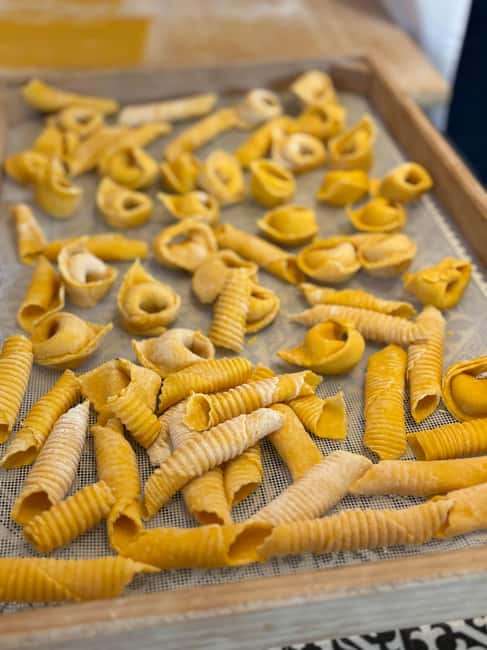
If you’re vegetarian, you’re not expected to “figure it out.” A vegetarian menu is 100% possible using organic veggies. That’s a real advantage because many cooking classes claim flexibility but don’t truly plan for it.
In practical terms, this means you can show up without doing mental math about what you’ll miss. You still get the cooking process, the sauces, the wine pairing guidance, and the dessert—so the evening stays cohesive rather than turning into a side dish scramble.
Dessert: Tiramisu That Ends the Night on a Sweet Note
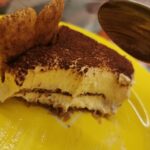
Every good Bologna meal needs a finish, and here it’s tiramisu. You’ll get the tiramisu recipe and dessert credits go to a version described as from the host’s grandmother—so it’s not treated like a generic store-bought finale.
I like how this works with the rest of the night: the tiramisu gives you a creamy, coffee-tinged landing after richer pasta and ragù. It also helps you remember the evening as a full experience rather than just a pasta craft session.
Price and Value: What $88.70 Really Buys You
At $88.70 per person, the price looks straightforward until you break down what’s included. You’re not just paying for ingredients. You’re paying for guided instruction in making two pastas from scratch, plus two sauces, plus wine tasting with unlimited wine, plus a dessert recipe and tiramisu.
If you’ve ever priced cooking classes that include only a single pasta or only a short tasting, this has the deeper value in the skill-and-meal combo. Three hours also keeps it from dragging. You get enough time to learn without losing the fun factor.
The real “value” is what you take home: recipe knowledge, technique, and food pairing cues. That’s the kind of souvenir that still works after you return.
Who Should Book This (and Who Might Prefer Something Else)
This is best for you if:
- you want hands-on cooking in Bologna, not just a tasting
- you like a social meal where you can meet people and keep talking
- you enjoy wine and want pairing guidance tied to real dishes
- you want a class that ends with a proper dinner and dessert
Skip it or rethink if:
- you need easy hotel logistics—there’s no hotel pickup and meeting is at the guide’s home
- you can’t do a wheelchair-friendly setting (it’s not suitable for wheelchair users)
- you don’t want unlimited wine as part of the experience
If you’re traveling solo, this can still work well because the setting encourages conversation. If you’re traveling with friends who love food, you’ll get double enjoyment: you cook together, then you eat together what you made.
Should You Book This Bologna Pasta Workshop?
Yes, book it if you want a Bologna dinner you can recreate later. The combination of pasta-from-scratch skills, two distinct sauces, guided organic wine tasting, and grandmother-style tiramisu is rare to find in one evening without feeling rushed.
Also, this is one of those experiences that rewards curiosity. You’ll get more out of it if you’re willing to ask questions about dough texture, sauce behavior, and why certain wines suit certain bites. If you want a practical, authentic evening in a local home, this hits the mark.
FAQ
What pasta will I make?
You’ll make two kinds of pasta: tortelloni and tagliatelle.
What sauces are included?
You’ll make ragù (Bolognaise sauce) plus a fresh cherry tomato sauce with basil.
Does the class include wine?
Yes. Wine tasting is included, and you have unlimited wine during the meal.
Is there a vegetarian option?
A vegetarian menu is 100% possible using organic veggies.
How long is the workshop?
It lasts about 3 hours.
Where do I meet the guide?
You meet at the guide’s home. Ring the bell for Minelli and go up to the 2th floor. There’s no hotel pickup or drop-off.