REVIEW · COOKING CLASSES
Bologna: Pasta Tagliatelle Ragu Cooking Class with Spritz
Book on GetYourGuide →Operated by Tours and the City · Bookable on GetYourGuide
Fresh pasta starts with a handshake. I love the hands-on tagliatelle making and the social start with Mortadella and Pignoletto; you’ll shape dough with a rolling pin and toast with Sangiovese. One watch-out: ragu is prepared ahead, and the workshop involves a flight of stairs.
You’ll also like that the cooking is taught by Bologna locals (names you may see include Valentina F, Lupo, Stefy, Claudia, and more), and the instruction is in English. It’s hands-on, no fancy pasta machine required, so you get that real “I can do this” feeling.
The end of the meal matters too: you’ll finish with Montenegro and Moka coffee plus an amaro digestif, and you can request the recipes as a PDF afterward. One practical tip: wear comfortable shoes, because you’re standing and working at a kitchen pace.
In This Review
- Key things I’d circle before you book
- Bologna cooking class energy: aperitivo first, then pasta
- Mortadella aperitivo + Pignoletto: a classy way to get oriented
- Casoni spritz time: making the cocktail, not just drinking it
- Rolling tagliatelle the old way: dough from scratch
- Ragù on your plate: what you make, what’s prepared ahead
- Wine pairings and the meal rhythm in Bologna style
- The finish: Montenegro, Moka coffee, and an amaro digestif
- Value check: how $79.64 holds up for a 3-hour experience
- Who this class is best for (and who should think twice)
- Should you book Bologna tagliatelle ragu with spritz?
- FAQ
- Is ragu included, and do I make it myself?
- What drinks are included?
- What does the class cover in pasta-making?
- Are recipes provided after the class?
- What should I wear and bring?
- What dietary needs should I check before booking?
Key things I’d circle before you book
- Mortadella, crescenta, and Pignoletto kick things off like a true Bologna aperitivo
- Your own Casoni Spritz gets mixed during the class, not just poured for you
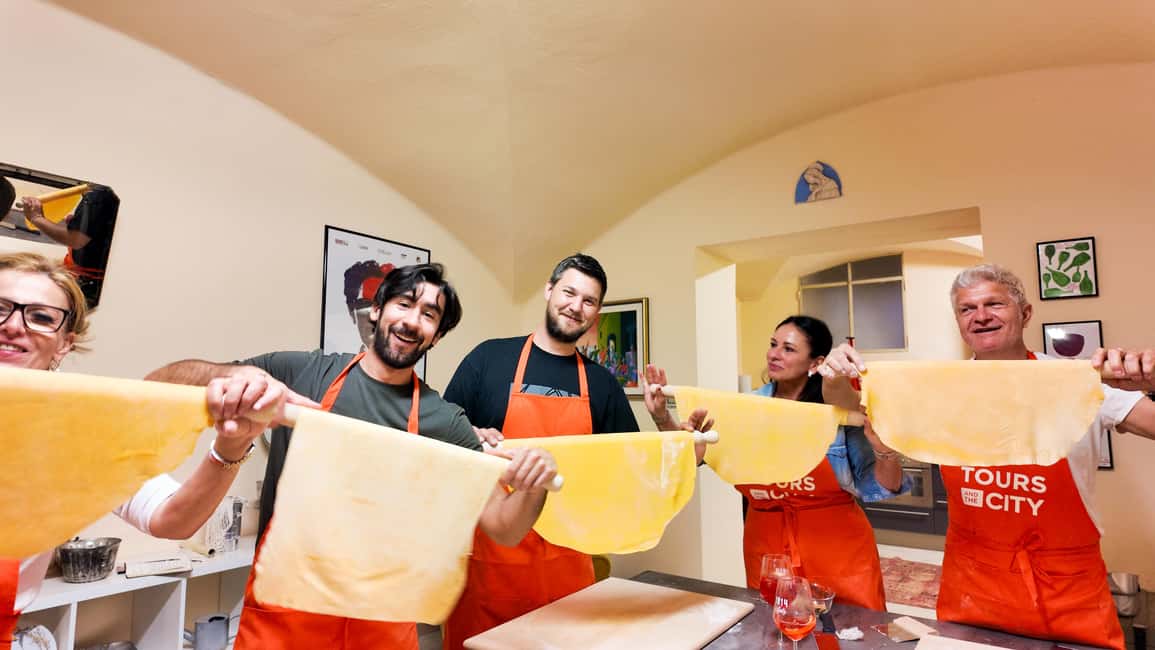
- Tagliatelle from scratch by hand (eggs + flour, rolling pin only)
- Ragù with 24-month-aged Parmigiano Reggiano at the table
- Two wine moments: sparkling Pignoletto (white) and Sangiovese (red)
- Montenegro + Moka coffee closes the experience with a classic Italian finish
Bologna cooking class energy: aperitivo first, then pasta
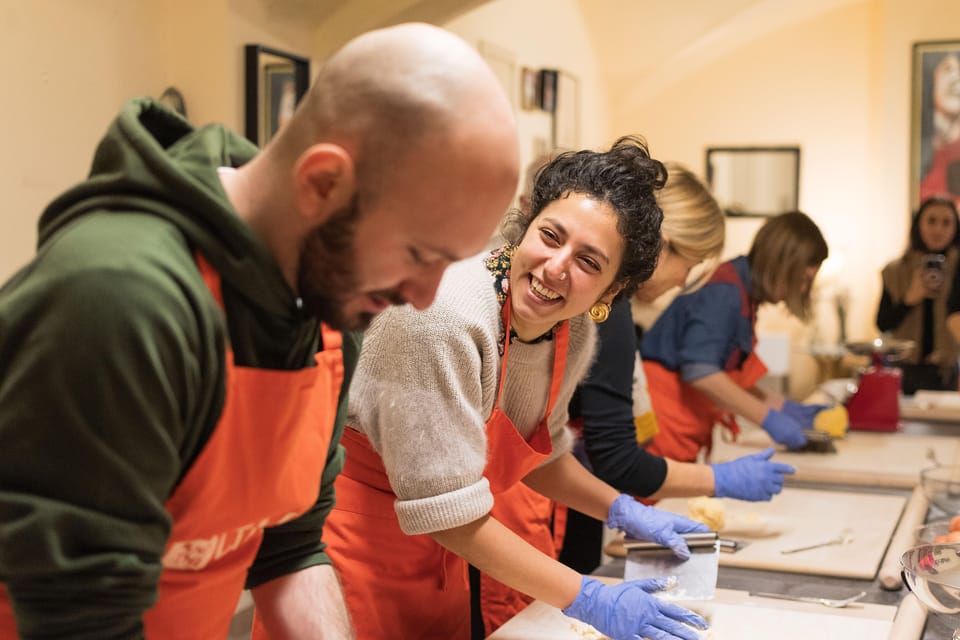
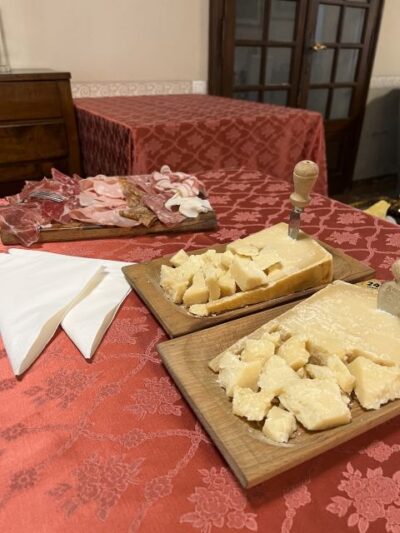
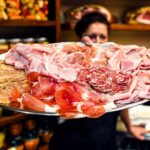
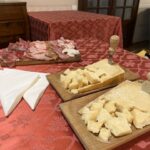
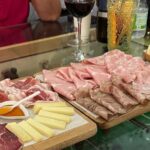
This class is built the way good Bologna days start: snack, sip, talk, then cook. You begin with a welcome aperitif featuring Mortadella plus crescenta, paired with Pignoletto. It’s a smart setup because it breaks the awkwardness fast and gets you relaxed before flour starts flying.
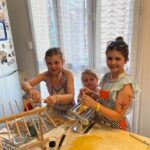
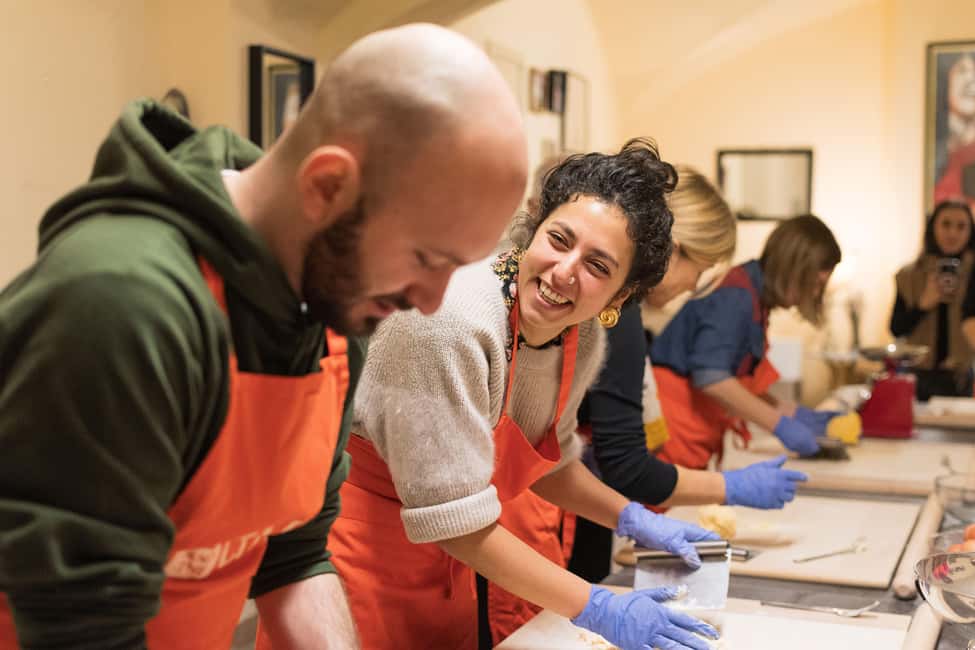
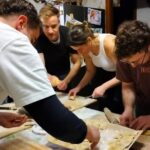
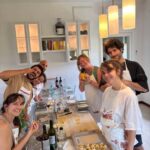
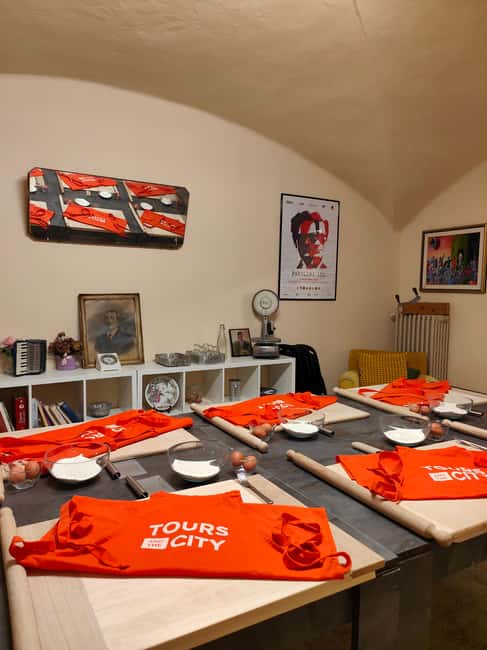
I also like the atmosphere. You’re not stuck at a demo counter. You’re in a real kitchen routine—mixing, kneading, shaping—while your instructor keeps things moving in English. And because the group often mixes people from different countries, you tend to spend the cooking time chatting, not just following instructions.
Practical note: the “meeting point” is outside; the guide comes out (wearing an orange apron) and escorts you in. That’s useful if you’re meeting friends or don’t want to wander around center-city Bologna trying to find the door.
You can also read our reviews of more cooking classes in Bologna

Mortadella aperitivo + Pignoletto: a classy way to get oriented
Your first taste is Mortadella paired with a sparkling white wine: Pignoletto. It’s not just a random starter. It’s Bologna food culture in one bite and one sip, and it helps you understand why local cuisine feels so confident about simple, high-quality ingredients.
You’ll also get crescenta alongside the Mortadella. That matters because it balances the richness and gives you something neutral you can use as you start learning. After a few sips, you’ll get the rhythm of the evening: short steps, quick explanations, then you take over.
If you’re the type who likes learning through taste, this “start with food” approach works well. You’ll be less confused later when the class shifts into pasta-making technique.
Casoni spritz time: making the cocktail, not just drinking it
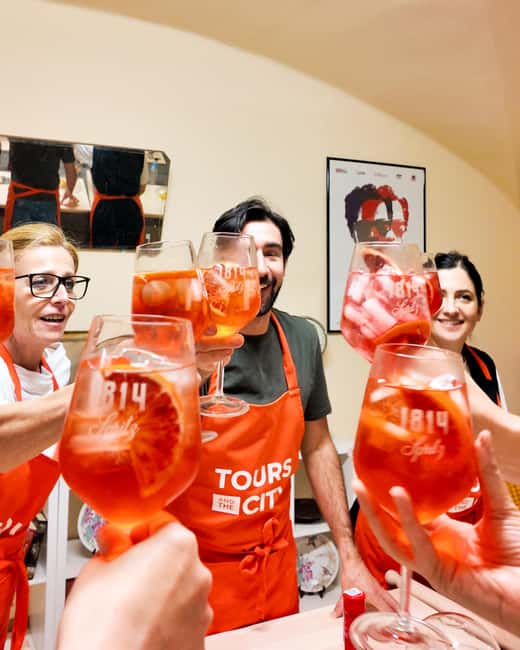
Then you get into the part that makes this class feel special even before the pasta: you prepare a Casoni spritz. It’s described as a signature cocktail infused with local herbs, using recipes passed down over time—so it won’t feel like the generic spritz you’ve had elsewhere.
What’s useful for you: you’re not only sampling. You’ll prepare and sip your own spritz during the class. That means you’ll remember flavors and steps, and it also gives your hands a break while the dough rests and you wait for other cooking moments.
One small practical point: this is still a cooking class. Keep your pace steady. It’s easy to get carried away with the sips, but the dough doesn’t care about your good time. You’ll do best if you listen first, mix second, and then focus on the next pasta step.
Rolling tagliatelle the old way: dough from scratch
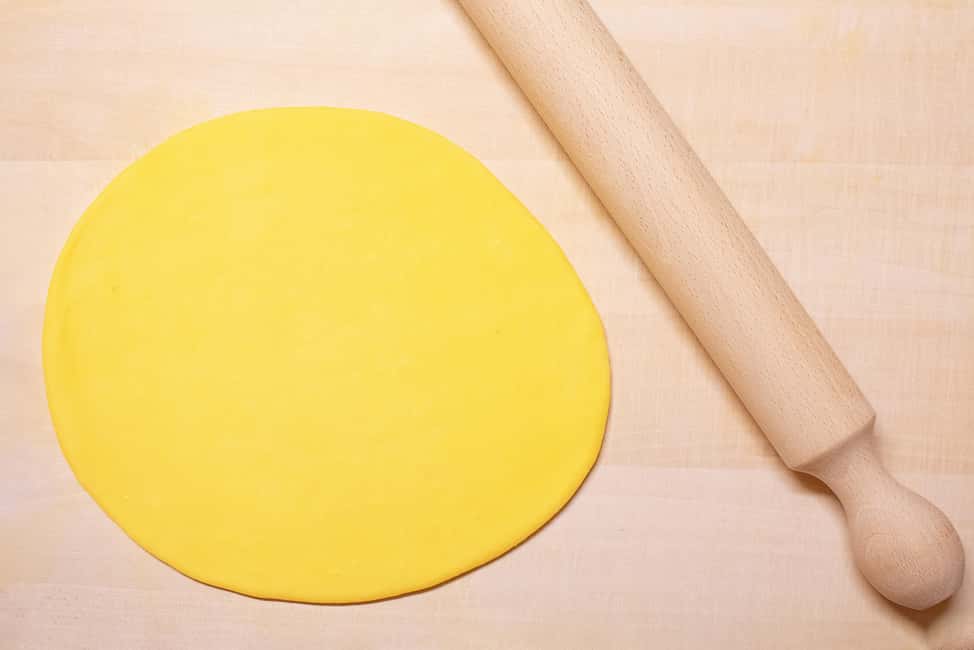
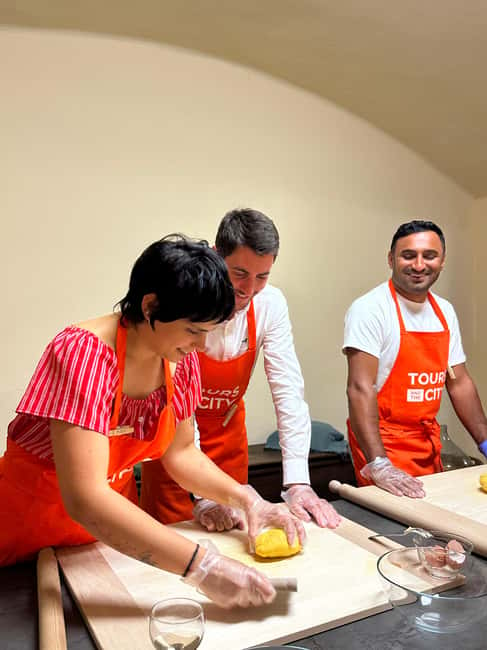
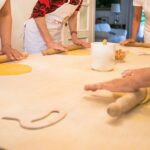
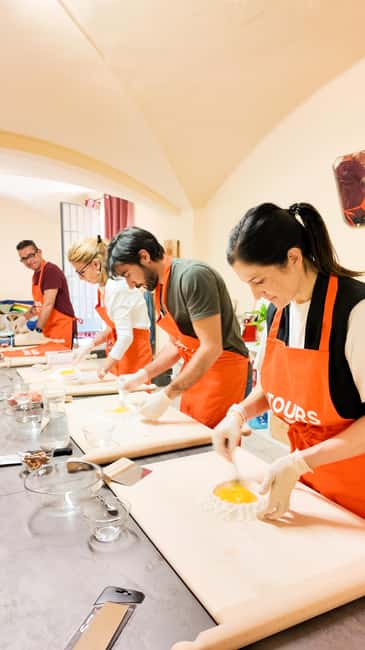
Now the main event: fresh tagliatelle. You’ll make pasta dough from scratch using locally sourced ingredients like fresh eggs and flour. And yes, this is hands-on—no pasta machine.
You’ll work the dough (knead and shape), roll it out, and then slice it into tagliatelle. A rolling pin is part of the process, so wear clothes you don’t mind getting a little flour-dusted. (This is Italy; your “clean outfit” plans will probably lose.)
Why this is worth it: dry pasta is convenient, fresh pasta is personal. Once you’ve made tagliatelle by hand, you understand why the texture matters and how the dough should feel. Even if you’re a first-timer, the class is structured so you get guidance at the tricky moments—especially learning how to roll thin enough and cut evenly.
From the experience of others, the host style often makes or breaks this kind of class. Here, the teaching tone is repeatedly described as patient and supportive, with instructors stepping in when people get stuck. You’ll likely hear a lot of practical cues about thickness, handling, and timing rather than vague “just feel it” advice.
Ragù on your plate: what you make, what’s prepared ahead
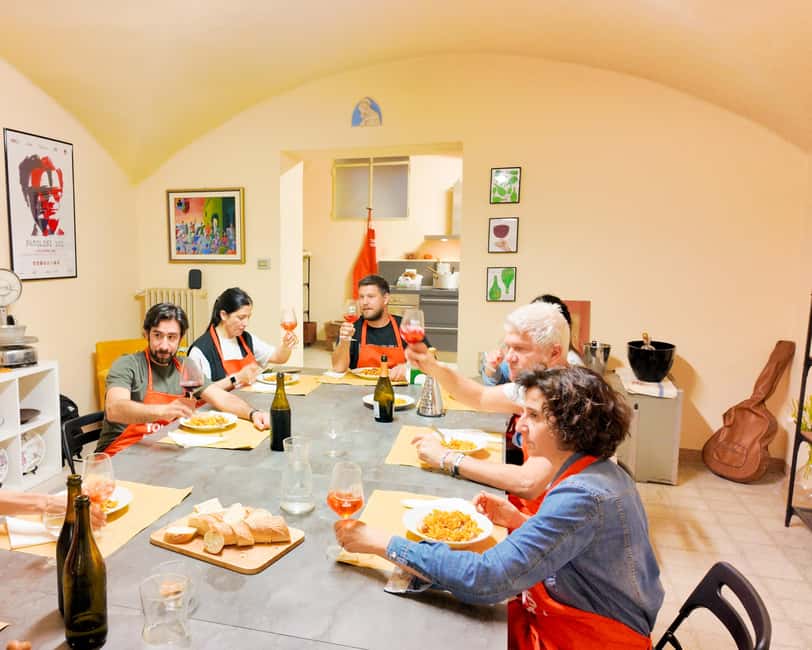
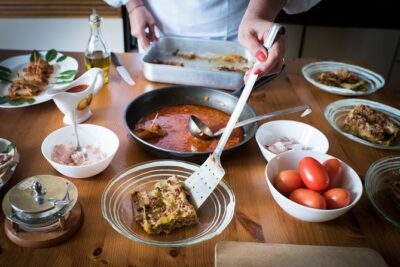
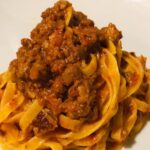
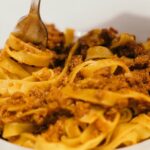
Here’s the honest tradeoff: due to time constraints, you won’t make the ragù from scratch yourself. The sauce is prepared in advance, week by week, following a family tradition. Then you enjoy it with the tagliatelle you worked for.
That might sound like a small disappointment, but it’s also part of what makes this class enjoyable. Ragù takes time to develop properly, and rushing that would mean less depth in flavor. Instead, you get the best of both worlds: you learn the hands-on pasta technique, and you still eat a proper Bolognese ragù without waiting around for hours.
The meal is finished with 24-month-aged Parmigiano Reggiano, which is a big deal. This isn’t the mild stuff. The aging gives a sharper, deeper cheese flavor that stands up to the ragù richness and makes the whole dish taste more intentional.
Also, during the cooking and tasting, you’ll toast and savor your pasta with wine (Sangiovese red is included). So the ragù moment isn’t just dinner—it’s a full table experience.
You can also read our reviews of more tours and experiences in Bologna

Wine pairings and the meal rhythm in Bologna style
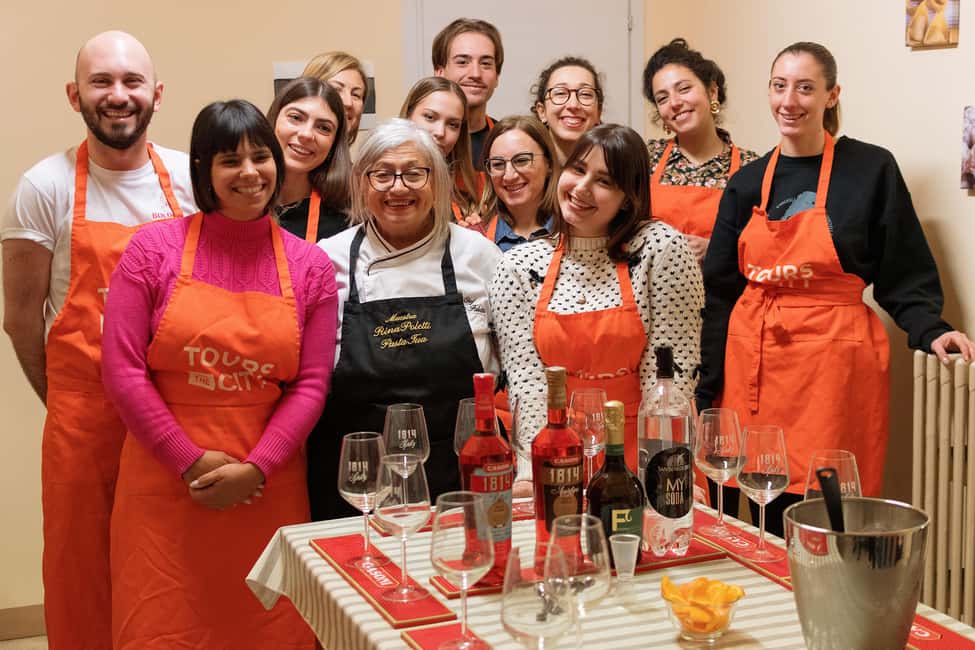
This class includes wine, and it’s paced to match the cooking flow.
- Pignoletto (sparkling white) shows up early with the welcome aperitivo.
- Sangiovese (red) comes in later around the tagliatelle and ragù meal.
That order is practical. The sparkling white is lighter and easier to enjoy before you start working with dough. The red pairs better once you’re eating a fuller, meat-based sauce.
You’ll also have unlimited water and soft drinks, which is a great safety net if you’re not going heavy on alcohol. And you’re getting coffee at the end, so it’s not just “cook and drink” then go home.
The finish: Montenegro, Moka coffee, and an amaro digestif
The last act is very Italian: coffee plus a digestif. After you eat, you’ll finish with Montenegro (a classic Italian liqueur), plus Moka coffee, and an amaro digestif.
If you like a clean ending after a meal, this part is satisfying. It turns the class into an actual evening, not a short snack stop. It also helps you reset after all the standing, rolling, and cooking—then you leave feeling like you got the whole arc: aperitivo, cooking, eating, and a proper close.
And if you’re the type who wants something to recreate at home, you can request recipes afterward by email in PDF format. That’s useful because fresh pasta technique depends on details, and having a written reference helps.
Value check: how $79.64 holds up for a 3-hour experience
At $79.64 per person for about 3 hours, you’re paying for more than a cooking lesson.
You’re getting:
- ingredients for fresh tagliatelle work (eggs and flour),
- a structured class with an English instructor,
- multiple drinks and tastings (aperitivo wine, spritz, additional wine, coffee),
- and a finished meal that includes ragù and aged Parmigiano Reggiano.
If you only cared about learning pasta technique, a cheaper workshop might exist. But here, the drink-and-meal package makes it feel like a complete Bologna experience in one block of time. For many people, that’s the point: you want to cook, eat what you make, and sip along the way—without planning multiple stops.
One more value point: many people come out feeling they can keep going at home. Several mentions include leaving with extra pasta for later dinner. Even if that isn’t guaranteed for every group, it’s clear the class is set up so you don’t leave hungry.
Who this class is best for (and who should think twice)
This works best if you want hands-on cooking, a social group atmosphere, and real Bologna food culture in a single afternoon or evening. It’s especially good for:
- first-time pasta makers who want clear step-by-step help,
- people who enjoy spritz and wine as part of the meal,
- anyone who likes learning by doing, not just watching.
It may not be the right fit if you:
- need a vegan or vegetarian meal (not suitable as stated),
- have gluten intolerance (not suitable),
- are traveling with children under 12 (not suitable),
- need mobility support, since there’s a large flight of stairs.
If you have serious allergies, you’ll want to inform the organizers ahead of time. The class notes that severe allergies may not be possible to accommodate.
Should you book Bologna tagliatelle ragu with spritz?
If you’re choosing one Bologna food activity that’s fun, practical, and tied to local culture, this is a strong pick. The class structure makes sense: aperitivo to loosen up, Casoni spritz you mix yourself, then tagliatelle from scratch without a machine. You end with the full meal and a proper Italian coffee-and-digestif finish.
Book it if you want:
- hands-on technique (cutting and shaping tagliatelle),
- a guided experience in English,
- plenty of included drinks and a meal you’ll actually look forward to.
Think twice if you specifically want to make the ragù from scratch yourself, or if stairs and dietary restrictions are a dealbreaker. Otherwise, it’s one of those Bologna experiences that leaves you with both a skill and a story.
FAQ
Is ragu included, and do I make it myself?
You’ll eat tagliatelle with homemade ragù, but the class notes that ragù preparation is not done by you. It’s made in advance due to time constraints.
What drinks are included?
You get a welcome aperitif with Mortadella and wine, you make and sip your own Casoni spritz, and the meal includes wine tastings (Pignoletto sparkling white and Sangiovese red), plus coffee. Water and soft drinks are unlimited.
What does the class cover in pasta-making?
You’ll learn to make tagliatelle dough from scratch using flour and fresh eggs, then shape, slice, and cook the pasta. The instruction is designed for hands-on learning without a pasta machine.
Are recipes provided after the class?
Yes. Recipes can be requested by email in PDF format.
What should I wear and bring?
Wear comfortable shoes and comfortable clothes, since you’ll be standing and working in a kitchen.
What dietary needs should I check before booking?
The activity is not suitable for vegans, vegetarians, or people with gluten intolerance, and it asks you to inform them about dietary requirements and any severe allergies.