REVIEW · COOKING CLASSES
Bologna: Pasta Tagliatelle al Ragu Cooking Class with Wine
Book on GetYourGuide →Operated by Timonfaya Travel Lanzarote · Bookable on GetYourGuide
Fresh pasta is easier than you think. This Bologna class happens in a family home, taught by Irene, and you’ll make your own handmade pasta step by step before sitting down to eat.
One possible drawback: you’re working in a small apartment kitchen, so space can feel tight and bigger groups may mean less elbow room.
In This Review
- Bologna Pasta Class in a Home Apartment: What Makes It Special
- Inside The Bologna Home Kitchen Near Buzz Mattioli
- Irene’s Step-By-Step Lesson: Dough That Turns Into Tagliatelle Or Tortellini
- Three Kinds Of Homemade Pasta: The Filling And Folding Lessons That Matter
- Bologna Ragu, Baking, And The Moment You Eat Your Own Pasta
- Wine With Lunch: Relaxed Conversation, Not A Performance
- What You Take Home: Recipes And Confidence To Cook Again
- Price and Value: Is $70 Worth It?
- Logistics That Can Affect Your Experience: Small Space, Easy Pace
- Who This Bologna Class Fits Best
- Quick Tips So You Enjoy Every Minute
- Should You Book This Pasta Tagliatelle al Ragu Cooking Class?
- FAQ
- How long is the Bologna pasta cooking class?
- What does the class cost?
- What will I learn to cook?
- Is wine included?
- Do I get to eat the pasta I make?
- Is dessert included?
- Do I receive recipes to take home?
- Where do I meet for the activity?
- What languages are the host and greeter?
- Can I cancel for a refund?
- Is there a reserve and pay later option?
Bologna Pasta Class in a Home Apartment: What Makes It Special
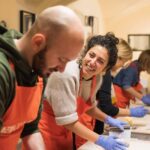
If you want Bologna food the way locals actually experience it, this is a strong pick. You’re not watching from the sidelines. You’re in the kitchen with Irene, rolling dough, shaping pasta, and then eating what you made with wine, dessert, and coffee.
What makes it work is the pace. You’ll get hands-on coaching for dough and filling, then you’ll see how the finished pasta turns into lunch at the table. The setting matters too: it’s a typical home in the Bologna area, which keeps things relaxed and real.
Inside The Bologna Home Kitchen Near Buzz Mattioli
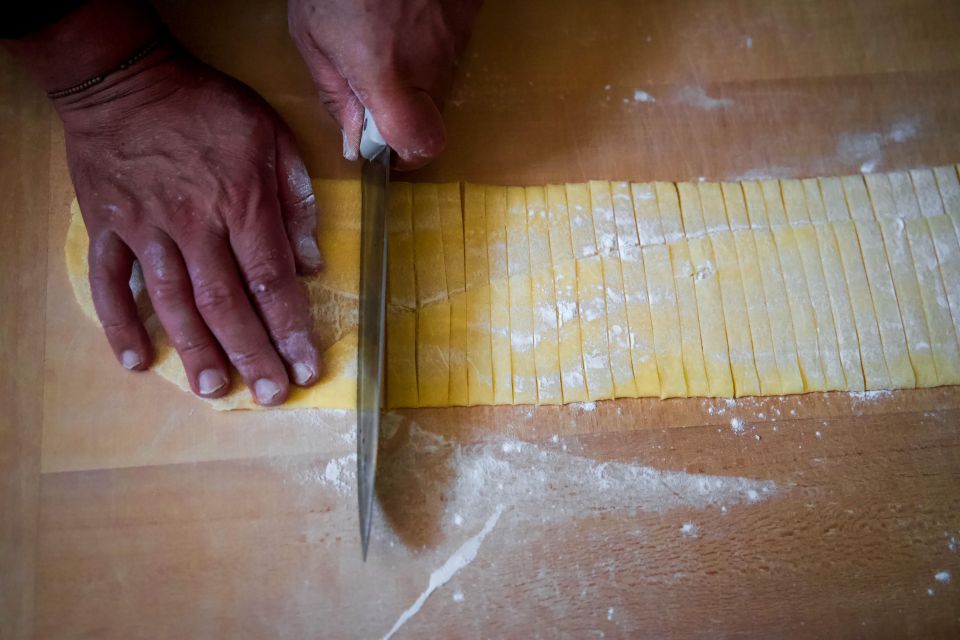
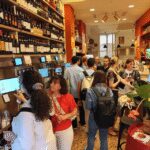
You meet at Buzz Mattioli. From there, you’ll head to the home kitchen for the lesson, and it’s worth planning for travel time if you’re staying in the central parts of town. Several experiences described the location as a few miles outside Bologna’s core, with bus or taxi being practical options.
Here’s the tip that saves stress: give yourself a little buffer. Even when the meeting point is straightforward, home locations can be slightly harder to pinpoint on your first try. If you’re prone to arriving late, go early. You’ll want a calm start so you’re not rushing dough prep.
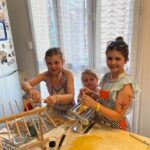
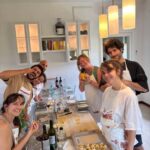
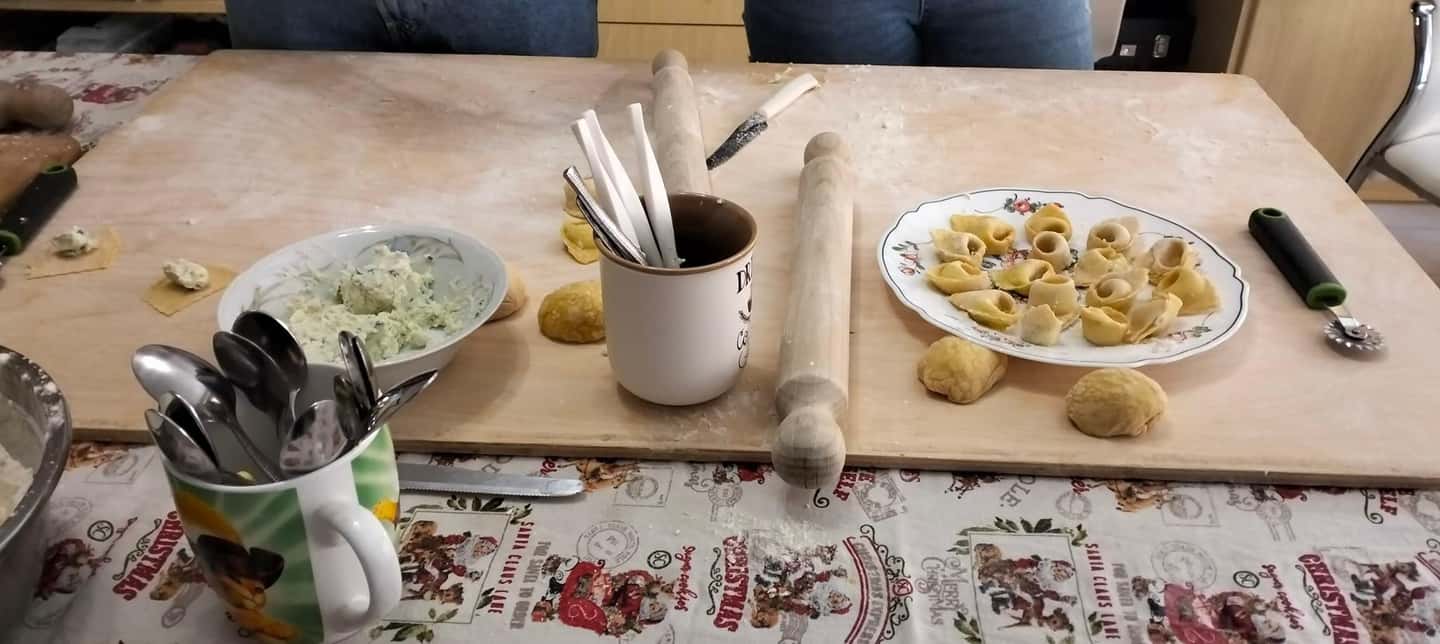
Also note the room itself. Multiple people described the kitchen as compact, which is normal for an apartment. You can handle it if you’re okay standing close, working in batches, and sharing counter space like a family would.
You can also read our reviews of more cooking classes in Bologna

Irene’s Step-By-Step Lesson: Dough That Turns Into Tagliatelle Or Tortellini
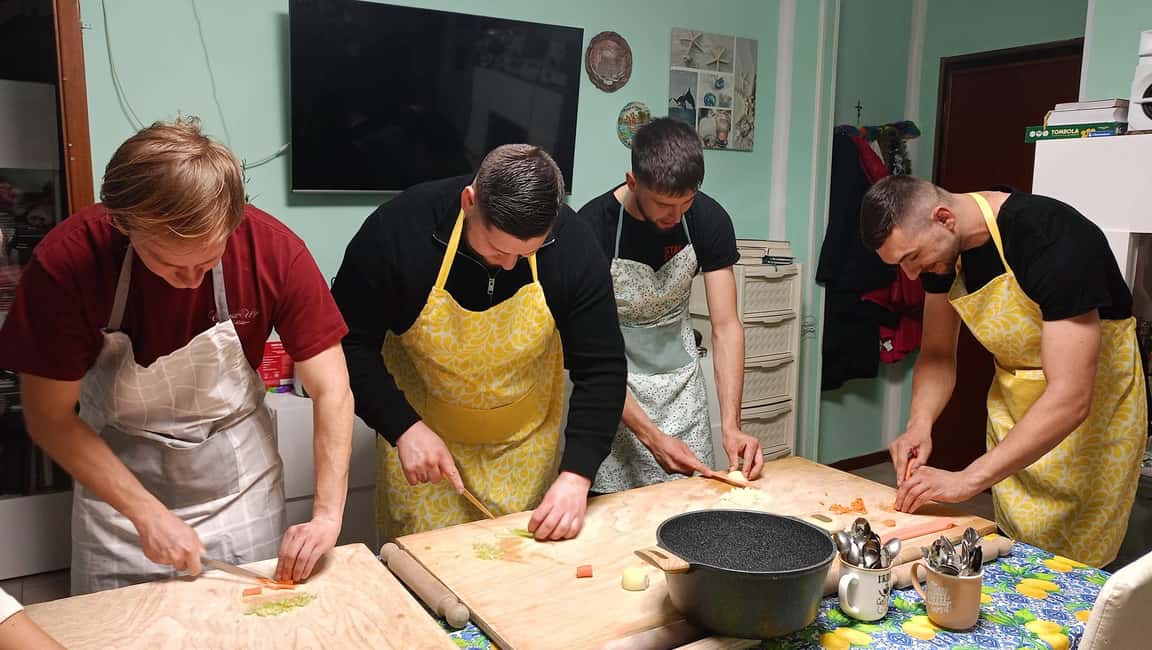
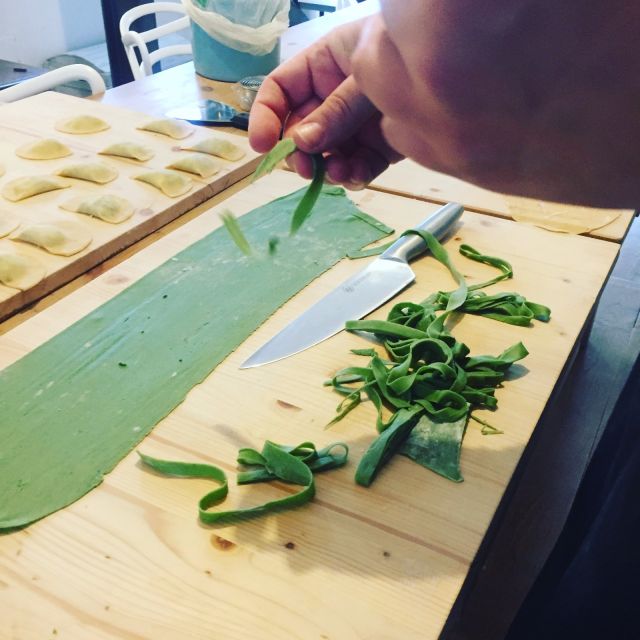
The class starts with the pasta dough. Depending on the session, you’ll begin with tagliatelle dough or tortellini preparations. Either way, the lesson follows the same logic: make dough, work it until it’s workable, then move on to rolling it out and shaping it.
This is where I like the class most. Instead of treating pasta making as a mystery, Irene breaks it into doable moves. You get direct guidance for rolling and handling, so you’re not guessing how thin to go or when the dough is ready.
In practical terms, that means you learn technique, not just the final plate. You’ll see how dough consistency changes what you can do next, and that makes the whole experience feel like real cooking instruction.
Three Kinds Of Homemade Pasta: The Filling And Folding Lessons That Matter
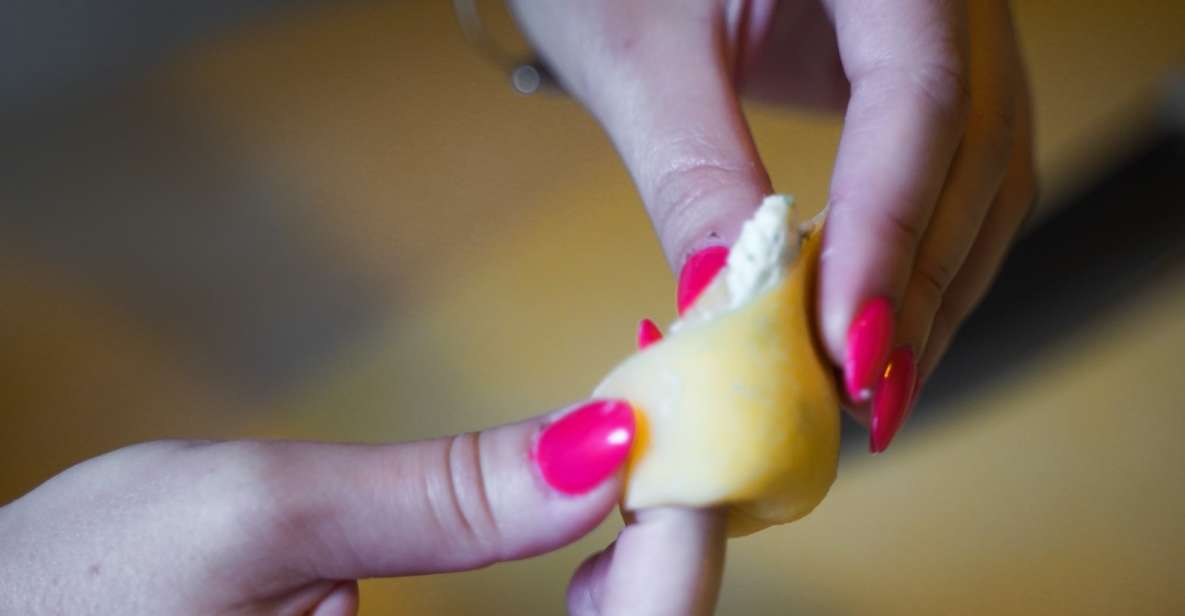
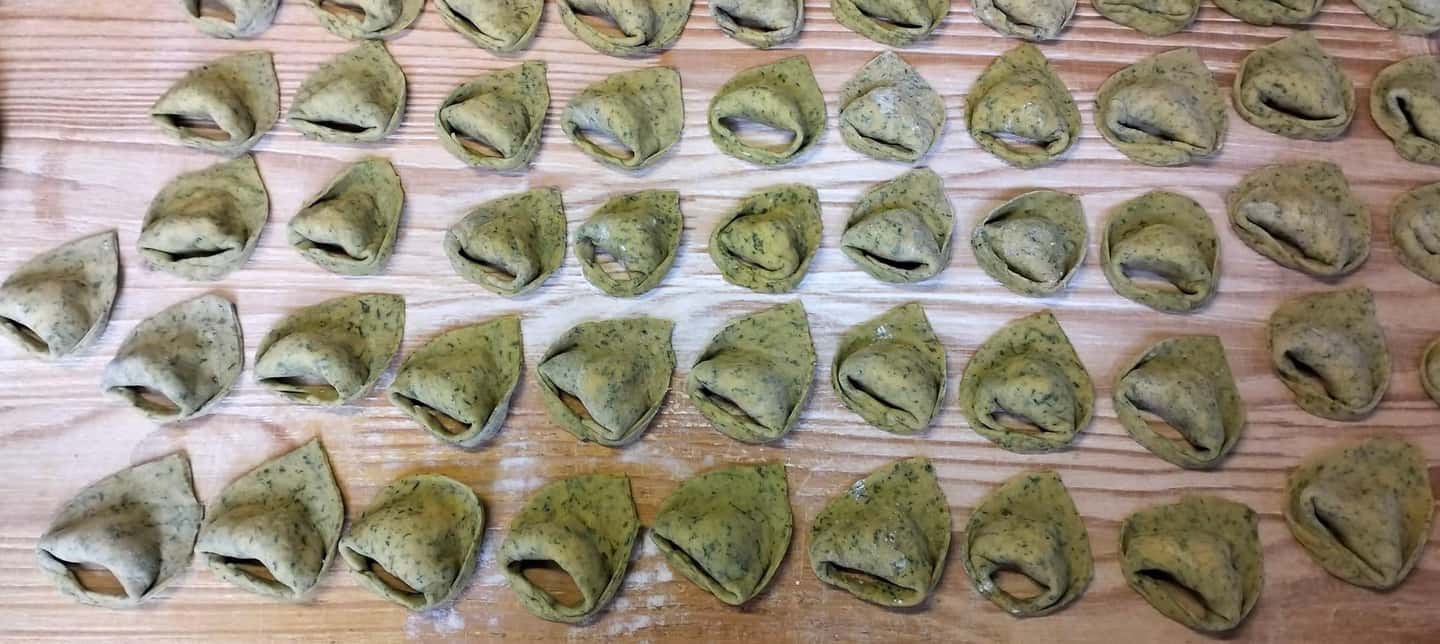
A big promise here is that you won’t just make one pasta shape. You’ll learn to prepare three types of homemade pasta, including options like tortellini or tortelloni and Bologna-style pasta.
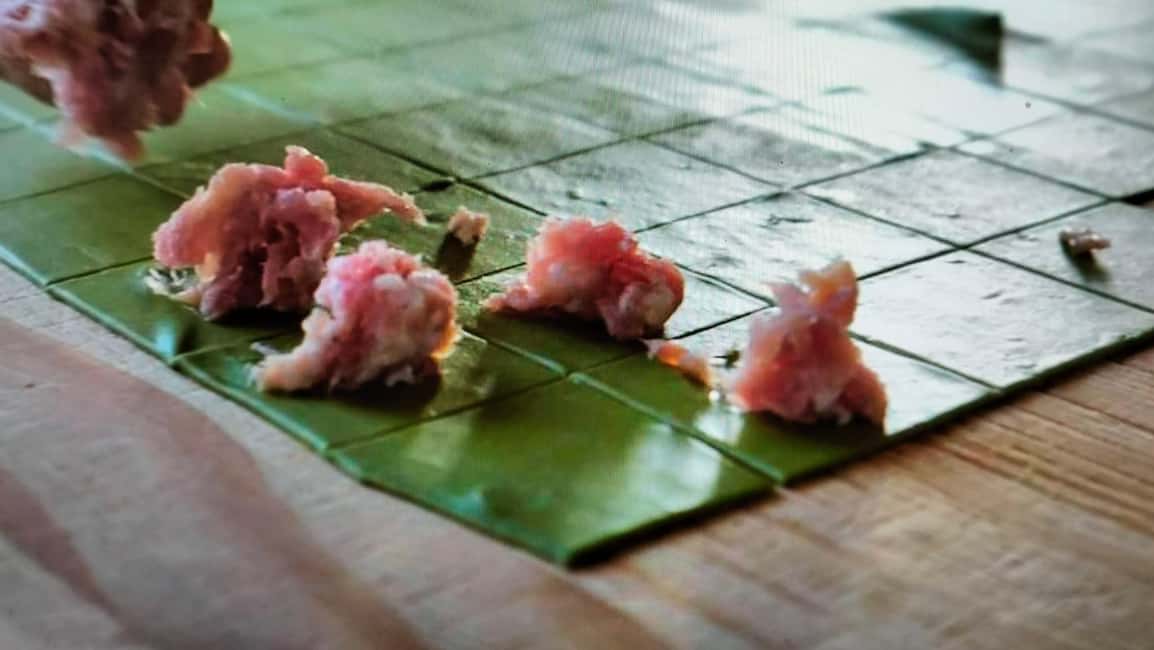
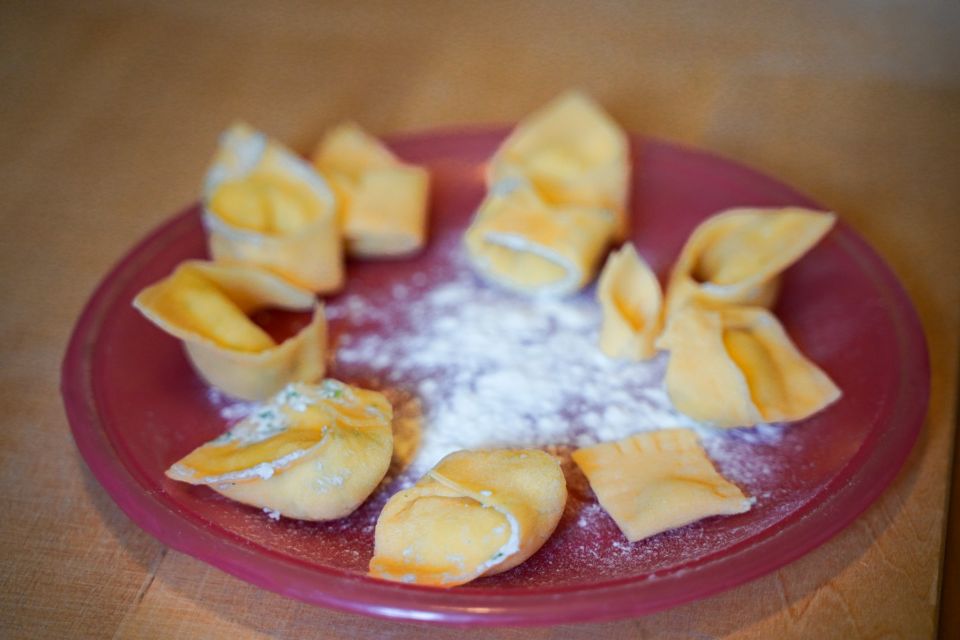
You’ll also learn about ravioli dough and filling. The key isn’t only rolling and cooking. The more valuable part is how you build the filling and how you shape it so it stays closed while cooking.
Why that matters for you: once you understand the filling-to-pasta ratio and how to seal without overworking the dough, you can repeat the method later. You don’t need to memorize one magic recipe. You learn a process.
And because this is a home setting, the teaching feels grounded. Irene teaches like someone who expects you to succeed. Many people highlighted her patience and clear explanations, plus an easygoing atmosphere where you’re encouraged as you work.
Bologna Ragu, Baking, And The Moment You Eat Your Own Pasta
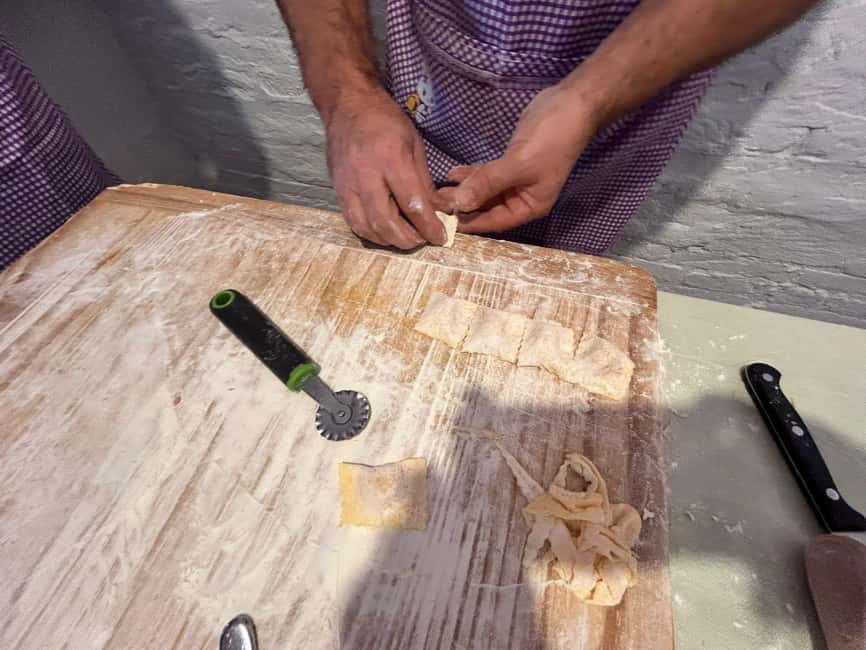
After dough prep and shaping comes the best part: turning your work into lunch.
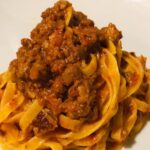
You’ll learn a Bologna-style sauce approach (often described with ragu focus), and you’ll also prepare pasta that gets baked or cooked as part of the meal. The structure tends to be: prep, shape, finish the cooking, and then sit down to eat everything together.
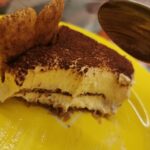
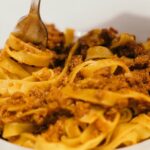
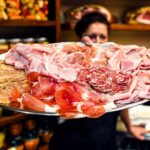
What you actually get at the table is a 3-course meal of pasta plus fresh fruit or seasonal cake/sweets, depending on what’s available. Wine is included, and dessert follows at the end, along with coffee.
This “you make it, then you eat it” format is the real value. It’s easy to get pasta dough right in theory. It’s harder to understand how it tastes once it’s cooked. Eating your own pasta right after shaping helps you connect texture, thickness, and sauce choice.
Wine With Lunch: Relaxed Conversation, Not A Performance
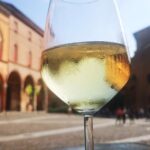
Wine is included in the experience, and it’s served alongside your meal. Several people described the mood as relaxed and family-like, with chatting while you eat what you made.
That matters, because pasta making can get technical fast. When you’re supported by a calm environment, you can focus on the work instead of stressing about it. People also mentioned Irene’s storytelling and warm hosting style, which helps turn the class into an actual afternoon outing, not a hurried workshop.
You might also notice extra touches from the family. Multiple reviews referenced Irene’s Nonna influence and stories, and some mentioned her husband Marco helping with baking like focaccia and cake. The exact details can vary by day, but the overall vibe is consistent: this feels like sharing a meal, not selling a show.
You can also read our reviews of more wine tours in Bologna

What You Take Home: Recipes And Confidence To Cook Again
You get recipes included, which is one of the most practical things about this experience. After class, you’re not left with a fuzzy memory and a handful of photos. You have a written starting point to recreate the pasta at home.
That’s how this class pays off long after you return from Bologna. People specifically mentioned that they felt confident enough to make pasta again, and that they could reproduce flavors like the ragu they learned about.
One helpful reality check: you’ll still need practice. But because you learn technique (dough handling, rolling, filling, sealing), your second attempt at home will be better than your first attempt would have been without instruction.
Price and Value: Is $70 Worth It?
At $70 per person for a 3-hour, hands-on cooking class, this is best viewed as a full meal experience plus instruction. You’re paying for more than a cooking demonstration.
Here’s what’s included based on the provided details:
- Hands-on cooking class
- A 3-course meal with pasta
- Wine
- Dessert
- Coffee
- Recipes
When you price it that way, the value makes sense. You get ingredients time, teaching time, and food service time built in. Many cooking classes charge for instruction alone, and you still have to pay for the meal separately. Here, the meal is part of the program.
If you love food travel, it’s a strong “one-stop” experience: you learn technique, you eat the result, and you leave with recipes to keep the skills alive.
Logistics That Can Affect Your Experience: Small Space, Easy Pace
This is where you should be honest with yourself. The biggest practical downside mentioned is the apartment setting: a small space, a kitchen table that may feel cramped, and sometimes a larger group than the room ideally handles.
So who should think twice?
- If you strongly dislike tight kitchens or you need lots of personal space, you may find the setup uncomfortable.
- If cleanliness expectations are high and you want a hotel-like standard, remember this is a home. One review pointed out cleanliness issues in the broader apartment areas, which is not what you’d want if you’re picky.
On the flip side, many people said the experience felt authentic and cozy, with a relaxed flow and friendly hospitality. The class isn’t trying to be a commercial production line. It’s trying to feel like family cooking.
Who This Bologna Class Fits Best
This works especially well if you:
- Want a hands-on pasta lesson and not a spectator experience
- Love Bologna-style food and want technique, not just recipes
- Enjoy small-group conversation with a host who teaches with patience
- Want the bonus of wine, dessert, and coffee included
It can also work well as a first pasta class. People described it as a beginner-friendly way to learn dough handling and filling. And because you’ll leave with recipes, you’re set up to keep going after the trip.
If you come as a strict foodie who only wants to taste local food without doing any hands-on work, you might find the apartment format and active prep time more than you want. But if you’re curious and want to try, you’ll likely get a lot out of it.
Quick Tips So You Enjoy Every Minute
- Wear clothes you don’t mind getting a little flour on.
- Arrive a bit early so you can settle before dough work starts.
- Go in hungry. The meal is part of the point.
- Ask questions as you go. The class is built around step-by-step coaching, and Irene’s style is conversational.
Should You Book This Pasta Tagliatelle al Ragu Cooking Class?
I’d book it if you want a Bologna cooking experience that feels like you’re joining a real home meal. The combination of hands-on pasta skills, a full 3-course lunch, and wine plus dessert makes it good value, especially if you care about learning the process behind the flavors.
Skip it or consider alternatives if you’re uncomfortable with small, home-kitchen setups or you strongly prefer professional, studio-like spaces. The authenticity is a big part of the appeal here, and it comes with that trade-off.
If that trade-off sounds fine, this class is the kind of food day you’ll remember on every pasta night afterward.
FAQ
How long is the Bologna pasta cooking class?
The experience lasts 3 hours.
What does the class cost?
The price is $70 per person.
What will I learn to cook?
You’ll learn to prepare hand made pasta, including tagliatelle or tortellini, plus dough and filling for ravioli. The class focuses on making three types of homemade pasta.
Is wine included?
Yes. Wine is included with the meal.
Do I get to eat the pasta I make?
Yes. The class includes a 3-course meal featuring pasta that you prepare and then enjoy together.
Is dessert included?
Yes. Dessert is included, along with coffee.
Do I receive recipes to take home?
Yes. Recipes are included.
Where do I meet for the activity?
The meeting point is Buzz Mattioli.
What languages are the host and greeter?
The host or greeter speaks English and Italian.
Can I cancel for a refund?
You can cancel up to 24 hours in advance for a full refund.
Is there a reserve and pay later option?
Yes. You can reserve now and pay later.