REVIEW · COOKING CLASSES
Bologna: Pasta Cooking Class, Ragu & Wine with Local Host
Book on GetYourGuide →Operated by alessia fiocchi · Bookable on GetYourGuide
Pasta making beats any souvenir. In Bologna, this hands-on class turns Bolognese ragu aromas into a skill you can repeat, and the wine pairings come with a clear, technical explanation. The only catch: the menu is flexible, so you’ll want to decide your first-course choices (and vegetarian preferences) ahead of time.
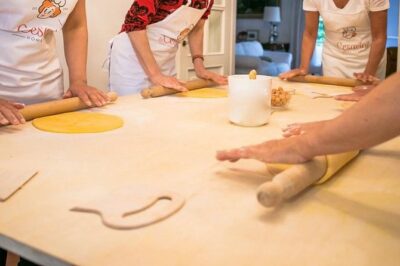
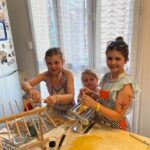
I like that you’re not just watching. You’ll learn methods for classic dough and sauces, then sit down to eat what you made—plus bread and a rice cake after the meal. And if you’re avoiding meat, there’s a real vegetarian adaptation, not an afterthought.
It’s also staged like an actual Italian evening at home. You’ll meet at a gray gate, ring the bell for Fiocchi, and step inside to meet Alessia Fiocchi and her cat POL, who gets to be the judge. It adds a warm, slightly silly touch that makes the whole thing feel personal.
In This Review
- Key Highlights You’ll Care About
- Inside a Bologna Pasta Class Where Wine Comes With Answers
- Meeting Alessia Fiocchi at the Gray Gate (And Why That Matters)
- What You’ll Cook: Emilian Appetizer, Choose-Your-First-Course Pasta, and Dessert
- Appetizer: Parmesan with Balsamic or Mortadella
- First Courses: Pick What You Want to Learn
- Dessert Choice: Trifle or Tiramisu
- Wine Pairing With a Certified Sommelier’s Game Plan
- Vegetarian Adaptations That Keep the Emilian Point
- The Meal After You Cook: Bread and Rice Cake (Plus Wine)
- Price and Value: Why $79 Can Make Sense Here
- Who This Class Fits Best (And Who Might Want a Different Plan)
- Practical Notes for Your Bologna Evening
- Should You Book This Bologna Pasta Cooking Class?
Key Highlights You’ll Care About
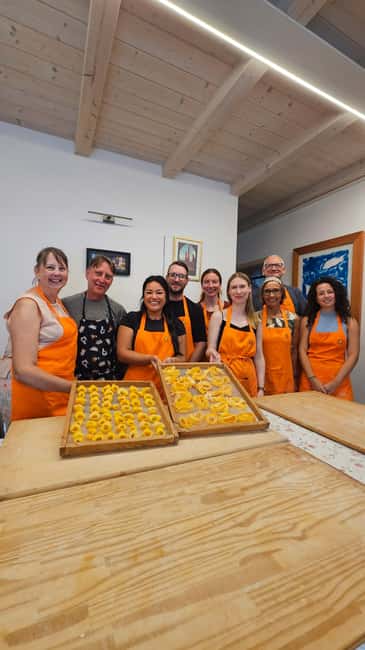
- You cook, then eat immediately: your labor turns into lunch/dinner right away
- Alessia Fiocchi’s sommelier approach: wine is explained in practical terms
- A choose-your-first-course menu: multiple Emilian options in one 3-hour session
- Vegetarian tailoring is built in: pasta and sauce can be adjusted for non-meat eaters
- Dessert choice: trifle or tiramisu, made in the moment
Inside a Bologna Pasta Class Where Wine Comes With Answers
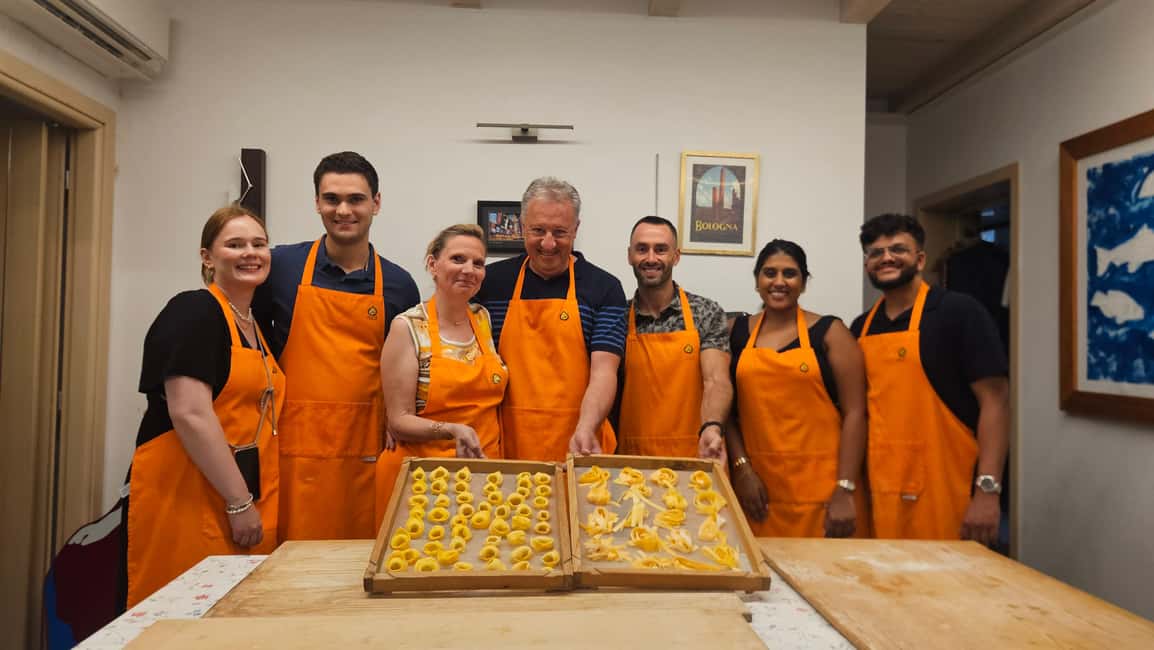
If you’ve ever tried to replicate Italian food at home and ended up with something… well, different, this is the fix. In three hours, you’re learning the logic behind Emilian cooking: the texture of pasta dough, the way sauce thickens, and how flavors balance. That means you’re not just copying a recipe—you’re learning what to look for while you cook.
What really makes this class work is the pairing of hands-on technique with wine knowledge. Alessia isn’t just opening bottles and hoping for the best. She explains how to taste wine, how pairing choices work with salty, fatty, and savory flavors, and what to listen for as you eat. You come away with a more confident palate.
And yes, you’ll smell everything while it’s happening: parmesan, balsamic, cooking meat sauce, warm broth dishes. Emilia-Romagna cooking has a way of filling the room fast, and it’s hard not to get carried away.
You can also read our reviews of more cooking classes in Bologna

Meeting Alessia Fiocchi at the Gray Gate (And Why That Matters)
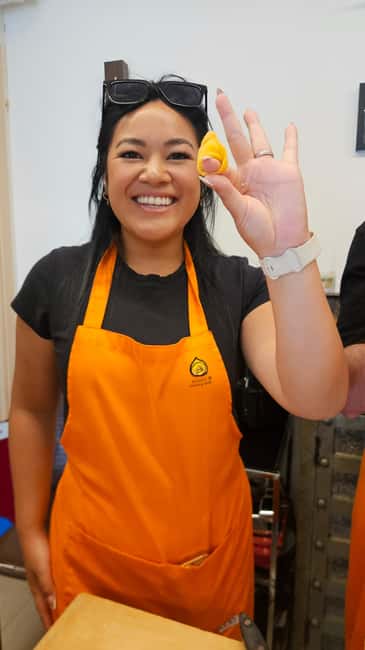
The meeting point is simple but specific: stand in front of a gray gate and ring the bell for Fiocchi. That detail matters in Bologna, where lanes can look similar and the best experiences often start at the most ordinary door.
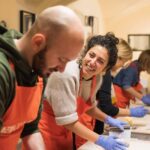
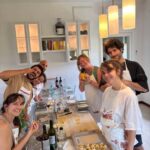
This is held in a local home setting, not a commercial studio. From a value standpoint, that changes the feel right away. You’re not shuffled through stations with fluorescent lighting; you’re cooking at a human pace, with time for questions and small course corrections.
There’s also a cat named POL involved in the evening’s fun. You don’t need to plan your schedule around the cat, but the presence sets the tone: this is hospitality with personality. It’s one of the small reasons people remember the class as more than just a cooking session.
What You’ll Cook: Emilian Appetizer, Choose-Your-First-Course Pasta, and Dessert
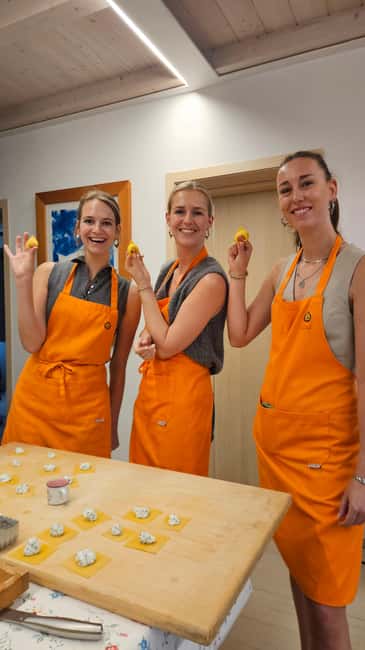
The class is built around a menu that stays rooted in Bologna and the wider Emilia-Romagna style. You’ll start with an appetizer, then move into one of several first courses, and finish with a dessert choice.
Appetizer: Parmesan with Balsamic or Mortadella
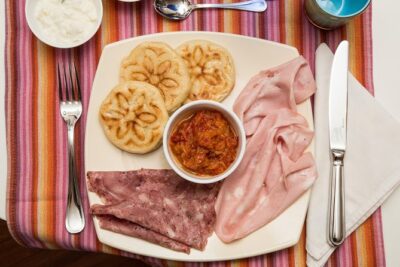
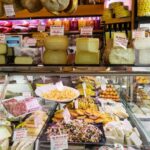
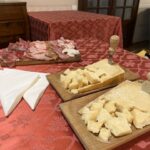
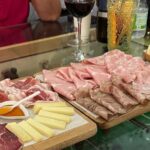
Your appetizer is parmesan with balsamic vinegar or mortadella. Either way, it’s a smart opening. Parmesan gives you that salty, nutty depth; balsamic adds brightness and tang. Mortadella brings its own soft richness, which helps you understand how fat and salt behave on the palate.
It’s also a useful warm-up for the rest of the meal. By the time the pasta and sauces arrive, your taste buds already understand the basic flavor map.
First Courses: Pick What You Want to Learn
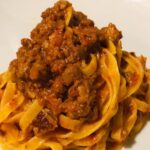
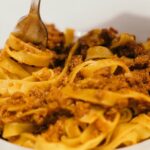
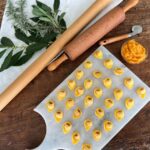
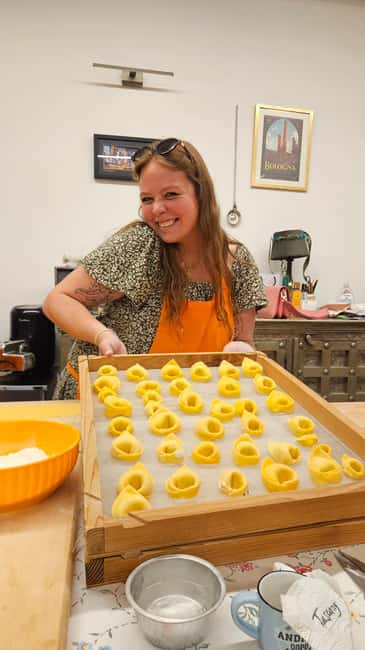
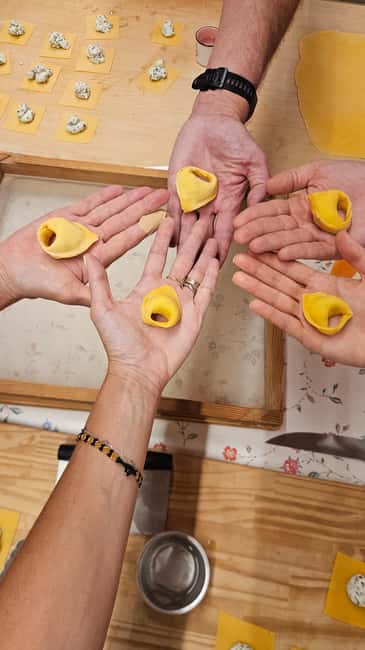
You choose the first course(s) you want from the menu. Options include classic Emilian shapes and formats like tagliatelle with meat sauce, tortellini in broth, lasagna alla bolognese, passatelli in broth, tortelloni with butter and sage, balanzoni, and farfalle with sauce.
Here’s how to think about these choices when you’re deciding:
- If you want the Bologna signature, go for tagliatelle with meat sauce or lasagna alla bolognese. You’ll learn how sauce clings and how it coats pasta.
- If you like lighter, “listen-to-the-broth” flavors, choose tortellini or passatelli in broth.
- If you prefer herbal warmth, tortelloni with butter and sage is a comfort classic that also teaches you timing.
Because the menu includes both stuffed pasta and broth dishes, you’ll likely leave with a clearer sense of how different Emilian styles use the same fundamentals: seasoning, texture, and how sauces hold.
You can also read our reviews of more wine tours in Bologna

Dessert Choice: Trifle or Tiramisu
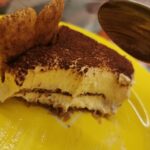
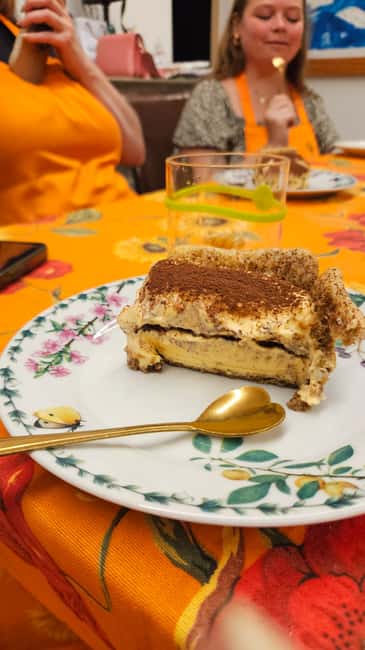
Dessert is your choice: trifle or tiramisu. Either one reinforces what you learned about balance—sweet, creamy, and flavored elements that aren’t just sugary, but structured.
Tiramisu in particular is a great capstone for a pasta class because it’s technical in its own way. You’ll learn how it should look and feel when it’s ready, not just how it tastes.
Wine Pairing With a Certified Sommelier’s Game Plan
Wine pairing can feel like a mystery when you’re on vacation. Here, it’s explained in a way that helps you remember it later.
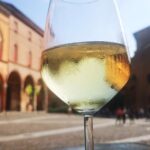
During the meal, you’ll taste wine alongside what you’re making and eating. Alessia, who is a certified sommelier and cook, explains pairings in a technical but usable way. That matters because Emilian food isn’t delicate. You’re eating savory, often fatty or salty dishes—meat sauce, parmesan, mortadella, and rich stuffed pasta options.
So the wine logic you’re learning is practical:
- How acidity cuts through richness
- How tannins and body interact with meat and cheese
- How to taste first, then match flavors
- Why the same wine can work better with one course than another
Even if you don’t plan to become a wine expert, this part is valuable. You’ll get a repeatable approach for pairing at home, not just a one-time recommendation.
Vegetarian Adaptations That Keep the Emilian Point
A big plus here is the option for vegetarian guests. The class allows for pasta and sauce suitable for vegetarian needs.
One caution: since the first course is chosen from a menu that includes meat-heavy classics (like tagliatelle with meat sauce and lasagna alla bolognese), your best move is to communicate your preferences early. You’ll get the vegetarian adaptation, but the more specific you are—no meat, no fish stock, or no gelatin—the easier it is for Alessia to tailor the menu.
What I like about this is that it doesn’t force you to eat “a version of something.” The goal is to keep the Emilian style intact while shifting ingredients.
The Meal After You Cook: Bread and Rice Cake (Plus Wine)
Once the cooking is done, the experience shifts into full dining mode. You’ll eat the dishes you created with the wine pairings already in play. This is where the lesson becomes real: you taste the outcome immediately and can connect flavor decisions to technique.
After the meal, homemade bread and rice cake are always offered. That matters because it changes the rhythm of the evening. You’re not rushed out after dessert, and the final bites help you reset your palate before you head back into Bologna.
In terms of value, this after-meal food is more than a nice touch. It reinforces the idea that this is not a short demonstration. It’s a full experience with enough food to feel satisfied, even if you’re cooking and tasting as you go.
Price and Value: Why $79 Can Make Sense Here
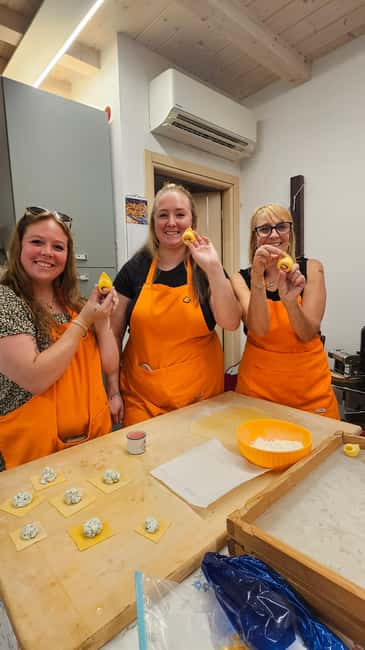
At $79 per person for about three hours, this isn’t “cheap,” but it also isn’t trying to be. You’re paying for several things that separate it from a typical meal:
- Ingredient-heavy cooking and tasting
- Wine included in the experience
- Instruction that’s both practical (how to cook) and analytical (how to pair)
- A chef certificate (a keepsake for one day)
- The materials provided for the session
If you’re comparing it to paying for dinner in Bologna, you should think about what you’re buying. A restaurant meal gives you food. This gives you food plus skills—methods for pasta dough and sauce behavior—and a wine framework you can actually use again.
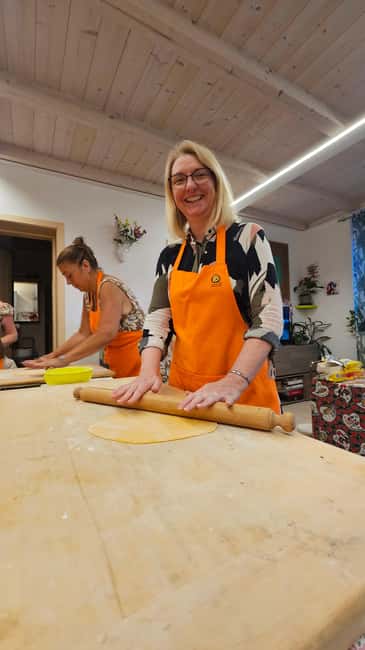
The other value angle is focus. This class is hosted by Alessia in a home setting, and the teaching style is hands-on with attention given to each participant. Even without a stated group-size limit, the atmosphere described is small and comfortable, which is exactly what makes technique instruction work.
Who This Class Fits Best (And Who Might Want a Different Plan)
This experience is ideal if you:
- Want a Bologna-based cooking lesson tied to Emilian dishes
- Enjoy learning food technique instead of only eating
- Care about wine pairings and want explanation, not guesswork
- Prefer a home setting over a formal cooking studio vibe
You might rethink it if:
- You’re the type who wants a fixed menu with zero choices. Since you choose first-course options and dessert options, you’ll have to make decisions.
- You’re looking for a fast, casual “watch and snack” format. This is hands-on, and the best results come when you participate.
If you’re traveling solo, as a couple, or with friends, the class works well because it’s interactive. If you’re bringing kids, it can also be a good fit since the pace is approachable and the end result is edible fun.
Practical Notes for Your Bologna Evening
Timing matters because the session is about three hours. Plan to keep your schedule clear enough that you don’t feel rushed eating, tasting, and asking questions.
What to bring is simple: a normal curiosity for Italian food and a willingness to get hands-on. Your host provides materials, and you’ll handle the cooking directly.
Also, plan for decisions. Your dessert choice is trifle or tiramisu, and your first course is chosen by you from the menu. If you’re vegetarian, be specific about what you avoid.
Finally, it helps to remember the location detail: gray gate, ring the bell for Fiocchi. Showing up close to the meeting time reduces stress and keeps the evening smooth.
Should You Book This Bologna Pasta Cooking Class?
I’d book it if you want a Bologna lesson that turns into dinner and actually teaches you something you can repeat. The combination of hands-on pasta-making, Emilian-focused recipes, and wine pairing explained by a certified sommelier makes the $79 price feel earned.
Skip it only if you strongly prefer a set, pre-determined meal with no choices, or if you’re searching for a purely observational experience.
If your goal is to leave with both recipes and a clearer sense of how Bologna cooking works, this is a solid, satisfying bet. And if you’re lucky, POL will be in a judging mood.