REVIEW · COOKING CLASSES
Felsina Culinaria – The Bolognese Cooking Class
Book on GetYourGuide →Operated by Felsinae Culinaria · Bookable on GetYourGuide
A hilltop kitchen turns dinner into a lesson. With Felsina Culinaria, I love how hands-on it is—kneading fresh dough and building the Bolognese ragù in a real home setup with big Po Valley views. I also like that it’s private, so Bianca and Antonio can steer you based on your pace. One thing to consider: depending on where you’re staying, getting there can add cost, since transport from Bologna is separate.
If you want the Bologna classics done properly, this is a smart way to learn. You’ll pick one included main (like tagliatelle al ragù, lasagne, or tortellini) and then actually make it—no watching-only pass for you. And because Bianca shares recipes the “family way,” you leave with practical habits you can repeat at home.
The possible drawback is scope. It’s a 3-hour private session focused on one main dish choice, so if you’re expecting a full multi-course menu with everything included, you’ll likely want to budget for add-ons like dessert or wine.
In This Review
- Key takeaways before you go
- Bolognese Cooking at Felsina Culinaria: Why This Class Feels Like the Real Deal
- Bianca’s Kitchen and the Po Valley Scenery You’ll Remember
- Your 3-Hour Flow: Kneading Dough, Building Ragù, and Eating What You Made
- 1) Pasta dough: the part you can’t rush
- 2) Making the pasta shape that fits the sauce
- 3) Ragù: simmering for texture and taste
- 4) The meal: soft drinks, then the real payoff
- Choosing Your Included Dish: Tagliatelle, Lasagne, Tortellini, and More
- Language Lesson and the Food-and-Story Connection
- Wine Pairing, Dessert, and Swimming Pool Time (Optional Add-Ons)
- Wine pairing
- Dessert
- Swimming pool access
- What’s included either way
- Price and Logistics: Is $157.47 Good Value?
- Who This Class Suits Best (and Who Might Pass)
- Should You Book Felsina Culinaria’s Bolognese Class?
- FAQ
- How long is the Bolognese cooking class?
- What dishes are included?
- Is wine pairing included in the price?
- Is dessert included?
- Do you pick up guests from Bologna?
- What languages are used during the class?
Key takeaways before you go
- Private, hands-on Bolognese cooking with guidance from Bianca (and extra help from Antonio)
- Fresh pasta skills like kneading and turning dough into shapes you can recreate later
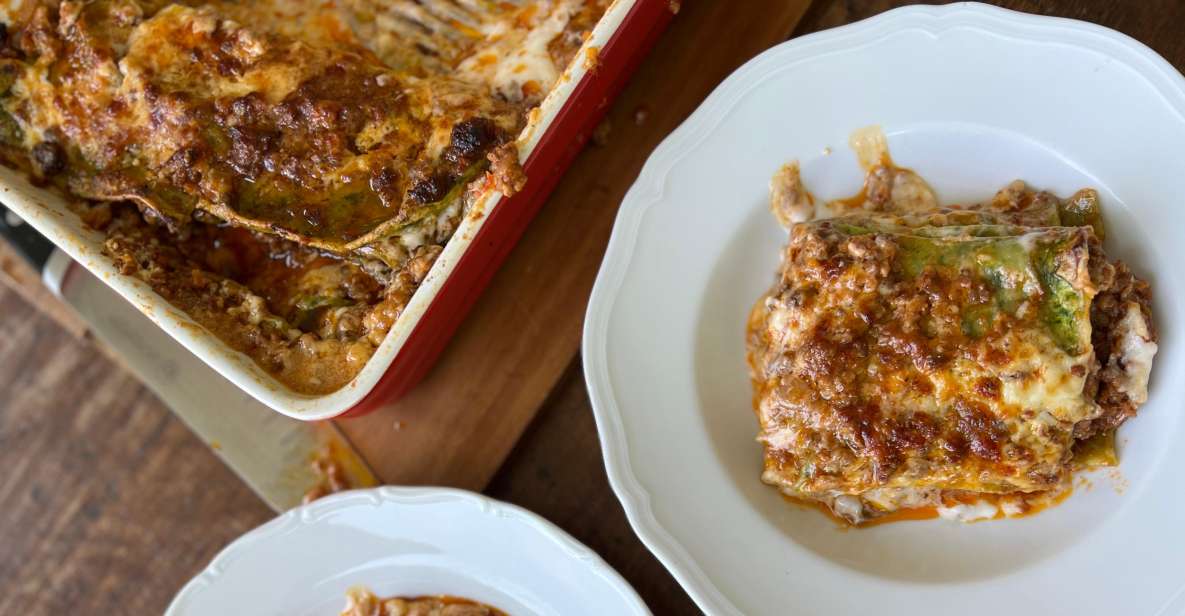
- Real ragù technique designed for classic tagliatelle and lasagne-style layering
- One included main dish from options like tagliatelle, lasagne, tortellini, and tortelloni variations
- Views built into the meal—rolling hills and Po Valley scenery while you cook and eat
- Optional pairings and extras (wine pairing, dessert, even swimming pool access)
Bolognese Cooking at Felsina Culinaria: Why This Class Feels Like the Real Deal
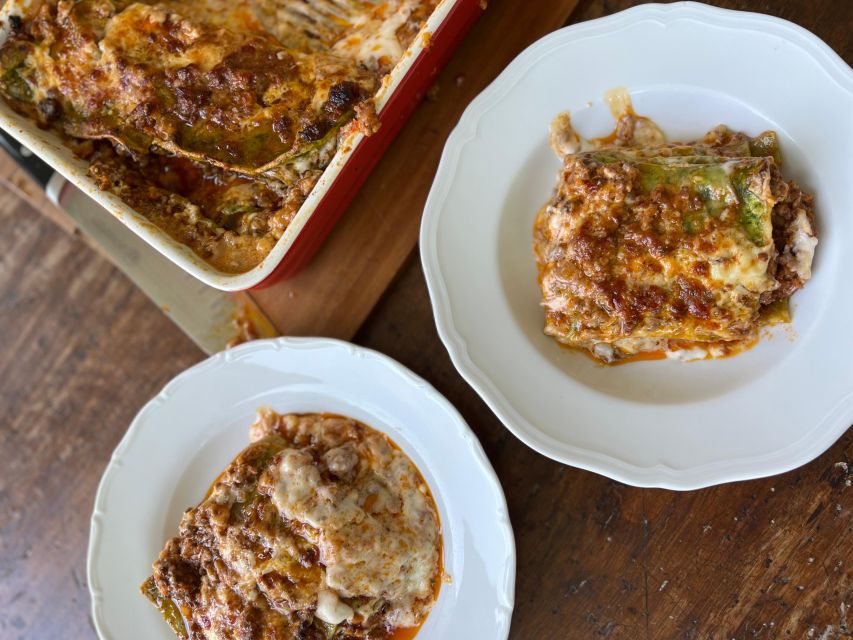
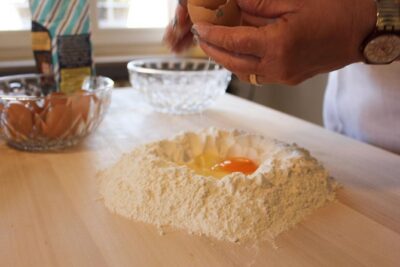
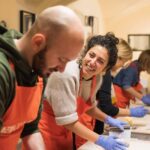
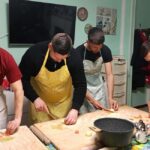
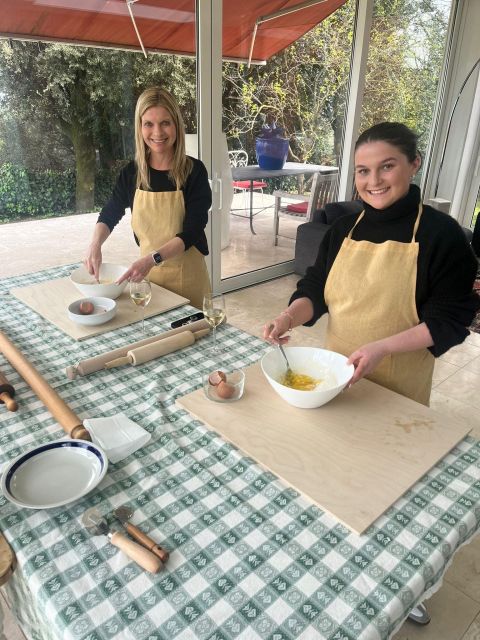
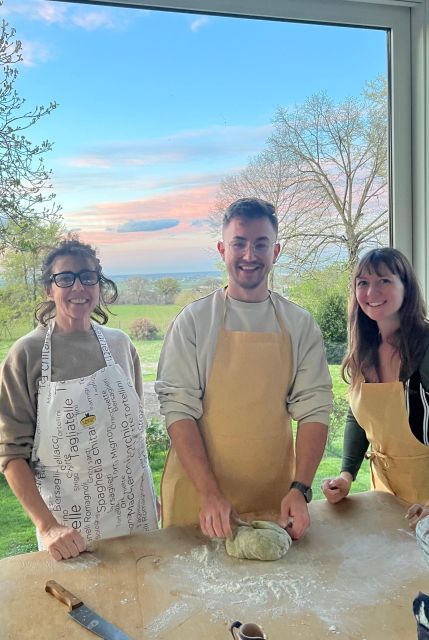
This isn’t a demo where you sit politely and pretend your hands are decorative. It’s a learn-by-doing Bolognese experience, built around the core moves: pasta dough, sauce technique, and turning ingredients into something that tastes like Bologna.
What makes it especially valuable is the “why” behind the steps. Bianca teaches with the mindset that these recipes were kept alive by repetition—knead, rest, roll, cut, simmer, and taste as you go. You’re not just collecting facts; you’re building muscle memory for Italian cooking.
And the class is intentionally personal. It’s a private group, so you’re less likely to get lost in a crowd. That matters when you’re learning dough consistency or figuring out the right rhythm for sauce.
You can also read our reviews of more cooking classes in Bologna

Bianca’s Kitchen and the Po Valley Scenery You’ll Remember
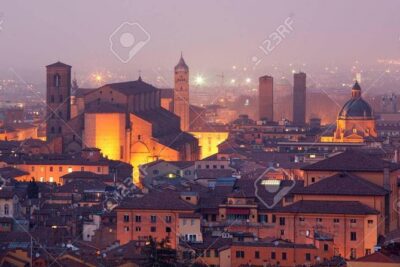
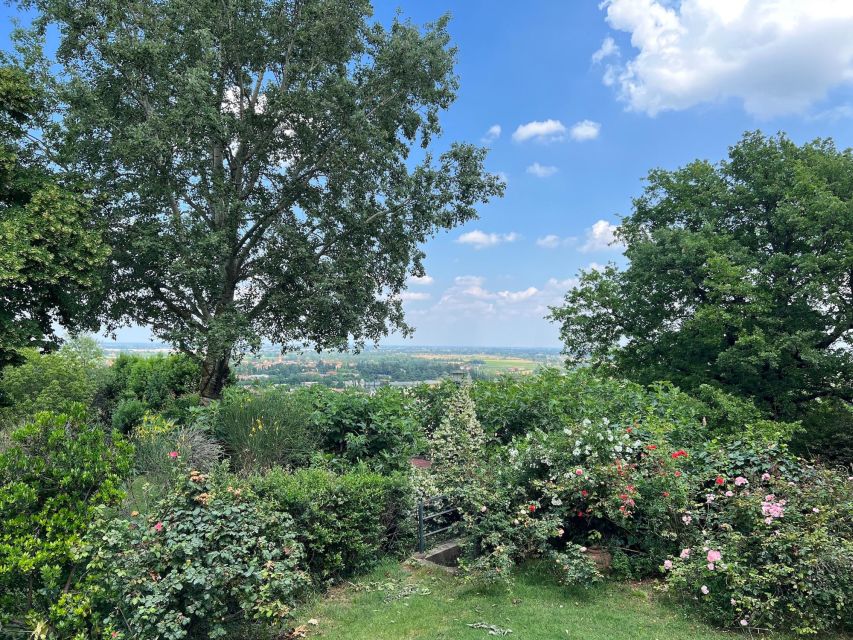
There’s a reason people talk about the setting. The cooking happens with a gorgeous view of the rolling hills and the Po valley, and that changes your whole pace. You cook slower, taste more often, and pay attention in a way you can’t fake in a tight, fluorescent studio.
Bianca’s vibe is warm and welcoming—she greets you like you’re stepping into her routine, not booking a service. The experience starts with soft drinks, and the mood stays relaxed, which is a big deal when you’re working with dough and sauce that need patience.
Antonio also plays a role, especially when you add wine. In that case, he helps with extra tips tied to what you’re eating. It turns the meal from just food into something you can connect to region, timing, and flavor balance.
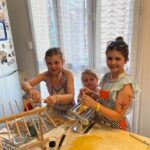
If you’re bringing kids, this is one of those rare activities that works. The structure is clear, the results are tangible, and you can recreate the food later—one of the reasons families say it sticks in memory.
Your 3-Hour Flow: Kneading Dough, Building Ragù, and Eating What You Made
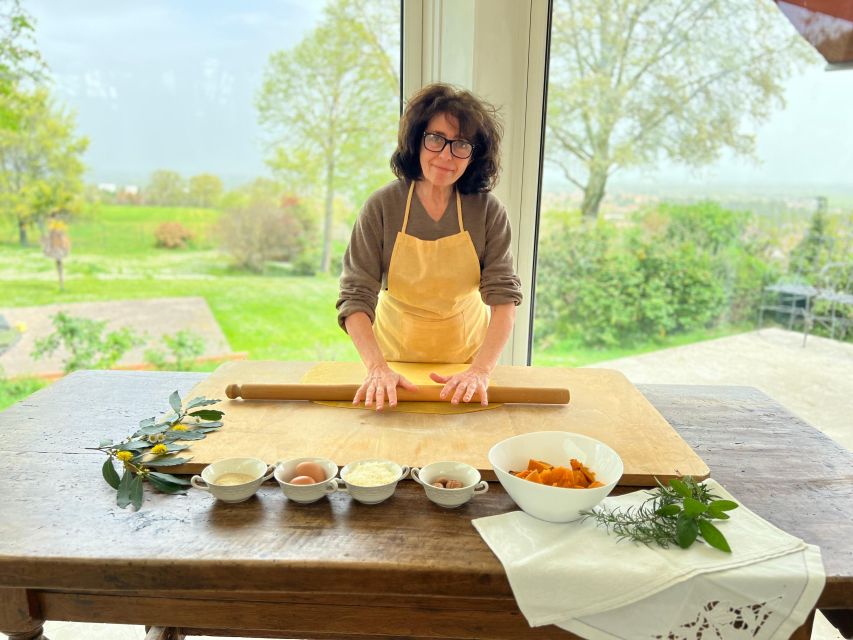
The class runs 3 hours, and it’s organized around a straightforward workflow: make the dough, create the pasta, cook the Bolognese-style sauce, then assemble and eat.
1) Pasta dough: the part you can’t rush
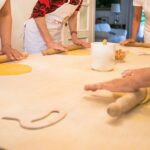
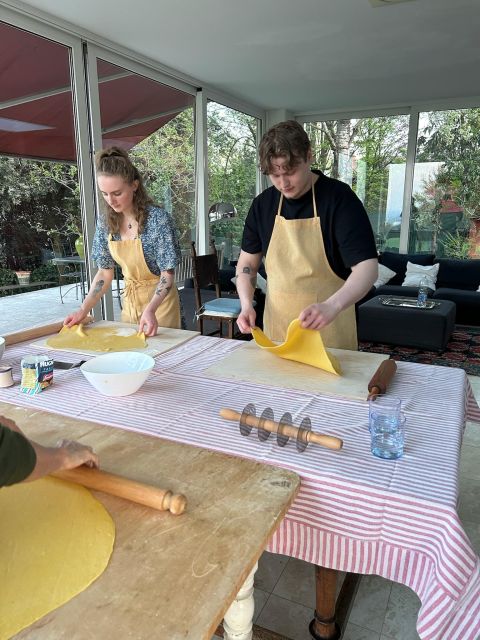
You’ll learn how to knead pasta dough properly. That means learning what the dough should feel like as you work it—smooth, elastic, and workable. Kneading isn’t just tradition; it’s the difference between pasta that’s pleasant and pasta that feels tough.
Even if you’ve made pasta before, you’ll probably pick up better habits here. You’re watching Bianca guide technique, and you get correction while your dough is still in your hands.
2) Making the pasta shape that fits the sauce
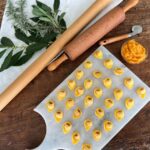
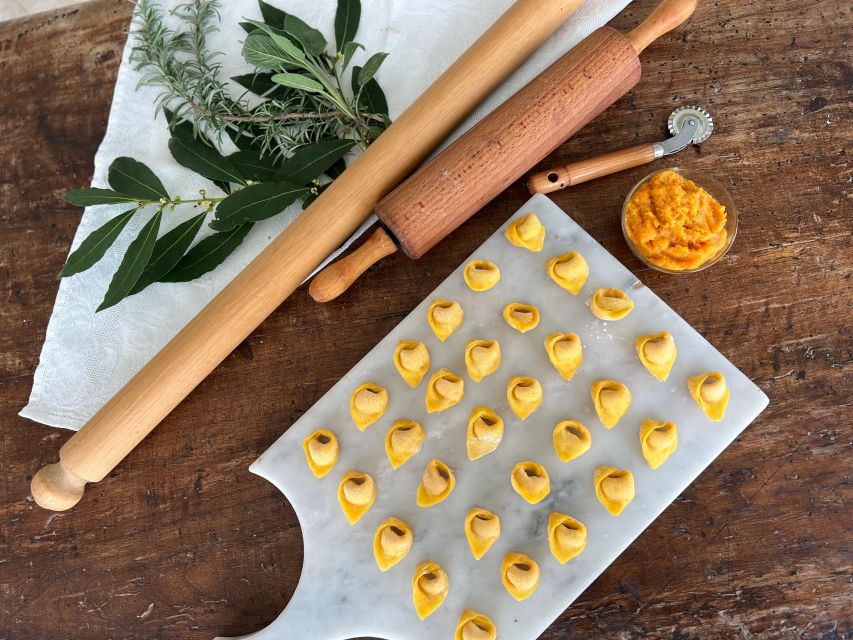
Bolognese cooking is all about pairing shape with sauce. If you make tagliatelle, you’re learning a pasta form designed to catch ragù. If your choice is lasagne, you’re thinking about layering and baking-ready thickness. For tortellini and tortelloni, you’re dealing with stuffing technique and sealing—details that change the final bite.
You can also read our reviews of more tours and experiences in Bologna
3) Ragù: simmering for texture and taste
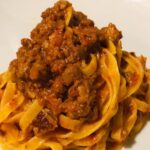
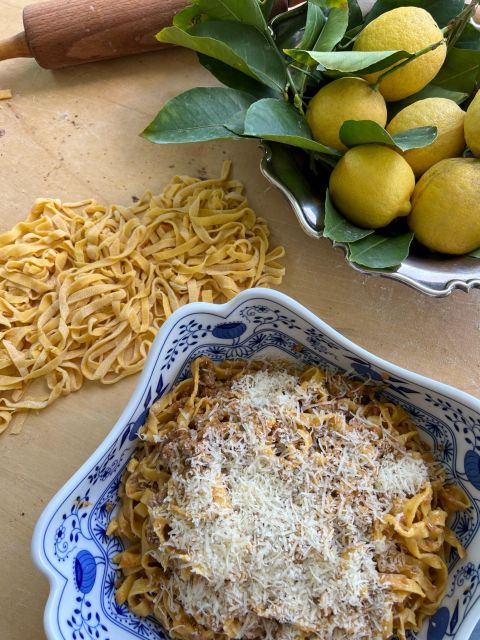
The ragù is where Bolognese cooking earns its reputation. You’ll make the sauce from raw ingredients and work through the process with an eye for consistency. The end goal is not just flavor—it’s the right thickness and cling, so the sauce coats pasta instead of sliding off.
A practical tip: the best results come from tasting during the process, not waiting until the end. Your hosts guide you through that rhythm so you learn what “done” feels like, not just what “done” looks like.
4) The meal: soft drinks, then the real payoff
Once your pasta and sauce are ready, you eat. Soft drinks are included, and you’ll sit down with what you just made. That “we did it” moment is the point of this kind of class—and it’s why returning home feels like you brought Bologna with you.
Choosing Your Included Dish: Tagliatelle, Lasagne, Tortellini, and More
Here’s how the included part works: you choose one main dish from a set list. That’s important for expectations and value. You’re not getting multiple mains included; you’re getting deep practice on one.
Included main options include:
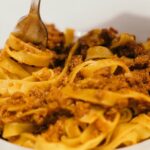
- Tagliatelle alla bolognese
- Lasagne
- Tortellini
- Pumpkin tortelloni
- Butter and sage tortelloni
- Balanzoni
- Crescentine
- Cotolette alla bolognese
- Latte in piedi
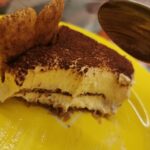
- Tiramisu
What this means for you:
- If you love classic comfort, tagliatelle al ragù is the most straightforward path to learning the Bologna signature.
- If you want a layered project, lasagne teaches structure and timing—how sauce and pasta stack, and what happens when you bake or assemble.
- If you like a challenge, tortellini and tortelloni options are more hands-on with shaping and stuffing.
- If you prefer regional specialties beyond meat-and-sauce pasta, options like cotolette alla bolognese or tortelloni flavors can be a fun pivot.
One practical drawback: since only one main is included, people sometimes regret not choosing their top favorite ahead of time. If you’re torn, think about what you want to cook again later. Tagliatelle and lasagne are often easier to repeat, while stuffed pasta can be a “weekend project” at home.
Language Lesson and the Food-and-Story Connection
You don’t just get cooking. There’s also an Italian language class included. The format isn’t described in detail, but the intent is clear: help you connect what you’re doing to the language around it—so you can ask better questions, read recipes more confidently, or order with more ease later.
This matters because Italian food is half technique and half communication. Even a few useful phrases can help you feel less lost when you’re back in shops, markets, or family-style restaurants.
Bianca’s teaching approach—rooted in recipes passed down through generations—adds another layer. When you hear why something is done a certain way, you stop cooking by rules and start cooking by understanding.
Wine Pairing, Dessert, and Swimming Pool Time (Optional Add-Ons)
A few extras can turn the class into a longer experience, but they cost extra.
Wine pairing
A wine pairing is available for €25 per person. If you choose it, you’ll likely get guidance tied to your meal choices, with Antonio involved for extra tips. This is the best route if you enjoy matching flavors and want that “why does this work” feeling while you eat.
Dessert
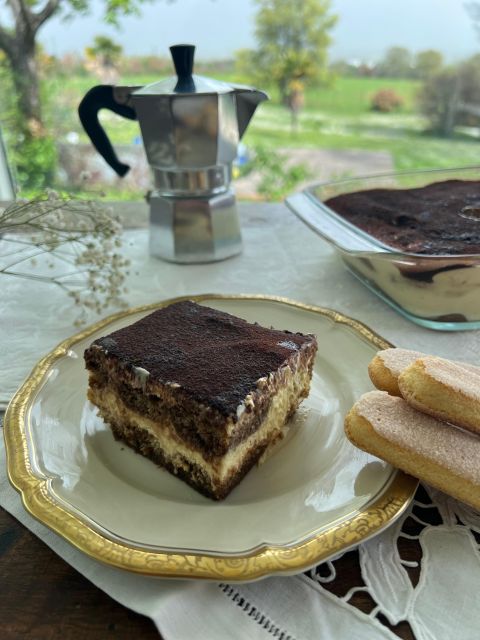
Dessert is €18 per person and is not included. If your main dish choice is savory and you want a full sweet finish, plan ahead and budget for it.
Swimming pool access
Swimming pool access costs €20 per person. If you’re traveling in warmer months or you want a slower rhythm after cooking, this can help you stretch the day beyond the kitchen.
What’s included either way
Regardless of add-ons, you get soft drinks and the included main dish, plus that language component. It’s a good baseline that doesn’t require spending more—if you want to keep it simple.
Price and Logistics: Is $157.47 Good Value?
The price is $157.47 per person for a 3-hour private cooking class. That’s not cheap in the casual sense, but for private, hands-on instruction in a home-style setting—plus the ingredients, meal, and language component—it can be a strong value.
Here’s what you’re buying:
- Personalized coaching (private group)
- Real practice with dough and ragù
- One full included main dish you eat
- Italian language class
- Views and a relaxed setting
- Soft drinks
Now, the logistics can change the total. Pickup is included, but pricing depends on where you’re starting:
- Pickup from Castel San Pietro Terme is free of charge.
- Pickup in Bologna and surrounding areas costs €120.
So my value call looks like this:
- If you’re already near Castel San Pietro Terme, you’re likely getting a clean deal.
- If you need the Bologna pickup, calculate the extra transport cost and compare it to other cooking classes you could join without private travel.
Also note: it’s wheelchair accessible, and the class is a private group, so it’s often easier to accommodate needs than larger group experiences.
Who This Class Suits Best (and Who Might Pass)
This is a good match if you want:
- Hands-on Bolognese cooking skills, not a quick tasting
- A private experience that moves at your pace
- A meal that you actually make, then eat right away
- A relaxed, welcoming atmosphere with hosts like Bianca and help from Antonio
- An activity that works for families—especially if kids enjoy hands-on tasks
You might want a different plan if:
- You’re expecting a multi-course menu where everything is included
- You’d rather cook multiple different dishes in one session (this class centers on one included main)
- You don’t want to pay for transport if you’re not near the pickup zone
Should You Book Felsina Culinaria’s Bolognese Class?
Book this if you care about technique and want the easiest path to cooking Bologna at home. The biggest wins are the fresh pasta practice, the real ragù process, and the way you eat what you made in front of those Po valley views.
I’d especially say yes if you’re the kind of traveler who remembers meals by learning the method, not by collecting photos. And if you’re traveling with kids, this is one of those rare food activities that can turn into a highlight.
If you’re price-sensitive, do the math on pickup and the add-ons. The class price gets you the main experience; wine (€25 pp) and dessert (€18 pp) are optional, and swimming pool access (€20 pp) is extra. If those extras matter to you, plan the budget early.
FAQ
How long is the Bolognese cooking class?
It lasts 3 hours. Starting times vary, so you’ll want to check availability when you book.
What dishes are included?
You’ll choose one included dish from the options listed, such as tagliatelle alla bolognese, lasagne, tortellini, or several tortelloni and regional specialties.
Is wine pairing included in the price?
No. Wine pairing costs €25 per person and is not included.
Is dessert included?
No. Dessert costs €18 per person and is not included.
Do you pick up guests from Bologna?
Pickup is included, but the cost depends on where you start. Pickup from Castel San Pietro Terme is free, while pickup in Bologna and surrounding areas costs €120.
What languages are used during the class?
The instructor supports English, French, and Italian, and there is also an Italian language class included.