REVIEW · COOKING CLASSES
Bologna: Pasta and Tiramisu Small Group Cooking Class with Wine
Book on Viator →Operated by The Roman Food Tour - Food Tour Rome · Bookable on Viator
Prosecco starts in the kitchen. This Bologna small-group class puts you behind the scenes of an authentic Italian restaurant, then has you making fresh pasta and tiramisu with step-by-step guidance.
I love that the instruction focuses on the real mechanics: dough, flour choice, and how fresh pasta differs from dried pasta. Another thing I like is the built-in reward: you sit down together to eat what you make with fine wine.
One key consideration: this is built around the traditional recipe, so it is not recommended for egg allergy, vegan diets, lactose intolerant guests, or gluten intolerant/allergic guests, and cross-contamination can’t be ruled out even with substitutes.
In This Review
- Why This Bologna Class Feels Like a Real Meal, Not a Demo
- What Makes This Experience Different (Quick Highlights)
- Arriving at Casa Altabella and Getting the Evening Rhythm Right
- The Restaurant Behind the Scenes Part You’ll Actually Use
- Mastering Fresh Pasta: Dough, Flour Choice, and Key Terms
- Shaping the Menu: Fettuccine and Ravioli-Style Learning
- Tiramù From Scratch: The Dessert Lesson That Makes It Memorable
- Lunch or Dinner Together: Wine Pairing That’s Part of the Meal
- Price and Value: What $71.38 Really Buys You
- Who This Class Suits Best (And Who Might Want a Different Option)
- Practical Tips to Get the Most Out of Your Pasta Workshop
- What the Best Versions of This Class Feel Like
- Should You Book This Bologna Pasta and Tiramisu Cooking Class?
- FAQ
- How long is the Bologna pasta and tiramisu cooking class?
- Where is the meeting point?
- What food is included?
- Is wine included?
- Is the class offered in English?
- What is the maximum group size?
- Is this class suitable for egg allergy?
- Is it suitable for vegans?
- Is it suitable for lactose intolerants?
- Can I get a full refund if I cancel?
Why This Bologna Class Feels Like a Real Meal, Not a Demo
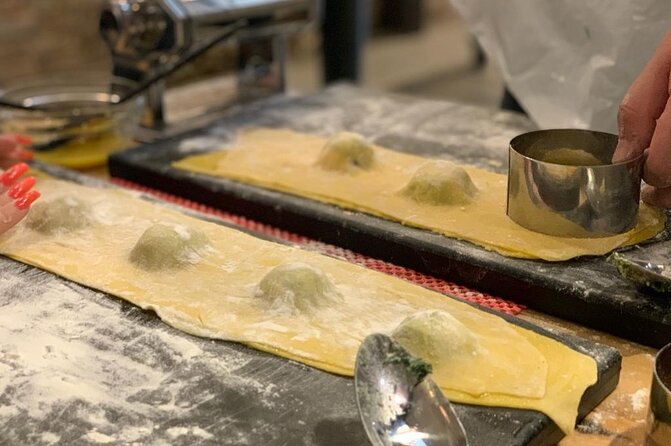
Bologna is for people who take pasta personally. In this class, you are not just watching a cook work. You are learning the process in a small group (max 12) and then getting to enjoy the results over lunch or dinner with wine.
What Makes This Experience Different (Quick Highlights)
- Prosecco welcome right at the start before you even touch the dough
- Fresh pasta coaching on dough, flour choice, and pasta fresca vs pasta secca
- Two big wins in 3 hours: fettuccine-style pasta and tiramisù from scratch
- A shared sit-down meal so cooking turns into eating, not just taking home notes
- Wine included with your meal plus non-alcoholic options
You can also read our reviews of more cooking classes in Bologna

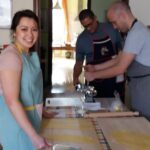
Arriving at Casa Altabella and Getting the Evening Rhythm Right
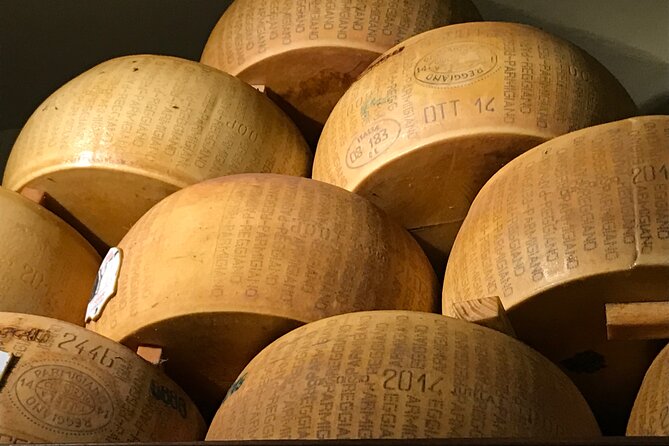
The class meets at Casa Altabella, Via Altabella 12a, Bologna. It runs about 3 hours, and it ends back at the same meeting point, so you do not have to build extra logistics into your evening plans.
The experience starts with a welcome glass of Prosecco, then moves quickly into the restaurant setup—how the place runs and how an authentic kitchen operates. That early “behind the scenes” moment matters because it sets expectations. You learn how the timing works in a real service environment, which makes the hands-on cooking feel less chaotic.
Also, the group size stays small (12 max). That usually means you get real attention at the workstation instead of being shuffled into the background.
The Restaurant Behind the Scenes Part You’ll Actually Use
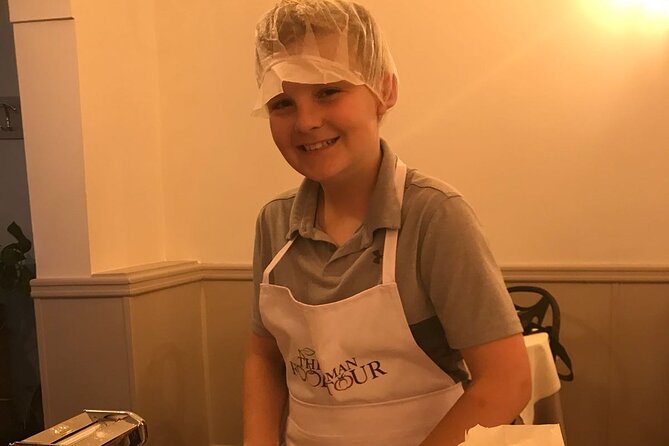
You get a look at how a proper Italian restaurant functions before you head into the kitchen. You see the flow: what happens first, how stations get organized, and how the kitchen keeps the pace steady while multiple dishes move at once.
This is more useful than it sounds. Pasta dough has a short window where things go right. If you try to rush it, it gets tough or sticky. If you wait too long, it dries out and becomes harder to shape. By seeing the kitchen rhythm early, you understand why the instructor keeps coaching you when they do.
It is also a nice reality check if you have ever tried homemade pasta once and wondered why it did not taste like the restaurant version. The answer is usually timing, texture, and a bit of technique—exactly what this class is set up to teach.
Mastering Fresh Pasta: Dough, Flour Choice, and Key Terms
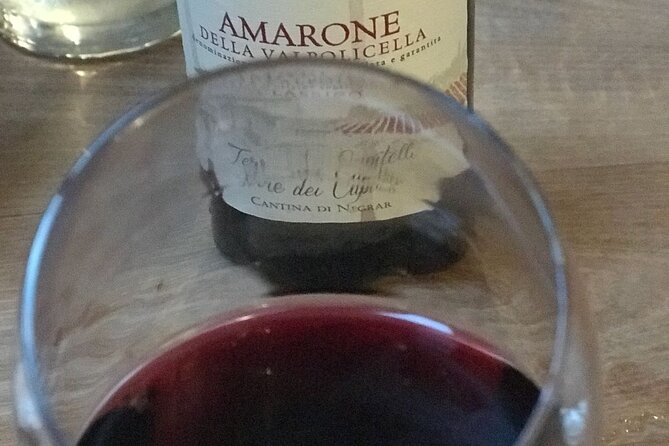
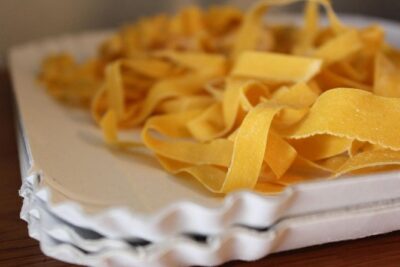
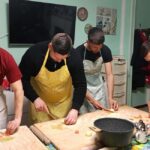
The heart of the class is learning how to make fresh pasta dough from scratch. You get step-by-step coaching, including what flour to use and how the dough should feel as you work.
Two concepts get emphasized because they affect everything:
- Pasta fresca vs pasta secca: fresh pasta behaves differently than dried pasta. It usually takes less time to cook and can be more delicate in shaping.
- Flour matters: the dough’s texture and elasticity change with flour type, which in turn changes how easy it is to roll and shape.
In plain terms, you are training your hands and your eyes at the same time. That is the big difference between a cooking class that tells you recipes and one that teaches you how pasta works. Once you understand these basics, your next attempt at homemade pasta feels far less like guessing.
Shaping the Menu: Fettuccine and Ravioli-Style Learning
Your class focuses on a classic Bologna pairing: pasta and sauce combinations, plus ravioli-style techniques.
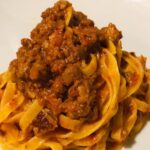
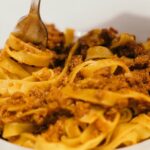
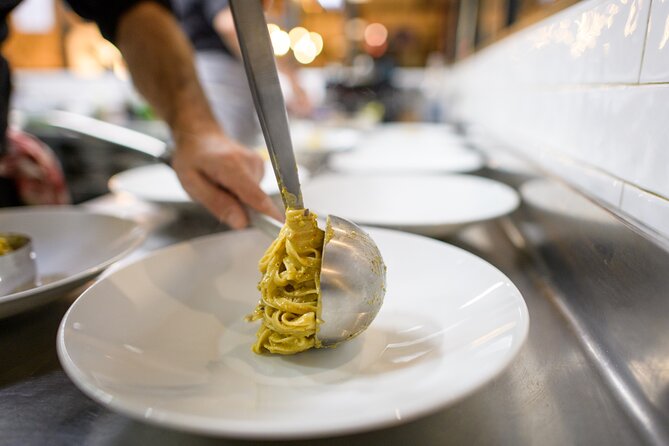
The menu you’ll work toward includes fresh pasta dishes such as fettuccine with tomato sauce, and ravioli made with ricotta and spinach, finished with butter and sage. You also have wine alongside the meal, and the sample menu notes prosecco as part of the drink options you may see during the experience, along with red and white wine and non-alcoholic beverages.
Why this matters for value: you are not stuck learning one tiny technique. You practice core skills that connect. Even if the exact final dish varies by what you prepare together, you leave knowing how to:
- build dough that behaves
- roll or form pasta without it going wrong
- pair pasta with the kind of sauces Bologna cooks rely on
And yes, you get to eat it afterward, which is how you confirm the results without needing to recreate every step at home immediately.
You can also read our reviews of more wine tours in Bologna

Tiramù From Scratch: The Dessert Lesson That Makes It Memorable
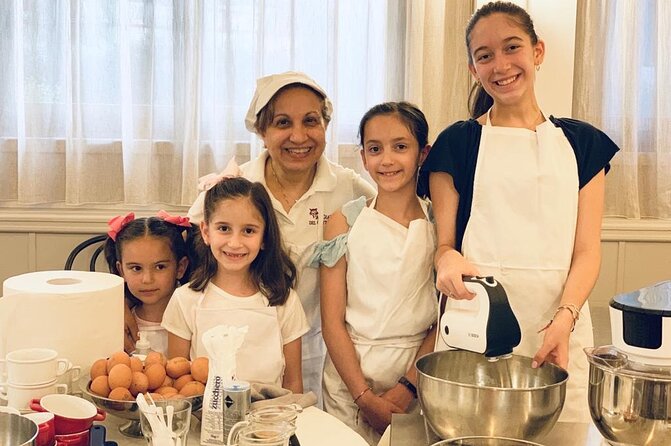
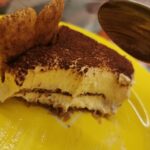
After pasta, the class turns to tiramisù. You get coaching for the process step by step, with the focus on making the dessert properly once you have ingredients and timing in place.
Tiramisù is not hard in theory, but it is easy to mess up when you rush. The key is consistency: getting the right texture and assembling so it holds up when served. Having instruction here helps you avoid the two common outcomes—either too watery or too firm.
What I like about this part is that it gives you a crowd-pleaser you can actually replicate. Pasta skills can be fiddly at first, depending on your tools. Tiramisu is often the dish people make immediately after a trip because the payoff is huge and the instructions are easier to follow at home.
Lunch or Dinner Together: Wine Pairing That’s Part of the Meal
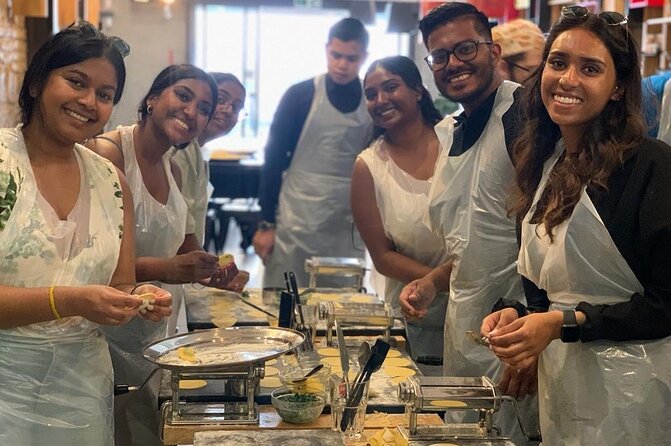
After cooking, you sit down together for lunch or dinner while sipping wine that pairs with your meal. The class includes lunch featuring fresh pasta and tiramisu, plus fine wine.
This is a real perk. A lot of food experiences end with you leaving still hungry. Here, your work turns into a shared meal in the same session, which feels like the most Italian part of the day: slow down, eat together, and let the food do the talking.
The wine setup is also part of the ambiance. One welcome Prosecco sets the tone, and then wine is included with the meal. Non-alcoholic beverages are also available, which matters if you have drivers or just want a lighter evening.
Price and Value: What $71.38 Really Buys You
At $71.38 per person for about 3 hours, you are paying for more than a recipe card. You are paying for:
- hands-on instruction with a small group
- ingredients used during class
- the meal you eat afterward (fresh pasta plus tiramisù)
- fine wine included with that meal
- a structured experience that saves you the trial and error at home
If you break it down, the cost makes more sense when you compare it to trying to buy all ingredients, learn techniques without coaching, and still end up with a meal you can serve confidently. The class is basically a workshop plus dinner, set in a real restaurant environment.
One thing to keep in mind: the experience is traditional by design. If you need swaps due to dietary needs, substitutes may be offered, but the instruction still follows the traditional recipe, and they cannot guarantee 100% freedom from cross contamination.
Who This Class Suits Best (And Who Might Want a Different Option)
This works really well if you want a fun Bologna break that is hands-on, social, and practical. It’s also a good fit if you enjoy learning technique, not just taste-testing.
It is especially good for:
- couples and friend groups who like cooking together
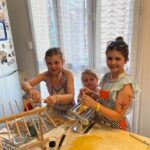
- families looking for a structured activity with a shared meal
- people who want to come home with skills they can repeat
But it is not a good fit if you are:
- avoiding eggs, lactose, gluten
- following a vegan diet
- highly sensitive to cross contamination risk
Even with substitutes, the class still uses the traditional recipe base ingredients and cannot promise full separation.
Practical Tips to Get the Most Out of Your Pasta Workshop
A few small choices make a big difference in a kitchen class like this.
Wear clothes you are comfortable potentially getting a little messy. Even when the class is well run, pasta is flour-and-dough work. Some guests have asked for aprons and better handwashing setup, so it is smart to be prepared anyway.
Arrive with time to settle in. The class starts at Casa Altabella and runs on a clear schedule. When everything is on time, you flow from Prosecco welcome into cooking. On at least a couple of experiences, timing and drink service have not met expectations, so being early helps you avoid feeling rushed.
Go in ready to taste as you go. You will learn faster if you pay attention to texture and flavor cues, not just the final dish.
What the Best Versions of This Class Feel Like
The most consistently praised parts of the experience are the instructor energy and the quality of the food you make. Names showing up again and again in the feedback include Luca, Steven, Pete, Chef Peter, Al, Aladdin, Neha, and Maria, and the common thread is hands-on teaching and a fun, friendly tone.
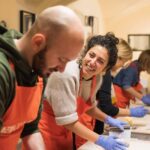
When it goes well, you feel like you are working with a coach, not a lecturer. You get real support while you make pasta dough and build tiramisù, and then you enjoy the finished dishes together with wine.
Should You Book This Bologna Pasta and Tiramisu Cooking Class?
I’d book it if you want a straightforward, high-reward food experience: learn fresh pasta technique, make tiramisù, then eat it with wine in a small group setting in Bologna.
Skip it (or choose something different) if dietary restrictions are a dealbreaker for you. The class is traditional, substitutes may not eliminate cross contamination risk, and it is explicitly not recommended for egg allergy, vegan diets, lactose intolerants, or gluten intolerant/allergic guests.
If you are flexible, this is one of those Bologna activities where the “souvenir” is not a photo. It’s the skill—and the memory—of making dinner from scratch.
FAQ
How long is the Bologna pasta and tiramisu cooking class?
The class lasts about 3 hours.
Where is the meeting point?
The meeting point is Casa Altabella, Via Altabella, 12a, 40126 Bologna BO, Italy.
What food is included?
Lunch is included and it includes fresh pasta and tiramisu.
Is wine included?
Yes. The experience includes fine wine, and you also get a welcome glass of Prosecco.
Is the class offered in English?
Yes, it is offered in English.
What is the maximum group size?
The group size is capped at 12 travelers.
Is this class suitable for egg allergy?
No. It is not recommended for people with egg allergy.
Is it suitable for vegans?
No. It is not recommended for vegans.
Is it suitable for lactose intolerants?
No. It is not recommended for lactose intolerants.
Can I get a full refund if I cancel?
Yes. Free cancellation is available. You can cancel up to 24 hours in advance for a full refund, and changes made less than 24 hours before the start time are not accepted for a refund.