REVIEW · PASTA
Bolognese Pasta Class in Bologna with a Local Expert, Giovanna C
Book on Viator →Operated by Traveling Spoon · Bookable on Viator
Bologna tastes better at someone’s home. I love the one-to-one tuition and the chance to learn classic Bolognese pasta techniques with Giovanna C, not just follow steps in a big room. The one drawback to consider: it’s held in a home that doesn’t have air conditioning, so timing and weather matter.
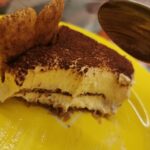
You’ll move through a full Bolognese meal, from a first snack like crescentine or tigelle to pasta such as tagliatelle al ragù, lasagne, or Gramigna, and then a seasonal dessert. Expect to toast your work with 1–2 glasses of Pignoletto dei colli bolognesi or Lambrusco while you sit down to eat.
In This Review
- Key things that make this class feel special
- A home-kitchen lesson with Giovanna C
- What you’ll cook: ragù pasta, lasagne, or Gramigna
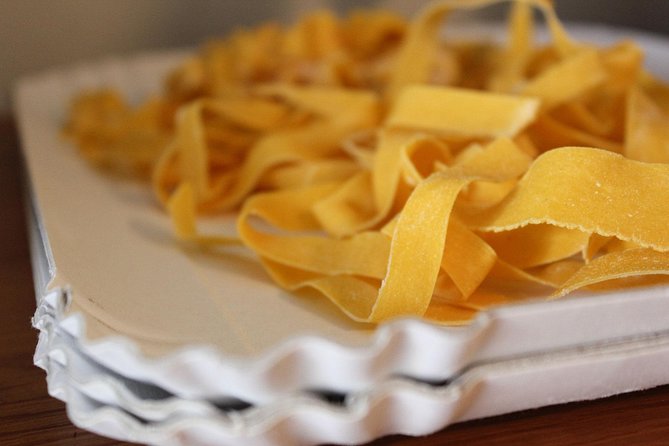
- Pasta options you might make
- The “two-to-three recipes” promise
- The sauce and pasta skills that transfer to your next dinner
- From crescentine or tigelle to a proper Bolognese table
- Wine with lunch, not just a nod to it
- The pacing: how 3 hours usually feels in practice
- Price and value: what $98 gets you in Bologna
- Meeting point and logistics that matter (Via San Mamolo)
- Air conditioning note: how to dress and plan
- Who should book this Bolognese pasta class?
- Should you book Giovanna C’s Bolognese pasta class?
- FAQ
- How long is the Bolognese pasta class in Bologna?
- Where does the class meet and end?
- What does the price include?
- Does the class include alcohol?
- What recipes will we learn?
- Is this class private or shared?
- Is there air conditioning in the home?
- How do confirmations and cancellations work?
Key things that make this class feel special
- Private instruction in Giovanna C’s home kitchen (with only your group participating)
- Hands-on teaching for 2–3 traditional family recipes, tied to what’s seasonal
- The Bolognese core: pork-based ragù and egg pasta techniques you can actually repeat
- A meal that goes beyond pasta, with a Bolognese starter, a side or dessert, and wine
- Family-style hospitality, including stories and food background that help the recipes make sense
- No commercial-kitchen vibe, since you’re cooking where a local family eats
A home-kitchen lesson with Giovanna C
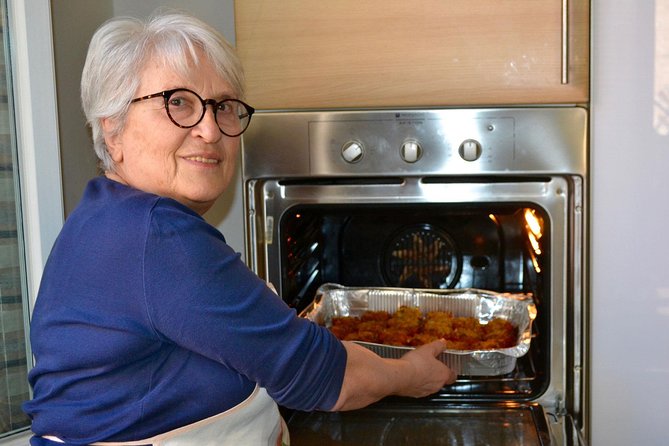
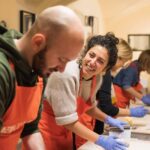
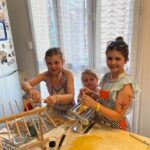
This isn’t the usual “watch, chop, and hope” cooking class. The whole point here is that you’re in a real home, with Giovanna C teaching you directly. That changes the tone fast: questions feel welcome, pacing stays comfortable, and you’re more likely to leave knowing why each step matters.
From the details, it’s designed around true Bolognese cooking: pork meat, egg pasta, and the slower, layered approach to sauces—especially ragù. The instruction isn’t only about finishing a dish; it’s about understanding the structure so you can rebuild it later.
One practical note I’d plan for: many Italian homes don’t have air conditioning. If you’re booking in warm months, dress for indoor heat and expect the kitchen to feel like a kitchen—active, warm, and busy during cooking.
You can also read our reviews of more tours and experiences in Bologna

What you’ll cook: ragù pasta, lasagne, or Gramigna
You’ll learn to make 2–3 traditional Italian family recipes, typically including pasta plus a sauce, and then either a side dish or dessert. The exact menu can shift with the season, but the Bolognese “core” stays consistent.
Pasta options you might make
You’ll likely cook one of these familiar Bologna favorites:
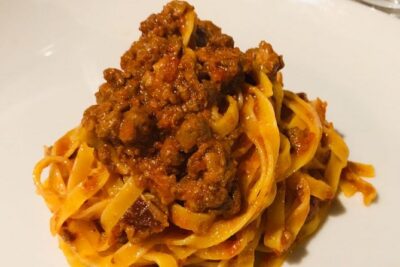
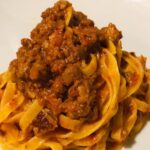
- Tagliatelle al ragù: the classic egg pasta with a pork-based ragù sauce
- Lasagne: layered pasta with sauce and the comforting Bolognese structure
- Gramigna with salsiccia: a less common local shape, served with Bolognese-style sausage made in the countryside around Bologna
Even if you’ve eaten ragù before, you might be surprised by how much technique matters. In Bolognese cooking, timing and texture are everything—especially when you’re working with pork and building a sauce that coats pasta instead of just sitting on top.
The “two-to-three recipes” promise
This class stays focused: you’re not drowning in a long list of dishes. Because you’ll do only a few recipes, you can expect more coaching at each step—like getting pasta consistency right, adjusting sauce thickness, or learning when to stop cooking and let the flavors settle.
The sauce and pasta skills that transfer to your next dinner
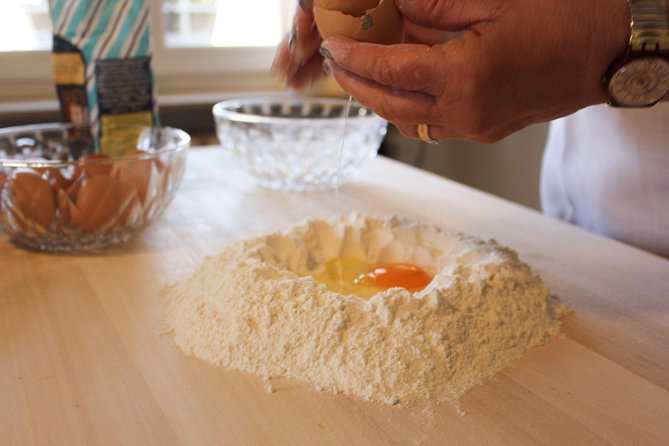
A big reason people rate this experience so highly is that the teaching style seems to work. The food comes out well, instructions are clear, and the class doesn’t feel rushed. I like that it’s built around repeatable skills rather than just one-off results.
Here’s what you should pay attention to while you cook:
- Pork-based flavor building: you’re learning how the ragù develops rather than just combining ingredients
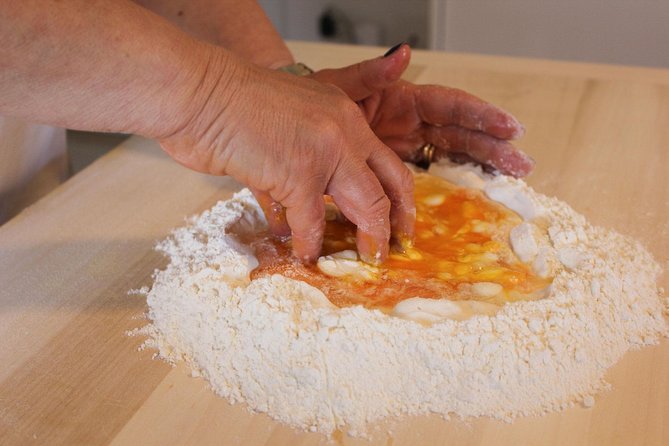
- Egg pasta handling: getting comfortable with texture and shape so it cooks the way you expect
- Sauce-pasta relationship: understanding how to pair your pasta with a sauce that clings
Also, if you care about the “why,” you’ll likely get more than just recipe steps. Giovanna is described as teaching the history and context tied to the food and Bologna itself. That kind of background helps you remember techniques because the recipe feels like part of a place, not just a formula.
From crescentine or tigelle to a proper Bolognese table
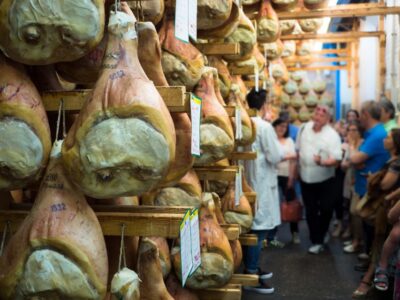
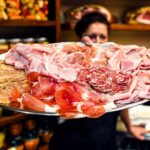
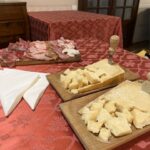
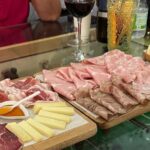
Before the main pasta, the meal typically starts with a traditional Bolognese snack. Depending on what’s in season, that can include crescentine or tigelle, often served with salumi, cheese, or alongside oven-roasted pomodori (tomatoes) when they’re at their best.
This matters for your learning experience. Eating a starter that’s tied to the same local flavors you’re cooking with helps you taste what you’re aiming for before you commit time and effort to the pasta course.
Then comes the main event: your Bolognese pasta and a seasonal side dish. The class is structured so you cook and then eat—there’s time to sit down at the dining table and actually enjoy what you made, instead of shuffling out with a bag of leftovers.
Wine with lunch, not just a nod to it
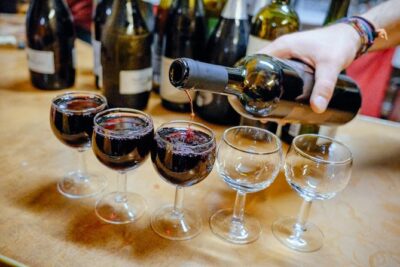
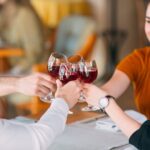
Alcohol is included: local wine with 1–2 glasses. The class notes point to Pignoletto dei colli bolognesi or Lambrusco, which are both made for Italian meals that don’t sit politely in a food court. This is a nice touch because it turns the meal into a real shared occasion, not a “class performance” you watch from the side.
The pacing: how 3 hours usually feels in practice
The class runs about 3 hours. That’s long enough to cook with real attention, but short enough that you’re not stuck in the kitchen for the entire day.
A reasonable way to think about the flow:
- Start at the meeting point and transition into Giovanna’s kitchen environment
- Cook your pasta and sauce, with direct help as you go
- Make a side dish or dessert, still with hands-on guidance
- Sit down together to eat your meal, with included wine
Because it’s private for your group, the timing can feel more natural. You’re not fighting for space at a counter or waiting for others to catch up.
Price and value: what $98 gets you in Bologna
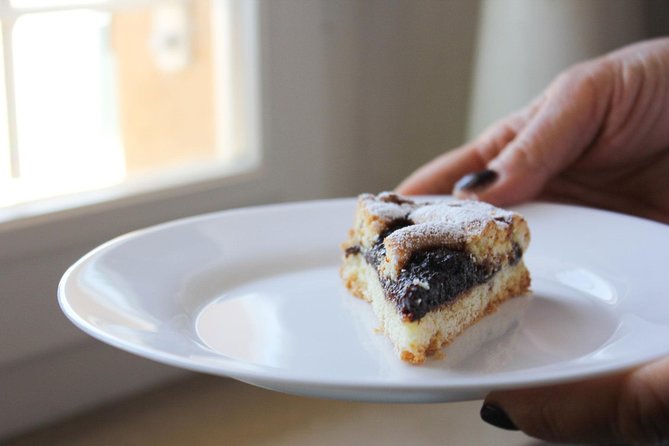
At $98 per person for about 3 hours, the value comes from what’s included:
- a private cooking lesson with your host Giovanna C
- instruction for 2–3 traditional family recipes
- the meal you make
- local wine (1–2 glasses)
- all fees and taxes
To me, this pricing makes sense if you’ll actually use what you learn. If you leave with technique you can repeat—especially for ragù and egg pasta—this is cheaper than buying a stack of specialty ingredients and taking a separate class later that still feels impersonal.
Also, this is held in a home, which usually means less overhead than commercial spaces. You’re paying for the host’s time and teaching skill, not for a showroom kitchen.
One more pricing-related detail: the experience lists group discounts as a feature. If you’re traveling with friends or family, it’s worth checking how pricing changes based on group size.
Meeting point and logistics that matter (Via San Mamolo)
You’ll meet at Via San Mamolo, 40136 Bologna. There’s no hotel pickup or drop-off, so you’ll want to plan your route like you would for any neighborhood appointment.
Good news: it’s noted as near public transportation, which usually makes Bologna logistics easier than in cities where everything is spread out. Still, give yourself a little buffer on arrival time, since you’ll be entering a residential area and shifting from streets to kitchen mode.
Also, the end point returns you back to the meeting point, which keeps it simple. After lunch, you can head directly to exploring—without trying to line up another transfer.
Air conditioning note: how to dress and plan
Since there’s no air conditioning, treat the home kitchen like a working Italian kitchen, not a climate-controlled studio. If you tend to overheat easily, dress in layers you can adjust. If you’re visiting in summer, consider choosing the cooler part of the day and bringing water.
This is one of the only true “watch-outs” in the details, and it’s important because comfort affects your ability to learn. When you’re comfortable, you pay attention to texture, timing, and instructions instead of thinking about how warm everything feels.
Who should book this Bolognese pasta class?
This class fits you best if you want:
- real technique for Bolognese pasta (not just watching)
- a more personal experience than a group kitchen setup
- a meal that turns into an actual sit-down lunch with wine
- local stories tied to food and Bologna traditions
It’s especially good for couples and small groups because “private tour/activity” means your group gets the attention and pacing. If you love cooking, it’s also a solid choice even if you’re not a beginner, because the lesson is built around guided steps and a manageable number of dishes.
Should you book Giovanna C’s Bolognese pasta class?
I’d book this if you want Bologna food at human scale. The strongest reasons are practical: one-to-one style teaching, a menu that stays focused on Bolognese fundamentals, and a meal that lets you enjoy what you cooked right away with local wine.
I would think twice only if you’re sensitive to indoor heat or you prefer strictly commercial kitchens. Otherwise, this is one of the easiest ways to turn Bologna from a sightseeing list into something you can carry home: the ability to make a proper Bolognese ragù-style pasta meal that tastes like it belongs to the city.
FAQ
How long is the Bolognese pasta class in Bologna?
It’s listed at about 3 hours.
Where does the class meet and end?
The meeting point is Via San Mamolo, 40136 Bologna, Italy, and the activity ends back at the same meeting point.
What does the price include?
The price includes the private cooking class and meal, local wine (1–2 glasses), and all fees and taxes.
Does the class include alcohol?
Yes. Local wine is included, and you’ll have 1–2 glasses.
What recipes will we learn?
You’ll learn 2–3 traditional Italian family recipes, including a Bolognese pasta (such as tagliatelle al ragù, lasagne, or Gramigna) plus a sauce and a side dish or dessert, depending on the menu and season.
Is this class private or shared?
It’s private for your group. Only your group participates.
Is there air conditioning in the home?
No. The residence does not have air conditioning, which is common in Italian homes.
How do confirmations and cancellations work?
You receive confirmation within 48 hours of booking (subject to availability). Free cancellation is available up to 24 hours before the experience start time for a full refund.