REVIEW · COOKING CLASSES
Cesarine: Small group Pasta and Tiramisu class in Bologna
Book on Viator →Operated by Cesarine: Cooking Class · Bookable on Viator
Fresh pasta in a real home kitchen.
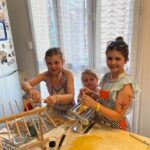
That is the pull here: you cook two pasta dishes and tiramisù with a Cesarine (a local home cook) in Bologna, with a relaxed group size of up to 12. I especially like the start—Prosecco and nibbles to break the ice—then the pacing stays practical, not rushed. One possible drawback: if you’re hoping for a lot of dish history and context, you might find the evening leans more toward technique and cooking than deep background.
A key advantage is the home setting. You’re not learning on a stage; you’re learning where locals actually cook, often with conversation and stories from the people teaching you—hosts you may meet like Maurizio, Federica, Christina, or Roberta. Second, the instruction seems to focus on what matters: how dough should feel, how to handle ingredients, and how to pull off dessert you’ll actually want to repeat. The main consideration is language and planning around it; while English is offered, there can be variation depending on the host, and one class needed an interpreter.
Small-group, hands-on pasta + tiramisù in Bologna homes
Learn from a Cesarine in her own kitchen, not a classroom
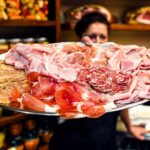
Kick things off with Prosecco and nibbles
Up to 12 people for a more relaxed pace
English offered; you might still hear Italian from the host
Sanitary steps are built in, including 1-meter distancing guidance
In This Review
- Bologna Home Cooking: Why This Cesarine Class Feels Like a Real Meal With Friends
- The 3-Hour Flow: From Prosecco Nibbles to Pasta Dough to Tiramisu
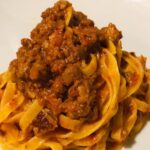
- What You’ll Cook: Two Pastas and the Classic Tiramisu
- Fresh pasta, not just assembly
- Tiramisu: dessert you can reproduce
- You’ll leave with know-how, not just recipes
- Your Cesarine Host: The Real Secret Sauce Is the Person Teaching You
- Practical Matters: Language, Group Size, and Being Comfortable in Someone’s Home
- Group size: small enough for real instruction
- English is offered, with some variation
- Sanitation rules are taken seriously
- You might be asked about footwear
- Public transport is nearby
- Price and Value: Why $163.33 Can Make Sense for a 3-Hour Skill Session
- Tips to Get the Most From Your Bologna Pasta and Tiramisu Night
- Should You Book This Bologna Cooking Class?
- FAQ
- How long is the pasta and tiramisù class?
- Where does the class take place?
- What do we cook during the class?
- Is the class offered in English?
- What is the group size limit?
- What’s included at the start of the class?
- Is there a mobile ticket?
- Are sanitary rules followed during the class?
- What is the cancellation policy?
- Can the class be canceled due to low demand?
Bologna Home Cooking: Why This Cesarine Class Feels Like a Real Meal With Friends
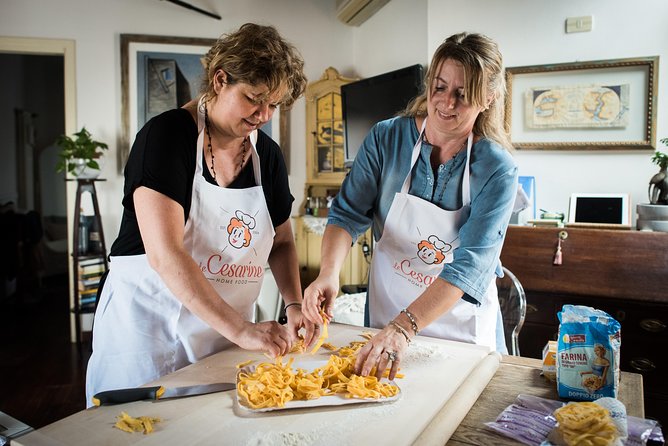
Bologna is famous for good food, but the city can still feel like a restaurant crawl if you only eat and move on. This class slows you down in the best way: you cook in someone’s home kitchen and learn the rhythm of local cooking instead of just the end result.
The Cesarine format is built around the host relationship. You’re welcomed like a family guest—this is the part that many people rate extremely high, and it makes sense. When the cook is running the show from inside her own home, you see how ingredients are stored, how tools are used, and how timing works when it’s not a big production. You get technique, plus the small “why” behind it.
Two other things I like about the setup for your trip:
- You’re not stuck with a huge group. With a maximum of 12, you’re more likely to get help when your dough or sauce needs it.
- You get to taste what you make. The meal is part of the experience, not separate afterward.
A quick note on expectations: you should come for cooking practice first. If you want a museum-style lecture on why these dishes matter historically, you might feel underfed on that front. Still, the tradeoff is real cooking skill you can use later.
The 3-Hour Flow: From Prosecco Nibbles to Pasta Dough to Tiramisu
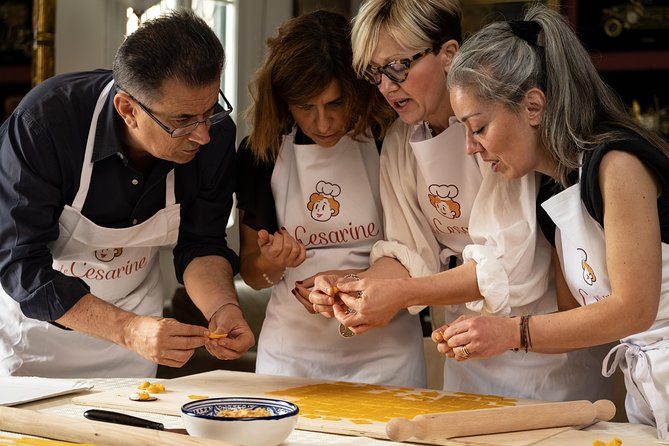
The class runs about 3 hours, and that timing matters. It’s long enough to actually learn hands-on steps, but short enough that you’re not exhausted halfway through. Most evenings follow a similar arc.
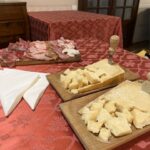
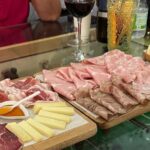
You typically start with a welcome drink and snacks. Prosecco and nibbles are part of the initial meet-and-greet, which sounds simple, but it does two things for you: it loosens up the room and makes it easier to ask questions before you start working with dough.
Then comes the main cooking work. You’ll prepare two pasta dishes and also make tiramisu with your host guiding you. Because the group is small, you can usually get feedback while you’re working, not just at the end.
Finally, you eat what you made. This is important: tiramisù is not a “watch it happen” dessert here. You help build it, and you get to judge the final texture and flavor like a cook, not a spectator.
One practical advantage of this schedule: it’s a good use of an evening (or early part of a day) when Bologna’s walking streets are busy. You get a fully satisfying experience without needing another long commitment right after.
You can also read our reviews of more cooking classes in Bologna

What You’ll Cook: Two Pastas and the Classic Tiramisu
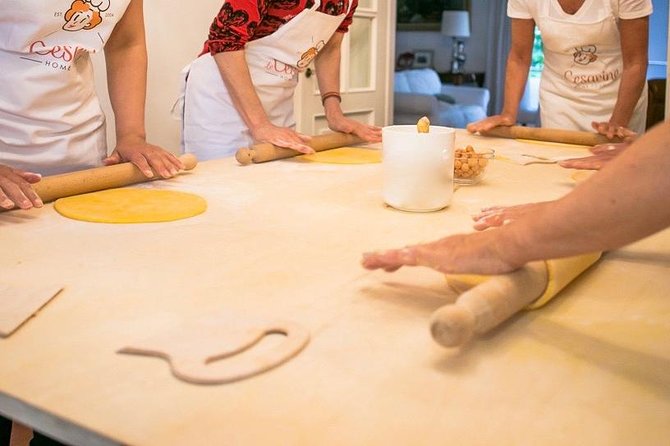
The headline menu is simple and iconic: pasta for the main, tiramisù for dessert. But the details are where the value shows up.
Fresh pasta, not just assembly
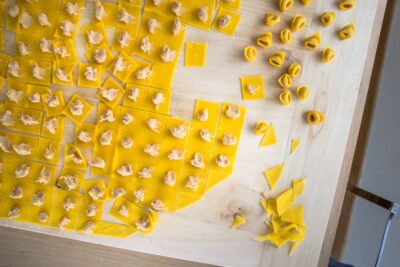
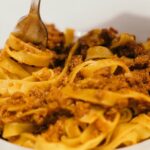
You’re not just shaping something store-bought and calling it cooking. The class focuses on making pasta dough and handling it properly. That means you learn technique—things like how dough should feel, how to work it, and how to finish it so it turns out tender and not chewy.
Different hosts can work with different pasta styles, but many classes in this format include two pasta preparations. The point is variety: you learn more than one method so you’re not stuck repeating only one shape.
Tiramisu: dessert you can reproduce
Tiramisu is a classic because it’s teachable. You can learn how to combine components correctly and avoid the common problems: soggy ladyfingers, uneven texture, or flavor that tastes flat.
People consistently rate this part highly because the dessert doesn’t feel like an afterthought. You make it step-by-step, then you sit down with your group and enjoy it right away.
You’ll leave with know-how, not just recipes
One theme that comes through strongly is that hosts give more guidance than you’d expect. People leave with enough information to recreate the dishes at home, which matters because you’re paying for skill, not only dinner.
You can also read our reviews of more tours and experiences in Bologna

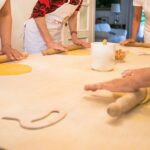
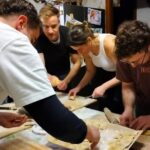
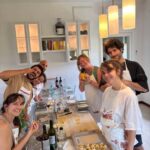
Your Cesarine Host: The Real Secret Sauce Is the Person Teaching You
This kind of class lives or dies on the host’s teaching style, and the ratings here are about as strong as they get. Names that appear again and again include Maurizio, Federica, Christina, Roberta, and Annamarie (and more). That matters because it tells you this isn’t one lucky instructor—it’s a consistent neighborhood network.
Here is what you’re likely to get when the host is great:
- Warm welcome that makes questions feel normal
- Clear explanation while you work, not a long lecture first
- Patience when you’re slower with dough or timing
One standout detail from the way people describe these classes: hosts often share shortcuts and technique around tools and handling. That kind of “small fix” is usually what separates good pasta from mediocre pasta at home.
You also may hear stories about Italian life along the way. That’s not fluff. It helps you place the cooking in context—why certain ingredients show up, how meals fit into daily routines, and what “good” tastes like in that household.
Practical Matters: Language, Group Size, and Being Comfortable in Someone’s Home
Let’s talk about the bits that actually affect your evening.
Group size: small enough for real instruction
The maximum is 12 travelers. In practice, the room often feels even smaller, which helps with:
- faster feedback on dough and assembly
- more hands-on time
- easier conversation
If you like learning without feeling rushed or watched, this size is a sweet spot.
English is offered, with some variation
The experience is offered in English, but one class experience used an interpreter when the host spoke Italian. So if you’re counting on zero language friction, keep a little flexibility. You’ll still be able to follow the steps, since cooking is visual and hands-on.
Sanitation rules are taken seriously
You’ll find sanitary equipment provided in the home—hand sanitizer and items for hand-washing. The class also uses guidance like keeping about 1 meter distance when needed, and wearing masks and gloves if distancing isn’t possible.
This is a good sign for comfort and peace of mind. It also means you should expect to see extra care around surfaces and flow in the home.
You might be asked about footwear
One experience noted shoe coverings being required. That’s not stated as a universal rule, but it’s common enough that you should be prepared to follow whatever the host asks. Wear shoes you can manage easily.
Public transport is nearby
The meeting point is described as near public transportation, which helps you arrive without stress. The end is back at the meeting point.
Price and Value: Why $163.33 Can Make Sense for a 3-Hour Skill Session
At $163.33 per person for about 3 hours, this isn’t a bargain class. It’s priced like what it is: a small-group, home-based cooking session with a professional host network.
Here’s how I think about value for this specific experience:
- You’re paying for the host’s time in her home. That includes welcoming you, teaching, and managing the kitchen while cooking for a group.
- You get multiple outputs. You make two pastas plus tiramisù. That’s more than a one-dish demo.
- You start with drinks and nibbles. Prosecco and small bites aren’t just decoration—they create a friendly setup so you actually enjoy the work.
- You’re learning techniques you can repeat. The goal isn’t just to eat well one night. It’s to leave with the confidence to recreate the dishes.
If you’re the type who cares about real cooking skill and wants an evening that feels different from the usual Bologna restaurant loop, this price can feel fair. If you’re only looking for an inexpensive meal or a casual food tour, you may decide it’s more than you want to spend.
Tips to Get the Most From Your Bologna Pasta and Tiramisu Night
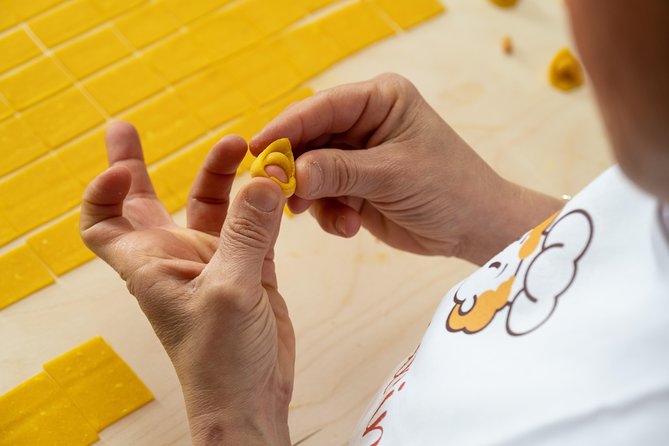
A little prep can make your learning smoother and more fun.
- Go hungry, but not ravenous. You’ll be working with dough, and you’ll also be eating what you cook. If you arrive starving, the first steps can feel harder than they should.
- Be ready to get hands-on quickly. The lesson often starts promptly after you arrive, so keep your focus on the instructions.
- Ask one question early. If something feels confusing—dough consistency, rolling thickness, or layering tiramisù—ask at the start. Then you’ll have a clearer mental picture for the rest.
- If you have dietary needs, say it up front. One experience involved handling dietary restrictions like lactose-free needs and vegetarian considerations, which suggests hosts can work with requirements. Don’t rely on guesswork—message clearly when booking.
- Respect home rules. Shoe coverings and distance guidance are part of the deal. Treat the home like a friend’s kitchen, not a public cooking studio.
Should You Book This Bologna Cooking Class?
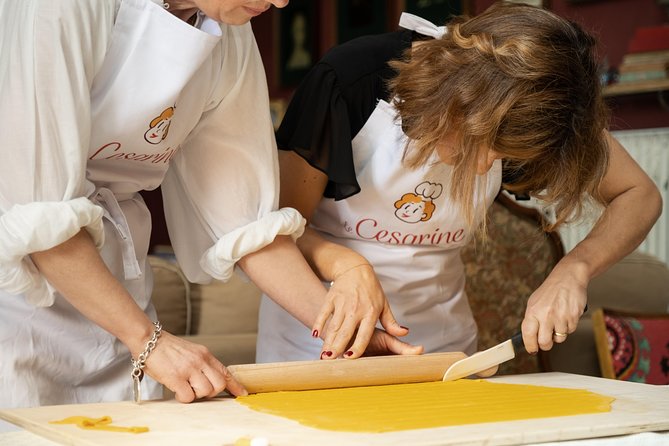
If you want an evening that feels personal, practical, and genuinely Bologna, I’d say yes—especially if you care about learning to make fresh pasta and tiramisù rather than just eating them.
This class is especially a good fit if:
- you like small groups and hands-on instruction
- you want to cook with a local host in a real home setting
- you’d rather learn technique you can repeat at home
Skip it (or adjust expectations) if:
- you mainly want a history-focused food experience with lots of cultural lecture time
- you’re uncomfortable with working in a home environment and following specific household rules
With a near-guarantee of a warm welcome, strong ratings, and a menu you’ll actually cook—not just watch—this is one of the best ways to turn Bologna from a place you pass through into a place you taste and learn.
FAQ
How long is the pasta and tiramisù class?
It runs about 3 hours.
Where does the class take place?
It takes place in a carefully selected local home in Bologna, and it starts and ends back at the meeting point.
What do we cook during the class?
You’ll make two pasta dishes and tiramisù.
Is the class offered in English?
Yes, the experience is offered in English.
What is the group size limit?
The maximum group size is 12 travelers.
What’s included at the start of the class?
You’ll be welcomed with Prosecco and nibbles.
Is there a mobile ticket?
Yes, mobile ticket is included.
Are sanitary rules followed during the class?
The class notes that hosts follow sanitary rules, provides essential sanitary equipment, and includes guidance such as keeping about 1 meter distance and using masks and gloves when that’s not possible.
What is the cancellation policy?
Free cancellation is available. You can cancel up to 24 hours in advance for a full refund.
Can the class be canceled due to low demand?
Yes. If the minimum number of travelers isn’t met, the experience may be canceled, and you’ll be offered a different date/experience or a full refund.