REVIEW · COOKING CLASSES
Bologna: Pasta & Tiramisu Cooking Class at a Local’s Home
Book on GetYourGuide →Operated by Cesarine · Bookable on GetYourGuide
Bologna smells like sauce and sugar when you learn it up close. This private class brings you into a friendly home for two pasta recipes and tiramisu made from scratch, then you sit down to eat what you made with local wine.
I love the personal touch: you cook with an Italian host who explains technique in plain, practical steps, and the vibe stays warm and human. I also like that the meal is not a quick demo. It turns into a full lunch or dinner, with water, wine, and coffee to round it out.
One consideration: the address is shared after booking for privacy, so you’ll need to plan a little buffer time to confirm directions with your host once you have the exact meeting point.
In This Review
- Key highlights you’ll care about
- Why Bologna’s pasta class feels different in a home kitchen
- What you make: two pastas and tiramisu, made for real
- The pasta portion (where technique sticks)
- The sauce logic (the part you’ll repeat at home)
- The tiramisu portion (where the dessert stops being scary)
- The rhythm of the experience: from dough to dining
- Arrival: a home welcome, not a classroom setup
- Cooking: two pasta recipes in 3 hours
- Dining: eat what you made with regional wine
- Hosts make the difference: warmth, attention, and real technique
- Dietary needs: this is built to adapt, not just advise
- Price and value: what $112.15 buys you (and what it doesn’t)
- When this class is a great fit (and when it might not be)
- Practical tips before you go
- Should you book this Bologna pasta and tiramisu class?
- FAQ
- What happens after I book the class?
- What do I cook during the 3-hour class?
- What time does the class usually start?
- Is the group private?
- Can dietary requirements be accommodated?
- What’s included to drink with the meal?
Key highlights you’ll care about
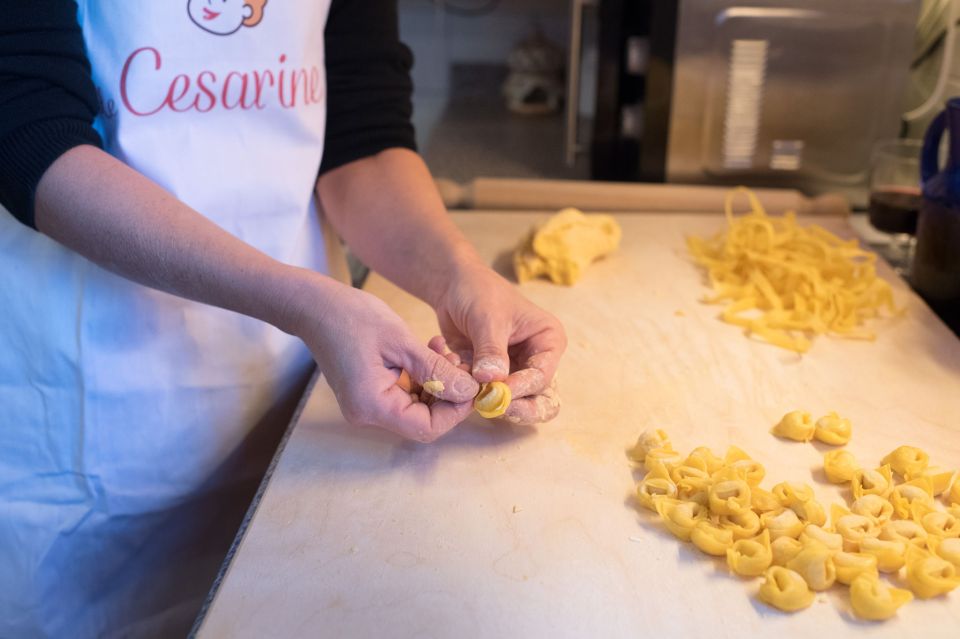
- Private, home-based teaching with an Italian host in English and Italian
- Hands-on cooking for 2 distinct pasta recipes plus tiramisu from scratch
- A real family-meal style lunch/dinner, not just tastings standing up
- Dietary needs can be adapted when you request ahead (vegetarian, vegan, gluten free, and more)
- Regional wine pairing during the meal, plus coffee to finish
Why Bologna’s pasta class feels different in a home kitchen
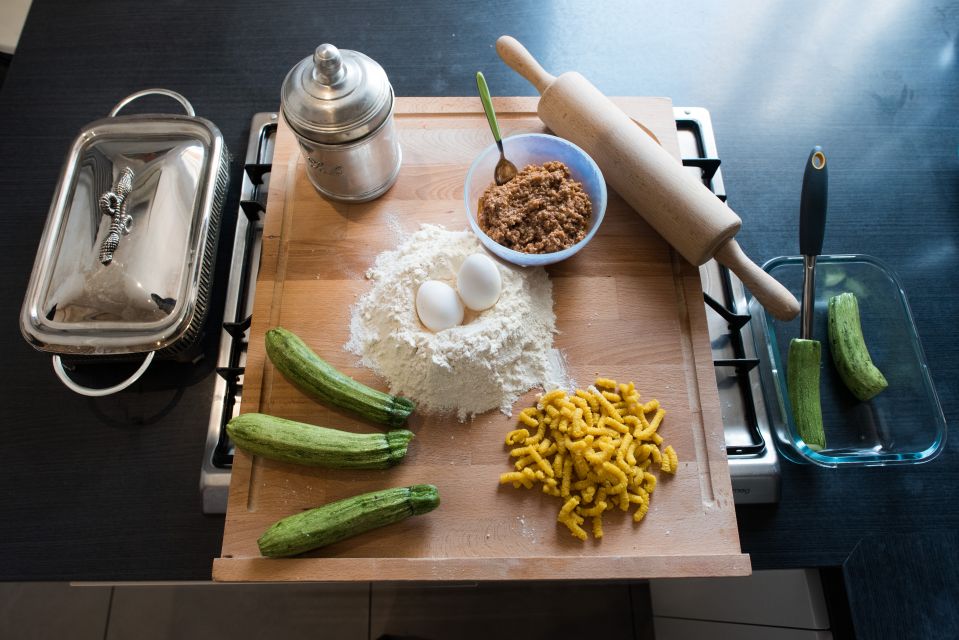
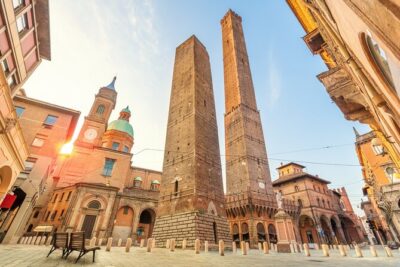
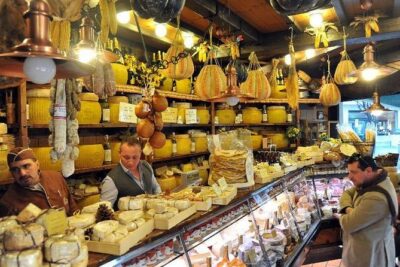
Bologna is the kind of place where food is a language. In most cooking classes, you’re in a studio, watching and hoping the timing works out. Here, you’re in someone’s actual kitchen, with an atmosphere that feels closer to being invited for a family meal than attending an activity.
The class is built around three core outcomes: you learn technique, you make specific recipes, and you eat together afterward. That last part matters. You don’t just learn how to cook; you learn how the dish tastes when it’s served properly, warm and on a plate, with the right rhythm and drink.
And because it’s private, the host can adjust the pace for you. That’s how the experience becomes memorable—like the way Martina was described as thoughtful about restrictive diets, or how Oriana was praised for being fun, educational, and gracious at the same time.
You can also read our reviews of more cooking classes in Bologna

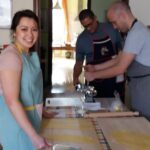
What you make: two pastas and tiramisu, made for real
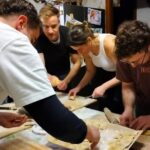
You’ll spend about 3 hours in a private group setting, learning to prepare 2 distinctive pasta recipes plus tiramisu from scratch. The pasta part is the engine of the class: dough, shaping, and sauce technique all get attention. The tiramisu part is where people always realize that dessert is not just mixing things together.
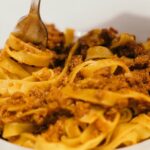
One useful expectation to set: stuffed pasta and sauce work are common in Bologna teaching. In the experiences people shared, tortelloni and ragu showed up as standout dishes, and the tiramisu was repeatedly called out as “proper” Bolognese home-style work. You won’t be guessing; you’ll follow the host’s method step-by-step.
The pasta portion (where technique sticks)
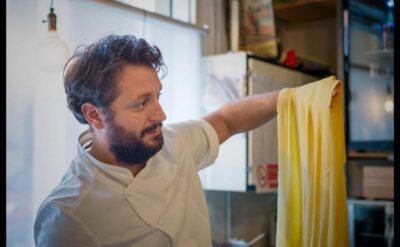
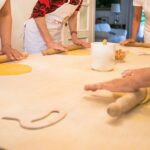
Most pasta-making lessons fail at one point: people rush the dough, or they don’t understand how the pasta should feel while you work it. Here, the host guides you through that “feel,” not just the recipe. When you roll, shape, and finish the pasta, you’ll learn what “right” looks like—texture, thickness, and how to handle it without turning it into a sticky mess.
The sauce logic (the part you’ll repeat at home)
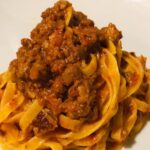
Bologna pasta isn’t just about noodles. It’s about what coats them. In the way hosts taught, ragu and classic flavor-building came through as a major success point. Even if the exact sauce recipe varies by host and timing, the principles you learn—how to layer flavor and how to manage simmering—are the kind you can reuse later.
The tiramisu portion (where the dessert stops being scary)
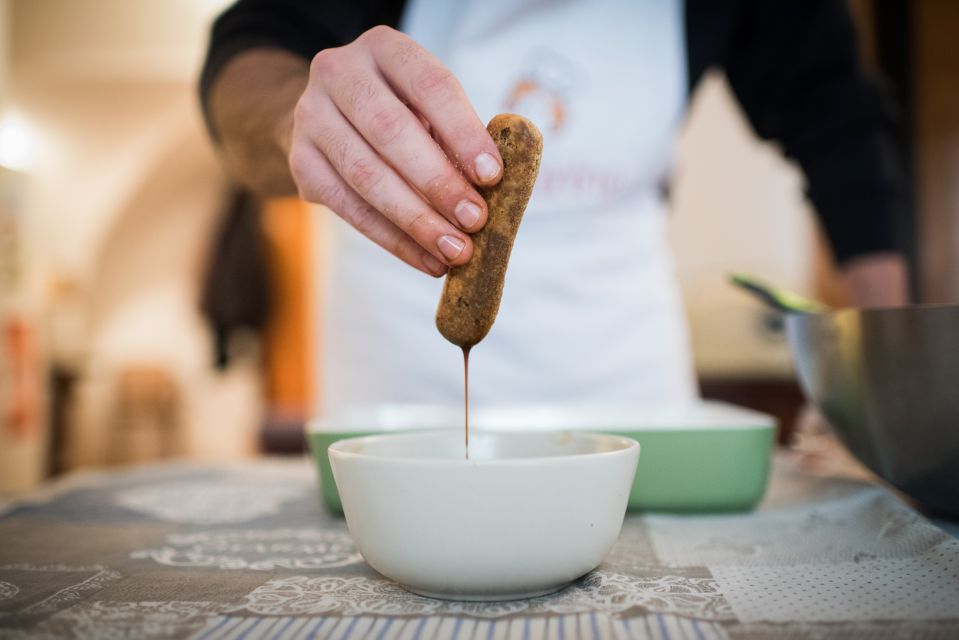
Tiramisu can seem forgiving until you try to make it “properly.” The class teaches you how to assemble with care, with attention to balance—coffee, cream, and structure. If you’ve ever eaten tiramisu that turns watery or oddly dense, you’ll understand why this step-by-step guidance matters.
And yes, it’s normal to think about your waistline. More than one host’s class was described as hard to resist while still leaving people thrilled with results.
You can also read our reviews of more tours and experiences in Bologna
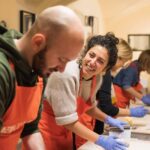
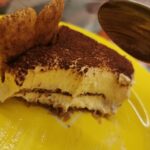
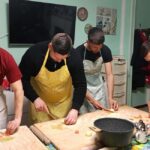
The rhythm of the experience: from dough to dining
Think of the evening (or morning) as a smooth sequence: arrive, cook in stages, then settle in for a meal. You aren’t bouncing around multiple locations. You’re building one meal from the start inside a local home.
Arrival: a home welcome, not a classroom setup
Your meeting point is at the host’s home, and for privacy reasons you get the full address after booking. After you reserve, you’ll receive exact instructions through the contact details in your confirmation voucher. The practical takeaway: don’t show up assuming you can navigate with a generic pin. Confirm and give yourself a little extra time.
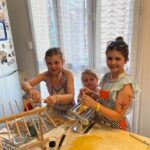
Once you’re inside, you’ll get oriented and start cooking. This is where the private format shines. Hosts can tailor instructions to your comfort level, whether you’re the confident cook or the person who’s happy with pasta-shaped-out-of-a-box.
Cooking: two pasta recipes in 3 hours
The class covers two pasta recipes within the 3-hour timeframe, plus tiramisu. That means the teaching style leans efficient. You’ll learn enough to complete the recipes successfully, and you’ll get the “why” behind key steps—like consistency of dough and timing of cooking.
Hosts named in people’s experiences included Martina, Roberta, Cristina, Oriana, Annamaria, Lucina, Rosa, and Paola. Across all those names, the pattern is consistent: people highlighted attentiveness and warmth, plus clear explanation. In other words, you’re not stuck guessing what went wrong when something feels off.
Dining: eat what you made with regional wine
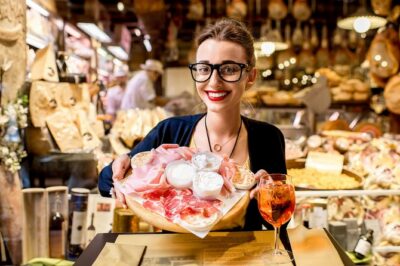
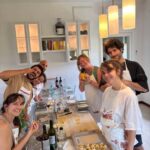
After cooking, you sit down to enjoy your creations for lunch or dinner. You’ll have regional wines along with water and coffee. This is not a side note—it’s part of how you learn. The wine pairing gives your taste buds a baseline, and it helps you understand what balance the dishes are aiming for.
One small but important detail: the class is designed so you actually dine in the home setting, not just sample bites. That’s the difference between learning a technique and learning a meal.
Hosts make the difference: warmth, attention, and real technique
This class is listed as being led by cesarine, and what stands out in the real experience is the blend of hospitality and hands-on teaching. People consistently described hosts as welcoming, attentive, and concerned about their guests’ comfort.
You can see that in examples like:
- Martina being careful about what a partner with a restrictive diet could eat.
- Cristina being praised as an amazing teacher with a home-cooked setup that felt focused and friendly.
- Roberta’s home and attentiveness showing up as a highlight.
- Oriana being described as educational and fun, and helping make the process feel like time with friends.
- Annamaria welcoming people like family and sharing tips that sounded rooted in tradition.
- Lucina teaching tortelloni and tiramisu with warmth and grace.
Even when the host isn’t in your language all the time, the instruction is offered in Italian and English, and the pace is built for you to keep up.
Dietary needs: this is built to adapt, not just advise
If you’ve ever had a cooking class where dietary changes are treated like an afterthought, you’ll appreciate how this one handles requests. The class data states that dietary requirements can be catered to upon request, including vegetarian, vegan, and gluten-free.
In practice, adaptation means the host adjusts ingredients and steps so you still end up with a finished meal you can eat confidently. The most reassuring part is that hosts were specifically described as careful—especially when someone in the group had restrictions—so you can plan without stressing that you’ll be left with a token dish.
Price and value: what $112.15 buys you (and what it doesn’t)
At $112.15 per person for a 3-hour private class, you’re paying for more than recipes. You’re paying for access to a real home kitchen, private instruction, and a full sit-down meal with wine and coffee.
Here’s the value logic that makes sense:
- Private teaching is expensive compared with group classes, but it’s also why the host can adjust pace and cater to dietary needs.
- You’re not taking home a takeout box. You’re leaving with technique you can recreate: pasta dough work, shaping, sauce-thinking, and tiramisu assembly.
- The price includes the meal components and drinks (water, wine, coffee), which helps this feel less like a “pay to cook” event and more like a structured hospitality experience.
What it doesn’t include is a multi-stop itinerary or guided city sightseeing. This is a kitchen experience first. If you want a culinary lesson plus a day of attractions, you’ll still need to plan Bologna separately.
When this class is a great fit (and when it might not be)
You should seriously consider booking if you:
- want hands-on cooking rather than watching and taking notes
- like learning from people who cook in their own style and then share that method with you
- enjoy sitting down for a full meal with regional wine
- want something local and personal without the pressure of a public group setting
You might think twice if you:
- strongly prefer a large group “see everything” day and you hate waiting for your turn
- need a highly structured itinerary with lots of scheduled breaks (this is cooking-focused, and the timing runs according to the class flow)
Practical tips before you go
- Confirm directions after booking. The exact address comes to you after reservation, then you’ll get instruction details from the host contact.
- Wear comfy clothes. You’ll be working dough and likely standing or moving around a kitchen setup.
- Plan your day around the start time. Classes usually begin at 10 AM or 5 PM, but it can be flexible if you coordinate in advance.
- Tell the host about dietary needs early. The class can adapt, but you’ll get the smoothest results when you request specifics ahead of time.
- Bring curiosity, not expectations. Even if you cook at home, pasta and tiramisu technique can surprise you once you see how Bologna-style cooking thinks.
Should you book this Bologna pasta and tiramisu class?
If you want a memorable Bologna experience that feels personal and tastes like the city, I’d book it. This is one of those rare activities where the main event is not just making food—it’s the moment you sit down and eat what you made with wine in a local home.
The biggest reason to choose it is the combination of private, guided instruction and a full meal afterward. The class also seems particularly strong for adapting to dietary needs when you plan ahead. Just be ready for the one catch: you’ll need to follow the host’s address instructions carefully because the meeting point is shared after booking.
If you love pasta, want real technique, and enjoy cooking with someone who actually lives this lifestyle, this is a high-value day in Bologna.
FAQ
What happens after I book the class?
The meeting point is in a local family’s home, and you receive the full address after booking for privacy. You’ll also get exact instructions through the contact details in your confirmation voucher.
What do I cook during the 3-hour class?
You learn to make 2 pasta recipes and tiramisu from scratch, then you eat the results during the meal.
What time does the class usually start?
The class usually starts at 10 AM or 5 PM. The start time can be flexible based on your travel requirements if you advise the local partner in advance.
Is the group private?
Yes. This experience is described as a private group.
Can dietary requirements be accommodated?
Yes. Dietary requirements can be catered to upon request, including vegetarian, vegan, and gluten free options.
What’s included to drink with the meal?
The class includes water, wine, and coffee along with the tasting of the two pasta dishes and the tiramisu.