REVIEW · PASTA
Bologna: Pasta-Making Class at a Local’s Home
Book on GetYourGuide →Operated by Cesarine · Bookable on GetYourGuide
Bologna doesn’t just serve pasta; it teaches it. This private pasta-making class at a Cesarina’s home is interesting because you’re learning three authentic regional recipes right where locals actually cook—then you sit down and eat what you make with wine. I especially like the hands-on setup (each person gets their own workstation and ingredients) and the way your host brings you into family-style cooking, not a staged demo. The one thing to consider is simple: it’s in a home, so you’ll want to show up on time and be comfortable in a real kitchen pace (and a real kitchen mess).
If you’re the type who wants more than a photo stop, you’ll probably enjoy the connection. Hosts like Roberta, Martina, Oriana, Alessia, and Alessandra have been praised for patient teaching and lots of supervision, plus that extra layer that feels personal—like a view from a balcony in one home, or an 80s playlist in another. Just keep your expectations practical: this is about making pasta, not a scripted show.
In This Review
- Key things that make this class worth your time
- Why Bologna pasta lessons work best in a real home
- Inside the Cesarina kitchen: how the 3-hour experience runs
- The three regional recipes: what you’ll learn and what to watch for
- 1) Dough feel is the real lesson
- 2) Shape isn’t just for looks
- 3) Taste changes how you cook
- 4) The table finish is part of the recipe
- The tasting table: wine pairings and a proper meal
- Price and value: why $112.15 can make sense here
- Who should book this Bologna pasta class (and who might not)
- Practical tips so your pasta day goes smoothly
- Should you book this pasta class at a Cesarina’s home?
- FAQ
- What’s included in the pasta-making class?
- How long is the experience?
- When does the class usually start?
- Is this a private class or a group class?
- What languages is instruction offered in?
- Are dietary requirements accommodated?
- How many pasta dishes will you make?
- Is wine included?
- What’s the meeting point like?
- What’s the cancellation policy?
Key things that make this class worth your time
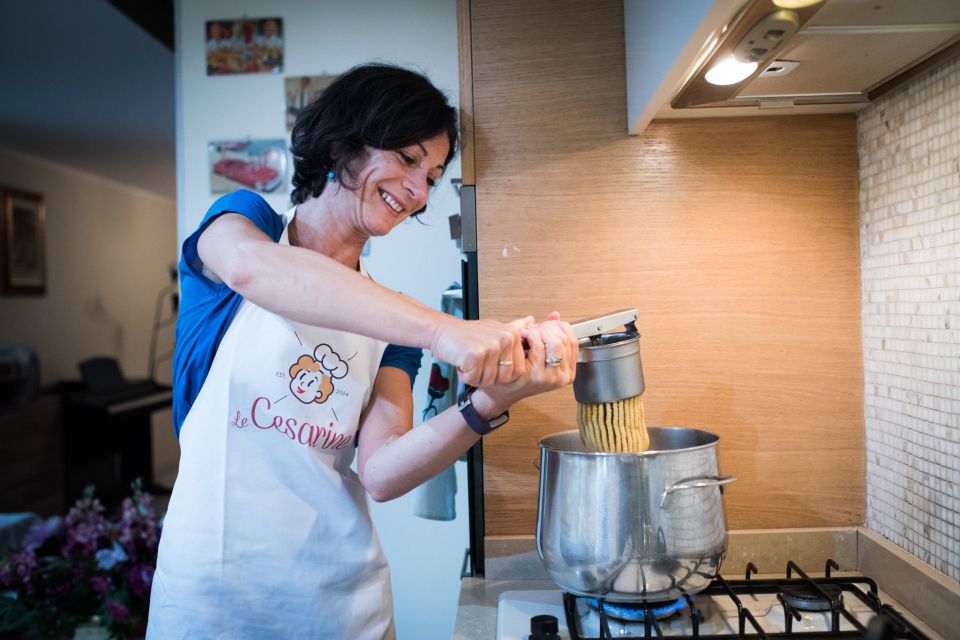
- Three regional pasta recipes in one 3-hour session: you learn skills you can actually use again.
- At-home teaching from a certified Cesarina: family-style knowledge, not restaurant tricks.
- Full tasting table: you eat what you roll, shape, and cook, with coffee afterward.
- Wine with the meal: both red and white local wine pair with your pasta work.
- Small and private group format: more time to ask questions and get attention while you cook.
Why Bologna pasta lessons work best in a real home
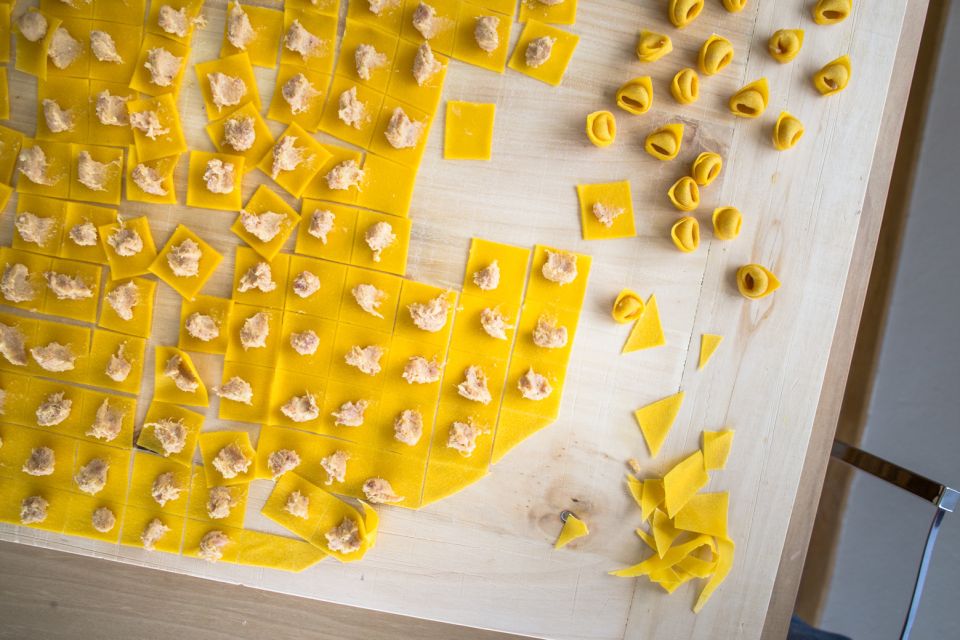
Bologna is the kind of city where food isn’t a hobby—it’s part of daily life. That’s why a class in a Cesarina’s home hits differently than a commercial cooking school. You’re not just learning technique. You’re learning the regional logic behind it: why certain dough feels a certain way, why shapes matter, and why the finishing details are the difference between good and true.
You’ll feel the family-table rhythm quickly. The class isn’t broken into a dozen mini performances. It flows the way home cooking does: hands-on work, then tasting, then more conversation at the table. Several hosts in the experience’s feedback were praised for their warmth and their willingness to explain the origins behind what you’re making—so the food lands with context, not just instructions.
And yes, you’ll likely come away hungry. That’s built in. You’ll taste everything you prepare, accompanied by wine, with water and coffee also included. For me, that’s a big part of the value: you’re not paying to watch someone else eat.
You can also read our reviews of more tours and experiences in Bologna

Inside the Cesarina kitchen: how the 3-hour experience runs
You’ll be in a private group setting, hosted by an Italian, English-speaking instructor. The timing is typically 10:00 AM or 5:00 PM, but it can be flexible if you contact the supplier in advance based on your travel needs.
Once booked, you receive the full address after confirmation (for privacy). That’s normal for home-based experiences, but it does mean you should plan to navigate calmly. Don’t build the class into a tight schedule where a small delay would wreck your day.
When you arrive, each participant gets:
- a workstation
- utensils
- the ingredients needed to make the dishes
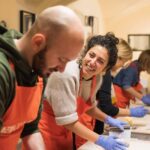
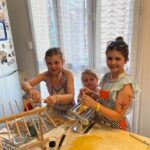
This matters more than it sounds. In many cooking classes, you’re crowded around shared tools and half-watching. Here, you’re actually doing the work while the host supervises. That’s why feedback often calls out hands-on experience and great guidance.
Expect the host to explain the recipe approach and the key “trade secrets” as you go—things like how the dough behaves, what to look for while forming, and when to adjust your technique. Hosts such as Roberta and Alessandra were highlighted for being patient and for teaching with close attention. If you’re a first-time pasta maker, that kind of supervision is gold.
The three regional recipes: what you’ll learn and what to watch for
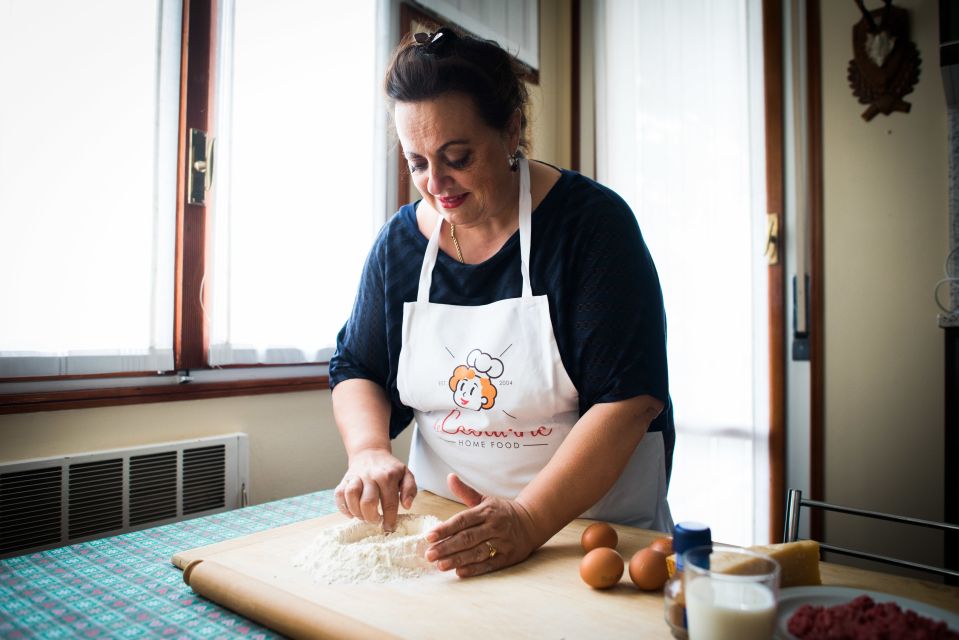
The core of the experience is straightforward: your Cesarina teaches three authentic regional pasta recipes. The exact selections can vary by what your host offers and what you choose in advance, but the structure stays consistent—learn the recipe, make it at your station, then sit down and taste.
Here’s what you should pay attention to during the dough and shaping stages:
1) Dough feel is the real lesson
With pasta, the measurements are only part of the story. Your host will show you how the dough should look and feel as you knead and prepare it. When people mention being taught patiently, it usually means they’re guiding you through those adjustments—so the dough doesn’t end up too dry, too sticky, or oddly elastic.
2) Shape isn’t just for looks
You’ll learn why each pasta shape is chosen for a reason. One of the feedback themes was learning what to keep in mind for the original pasta—especially the logic behind how Bologna-area cooking develops around technique and tradition. That’s how you start understanding pasta beyond a single meal.

3) Taste changes how you cook
Since you eat what you make, you get instant feedback. When your host serves the table, you’ll be able to compare the results to what you remember doing at your station. That turns the class into real learning, not just a one-time project.
4) The table finish is part of the recipe
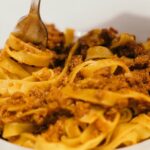
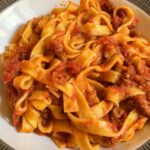
One standout detail from feedback: massive meals after the pasta work, not just a small tasting plate. You’ll be taught, then you’ll eat at length—so your cooking choices actually matter to the outcome you taste.
Also, your host’s personality may shape the mood. One host was praised for a fun 80s playlist, and another was praised for a balcony view over Bologna. Those little touches aren’t guaranteed, but they show the range of how personal and homey the experience can feel.
The tasting table: wine pairings and a proper meal
The tasting is not an afterthought. It’s the point where you connect the technique to flavor.
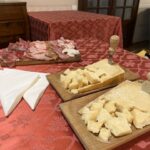
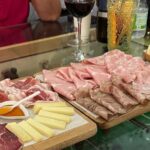
You’ll taste the three local pasta dishes you prepared, and your meal is accompanied by:
- a selection of red and white local wines
- water
- coffee
That sounds simple, but it’s exactly why the class feels worth the money. You’re not leaving with just knowledge—you leave with a full, satisfying dinner-like experience that you helped create.
Wine pairing also adds a layer of Bologna authenticity. Your host’s choices tend to be tuned to regional tastes rather than generic “chef’s special” pairings. And because you’re tasting at the end of your work, you’ll understand the flavors more clearly. Even if you don’t consider yourself a wine person, this part makes the meal feel complete.
Price and value: why $112.15 can make sense here
At $112.15 per person for a 3-hour private class, this isn’t a “cheap fun activity.” It’s priced like what it is: a home-based, instructor-led culinary experience with ingredients, hands-on tools, and a meal plus beverages.
Here’s how I’d judge the value:
- You get private group attention rather than competing with a line of strangers at stations.
- The class includes materials and ingredients for you to cook, not just watch.
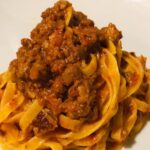
- You don’t just sample one bite. You taste three pasta dishes, with wine, water, and coffee.
- The host is a certified home cook (a Cesarina), so the instruction is tied to real family cooking, not just performance-style demonstration.
When you add all of that up, the cost starts to look more reasonable—especially compared to paying restaurant prices for a meal and then paying extra for a separate class. This folds it together: learn + cook + eat.
If your goal is strictly budget sightseeing, this may not be for you. But if you want one hands-on food memory that feels deeply local, this is a strong contender.
Who should book this Bologna pasta class (and who might not)
This experience fits best if you:
- love food and want to learn technique you can repeat at home
- prefer small, personal settings over big group tours
- enjoy regional culture through cooking rather than only through monuments
- want a meal experience that goes beyond a snack
It may be less ideal if you:
- hate kitchen chaos or want a totally hands-off experience
- have very tight timing constraints and can’t handle home-based meeting logistics
- expect a formal restaurant-style dining experience from start to finish (this is a home table and a working kitchen)
One of the best signs you’re in the right place is if you’ve ever thought, I want to understand why pasta works, not just what to eat. The teaching approach here is built for that kind of curiosity.
Practical tips so your pasta day goes smoothly
A few small choices will make the class easier and more enjoyable:
- Tell the host your dietary needs ahead of time. The experience can cater to vegetarian, vegan, gluten-free, and other dietary requirements upon request.
- Wear comfortable clothes. Flour happens. It’s part of the fun.
- Come hungry, but don’t arrive starving. You’ll cook first, then taste the full set of dishes with wine and coffee.
- Ask questions while you’re working. The private setup is meant for guidance, and feedback from hosts often highlights patient instruction.
- If you’re going at 5:00 PM, plan your evening around it. The activity ends back at the meeting point, so keep that in mind when you plan dinner afterward.
If you want the experience to match your taste, look for the chance to discuss what you’d like to make. Several hosts were praised for offering options of what participants wanted to prepare, and that flexibility can make a big difference.
Should you book this pasta class at a Cesarina’s home?
I think this is a great booking if you want Bologna in a way that goes beyond walking streets and taking photos. You’ll get real instruction, you’ll make three regional pastas, and you’ll eat them with local wine in a home setting that feels personal. The fact that hosts are repeatedly praised for hands-on teaching and patience—like Roberta, Martina, Oriana, Alessia, and Alessandra—matters. It suggests the experience is designed for actual learners, not just confident cooks.
Book it if you like the idea of learning by doing, and if you’re comfortable with a home-kitchen environment. Skip it if you’re looking for a quick, hands-off attraction. But for an unforgettable food-centered morning or evening in Bologna, this one is hard to beat.
FAQ
What’s included in the pasta-making class?
You’ll get the cooking class, tasting of three local pasta dishes, and beverages including water, wines, and coffee.
How long is the experience?
The duration is 3 hours.
When does the class usually start?
It usually begins at 10:00 AM in the morning or 5:00 PM in the afternoon, but it can be flexible based on your travel requirements if you contact the supplier in advance.
Is this a private class or a group class?
It’s a private group experience.
What languages is instruction offered in?
The instructor speaks Italian and English.
Are dietary requirements accommodated?
Yes. The experience can cater to dietary requirements upon request, including vegetarian, vegan, and gluten-free options.
How many pasta dishes will you make?
You’ll learn to make 3 authentic regional pasta recipes.
Is wine included?
Yes. You’ll taste your dishes with a selection of red and white local wines.
What’s the meeting point like?
The class is held in a local family’s home. For privacy, you receive the full address of your host after booking, along with exact instructions.
What’s the cancellation policy?
You can cancel up to 24 hours in advance for a full refund.