REVIEW · COOKING CLASSES
Bologna: Pasta Secrets Cooking Class with Local Expert
Book on GetYourGuide →Operated by VizEat Ltd · Bookable on GetYourGuide
Flour, wine, and real Bologna know-how. In Daniele’s small-group class at Drogheria degli Elefanti, I love how Tortellini and Tagliatelle are taught hands-on, not as a demo. I also like that you get Emilia-Romagna wine with the lesson, so the day feels like an actual meal with a rhythm, not just a cooking project.
You’ll spend about 5 hours in the city center at Daniele’s grocery store, rolling, shaping, and learning how sauces and broths work. One possible drawback: because it’s in a shop setting and limited to just a few people, the pace is practical and focused, so it’s not the kind of class where you can wander and take your time posing for photos.
In This Review
- Key highlights at a glance
- Why Daniele’s grocery-store kitchen in Bologna feels different
- Tortellini practice: shaping pasta the Bolognese way
- Tagliatelle alla Bolognese: learning the sauce-and-broth logic
- Lunch at the end: you’ll eat your own pasta
- Small group comfort: coaching while you’re holding the dough
- Bottled into a lesson: recipes you take home
- Price and value: what $103.09 covers for 5 hours
- Who this class fits (and who should skip it)
- Timing and how to plan the rest of your day
- Should you book Bologna Pasta Secrets with Daniele?
- FAQ
- Where does the cooking class take place?
- How long is the class?
- What pasta dishes will I learn to make?
- Is wine included?
- How many people are in the group?
- Do I get to eat what I cook and take recipes home?
- What about allergies or dietary restrictions?
Key highlights at a glance
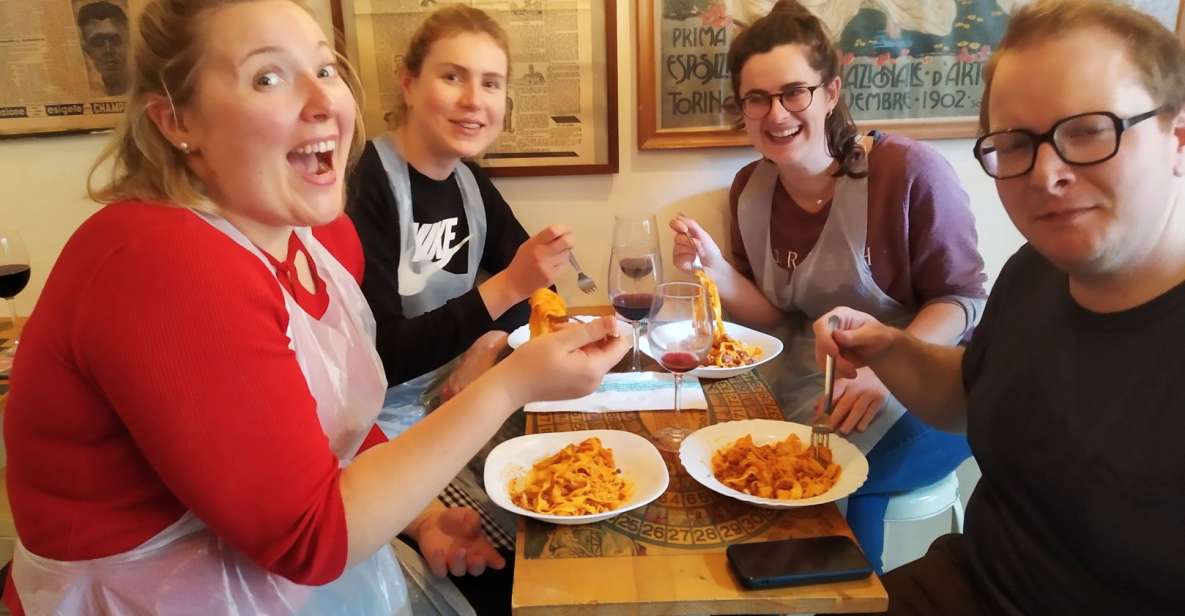
- Small group (max 4) means you’ll get real attention while you shape pasta
- Tortellini and Tagliatelle alla Bolognese taught from scratch, step by step
- Emilia-Romagna wine included, served during the experience
- Eat what you make for lunch, so nothing goes to waste
- Take the recipes home, which helps if you want to repeat it later
- Daniele’s grocery-store kitchen adds an authentic local vibe
Why Daniele’s grocery-store kitchen in Bologna feels different
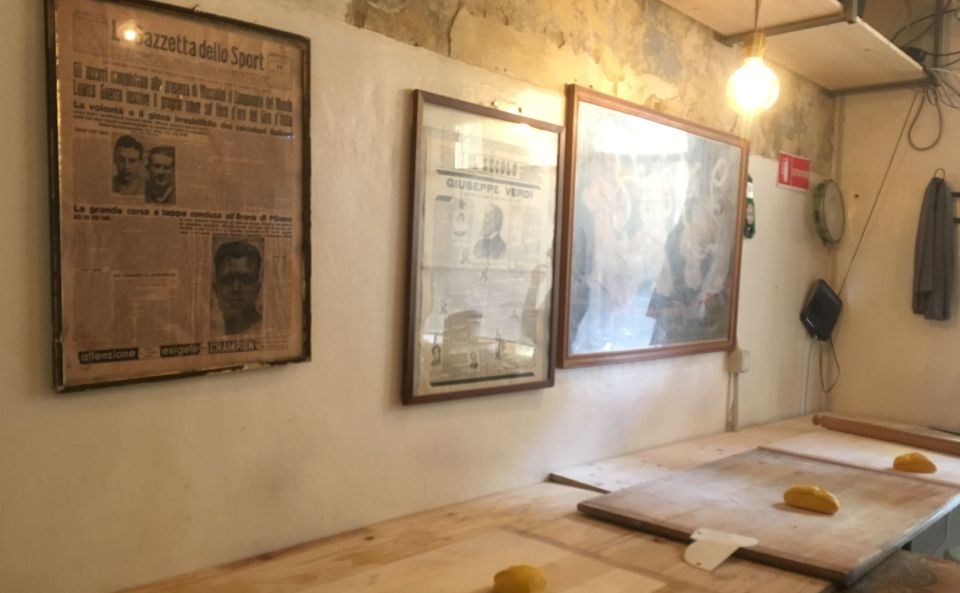
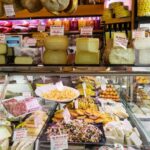
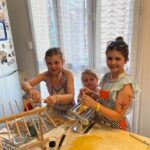
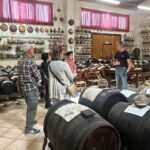
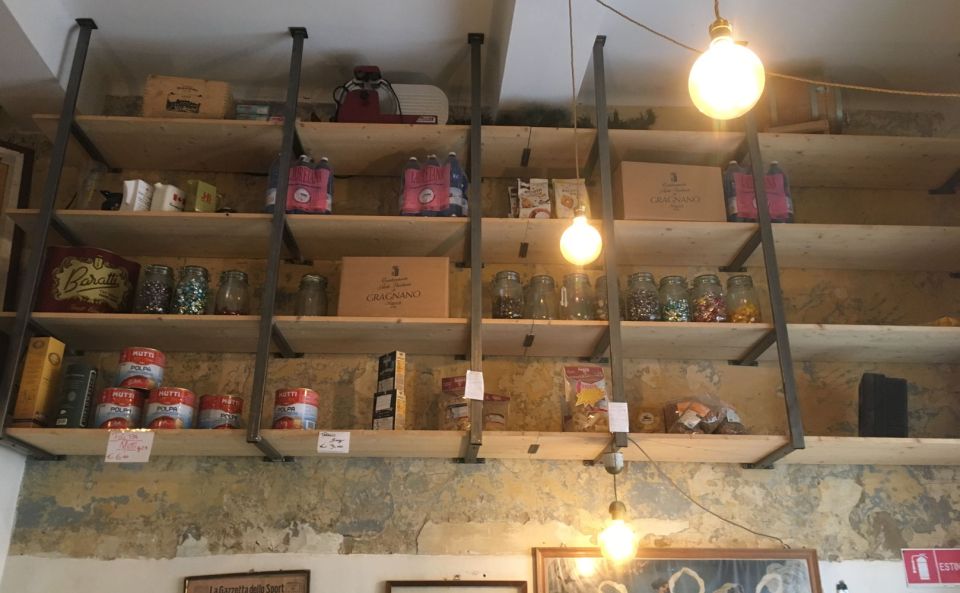
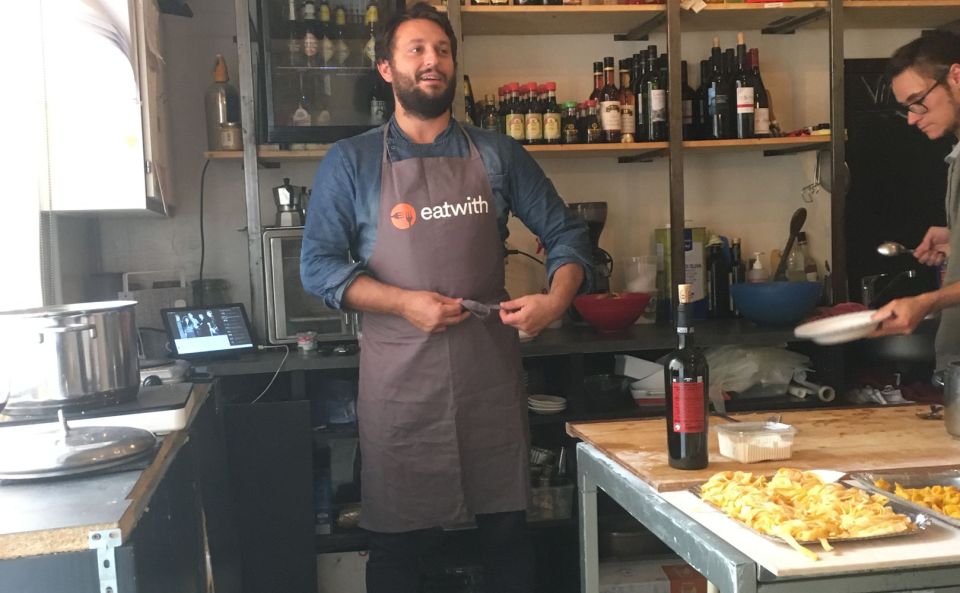
This class takes place inside Daniele’s grocery store in Bologna city center, Drogheria degli Elefanti. That detail matters. Cooking lessons can turn into sterile classrooms. Here, you’re in a working food space with the energy of a place that sells real ingredients every day. You’re not just learning pasta technique; you’re learning how a local treats food as part of everyday life.
I also like that Daniele is deeply rooted in Bolognese tradition. He runs Drogheria degli Elefanti, and the whole experience is built around that three-generation approach to Bolognese gastronomy. The result is a class that feels like it has a point of view, not a generic Italian cooking template.
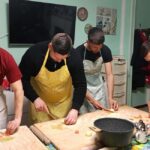
Since it’s small (limited to 4 participants), expect a tight, coach-at-your-side style. You’ll do the work—mix, shape, and assemble—not watch someone else do it and hope it sticks. One small consideration: because you’re learning in a real shop setting, you should be ready for an efficient layout and a no-fuss workflow.
You can also read our reviews of more cooking classes in Bologna

Tortellini practice: shaping pasta the Bolognese way
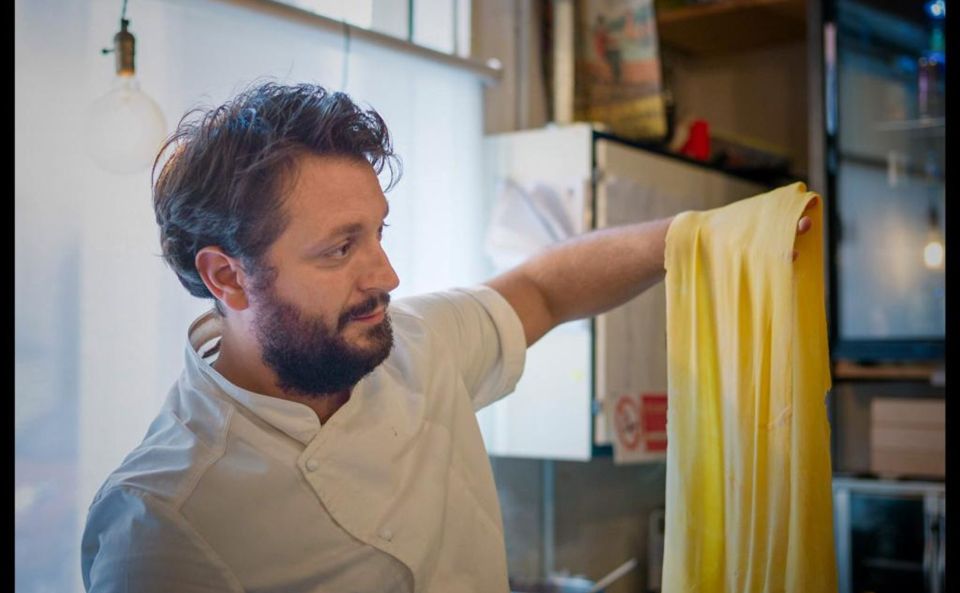
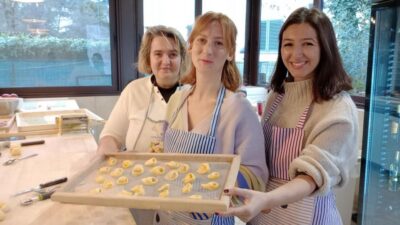
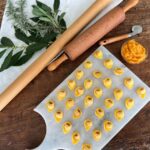
The heart of the morning is making Tortellini from scratch. You’ll learn the fundamentals, with easy-to-follow guidance designed for all levels. That matters if you’re not a “kitchen person.” The goal isn’t to turn you into a pasta athlete. It’s to get you comfortable with how the dough behaves and how the shapes come together.
In practical terms, Tortellini is where your hands learn a new rhythm. You’ll likely spend time moving from basic dough handling to more precise shaping. That’s why this class works well for people who like learning by doing. You’ll get feedback as you go, and you’ll see how tiny adjustments change the final result.
From what you can expect in this setup, the emphasis is on technique and consistency. You’ll also understand the logic behind the filling and the way pasta seals, because the class includes instruction on the sauces and broths too. In other words: Tortellini isn’t treated as an isolated craft. It’s part of a larger Bolognese meal that makes sense as a whole.
A quick piece of advice: wear sleeves you don’t mind getting flour on. You can keep it tidy, but pasta days have a way of leaving a little evidence behind.
Tagliatelle alla Bolognese: learning the sauce-and-broth logic
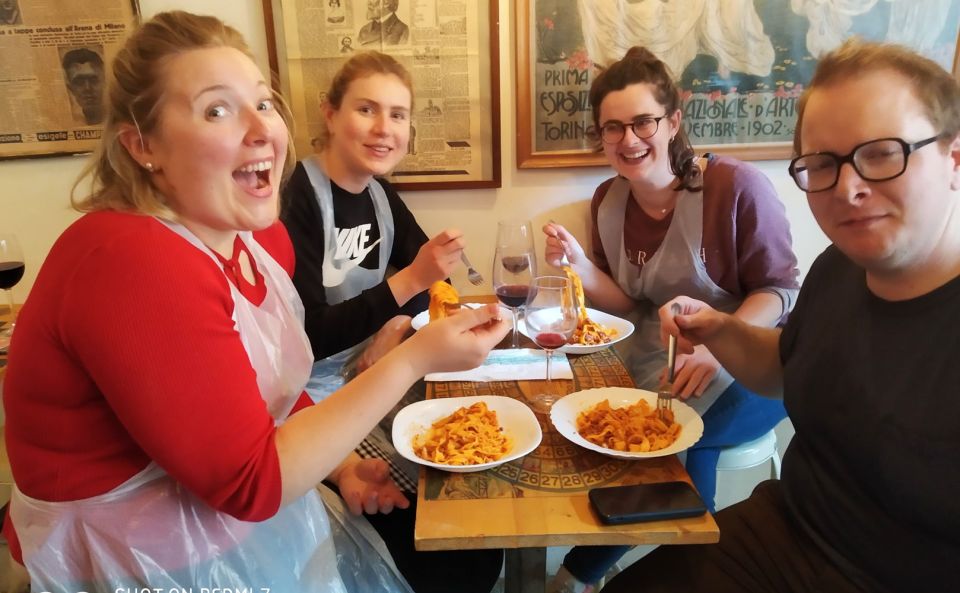
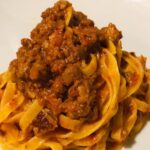
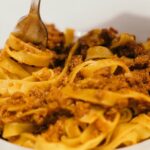
Then you shift from shaping filled pasta to rolling Tagliatelle alla Bolognese. This part is about the whole system: pasta plus the flavors that cling to it. The class specifically includes guidance on the intricacies of crafting sauces and broths, so you’re not just learning how to cut noodles—you’re learning how the meal gets built.
Tagliatelle is all about texture and balance. If the pasta is too thick, sauce coverage gets weird. If it’s too thin, it won’t hold up the same way. You’ll get instruction that helps you connect the physical steps to the final bite.
For the sauce-and-broth side, the teaching approach seems to focus on method—how you combine elements and how you manage the final flavor. This is one of the reasons the experience scores well: the host doesn’t talk at you. He teaches you the steps and the reasons, and you leave with a clearer sense of what to repeat at home.
Also, there’s a real-world expectation to keep in mind. In the cooking world, tiny family techniques can be hard to copy exactly on your first go. Even with recipes included, you might notice that your batch tastes great but not identical to the way Daniele’s looks. That’s normal, and honestly part of the fun. The class gives you the framework; your kitchen will help refine the rest.
Lunch at the end: you’ll eat your own pasta
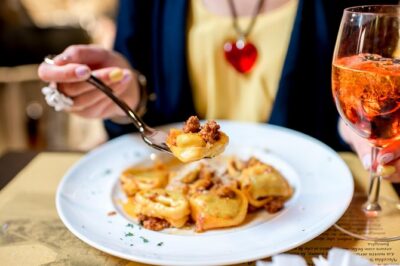
By the time you finish cooking, you’ll enjoy your creations for lunch. That’s not just a nice perk—it’s the quality-control moment. You get to taste what you made while everything is fresh, and you can connect flavor to technique.
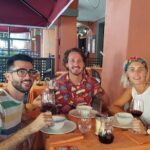
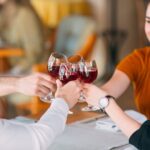
And yes, the lunch is paired with a glass of wine from the Emilia-Romagna region. Wine inclusion is a thoughtful detail here. Bologna and the surrounding Emilia-Romagna area are famous for food culture, and having wine built into the class helps you understand the meal as Italians do: not separate courses for lesson and reward, but one shared table.
This is also why the class is a good use of time. Many food tours are “watch and snack.” This one is “cook and eat.” In about 5 hours, you get both the skill practice and the payoff.
Small group comfort: coaching while you’re holding the dough
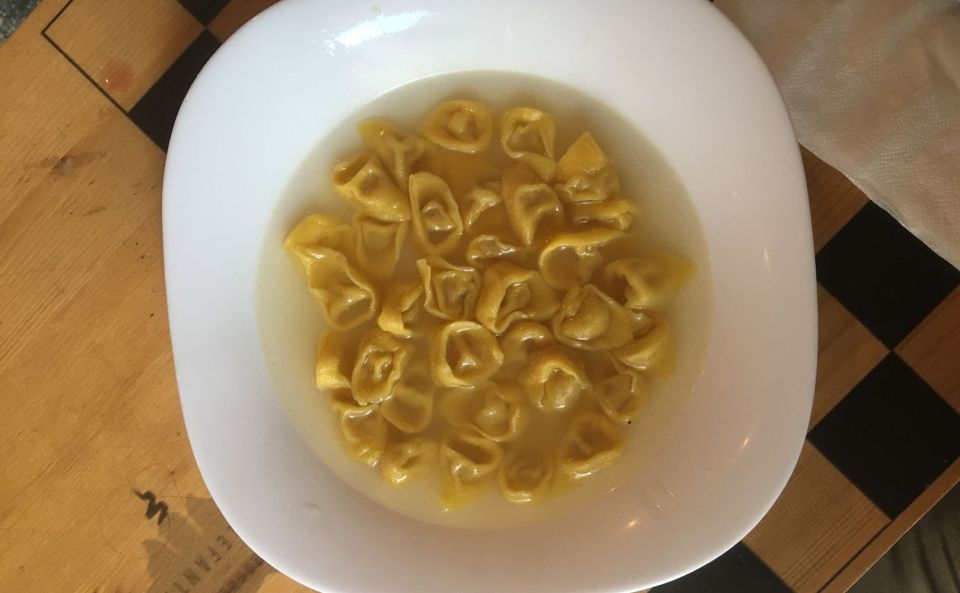
The class is limited to 4 participants, and that size changes everything. You’re not competing for attention. You can ask questions while your hands are in the dough, and you can correct course quickly. It’s the difference between learning a sequence and learning how to adjust when something feels off.
You’ll also feel the benefit of an English/Italian host or greeter. If you don’t speak Italian, you still get instruction clearly enough to follow the steps. If you do speak Italian, you’ll likely get more nuance from the way Daniele explains the process.
One extra detail from the vibe: the teaching style is engaging and personal. People describe Daniele as a strong host who keeps the experience lively. There’s also a sense that some of his family know-how is shared selectively. That doesn’t mean you’re left guessing. It just means you’re learning real cooking, not a scripted checklist.
You can also read our reviews of more tours and experiences in Bologna
Bottled into a lesson: recipes you take home
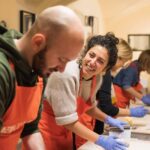
One of the best value pieces is that you’ll take the recipes home. That means the class doesn’t end when lunch finishes. If you want to recreate Tortellini and Tagliatelle alla Bolognese later, you’ll have a written guide to support your memory.
Just keep expectations grounded: a recipe won’t capture every nuance of feel, but it will help you repeat the core method. That’s especially helpful if you’re visiting Bologna and want a souvenir that you can cook, not just photograph.
If you’re traveling with a kitchen plan in mind, this is the kind of experience that pays off. You leave with a way to keep Bologna alive at home.
Price and value: what $103.09 covers for 5 hours
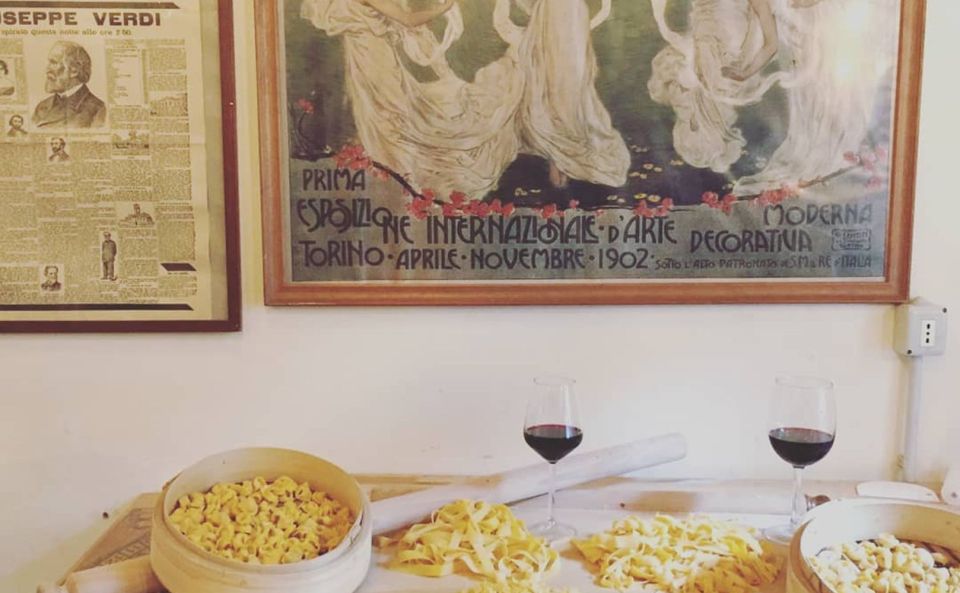
At about $103.09 per person for a 5-hour class, this isn’t a budget lunch you accidentally booked. It’s a focused, small-group cooking experience in the center of Bologna with instruction, lunch, wine, and recipe takeaways.
Here’s how the value adds up:
- Small group size (max 4): you’re paying for time and attention, not a big room of passive learners
- Wine included: that’s part of the meal, not an optional add-on
- Lunch included: you’re eating what you make, which reduces extra spending elsewhere
- Recipes included: you’re paying for something that continues after you go home
- Two pasta types: Tortellini plus Tagliatelle alla Bolognese means more than a single dish lesson
The only real reason this might feel pricey is if you’re the kind of traveler who wants lots of sights and very little “hands-on” time. If cooking is your thing, the structure makes the cost easier to justify. You’re buying a skill, a meal, and a local-host experience in one block.
Who this class fits (and who should skip it)
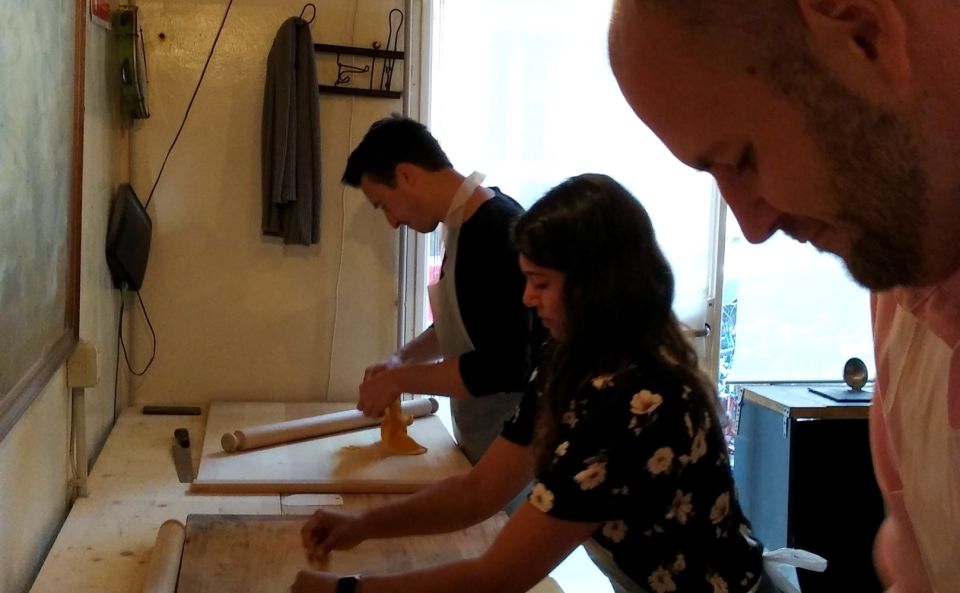
This pasta class is a strong match if you want a hands-on way to understand Bologna food culture. If you like rolling dough, shaping pasta, and learning how sauce and broth flavor builds over steps, you’ll be happy here.
It’s also great for mixed experience levels because the class is designed as easy-to-follow and hands-on. Even if you’ve never made pasta before, you’ll still get a clear path through the process.
I’d consider a different option if you’re looking for a long sit-down restaurant meal, guided sightseeing, or a tour where you mainly watch while someone else works. This is work in a good way—flour on your hands kind of work.
And if you have food restrictions, plan ahead. The class asks guests to communicate allergies or special diets. That’s important for your safety and for how the meal is prepared.
Timing and how to plan the rest of your day
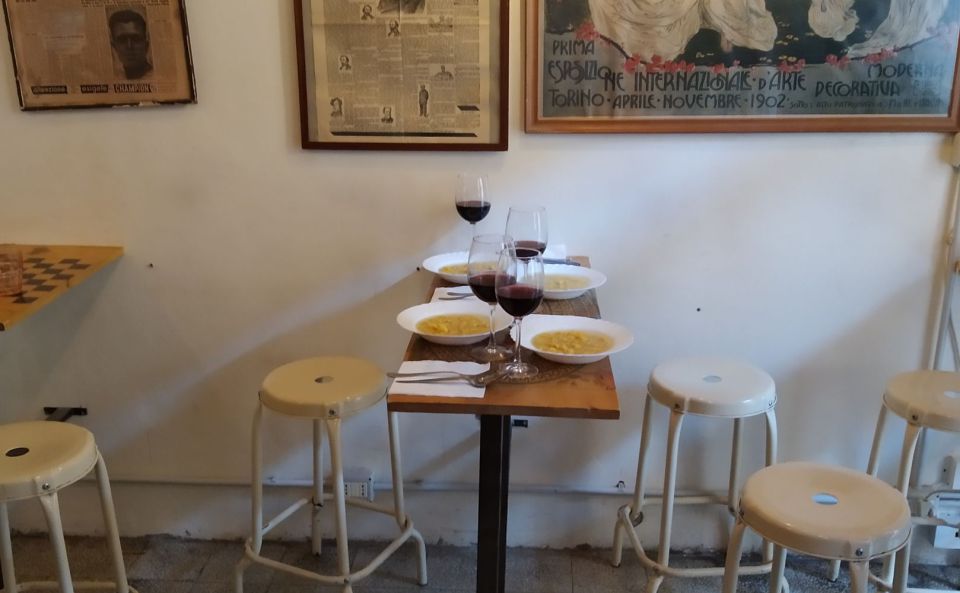
You’ll want to think of this as a dedicated block. It lasts 5 hours, and starting times vary based on availability. Bologna’s center is walkable, but during your class time you should keep things simple.
Before you go, I’d plan for an easy morning. A cooking class works best when you’re not trying to squeeze in too many other appointments. After lunch, you’ll likely want some slow walking time—your brain will still be digesting technique while your body does the rest.
If you’re pairing it with other Bologna stops, choose activities that are flexible. You’ll be glad you did when you’re busy tasting, learning, and talking with Daniele during the session.
Should you book Bologna Pasta Secrets with Daniele?
I’d book this if you want a practical Bologna experience that’s more than eating. The combination of small group instruction, making Tortellini and Tagliatelle alla Bolognese, and sitting down to enjoy lunch plus Emilia-Romagna wine makes the whole day feel like a real local food ritual.
Skip it if you hate hands-on cooking or if you’re trying to pack your schedule so tightly that 5 hours feels like an intrusion. Otherwise, this class is exactly what many food-focused visitors hope for: a host you can ask questions to, a focused lesson, and recipes you can use later.
If you want one “do this in Bologna” skill-based experience, this is a solid bet.
FAQ
Where does the cooking class take place?
It takes place at Daniele’s grocery store in Bologna city center. The full address is provided in your confirmation voucher.
How long is the class?
The experience lasts 5 hours. Starting times depend on availability.
What pasta dishes will I learn to make?
You’ll learn how to prepare Tortellini and Tagliatelle alla Bolognese, along with instruction on sauces and broths.
Is wine included?
Yes. Wines from the Emilia Romagna region are included.
How many people are in the group?
It’s a small group limited to 4 participants.
Do I get to eat what I cook and take recipes home?
Yes. You’ll enjoy the pasta you make for lunch, and you’ll also be able to take the recipes home.
What about allergies or dietary restrictions?
You should communicate any food restrictions (allergy, special diet, and similar needs) when booking so the class can plan accordingly.