REVIEW · COOKING CLASSES
Bologna Grand Tour Italy: sfoglini for a day
Book on GetYourGuide →Operated by Grand Tour Italia S.r.l. · Bookable on GetYourGuide
One-hour pasta lessons in Bologna hit different. You get hands-on coaching from a real sfoglina, plus the satisfaction of shaping classics like tagliatelle and tortellini. I love that the class stays practical, not performative, and that you leave with pasta you can cook later. One thing to consider: the pace can be tight, so go in expecting a fast, focused hour.
What makes this work is the mix of craft and tradition: old-school technique with a rolling pin, then the fun part—getting the dough to behave into recognizable shapes. I also like that the instruction runs in Italian and English, so you’re not stuck guessing. The potential drawback is time management; in one case, the effective teaching time felt shorter than advertised, which is annoying when you’re trying to absorb the steps.
In This Review
- Key things I’d bet on (before you book)
- Where this pasta class happens at Friuli Venezia Giulia
- The value of a $21, 1-hour sfoglini workshop
- What you’ll learn: puff pastry the old-fashioned way
- Rolling, folding, and shaping: the fresh pasta part you’ll remember
- Do you taste what you make, or take it home?
- The rhythm of the 1-hour class (and what to do about it)
- Language support: Italian and English instruction
- Who this Bologna sfoglini class is best for
- Logistics basics that affect your day
- Should you book this sfoglini workshop?
- FAQ
- How long is the sfoglini workshop?
- What will I learn during the class?
- Where is the meeting point?
- Will I taste the pasta I make?
- Who teaches the class?
- What languages are offered?
- Is the activity wheelchair accessible?
- Is there free cancellation and reserve-and-pay-later?
Key things I’d bet on (before you book)
- Hands-on coaching from an experienced sfoglina, not just a demo
- One hour that’s built for doing, rolling, shaping, and learning technique
- Fresh pasta classics like tagliatelle and tortellini (plus other common shapes)
- Old-fashioned puff pastry technique taught alongside pasta skills
- You take the pasta home, even if you’re not planning a full meal
Where this pasta class happens at Friuli Venezia Giulia
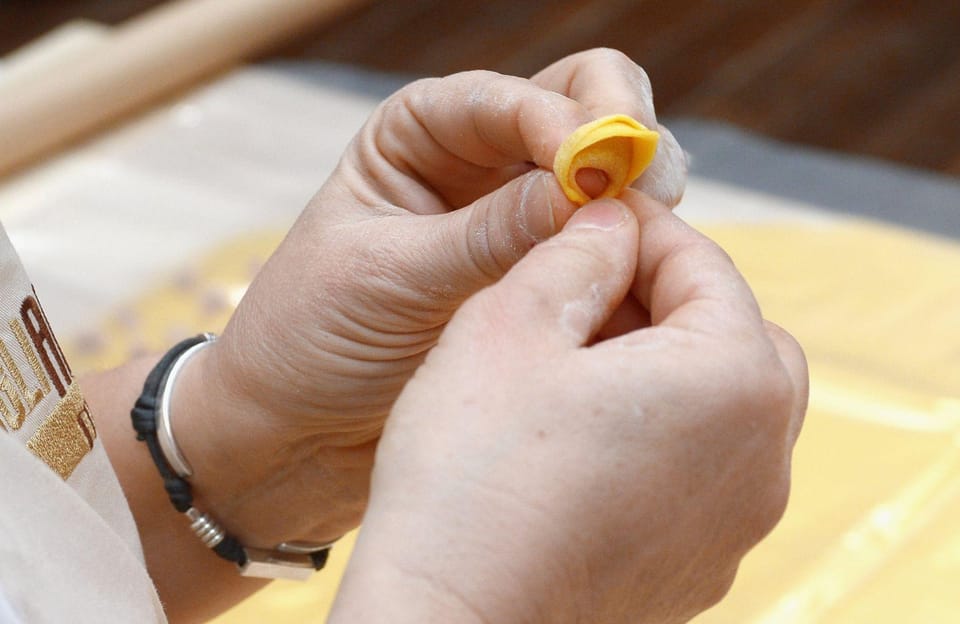
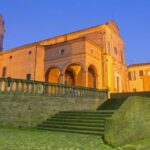
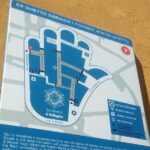
This course is based in Emilia-Romagna, in the Friuli Venezia Giulia area inside a park setting. The key practical point: you access it from the main entrance, so don’t overthink it—arrive early enough to find the entrance and walk in at an easy pace.
Why that matters: pasta classes work better when you’re not sprinting at the last minute. You’ll want time to settle in, get your bearings, and be ready the moment you’re handed the rolling pin.
Also note that the workshop is described as wheelchair accessible. If you’re traveling with mobility needs, it’s worth planning based on that access point from the main entrance, since that’s the only location detail you’re given.
You can also read our reviews of more cooking classes in Bologna
The value of a $21, 1-hour sfoglini workshop
$21 for a supervised, hands-on cooking class sounds almost too good. But the value is in what you’re getting for the price: expert guidance, live technique practice, and a take-home payoff.
You’re not paying for a restaurant meal. You’re paying for skill transfer—how to work dough, how to roll it properly, and how to form traditional shapes. That’s the kind of value that sticks, because it turns into something you can repeat at home.
One more smart angle: the class length is tight by design. You’ll learn enough to feel confident about the next step, but you won’t be stuck all day. If you’re already doing Bologna sightseeing and you want a focused food stop, this fits.
Just keep your expectations realistic. A 1-hour session can be amazing, but it can also feel rushed if the teaching time compresses. You can’t control that. You can control how you arrive: rested, ready to ask questions, and not trying to squeeze in five other activities right before.
What you’ll learn: puff pastry the old-fashioned way
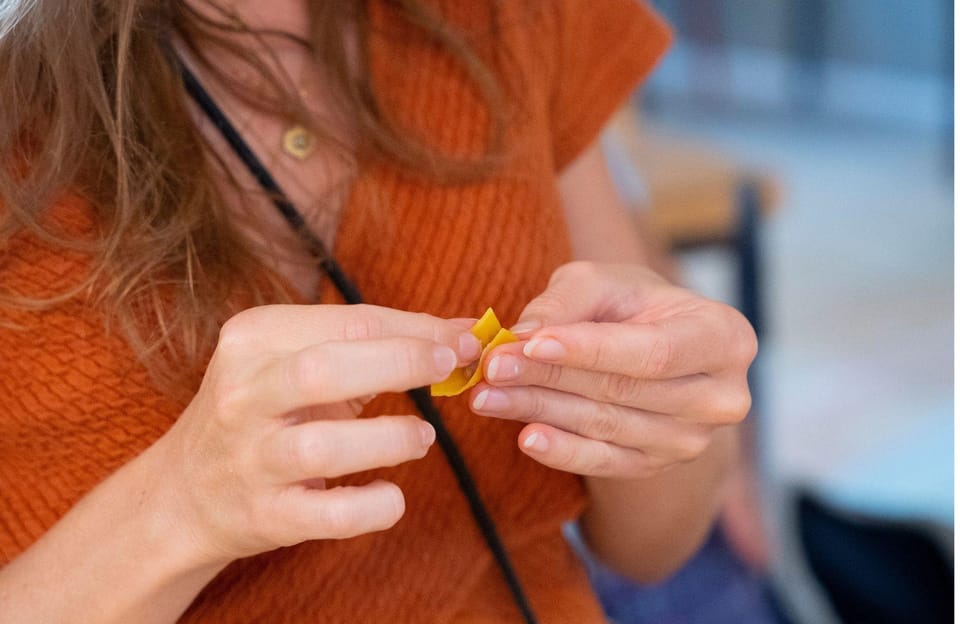
The course covers two related skill sets. First, you’ll work on making puff pastry the old-fashioned way. Second, you’ll learn the techniques for fresh pasta—the kind you can actually make at home without special machinery hype.
Even if you’re primarily there for pasta, the puff pastry piece is a useful bonus. It trains you to respect dough: how it changes with handling, how it responds to timing, and how patience shows up in the texture.
And because you’re doing it hands-on, you’re not just watching someone else work. You’ll wield the rolling pin and practice the physical mechanics that recipes rarely explain well. That matters if you’ve ever tried making dough at home and felt like the recipe skipped the hard part.
Rolling, folding, and shaping: the fresh pasta part you’ll remember
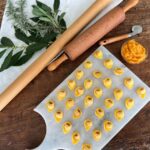
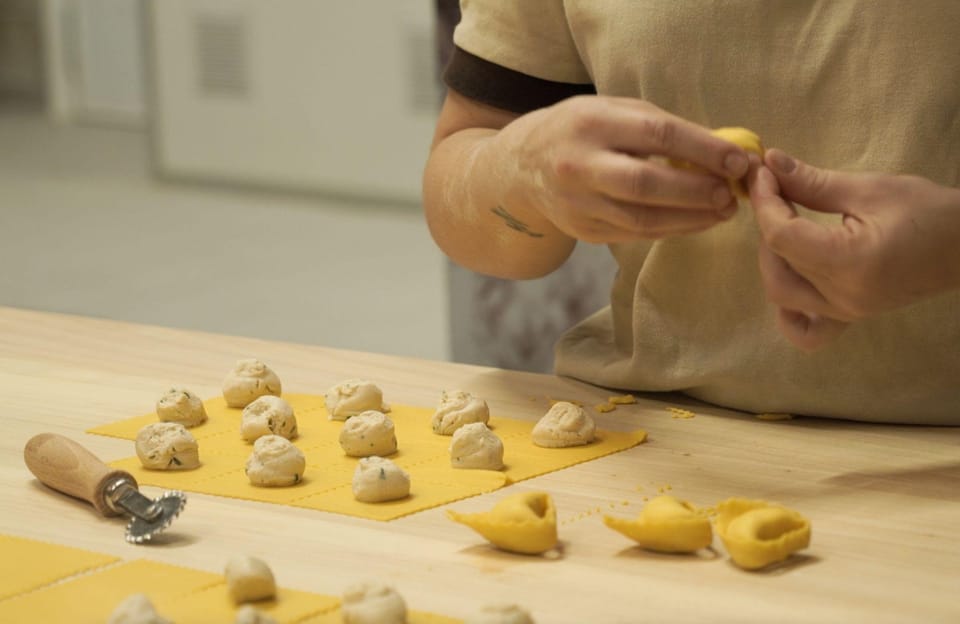
Once you’re into the fresh pasta section, the class becomes all about technique you can see and feel. You’ll work the dough, then apply those skills to traditional Bologna and Emilia-Romagna shapes.
From the class descriptions and examples shared, you should be able to expect familiar formats such as:
- tagliatelle (a signature of the region)
- tortellini and tortelloni
- other common shapes like farfalle and linguine in some sessions
Here’s why that’s a big deal: when you learn just one shape, it’s easy to forget the fundamentals. Learning multiple shapes forces your hands to adjust—thickness, stretching, cutting, and sealing—so your muscle memory improves fast.
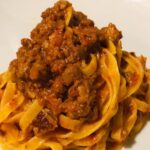
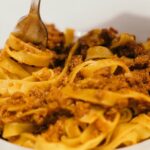
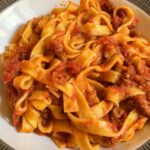
In at least one described experience, students practiced many formats and then had the pasta cooked and served with an excellent ragù. That’s not guaranteed as a full meal plan for everyone, but it’s a good sign that the teaching model can include a satisfying finish.
Do you taste what you make, or take it home?
This is the one detail you should pin down before you go. The course information states that the pasta prepared during the course will not be tasted, and you can take it home.
So plan like this:
- Treat the workshop as a skill-building session.
- Expect to bring your finished pasta away for cooking later.
- If your session includes additional cooking or a sauce served on-site, great—just don’t build your schedule assuming it will.
Why this matters: if you’re on a tight food schedule and hoping to end with a guaranteed bite, this won’t work like a sit-down tasting. It’s still worth it—because home-cooking with pasta you shaped yourself is one of those travel souvenirs that doesn’t sit in a drawer.
Comparing formats before you book? The Roman take on the same idea runs longer and adds wine: therometraveler.com/rome-pasta-tiramisu-class-with-fine-wine-by-the-vatican/ has the reviews. This one stays the quick, technique-dense option. Different tools for different afternoons.

The rhythm of the 1-hour class (and what to do about it)
The schedule is listed as a 1-hour course. In an ideal world, that means you get enough time to understand each step, practice, and adjust before moving on.
But one caution from a real experience: the lesson can feel compressed. In one case, the effective teaching time was described as much closer to half the hour, with the rest taken up by a brief tasting and an early finish.
So how do you protect yourself from a rushed session?
- Come with a calm mindset. Don’t arrive hoping to slow the instructor down mid-flow.
- Ask for clarity early. The fastest classes are the ones where questions happen at the start, not when you’re already behind.
- Watch the pace and be ready to repeat your own technique. With dough work, repetition is where things click.
If you’re the kind of person who loves structure and hates feeling hurried, consider that this is a hands-on class with a defined timebox. It can be brilliant, but you need to be mentally ready for speed.
Language support: Italian and English instruction
The instructor can teach in Italian and English. Some content may be shown in its original language, which is common for cooking workshops where visuals and demonstrations do a lot of the talking.
What that means for you: if you speak basic Italian or none at all, you should still be able to follow along because the course is hands-on. For many people, dough work is universal—you’ll understand through action, not just translation.
If you’re hoping for a deeply verbal lecture, you might find it more practice-led than theory-led. That’s not a flaw; it’s usually the difference between mastering technique and just collecting trivia.
Who this Bologna sfoglini class is best for
This course is a strong fit if you:
- love learning how food is actually made
- want a short, meaningful Bologna experience that isn’t a long day tour
- enjoy practical activities and don’t mind getting hands-on
- want to take something home that you’ll really use
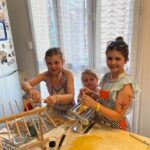
It also fits well for couples or small groups. One described experience involved just two people, which meant extra time and companionship with the guide. Another described group was small and felt fun and social. That’s not a promise for every session, but it points to the general vibe: learning pasta in a group usually beats learning it alone.
If you’re traveling with kids, it could be fun, but the data you’ve been given doesn’t spell out age guidance. For families, you’d want to confirm suitability with the operator before committing.
Logistics basics that affect your day
You’re meeting inside the Friuli Venezia Giulia park area, entering from the main entrance. Arrive with a little buffer so you’re not dealing with stress while you’re supposed to be learning dough.
Duration is 1 hour, and the experience is listed with a time availability check for starting times. If you’re scheduling around other activities, pick a start time that gives you breathing room before and after—pasta classes don’t like being rushed.
Wheelchair accessibility is indicated, but, like most real-world venues, your best bet is to arrive early and confirm the route inside at the entrance.
Should you book this sfoglini workshop?
If you want a Bologna food memory that isn’t just edible for one night, I’d lean yes. The course is built around real technique—rolling, working dough, and shaping classics—plus a take-home result. For $21 and one hour, that’s unusually practical value.
I’d only hesitate if:
- you need a slow, un-rushed teaching style, or
- you’re counting on a full meal experience on-site, or
- you’re extremely sensitive to schedule compression (one experience reported faster effective teaching time)
If you book, do it with the right mindset: you’re here to practice. Bologna pasta is part craft, part feel, and part patience. This class gives you the practice part—exactly what you want when you’re chasing real skills, not just a story.
FAQ
How long is the sfoglini workshop?
The course duration is 1 hour.
What will I learn during the class?
You’ll learn traditional techniques for making puff pastry the old-fashioned way and for preparing fresh pasta at home, including classic specialties like tagliatelle and tortellini.
Where is the meeting point?
The meeting point is at Friuli Venezia Giulia, and access is from the main entrance.
Will I taste the pasta I make?
The pasta prepared during the course will not be tasted. You can take it home.
Who teaches the class?
You’re supervised by an experienced sfoglina, and the instructor can teach in Italian and English.
What languages are offered?
The class is available in Italian and English.
Is the activity wheelchair accessible?
Yes, it is wheelchair accessible.
Is there free cancellation and reserve-and-pay-later?
Free cancellation is available up to 24 hours in advance for a full refund, and reserve now & pay later is offered so you can book without paying today.