Bologna can feel like a museum you can walk through. This 3 to 4 hour art-and-architecture walk links major landmarks with lesser-seen corners, then rounds it off with food culture. You’ll meet up at Piazza Maggiore and spend the time learning how Bologna became an art city, a university city, and a food city.
I love the way Riccardo Bacchi connects buildings to real-life Bologna: from merchant power in the square to scholarship at the university. I also like that the route mixes big-ticket sights (like San Petronio and the university) with specific details most visitors miss, such as the speaking corners and the anatomical theatre.
One possible drawback: it’s a fast-paced walking tour with lots of stops, so if you want long sit-down museum time, you may feel rushed.
In This Review
- Key things I’d circle before you go
- Bologna’s art walk in plain terms: what you’re really doing
- Starting at Piazza Maggiore: the square that explains Bologna
- Palazzo d’Accursio: frescos, noble rooms, and a weirdly human detail
- Basilica di San Petronio: where the biggest sundial turns time into art
- Archiginnasio di Bologna: Europe’s oldest university, but made physical
- Quadrilatero: the medieval market maze and guild marks
- Santo Stefano: one complex, many Bologna eras
- Santa Maria della Vita: Niccolò Dell’Arca’s terracotta that acts like theater
- Tower views and canal engineering: Asinelli, Garisenda, and Finestrella
- Palazzo Comunale: ceilings, frescoes, and stairs for horsemen
- Price value: is $175.36 worth it?
- Who this tour fits best (and who should skip it)
- Should you book this Bologna historical art walking tour?
- FAQ
- How long is the Bologna art walking tour?
- Is the tour offered in English?
- Where does the tour start?
- How many people are in the group?
- Is admission included for the stops?
- Is there a mobile ticket?
- What is the cancellation policy?
Key things I’d circle before you go
- Piazza Maggiore first: you start with the square’s hidden meanings and classic landmarks like Neptune’s fountain
- San Petronio’s sundial: a church stop that doubles as a standout technical curiosity
- Archiginnasio’s university rooms: coats of arms, a wooden anatomical theatre, and rare book spaces
- Food-history via Quadrilatero: the market maze shows how commerce shaped the city
- Sculpture that moves: Santa Maria della Vita’s terracotta drama by Niccolò Dell’Arca
- A UNESCO canal detour: Finestrella ties textiles (silk and hemp) to medieval engineering
Bologna’s art walk in plain terms: what you’re really doing
This tour is built like a guided story you can walk. You’ll move across central Bologna and learn how art and architecture track the city’s power shifts: medieval trade, Renaissance learning, and later tastes shaped by politics and religion.
The pace is brisk because there’s a lot packed in. Still, it doesn’t feel like a checklist. The stops are chosen to show patterns—how the same city shows up again and again, just in different centuries.
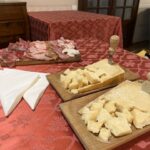
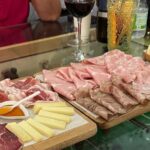
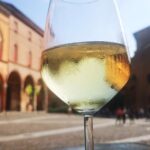
And yes, there’s food culture woven in. In addition to the art, you may get tastings like a rice cake made from a medieval recipe and a chance to sample local wine, depending on timing and what the guide has arranged.
You can also read our reviews of more walking tours in Bologna

Starting at Piazza Maggiore: the square that explains Bologna
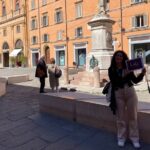
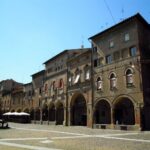
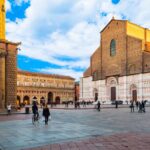
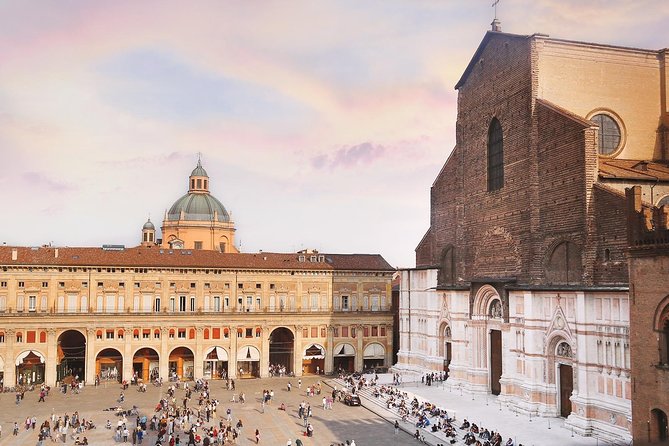
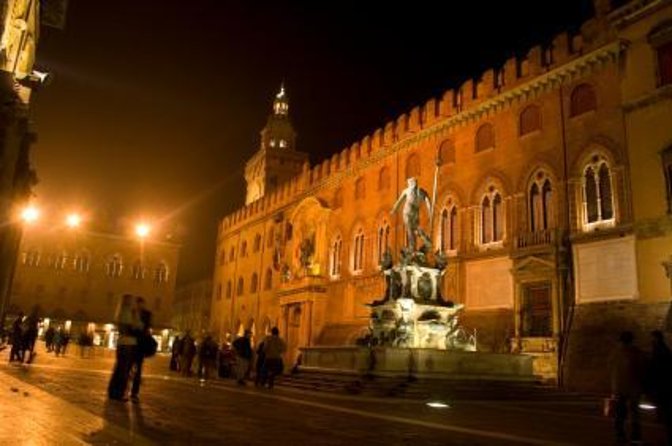
You begin where Bologna puts on its best face: Piazza Maggiore. It’s the natural starting point because the square’s medieval buildings set the tone—this city learned early how to turn civic space into political theater.
You’ll also look at the four “speaking” corners, a detail that sounds cute until you realize it’s part of how Bologna broadcast identity. Then you’ll spot secrets tied to the old textile market—important, because textiles were big money and big influence here.
If you like symbolic architecture, you’ll appreciate the mix of Renaissance and older layers too. Neptune’s fountain is a centerpiece, and the Council Palace facade has an old clock, adding that “time-meets-power” feeling.
Practical tip: the square is open and exposed. Comfortable walking shoes matter, because you’ll be doing a lot of step-by-step sightseeing close up.
Palazzo d’Accursio: frescos, noble rooms, and a weirdly human detail
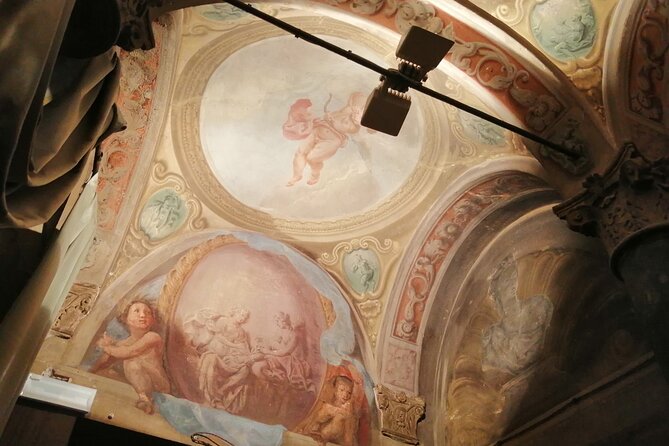
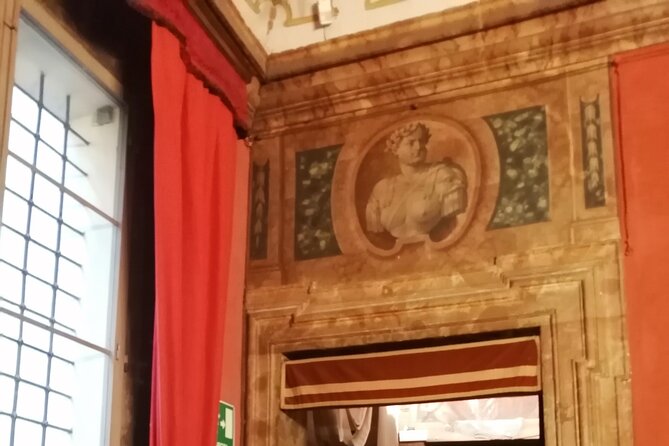
Next up is Palazzo d’Accursio, where Bologna’s civic life becomes literal art on the walls. You’ll go into noble rooms on the first and second floors, with frescos that show what authority looked like when it wanted to be admired.
This stop also has a “Bologna detail you won’t see on a bus tour” vibe. You’ll hear about a private chapel of the bishop, a space that signals how religious power sat beside civic governance.
Then comes one of those immediately memorable details: big stairs designed for horsemen by Bramante. Even if you don’t care about Renaissance architecture on paper, you can understand the function instantly—this wasn’t designed for pedestrians alone.
You also pass through a room tied to seniors and an art reference linked to Francesco Francia, plus an earthquake’s virgin. It’s the kind of story that makes you look at frescoes and chapels like living evidence, not just decoration.
Basilica di San Petronio: where the biggest sundial turns time into art
San Petronio is a major stop, and it works on multiple levels at once. You’re there for the big visual hits, but also for a technical curiosity: the biggest sundial in the world.
That detail changes how you see the church. Instead of only thinking about devotion or style, you think about measurements, design, and how people in Bologna cared about knowledge that could be seen from the outside.
Inside, you’ll also find medieval frescoes in the Cappella Bolognini chapel, plus four ancient crosses. Then there are famous paintings tied to Parmigianino and Lorenzo Costa.
One small consideration: churches can be busy, and the best moments come when you’re patient enough to look closely from the right angle. If you’re the type who rushes, slow down here.
Archiginnasio di Bologna: Europe’s oldest university, but made physical
Archiginnasio di Bologna is one of those places where the history feels less abstract. The headquarters of the oldest university in Europe isn’t just a name—it’s rooms, corridors, lecture-style spaces, and objects that show what learning looked like.
You’ll see a renaissance palace with a huge collection of coats of arms. That matters because it shows the university as a network, not a single building. You’ll also hear about “secret powerful medicine,” a phrase that signals how science, politics, and reputation were tangled together.
A standout is the wooden anatomical theatre. It’s hard to explain the effect without sounding dramatic, but the point is simple: you’re looking at a place where learning anatomy wasn’t theoretical—it was staged, structured, and public to a degree.
Then there’s the Stabat Mater room with precious books, including Leonardo da Vinci’s Flights of the birds, plus a long hall for books and ancient codes. If you care about paper, tools, and preservation, this is your reward stop.
Practical tip: don’t expect a quiet library museum. It’s an active historical site, and you’ll likely be moving through rooms with other visitors.
You can also read our reviews of more historical tours in Bologna

Quadrilatero: the medieval market maze and guild marks
After the university and churches, you step into a different Bologna mood: commerce. Quadrilatero is a medieval market labyrinth with stalls, old food shops, and the marks left behind by guilds.
This part is about atmosphere and context. Bologna’s art and architecture grew from wealth created by trade, so the market stops the story from feeling purely academic. You’ll see ancient coats of arms too, which helps you connect civic identity to who controlled what.
There isn’t much “sit and read” time here. It’s more like street-level history: you watch shopfronts, signage patterns, and the way the alleys funnel you through.
If you’re hungry (you will be), this is where you’ll feel the city’s food instincts. And if tastings are included during your slot, this is the part where it makes the most sense.
Santo Stefano: one complex, many Bologna eras
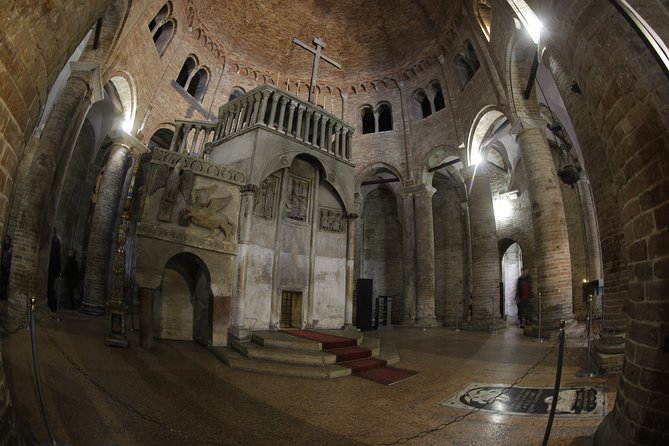
Basilica – Santuario di Santo Stefano is a stop with a big idea: the complex holds the city’s story in layers. You’ll hear it starts with a Roman temple on a natural spring, then shifts through later religious and architectural phases.
You’ll also see Dante Alighieri’s cloister. That detail is useful because it links Bologna’s intellectual culture with a physical place you can walk through, not just a name you’ve read in school.
Then you’ll move through areas connected to the monks, including cells, plus capitals shaped with animal-headed faces. That’s a fun artistic detail to focus on because it’s easy to spot once someone points you to it.
This is a long-feeling stop even if the time is controlled. So if your feet start complaining, this is a good place to keep one eye on your pace.
Santa Maria della Vita: Niccolò Dell’Arca’s terracotta that acts like theater
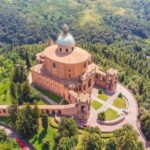
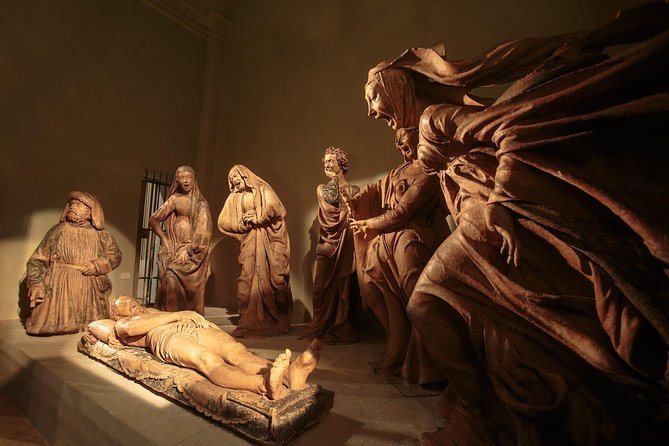
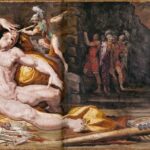
If you remember one artwork emotion from this tour, make it this one. Chiesa di Santa Maria della Vita houses a terracotta masterpiece sculptured in 1470 by Niccolò Dell’Arca.
The wow factor here isn’t only the material. It’s the movement and emotion—the way the sculpture reads like a performance frozen in clay. That’s the kind of art that makes you realize “sculpture” isn’t static.
You’ll also appreciate how the church setting changes what you feel. Stand back, then move closer, and you’ll start seeing how the expressive gestures were designed to be read in real space.
This stop includes admission, so it’s also one of the moments where part of your tour value becomes very practical.
Tower views and canal engineering: Asinelli, Garisenda, and Finestrella
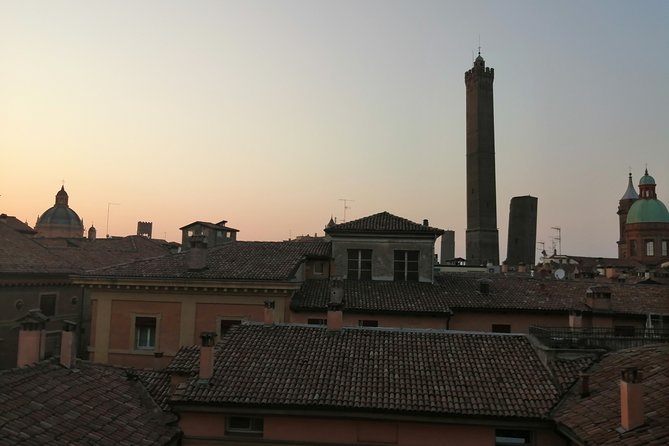
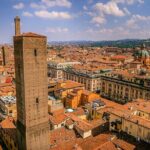
Between major sites, you get two quick “Bologna identity” moments. You’ll pause for a street-level view of the symbol towers: Asinelli (98 meters tall) and Garisenda (the leaning one). It’s short, but it’s memorable because the towers anchor everything you’ve seen—this is the skyline Bologna built its own reputation with.
Then you reach Finestrella, a rare example of medieval canals designed to supply silk and hemp textile manufacturing. It’s marked as UNESCO heritage, which you’ll feel less as a label and more as engineering in the street.
Look at the canal approach as a practical solution to an industry. It helps connect Bologna’s economic history to the art you’re seeing in churches and civic halls. Textiles made money; money funded architecture; architecture carried identity.
Palazzo Comunale: ceilings, frescoes, and stairs for horsemen
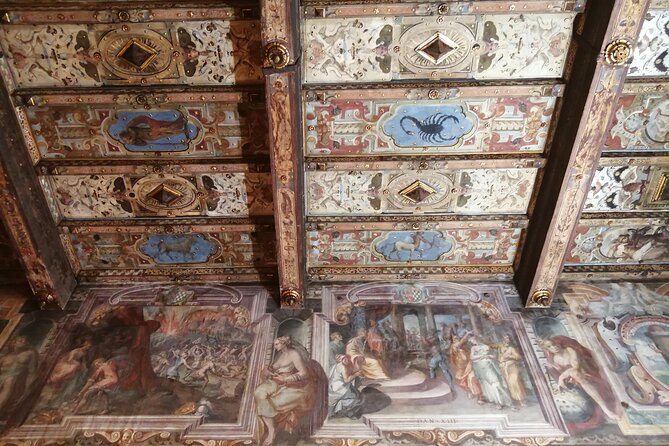
The last stretch includes another civic-arts stop: Palazzo Comunale. Here you’re looking at renaissance and baroque ceilings, plus frescoes and sculptures that show how tastes changed over time.
You’ll also hear about Bramante staircases for horsemen again—yes, it’s a repeat theme, but it’s a useful one. It reinforces that these weren’t buildings designed for modern slow tourism. They were designed for status, access, and movement.
This is a good place to take it down a notch mentally. By now you’ve seen enough ornament that you can start separating what’s symbolic from what’s purely decorative.
Price value: is $175.36 worth it?
At $175.36 per person for about 3 to 4 hours, the value comes from four things: focus, access, art stop quality, and timing.
First, this isn’t a long bus circuit. You spend real time inside key sites where art history actually lives—San Petronio, Archiginnasio, and Santa Maria della Vita have admission included. Many other stops are free, which makes the “paid moments” feel purposeful instead of padded.
Second, the guide’s storytelling looks like the main ingredient. Riccardo Bacchi is praised for fast, engaging explanations and for showing what’s in plain sight. That’s not a small thing in Bologna, where so many details blend into the scenery.
Third, there’s a small-group cap of 25 travelers, which usually means less crowd pressure and more chance to hear what matters.
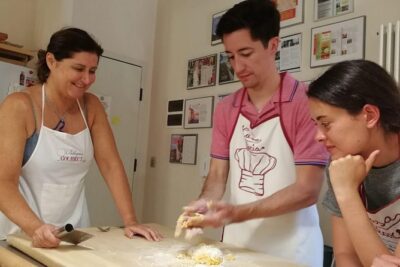
Fourth, the tour can include food tastings such as a medieval-recipe rice cake and a local wine sample. Even if you only get one small tasting, it adds a Bologna flavor to the history lesson.
Book early: it’s typically reserved around 54 days in advance on average. If you’re traveling in peak season, waiting can mean fewer good time slots.
Who this tour fits best (and who should skip it)
This walking tour is a strong fit if you want an art-and-architecture backbone to your Bologna days. It’s also ideal if you like “how the city worked” stories: commerce, education, civic power, and religious influence tied together in a route you can actually follow.
It’s especially good for:
- First-timers who want to understand Bologna fast
- People who care about churches and university history, not just photos
- Visitors who enjoy small details, inscriptions, and symbolism
Consider a different style if you:
- Hate walking between many stops
- Prefer long museum time with minimal talking
- Want a pure food tour with lots of eating, not an art tour with tastings
Should you book this Bologna historical art walking tour?
I’d say yes if you want Bologna to make sense quickly. The route gives you major anchors (Piazza Maggiore, San Petronio, Archiginnasio) and then fills in the gaps with specific art and city-history details that help you see the city differently afterward.
If your travel goal is simply to tick off famous landmarks, you might feel like it’s a lot of information in a short time. But if you like architecture stories, sculpture moments, and learning why Bologna is the way it is, this is one of the better ways to spend half a day.
Go in comfortable shoes, bring your curiosity, and let the city’s layers play out one stop at a time.
FAQ
How long is the Bologna art walking tour?
It runs about 3 to 4 hours.
Is the tour offered in English?
Yes, it’s offered in English.
Where does the tour start?
You start at Bar Vittorio Emanuele, Piazza Maggiore 1, 40124 Bologna, Italy.
How many people are in the group?
The tour has a maximum of 25 travelers.
Is admission included for the stops?
Admission is included for Basilica di San Petronio, Archiginnasio di Bologna, and Chiesa di Santa Maria della Vita. Other stops listed are free.
Is there a mobile ticket?
Yes, the tour includes a mobile ticket.
What is the cancellation policy?
Free cancellation is available if you cancel up to 24 hours before the experience starts for a full refund. If you cancel less than 24 hours before, the amount paid isn’t refunded.