REVIEW · BOLOGNA HIGHLIGHTS & HIDDEN GEMS TOURS
Bologna : Historic Center Walking Tour
Book on GetYourGuide →Operated by Guydeez Tours · Bookable on GetYourGuide
Bologna surprises you once you walk it. This 2-hour Bologna historic center tour strings together the places you actually want to see, with a local guide helping you read the city instead of just photographing it. I especially like how the walk begins at Palazzo d’Accursio, so you start with the town’s political heartbeat before you move into the squares.
Two things I like a lot. First, you get private or small-group attention, which makes it easier to ask questions as you go. Second, the guides are praised for being patient and for guiding you toward spots you’d be hard-pressed to find on your own, with examples mentioned like Louise, Jonathan, Davide, and Valerio.
The one drawback is practical: it’s only two hours and it’s mostly on foot, so if you’re dreaming of a long church linger or museum detours, you’ll need to add extra time after the tour.
In This Review
- Key highlights at a glance
- Palazzo d’Accursio and Via dell’Indipendenza: getting your bearings fast
- Piazza Maggiore: the square you’ll keep returning to
- Saint Petronio: scale, interiors, and what size means in Bologna
- Piazza della Mercanzia and Piazza Santo Stefano: the quieter rhythm of the center
- The Two Towers: medieval symbols you can spot from far away
- Guide-led value: why the answers matter more than the landmarks
- Timing, pace, and comfort for a 2-hour historic center walk
- Price and what $29 buys you in Bologna
- Who this tour suits best (and who might want a different plan)
- Quick practical notes before you go
- Should you book the Bologna Historic Center Walking Tour?
- FAQ
- FAQ
- How long is the Bologna Historic Center Walking Tour?
- What does the tour cost?
- Where is the meeting point for the tour?
- Do I need to bring a ticket for the visits?
- Is the tour private, or is it a small group?
- Is there an English-speaking guide?
- What’s included in the price?
- What is not included?
- Is the tour accessible for wheelchair users?
Key highlights at a glance
- Palazzo d’Accursio start: a smart kickoff that explains why Bologna’s center looks the way it does
- Piazza Maggiore + Saint Petronio: see the scale and details that guide interpretation you can’t get from a sign
- Piazza della Mercanzia + Piazza Santo Stefano: learn the city’s everyday rhythm, not just postcard landmarks
- Two Towers approach: a clear route that helps you notice what makes these towers iconic
- English-speaking live guide (plus more languages): you can switch to French, Italian, or Spanish as needed
- Small-group or private format: easier questions, less waiting, more control over your pacing
Palazzo d’Accursio and Via dell’Indipendenza: getting your bearings fast
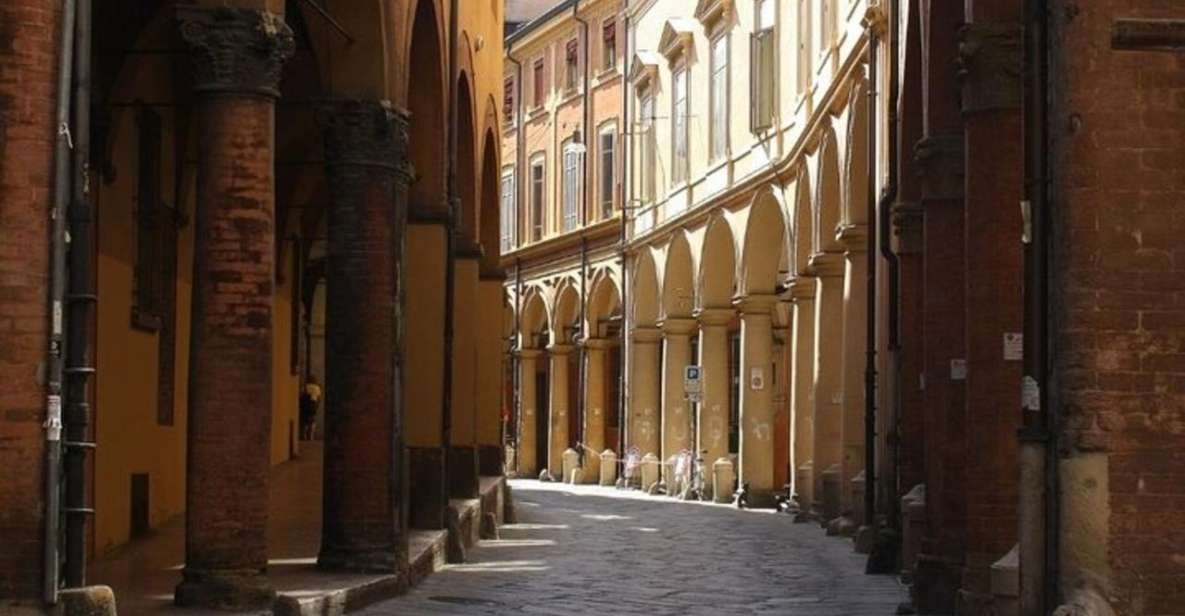
You meet at Via dell’Indipendenza, 1/5 (in front of B & B MiaVia), with the exact meeting point able to vary by option. I like this start for one reason: Palazzo d’Accursio isn’t just another impressive building. It sets context for how Bologna functions—civic life, public space, and the way power historically shaped the streets around it.
From the town-hall doorstep, the guide moves you into the maze of lanes with purpose. You don’t just pass buildings; you learn what to look for while you’re walking. That changes the whole experience, because you start noticing details sooner—doorways, street alignments, and the way the city opens up when you reach the larger squares.
You can also read our reviews of more walking tours in Bologna


Piazza Maggiore: the square you’ll keep returning to
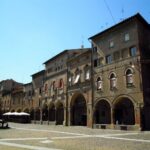
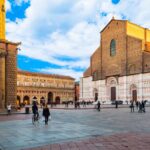
Piazza Maggiore is the kind of place where you immediately feel the city’s balance of ceremony and everyday life. It’s a hub of Medieval and Renaissance architecture, and you’ll see how that mix affects the vibe of the square—open enough to gather, detailed enough to keep your eyes busy.
Street musicians often add to the atmosphere, and cafés give the square its “real city” feel. The guide’s role here is key: you’ll get more than a quick label for each structure. You’ll learn how the square’s features relate to the bigger story of Bologna, so your photos come with understanding, not just angles.
A small caution: squares can be visually busy. If you’re the type who tries to capture everything at once, you might feel rushed when the group starts moving. The best approach is to let the guide point out the first set of landmarks, then take a minute after each explanation to look again at your own pace.
Saint Petronio: scale, interiors, and what size means in Bologna
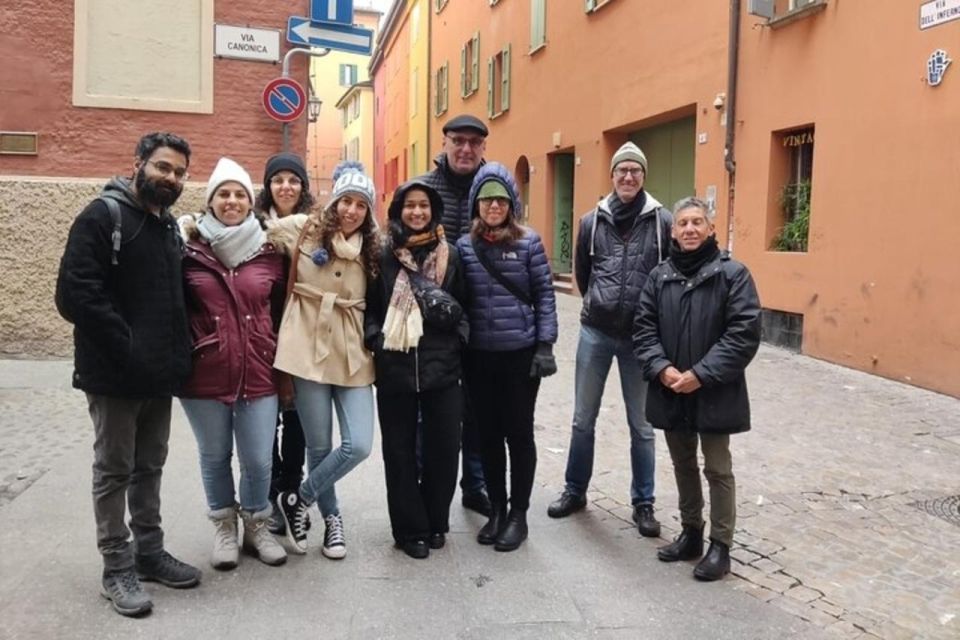
Saint Petronio is where Bologna’s religious architecture starts feeling personal. The church’s grandeur comes from its vast dimensions and intricate interiors, and those don’t land from a distance. You’ll want to take the time to look closely while your guide explains what you’re seeing.
This stop is valuable because it teaches you how to read church design. Instead of hearing only names and dates, you learn what those choices create in the space—how light and form guide attention, and why this church matters to Bologna’s identity.
One practical note: churches can mean stairs, uneven ground, and a “slow down” atmosphere. If you’re traveling with anyone who moves slowly, plan to wear comfortable shoes and expect a bit of standing and walking. It’s still very doable, just don’t plan a marathon pace.
Piazza della Mercanzia and Piazza Santo Stefano: the quieter rhythm of the center
After the big architectural beats, the tour shifts into more local-feeling squares. Piazza della Mercanzia has that charm of a smaller focal point—life gathers at the heart of the square, and you’ll feel Bologna moving at human speed.
Then you head to Piazza Santo Stefano, where the elegant buildings create a different mood. This is a place where the guide’s interpretation helps most, because the “why” behind the setting matters. You’ll understand what makes this area special and how it fits into the overall center.
I like these stops because they balance the itinerary. You get the major monuments, but you also see how Bologna spends time: people lingering, chatting, walking through, and turning corners that feel made for strolling. If your ideal day is equal parts landmark and atmosphere, this portion will keep you interested.
The Two Towers: medieval symbols you can spot from far away
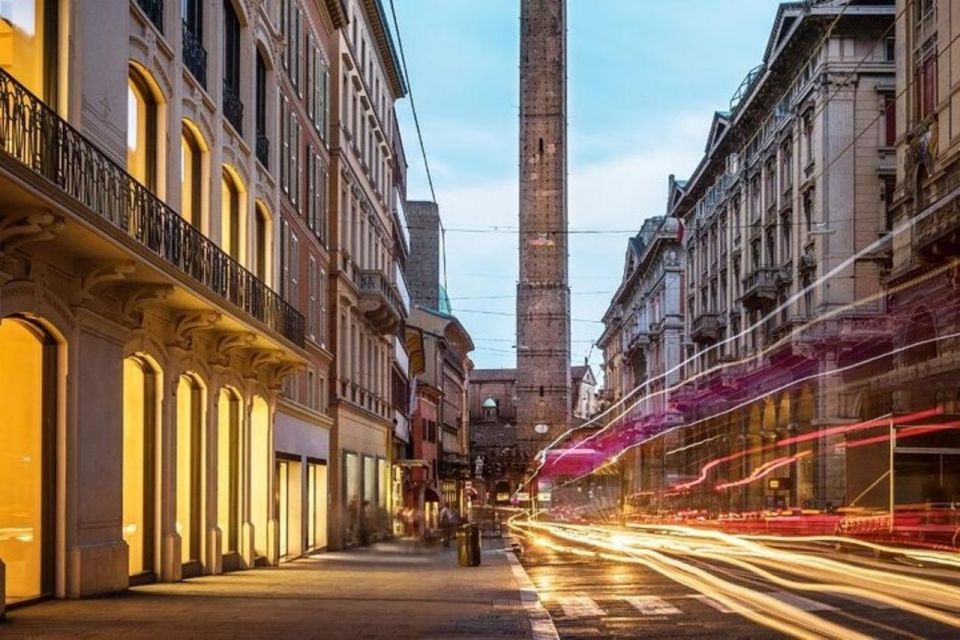
Bologna’s Two Towers are the kind of landmark you recognize even if you can’t immediately name them. On this tour, you’ll reach them at the end of the walk, with a guided approach that helps you notice what makes them so important.
Instead of arriving and taking a single photo, the guide helps you look. You’ll focus on proportions, the skyline effect, and why these towers became enduring symbols of Bologna’s medieval legacy. That extra context turns the towers from a sight into a story you can follow.
If you’re a photographer, this is a good moment to slow down. The sky and street angles can change quickly, and you’ll likely want one wider shot and one closer framing. Don’t worry about trying to nail everything at once—let the guide’s route do the heavy lifting, then take your time for the last photos.
You can also read our reviews of more historical tours in Bologna



Guide-led value: why the answers matter more than the landmarks
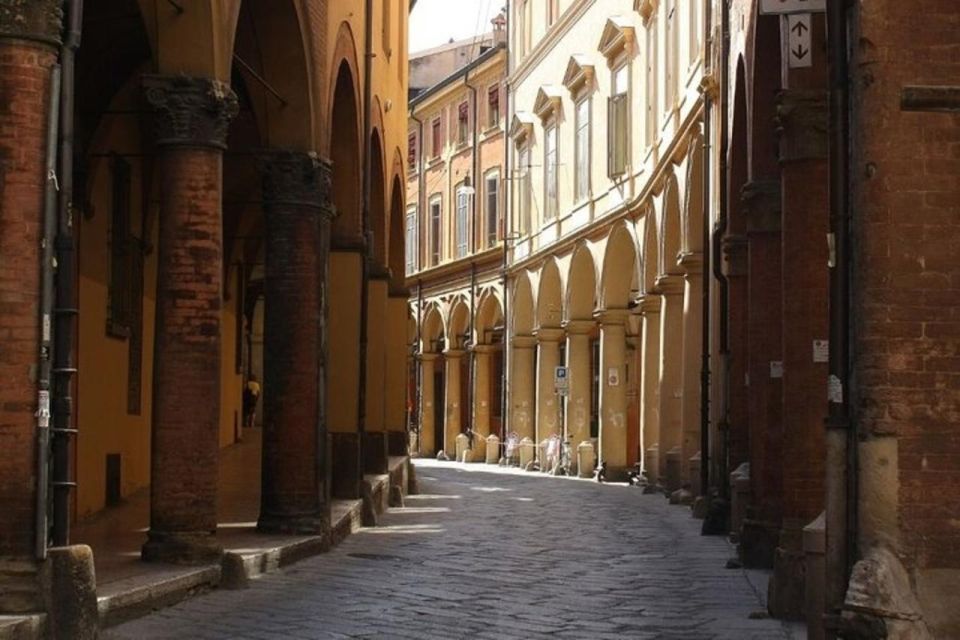
A guided walk shines when it does two things: it explains what you’re seeing and it saves you from wandering in the wrong direction. This tour is set up for both. You benefit from the guide’s familiarity with the area, which means you spend less time guessing and more time understanding.
The reviews show a consistent pattern: guides are praised for explaining calmly and for answering questions on the spot. I take that seriously. A city like Bologna rewards curious travelers, and if your questions aren’t met with a shrug, the whole experience feels richer.
You also get practical advice beyond the route. The guide can point you toward other things to do in the city, which is where a short tour often pays off. A two-hour walk can act like a map in your head, so the rest of your day becomes easier to plan.
Finally, the language options are a real comfort factor. You can get an English-speaking guide, and the live guide is also available in French, Italian, and Spanish. That matters if you want clarity without relying on a translation app.
Timing, pace, and comfort for a 2-hour historic center walk
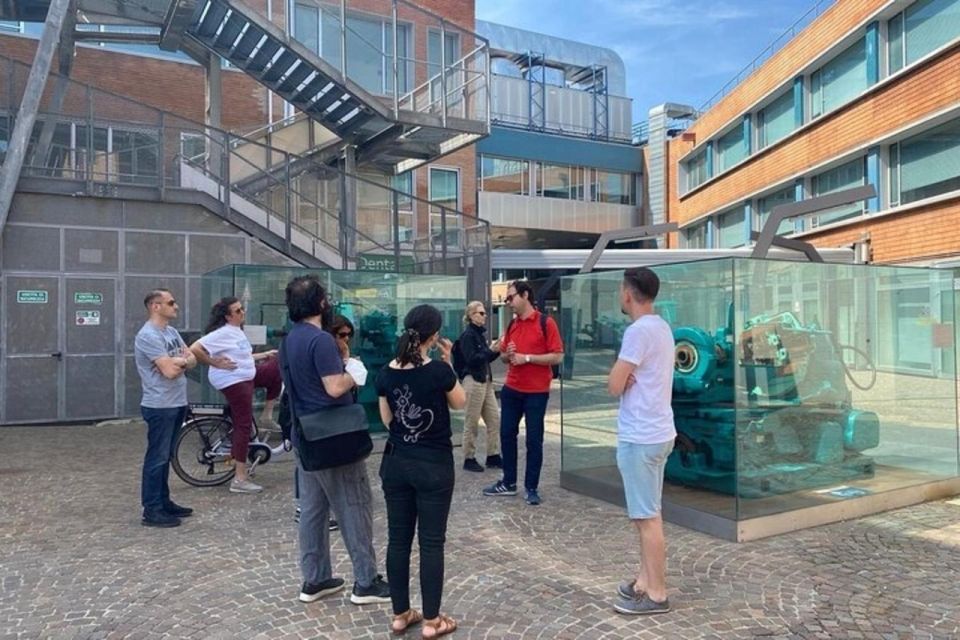
At two hours, this isn’t a slow “stare at everything” kind of tour. It’s a focused route designed to cover the main highlights while still leaving you time to continue exploring afterward on your own.
The format includes a walking tour and public transport in the mix, except if you select one of the options. Since the exact transport component can vary by option, it’s smart to wear shoes that handle both sidewalks and any transit connections. You’re spending time on your feet either way.
If you’re sensitive to crowds, the route through major squares can get lively. Going in with the expectation that you’ll stop often and listen helps. You’ll get more from each pause if you don’t treat the tour like a checklist.
Also keep your expectations aligned with the duration: you will see a lot of key sites, but you won’t have hours inside every location. If you want extra time in Saint Petronio or a longer pause at the Two Towers, plan to follow up after the tour while the area is still fresh in your mind.
Price and what $29 buys you in Bologna
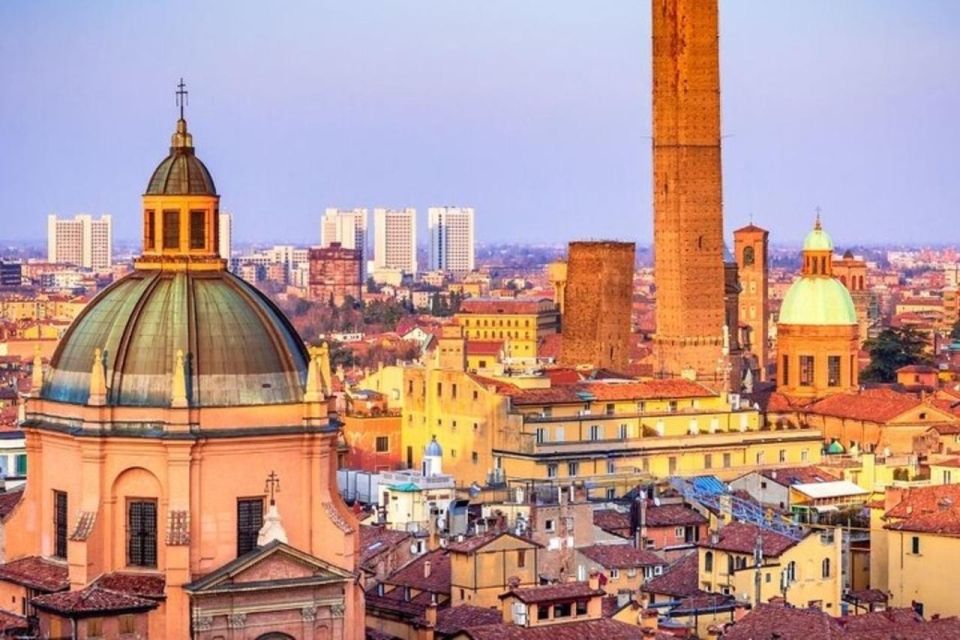
$29 per person for a 2-hour, guide-led walking experience is the right kind of price point when you value context. This tour isn’t just about seeing the names on a map. You’re paying for interpretation, route efficiency, and the ability to ask questions as you walk.
The value becomes stronger when you compare it to a “self-guided but still confused” day. Bologna is easy to romanticize and hard to fully understand without some help. A guide handles that heavy lifting, then sends you off with advice for what to do next.
There’s also flexibility built into the offering. You can reserve and pay later, and if plans change you can cancel up to 24 hours in advance for a full refund. That reduces the risk of booking early and still keeping your trip adaptable.
If you’re traveling solo, this can be a smart move for confidence. If you’re traveling with someone who wants the city explained, it’s even more worth it. If your group prefers to wander silently, a guided tour might feel too structured—though the private option can help you control the pace.
Who this tour suits best (and who might want a different plan)
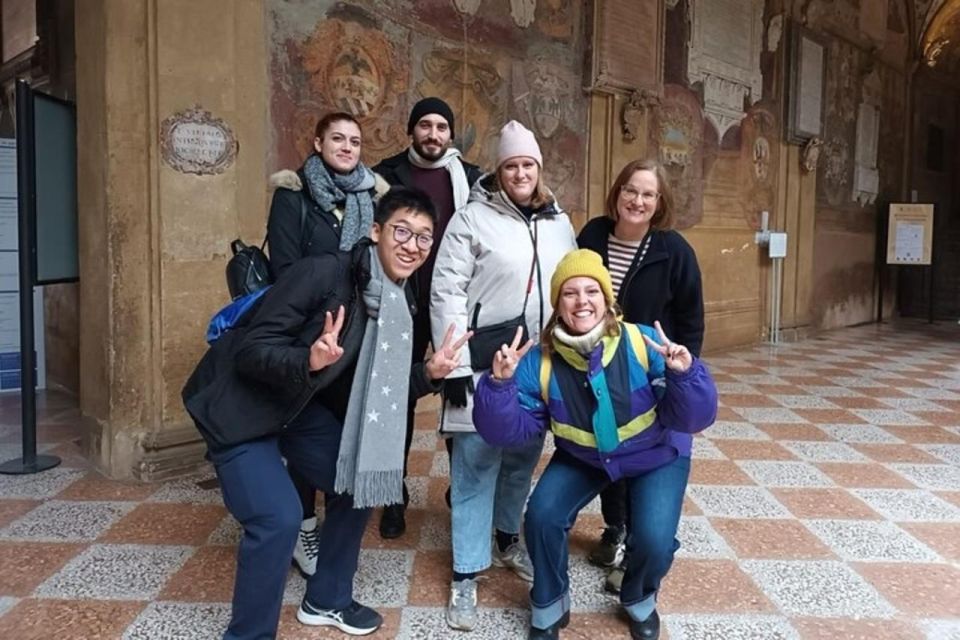
This works especially well if you want to cover Bologna’s top historic center highlights without spending your vacation stuck with a phone map. It’s great for couples, friends, and small groups who like learning while they walk.
You’ll also like it if you appreciate churches and architecture but don’t want to feel lost. Saint Petronio and the church-focused areas become much more satisfying when someone gives you a framework for what matters.
On the flip side, if you’re the type who wants long, unhurried interior time and you don’t like group timing, you might feel the pressure of a tight two-hour window. In that case, consider using the tour as an orientation, then spending the rest of your day returning to your favorite spot.
Quick practical notes before you go
- Plan for comfortable shoes because it’s a walking-first experience.
- Expect lively atmosphere in the big squares, especially near cafés and musicians.
- If you need it, the tour is listed as wheelchair accessible.
- Dress for weather; Bologna can surprise you with cool or warm conditions even when plans are sunny.
Should you book the Bologna Historic Center Walking Tour?
I’d book this if you want a high-value shortcut to understanding Bologna. The route hits major landmarks—Palazzo d’Accursio, Piazza Maggiore, Saint Petronio, Piazza della Mercanzia, Piazza Santo Stefano, and the Two Towers—while keeping the experience human and question-friendly.
Choose it when you care about context, not just photos. The best sign is consistency in what people praise: guides who explain patiently and help you find places you wouldn’t naturally stumble upon. If that sounds like your travel style, this $29, two-hour walk is an easy yes—and then you can build the rest of your day around what you learned.
FAQ
FAQ
How long is the Bologna Historic Center Walking Tour?
The tour lasts 2 hours.
What does the tour cost?
The price is $29 per person.
Where is the meeting point for the tour?
The meeting point is Via dell’Indipendenza, 1/5, 40121 Bologna BO, Italy, in front of B & B MiaVia. Meeting point may vary depending on the option booked.
Do I need to bring a ticket for the visits?
The tour includes help from the team to book tickets for the desired visits, but ticket details may vary by what you choose.
Is the tour private, or is it a small group?
You can book a private walking tour or a small group walking tour, depending on the option selected.
Is there an English-speaking guide?
Yes. The guide is live and available in English, and also in French, Italian, and Spanish.
What’s included in the price?
Included items are the walking tour and public transport (except if you select one of the option formats), help to book tickets, and an English-speaking live guide. It also notes customization is available.
What is not included?
Food and drinks are not included.
Is the tour accessible for wheelchair users?
Yes, the tour is listed as wheelchair accessible.