REVIEW · 1-DAY TOURS
Best of Bologna in one day : Food, architecture, art and history
Book on Viator →Operated by Riccardo Bacchi · Bookable on Viator
Bologna hits different when you see it through art and food, not just streets. This one-day tour strings together Piazza Maggiore, medieval and Renaissance landmarks, and a finish with a real tasting plus a pasta class. I especially love how the day mixes big-picture storytelling with specific masterpieces, and how you get Bologna flavor on the way, not at the very end.
The main catch is pace and density. It’s a lot of information in about 7 hours, and if you tend to tune out while listening, some of the details may fly past.
If you’re the type who asks questions, looks closely, and enjoys context, you’ll get far more out of this than a typical highlights walk.
In This Review
- Key highlights at a glance
- One day in Bologna that actually makes the city click
- Piazza Maggiore and Palazzo Comunale: Bologna’s public heart
- Piazza Santo Stefano: a medieval world with a tower view
- Santa Maria della Vita: terracotta genius in a Baroque setting
- Archiginnasio di Bologna: the Renaissance palace of learning
- Pinacoteca Nazionale: big names, tight focus
- Quadrilatero and San Giacomo Maggiore: food meets art
- Canale delle Moline: towers, arcades, and old-university corners
- San Domenico and Santo Stefano: art treasures in major basilicas
- Bruno e Franco salumi tasting: the Bologna meal you can walk to
- Pasta class at Bruno e Franco: how Bologna’s comfort food gets made
- Price and value: is $174.69 worth it?
- Who should book this one-day Bologna “best of”
- Should you book it?
- FAQ
- Is this tour offered in English?
- How long is the experience?
- Where does the tour start?
- Is this a private tour?
- Are admission tickets included?
- What food experiences are included?
Key highlights at a glance
- Riccardo Bacchi as guide: art-history depth, clear explanations, and a knack for pointing out details most people miss
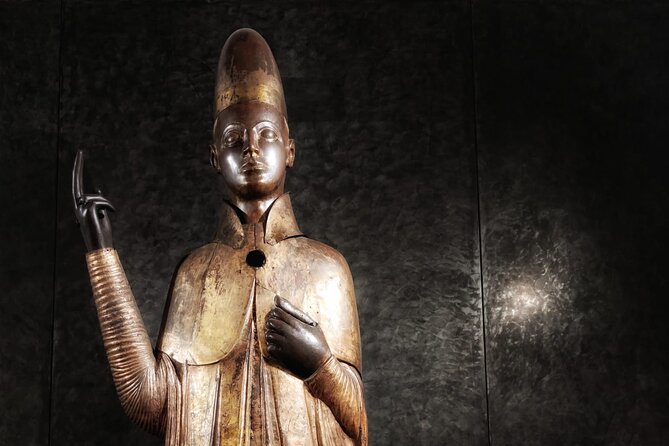
- Terracotta trail: Nicolo’ dell’Arca works show up more than once, across different churches and collections
- University of Bologna stops: frescoed halls plus the wooden anatomical theatre at Archiginnasio di Bologna
- Top-tier museum art: Pinacoteca Nazionale covers major painters from Giotto onward
- Food that feels local: salumi, Parmigiano Reggiano, balsamic, and classic Bologna dishes in one tasting stop
- Hands-on cooking: a short pasta class tied directly to Bologna favorites
One day in Bologna that actually makes the city click
Bologna can look deceptively simple from a distance: porticoes, towers, and red-brick charm. This tour changes that by giving you a map of why the city built what it built, painted what it painted, and ate what it ate. You start at the showpiece square and then work outward through university culture, major churches, and the art collections people travel for.
The big value here is that you’re not bouncing between unrelated sights. You’re seeing themes repeat—power, faith, learning, and food—and the guide ties each stop into the next. That makes it easier to remember what you saw and spot the same symbols across different centuries.
You can also read our reviews of more food & drink experiences in Bologna
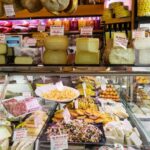
Piazza Maggiore and Palazzo Comunale: Bologna’s public heart
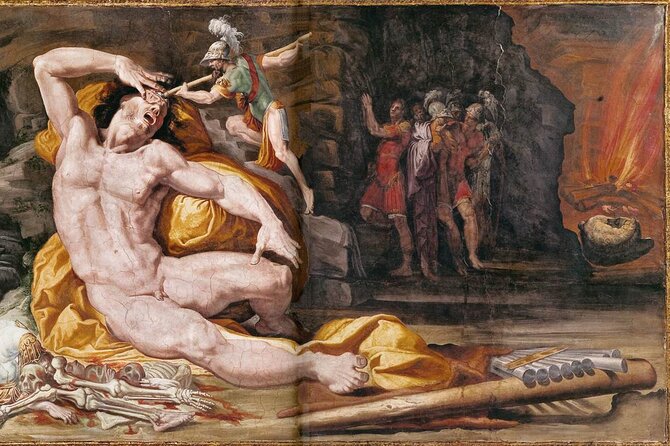
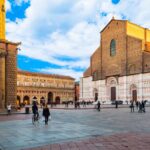
You begin in the power center of the city: Piazza Maggiore. Even before you step inside, the square’s masterpieces set the tone—think terracotta works by Nicolo’ dell’Arca, plus the famous Fountain of Neptune. It’s the kind of landmark that looks nice in photos, but gets much better when you understand what it was meant to project.
From there, the tour focuses on the city’s civic identity inside Palazzo Comunale. You’ll see frescoed rooms, a grand staircase featuring Bramane’s horses, and other “small jewels” that are easy to miss when you’re walking through on your own. If you love architecture, this is a strong start because you’re learning how the public buildings express status and belief, not just decoration.
Practical note: this is one of the stops where you’ll feel the time crunch, so pay attention to what the guide points out. The best results come from active watching, not just drifting.
Piazza Santo Stefano: a medieval world with a tower view
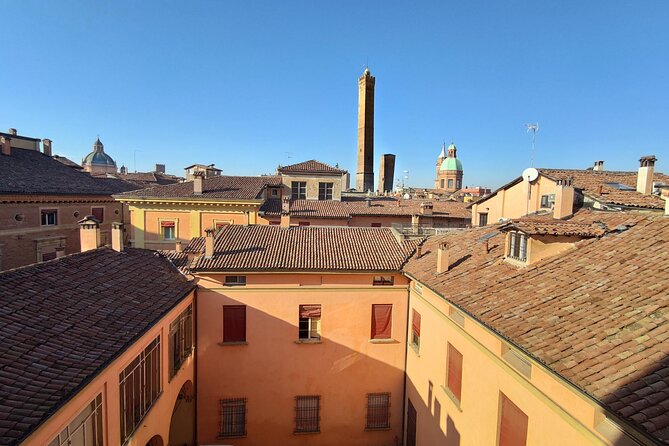
Next comes a complex that feels like a city inside the city: Piazza Santo Stefano. You’re walking through early medieval buildings with medieval and Romanesque interiors, plus Gothic palaces and frescoed spaces. It’s a great contrast with Piazza Maggiore because here the story is older, more layered, and more about lived-in history.
One of the standout elements is the range of “in-between” details—medieval porticoes, spiral staircases, and a terrace view where Bologna’s towers show up from higher ground. That terrace moment is helpful because it gives you a mental picture for the rest of your day. When you later see towers and arcades around town, you’ll have a reference point.
The drawback? The architecture is complex. If you don’t like switching gears between rooms and styles, you might feel a little mentally overloaded here.
Santa Maria della Vita: terracotta genius in a Baroque setting
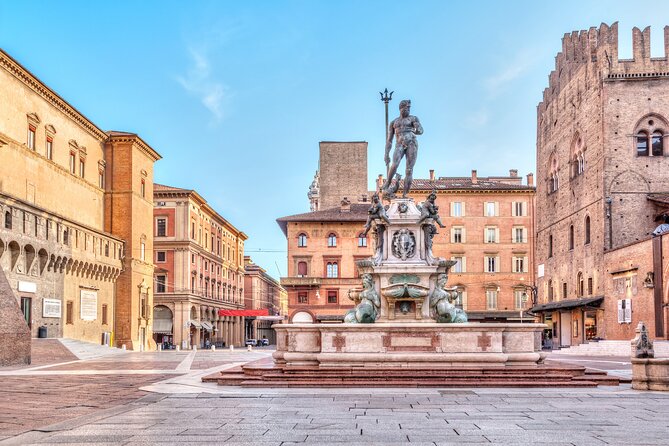
The tour shifts into a different kind of art with Chiesa di Santa Maria della Vita. This Baroque church is home to the Lamentation by Nicolo’ dell’Arca, a Renaissance terracotta masterpiece. Seeing terracotta art in a church setting changes how you read it—details that might seem “small” on a screen become emotionally loud in person.
This stop is short, but it’s the kind of quick hit that sticks. Terracotta works aren’t just about craft. They’re about how artists made emotion physical, using sculpture texture, facial expression, and dramatic staging.
If you want to learn quickly, this is one of the places where the guide’s eye for context pays off fast.
Archiginnasio di Bologna: the Renaissance palace of learning
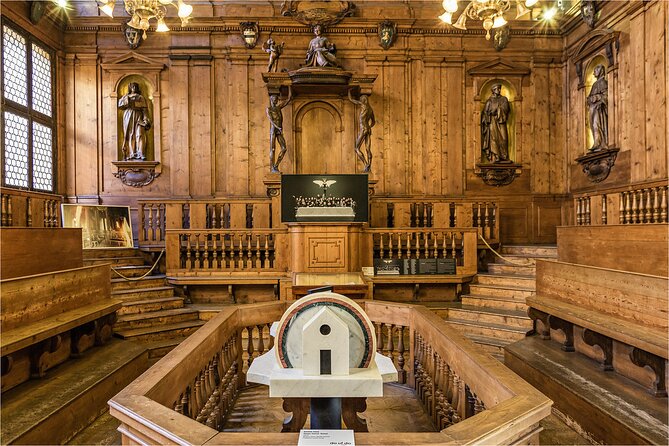
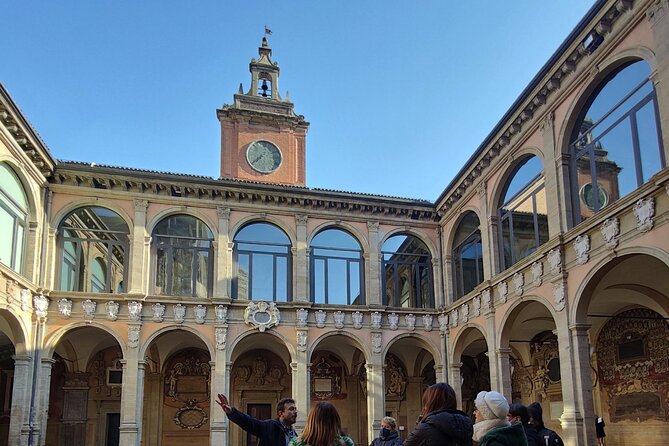
Then you jump to the university’s legacy in Archiginnasio di Bologna, an ancient Renaissance and Baroque palace connected to the University of Bologna. What makes this stop special is how it turns learning into architecture. You’re not just seeing a building—you’re seeing a symbol of how Bologna positioned education as serious civic identity.
Inside, you’ll notice frescoed rooms and the historical library atmosphere. But the star moment is the wooden anatomical theatre. Even if medicine isn’t your main interest, this is one of those “only in Bologna” experiences that turns history into something tangible.
You should expect the guide to connect the university’s status to broader European ideas about science and study. If you enjoy that kind of explanation, you’ll feel like the day got a level-up.
You can also read our reviews of more tours and experiences in Bologna


Pinacoteca Nazionale: big names, tight focus
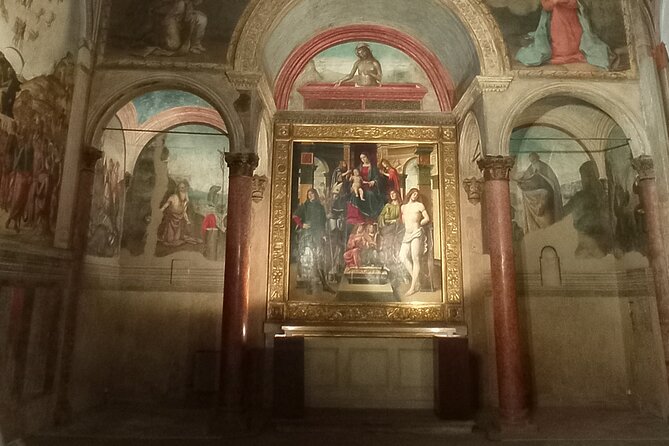
Next is Pinacoteca Nazionale di Bologna, one of the key painting museums in Italy. The tour frames it by time period and by major artists: works from Giotto to Raphael, Titian to Guido Reni, plus names like Ercole de Roberti, the Carracci circle, Guercino, Vitale da Bologna, and Parmigianino.
A 40-minute museum stop can sound rushed. Here’s the good news: the guide doesn’t try to cover everything. Instead, you get a structured way to look—what to notice in brushwork, subject choices, and stylistic evolution across artists. That approach makes the museum feel less like a checklist and more like a guided learning experience.
If you’re the type who loves museums but hates “too much, too fast,” ask the guide questions as you go. The tour’s value is in turning observation into understanding.
Quadrilatero and San Giacomo Maggiore: food meets art
After the art museum, the tour goes straight into the streets where Bologna eats: Quadrilatero. This historic market area is often described as food and history together, and it fits the bill. You’ll walk among stalls and taverns, plus traditional shops—exactly the kind of place where locals pick up everyday treats and where the city’s gastronomic identity feels physical.
The best part is how the day uses food as a storytelling tool. Bologna isn’t just one dish; it’s a system of cured meats, pastas, cheeses, and sauces with deep local roots. When you understand that, later meals make more sense.
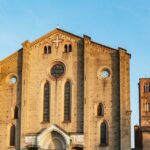
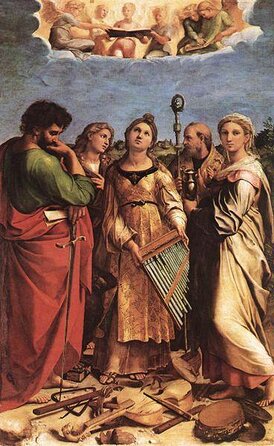
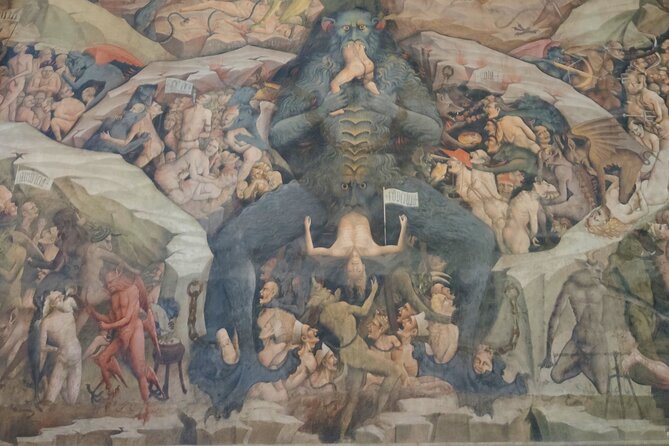
Right after Quadrilatero, you visit Chiesa di San Giacomo Maggiore. This is an art gallery church with the famous Bentivoglio Chapel, a standout of the Emilian Renaissance. You also get the Oratory of Santa Cecilia with frescoes and musical venues—again, a reminder that Bologna’s religious spaces were also places where culture and performance lived.
If you’re not into churches, you might still enjoy this one because it’s so art-forward and detailed.
Canale delle Moline: towers, arcades, and old-university corners
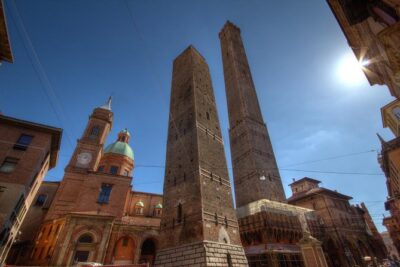
A short but satisfying stop comes at Canale delle Moline. Here you’re looking at towers and arcades, medieval houses, palaces, and that extra layer of Bologna creativity—hidden canals, noble staircases, frescoed halls, and oratories.
This is the kind of place where it’s easy to walk past and think you’ll remember it later. The guide helps you slow down enough to notice the architecture logic. And because Bologna’s oldest-university identity keeps showing up around town, this stop feels like a quiet bridge between the university palace and the bigger basilica visits later.
San Domenico and Santo Stefano: art treasures in major basilicas
Now the tour shifts to big-ticket church art at Basilica di San Domenico. This is a treasure trove where the highlights include the Ark of Nicola Pisano, works connected to Nicolò and Michelangelo, and the alchemical wooden choir. You’ll also hear about Mozart’s favorite organ, plus take in the Renaissance cloister.
This stop matters because it shows Bologna’s reach: sculpture, painting, music culture, and craft all folded into one religious setting. It’s not just “pretty church.” It’s where you see why Bologna mattered to artists and thinkers over time.
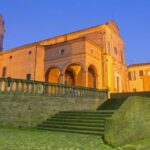
After that comes Basilina – Santuario di Santo Stefano, a medieval and early medieval complex built in the image and likeness of the Holy Sepulcher of Jerusalem. That theme of imitation matters. It’s part of how religious places educated and inspired pilgrims without anyone leaving Europe.
Bruno e Franco salumi tasting: the Bologna meal you can walk to
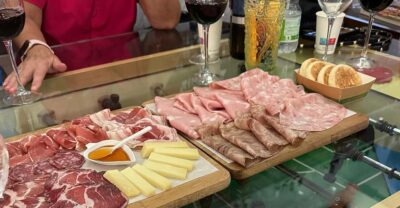
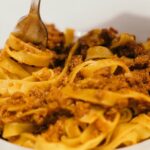
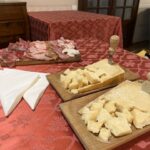
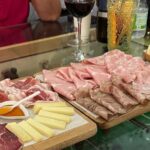
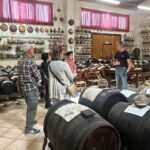
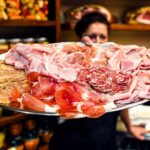
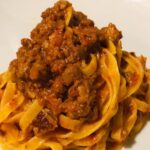
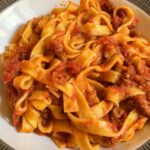
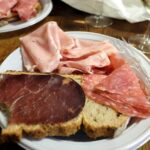
After all that stone and paint, the tour gives you the payoff: a tasting at Bruno e Franco – La Salumeria. This is where Bologna flavors stop being trivia and become your personal memory. You’ll sample figs and Parma ham, culatello, salami, mortadella, meatballs and peas in Bologna style, and tagliatelle with ragout.
There’s also Parmigiano Reggiano aged around 3 to 4 years, traditional green lasagne bolognesi, and traditional Modena balsamic vinegar aged up to 24 years. It’s a lot for one hour, and it’s meant to give you a real sense of how the local pantry works.
Practical tip: if you’re sensitive to strong flavors, go slowly. The point isn’t to speed through. It’s to taste and then connect it back to what you learned earlier about craft, trade, and regional pride.
Pasta class at Bruno e Franco: how Bologna’s comfort food gets made
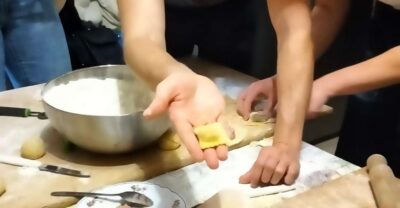
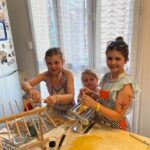
The day doesn’t end with eating. It ends with action: a short cooking class at Bruno e Franco. You’ll learn about pasta alla Bolognese—pasta with egg for shapes like tagliatelle, tortellini, lasagna, balanzoni, tortelloni, and passatelli. Even if you only get a partial hands-on experience in 30 minutes, you’ll leave with a stronger connection to what you tasted.
This is a smart pairing with the tasting. Once you know the role of eggs and shaping in the texture and sauce pickup, tagliatelle and lasagna stop being generic names. You start understanding why Bologna does things the way it does.
Price and value: is $174.69 worth it?
At $174.69 per person for about 7 hours, you’re paying for three things that are hard to reproduce alone: tight routing, guided context, and included access where it counts.
Several major stops include admission tickets, and you also get a pasta class with ticket included. On top of that, the day blends museums, civic palaces, and basilicas with a tasting that’s more than a token sample. If you’re only in Bologna for one or two days, the value is strongest because this tour packs your “must-see” list into a coherent story.
Where you might hesitate is if you prefer quiet self-paced exploring. A guided day like this has a rhythm, and the guide’s level of detail means you’ll get more out of it if you actively listen and participate.
Who should book this one-day Bologna “best of”
I think this tour is a great match if you:
- want art history tied to real places (not abstract facts)
- like church interiors that feel like museums
- enjoy food as part of culture, not just a snack
- have limited time and want to see a lot without feeling lost
It’s also a strong choice if you enjoy a guide who can explain the “why” behind architecture, symbolism, and scientific or medical history connections tied to Bologna.
If you hate museums, dislike walking, or struggle with heavy listening during tours, you might find the information load tiring.
Should you book it?
If your goal is to understand Bologna fast—and taste it while doing so—this is an easy yes. The route hits the city’s key art, university identity, and major basilicas, and it finishes with a tasting and a pasta class that makes the whole day feel earned.
Book it if you want structure, depth, and high-impact stops without planning. Pass if you want a slow stroll with minimal explanation.
If you do book, bring your best “active listening” mode and wear comfortable walking shoes. This day rewards people who look up from their phone and pay attention to the small things.
FAQ
Is this tour offered in English?
Yes. The tour is offered in English.
How long is the experience?
It runs for about 7 hours.
Where does the tour start?
It starts at Bar Vittorio Emanuele in Piazza Maggiore 1, Bologna, and ends back at the meeting point.
Is this a private tour?
Yes. Only your group will participate.
Are admission tickets included?
Admission tickets are included for several stops (including Piazza Maggiore, Piazza Santo Stefano, Santa Maria della Vita, Archiginnasio di Bologna, Pinacoteca Nazionale di Bologna, and the pasta cooking class). Some other stops in churches/areas are free.
What food experiences are included?
You get tastings at Bruno e Franco – La Salumeria, plus a short cooking class focused on pasta alla Bolognese.