REVIEW · WALKING TOURS
Bologna: Guided Walking Tour
Book on GetYourGuide →Operated by Manuela Roversi · Bookable on GetYourGuide
Bologna is easier to read on foot. This 3-hour guided walk turns major sights like Piazza Maggiore and its palaces into a story, not a checklist, and you also get the student-life angle that explains why Bologna earns nicknames like La Dotta. I love how the route connects architecture to everyday life, including food culture at Mercato di Mezzo. I also like that you’ll see the city’s covered passages and porticoes up close, so the walk feels very Bologna, not just sightseeing.
One thing to plan for: church stops have a dress code. You’ll need covered shoulders and no shorts when entering churches, and the anatomy theater visit costs extra and must be booked in advance.
In This Review
- Key takeaways before you walk in Bologna
- Piazza Maggiore first: Neptune, palaces, and getting your bearings fast
- Palaces, towers, and Bologna’s famous vertical drama
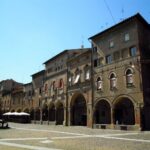
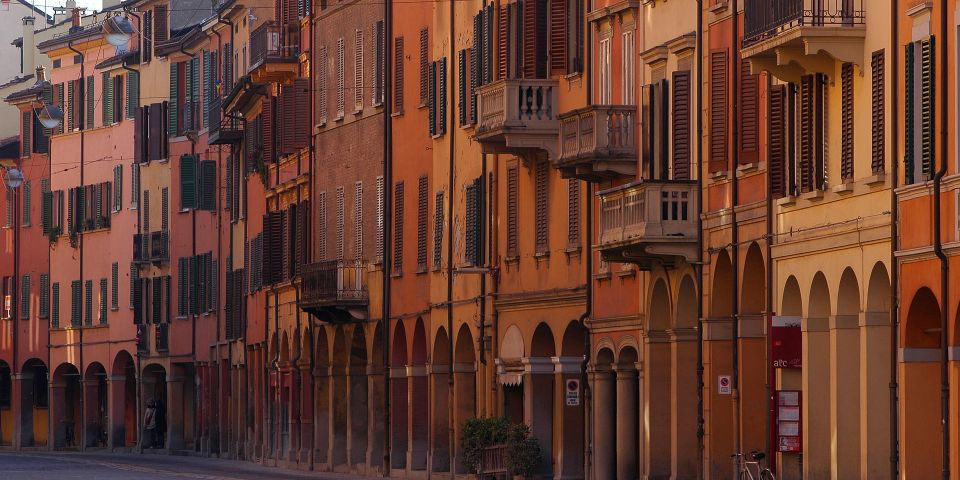
- The porticoes of Piazza Santo Stefano: why Bologna is built for walking
- Archiginnasio and the Anatomy Theatre: when the “learned” story becomes real
- Basilica of Saint Petronio: the longest sundial detail you’ll want to spot
- Santo Stefano and the porticoes loop: seven churches in walking form
- Court Isolani and Via Strada Maggiore: small covered details that feel big
- Mercato di Mezzo: food culture that makes the city make sense
- Price and value: what $118.95 per group really means
- Who this tour suits best (and who should skip it)
- Practical tips: shoes, coverage rules, and what to do if it rains
- Final verdict: should you book this Bologna walking tour?
- FAQ
- How much does the Bologna guided walking tour cost?
- How long is the tour?
- Where do we meet for the tour?
- What’s included in the price?
- Is entry to the Anatomy Theatre of the Archiginnasio included?
- What should I wear for the church stops?
- Is this tour wheelchair accessible, and what languages are offered?
Key takeaways before you walk in Bologna
- Piazza Maggiore sets the stage: Neptune’s Fountain, the Palazzo del Podestà, and the main square energy kick off the tour.
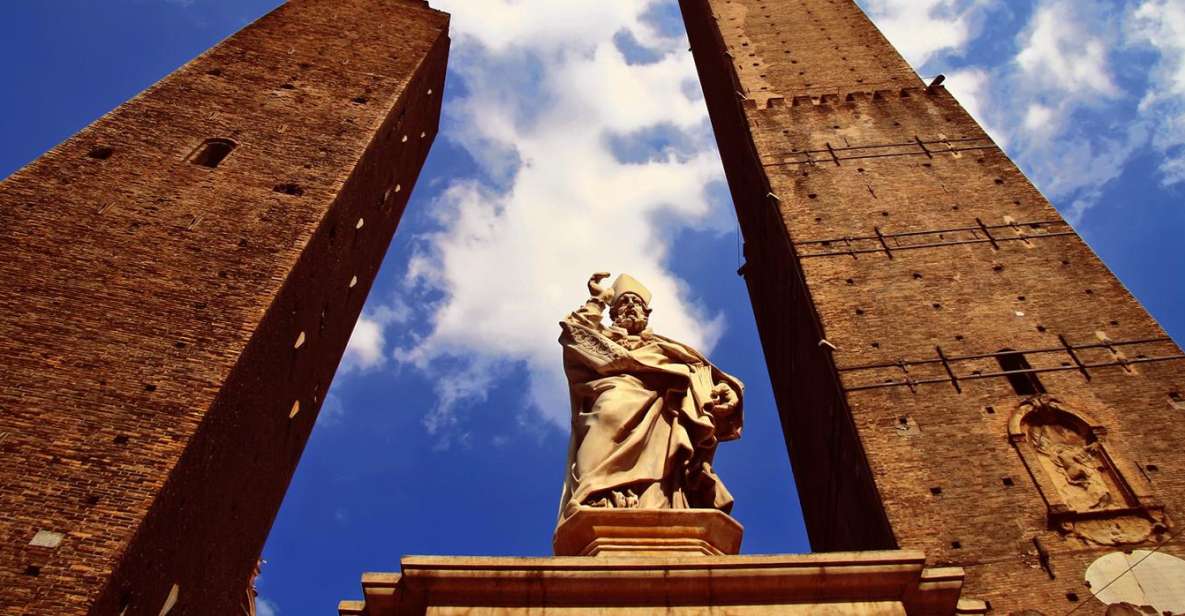
- Two leaning towers and Torre Galluzzi: you’ll get the “why” behind Bologna’s medieval skyline.
- Porticoes are the real transportation system: you’ll walk under the arches of Piazza Santo Stefano and beyond.
- University of Bologna focus: the Archiginnasio and the Anatomical Theatre explain why La Dotta matters.
- Bonus church detail: the Basilica of Saint Petronio includes the longest sundial, a fun fact you won’t forget.
- Food culture stop: Mercato di Mezzo gives you a practical sense of why locals take eating seriously.
Piazza Maggiore first: Neptune, palaces, and getting your bearings fast
Your tour starts at Piazza del Podestà, right by Piazza Maggiore (near the Bologna Welcome tourist office entrance). From step one, you’re placed in the city’s main “stage,” which matters because Bologna is packed with layers. If you start here, everything you see later makes more sense.
Expect to work through the most recognizable anchors: Piazza Maggiore itself, the Fountain of Neptune, and the Palazzo del Podestà. This is where you learn the rhythm of the area—public space, power, and design—without feeling like you’re stuck staring at a postcard. I like that the guide frames it as a living place, not a frozen museum.
You can also read our reviews of more walking tours in Bologna


Palaces, towers, and Bologna’s famous vertical drama
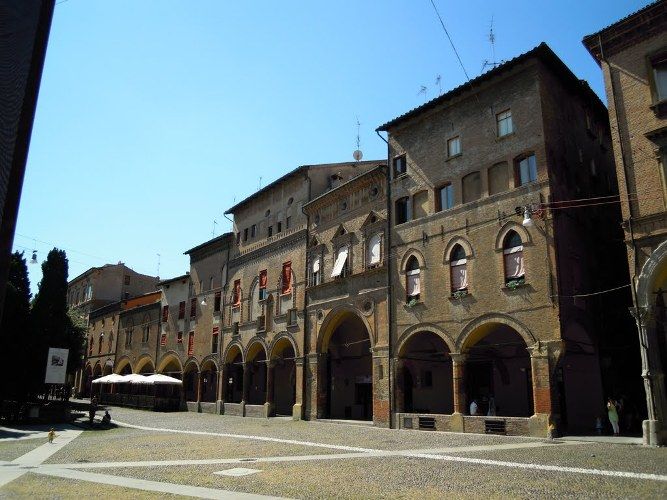
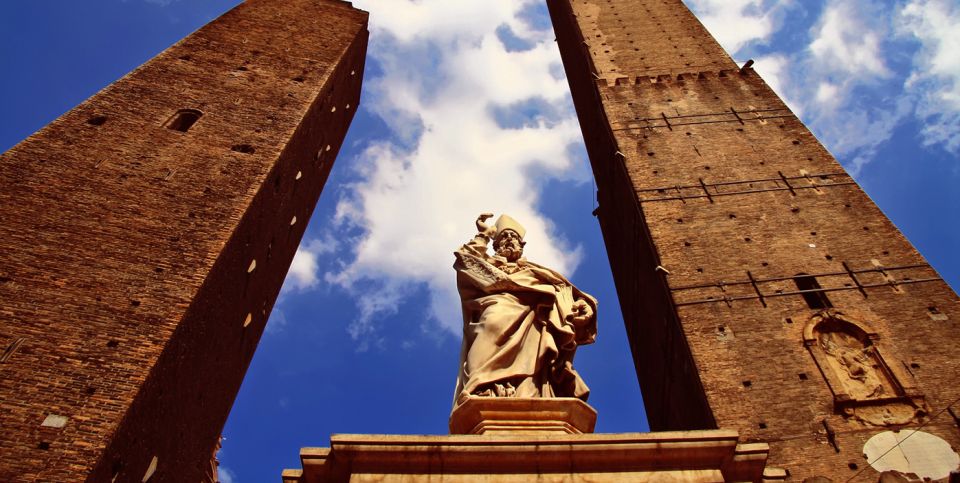
After Piazza Maggiore, the walk moves into the city’s medieval height game. You’ll see the palaces around the square area, then continue toward the skyline moments: the two leaning towers plus Torre Galluzzi. Those silhouettes are eye-catching, but the tour’s real value is context—why these towers exist, how they fit into Bologna’s history, and how the city became known for layers of time.
A short tower like Torre Galluzzi adds contrast. It helps you spot what’s going on beyond the obvious “must-see” names. Even if towers aren’t your usual obsession, this section is the kind that makes you start noticing details on side streets, doorways, and building shapes as you go.
The porticoes of Piazza Santo Stefano: why Bologna is built for walking
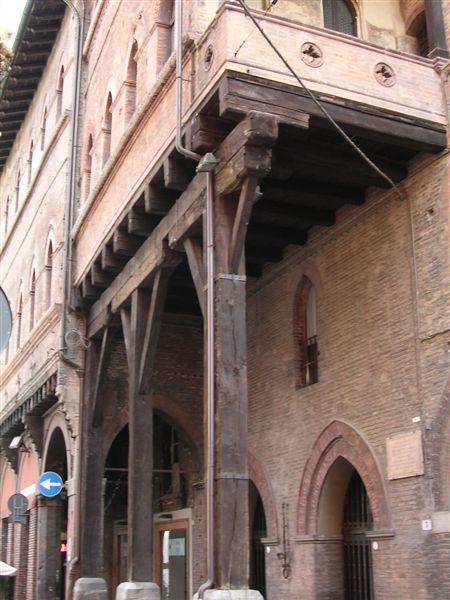
This tour earns its keep with porticoes. Bologna’s covered walkways aren’t just pretty. They’re practical, they protect you from weather, and they shape how people move through the city.
You’ll stroll along Via Farini and continue toward Piazza Santo Stefano’s porticoes. The stop gives you that satisfying moment where you realize the architecture is doing the work of a transit system. The arches also make the walking feel easier because you can duck in and out of rain or sun without losing your pace.
There’s also a covered passageway of the Court Isolani on the way to Via Strada Maggiore. That kind of in-between space is exactly where Bologna shows its personality. It feels like you’re stepping through a secret shortcut, even though it’s a real working part of the city.
Archiginnasio and the Anatomy Theatre: when the “learned” story becomes real
Bologna’s nickname La Dotta gets more than a one-sentence mention here. The route brings you into the university story and the Archiginnasio, where the focus shifts from streets to institutions.
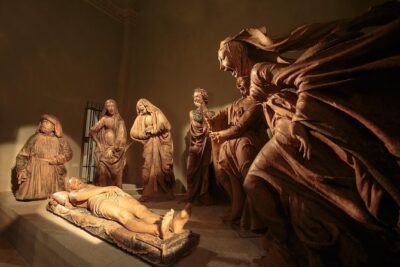
You’ll learn about one of Europe’s oldest universities, and the tour includes time focused on the Anatomical Theatre at the Archiginnasio. This is where the experience can turn “good” into “wow,” because the structure isn’t just historical—it’s unusual in form and purpose.
Important practical note: entrance to the Anatomy Theatre is not included. Plan for an extra €3.50 per person, and you must book in advance. If you skip that planning step, you might miss the part people tend to remember most. If you care about seeing the interior, treat this as a pre-trip checklist item.
Basilica of Saint Petronio: the longest sundial detail you’ll want to spot

One of the highlights is the Basilica of Saint Petronio and, specifically, the longest sundial. That’s the kind of detail that turns a big church stop into something you can actually look for, rather than just pass through.
You’ll want comfortable shoes here—church floors and long stone corridors can add up fast. And remember the dress code: you must be covered when entering churches. No shorts, and your shoulders must be covered. I’d pack a lightweight layer you can put on quickly. It saves you from last-minute stress.
The tour also weaves in why Bologna is known as La Rossa (the red) and La Grassa (the fat). Even if you’ve only heard those nicknames once before, hearing them linked to specific places and materials makes the city feel less like trivia and more like a place with a point of view.
You can also read our reviews of more guided tours in Bologna


Santo Stefano and the porticoes loop: seven churches in walking form
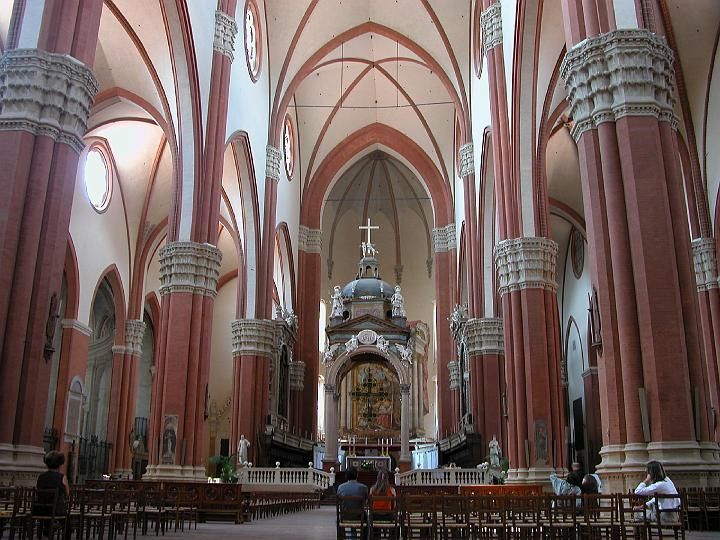
Piazza Santo Stefano is a highlight for a reason. You’re walking through a church complex vibe that’s visually rewarding and easy to slow down in, because the area is designed for lingering.
The tour includes the magnificent porticoes of Piazza Santo Stefano and the Santo Stefano basilica area. In practice, this part of the route helps you understand Bologna’s approach to sacred space—how churches sit within the city texture, not outside it. One advantage of covering this on foot is that you can notice the transitions: where streets narrow, how arches create rhythm, and how the church area changes the pace of your walking.
Some guides also help you tie this back to Bologna’s reputation as a city of minds and food and red-toned architecture. It’s not random. It’s all the same story, just told in different backdrops.
Court Isolani and Via Strada Maggiore: small covered details that feel big
After the major squares and church focus, you get some of Bologna’s best “in-between” moments. The Court Isolani covered passageway and the approach toward Via Strada Maggiore give you a break from open-air walking while keeping you moving.
These segments are the kind you’ll appreciate later, when you’re trying to remember what streets felt like. They also help if you get tired of standing around. In a three-hour tour, speed matters, and this route keeps you from doing only photo stops.
Mercato di Mezzo: food culture that makes the city make sense
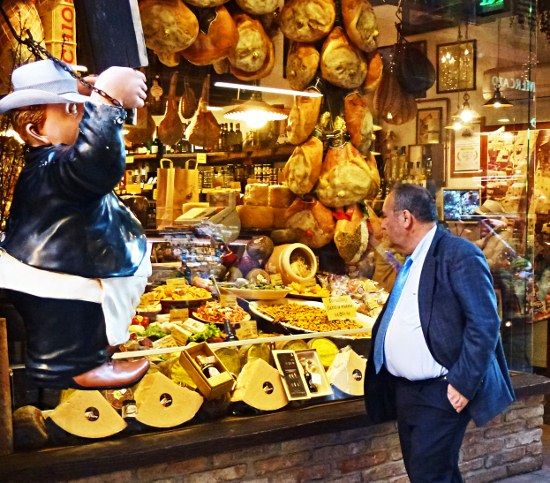
Bologna has a reputation for food, and this stop explains the why in a real-world way. You’ll head to Mercato di Mezzo and you’ll have a chance to chat with locals about why food is so important here.
This isn’t just a market photo moment. It’s a cultural translation. You learn how eating connects to daily rhythm and identity, and it helps you understand La Grassa beyond the nickname. If you like food, you’ll probably start scanning menus later with new eyes.
Even if you don’t plan to eat on the spot, the atmosphere does something useful: it makes Bologna feel like a working city. And that’s the best kind of souvenir.
Price and value: what $118.95 per group really means
The price is $118.95 per group (up to 5 people) for a 3-hour walking tour with a live guide. Because it’s priced per group, your value improves fast if you’re traveling with friends or family.
Quick math helps you decide:
- If you fill 5 spots, it’s about $23.79 per person.
- If it’s just 2 people, it’s about $59.48 per person.
Either way, you’re paying for a guide, a timed route, and the ability to stitch together architecture, nicknames, and university details in a way you won’t get from wandering alone. The only extra you might realistically plan for is the Anatomical Theatre entry (€3.50 per person) if you want to go inside.
Also, it’s a private group tour, and past experiences with guides like Manuela Roversi (and others such as Giulia) point to one big value driver: your guide adjusts pace and attention. On busy days—or in rough weather—that kind of flexibility is worth something.
Who this tour suits best (and who should skip it)
This tour is a strong fit if you:
- Want the main Bologna highlights without juggling tickets and planning for every stop.
- Care about the university angle, not just churches and towers.
- Prefer a guided route that explains nicknames like La Dotta, La Grassa, and La Rossa as you walk through the city.
It might be less ideal if:
- You dislike walking (this is still a 3-hour stroll with many stops).
- You’re not willing to follow the church dress code.
- You don’t want to handle extra ticket planning for the Anatomical Theatre, since it’s not included and must be booked in advance.
Practical tips: shoes, coverage rules, and what to do if it rains
Plan for comfortable shoes. The tour includes multiple monuments and several walking segments, including porticoes where your footing can be different from open streets.
Dress code is real. For church entrances, you must be covered up: no shorts and shoulders covered. A light scarf or layer can solve a lot in seconds.
Rain happens in Bologna, and one of the reasons people rate this tour highly is how the guide handles weather. In a pouring-rain situation, the guide made serious effort to keep everyone as dry as possible. So yes, you’ll still walk, but you’re not walking blind into bad conditions.
Final verdict: should you book this Bologna walking tour?
If you want a smooth 3-hour overview of Bologna that connects the big sights—Piazza Maggiore, porticoes, leaning towers, Santo Stefano, Saint Petronio, and the university—this is a smart booking. The guide-led story is what makes the route click, especially the Archiginnasio and the anatomical theater component, plus the practical food culture stop at Mercato di Mezzo.
Book it if you’re open to church dress rules and you’ll plan for the extra €3.50 entry (and advance booking) for the Anatomical Theatre. If those points are dealbreakers, you might still enjoy Bologna on your own—but you’d likely miss the explanations that turn the architecture into a coherent picture.
FAQ
How much does the Bologna guided walking tour cost?
It costs $118.95 per group for up to 5 people.
How long is the tour?
The tour lasts 3 hours. Starting times depend on availability.
Where do we meet for the tour?
You meet at Piazza del Podestà, Piazza Maggiore 1/e, near the entrance door of the Bologna Welcome tourist office.
What’s included in the price?
The price includes a 3-hour walking tour and a live guide.
Is entry to the Anatomy Theatre of the Archiginnasio included?
No. Entrance costs €3.50 per person and must be booked in advance.
What should I wear for the church stops?
You need to be covered when entering churches: no shorts are allowed and your shoulders must be covered.
Is this tour wheelchair accessible, and what languages are offered?
Yes, it is wheelchair accessible. The guide offers Spanish, English, Italian, and German.
If you tell me your travel month and how many people you’re booking for, I can help you judge whether the extra Anatomy Theatre ticket is worth planning for right away.