REVIEW · COOKING CLASSES
Cooking Workshop dedicated to preparation of pasta and ragu’
Book on GetYourGuide →Operated by COOKINBO · Bookable on GetYourGuide
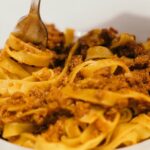
Fresh pasta beats pasta sauce jars.
This workshop in Emilia-Romagna is built around making traditional hand-made pasta and a proper ragu Bolognese in a family-style home atmosphere. I love that you get hands-on practice with the dough and the sauce, not just a demo, and you end up eating what you made with wine and the usual Italian meal extras. One thing to consider: it is not suitable for vegans and it is also not for people with a cold.
The best part is the pacing: 2.5 hours focused on cooking, shaping, and tasting, then you sit down to lunch or dinner with wine, water, coffee, and a sweet surprise. In the kitchen, the hosts walk you through the steps and the stories that go with them, including names like Irana and Marco from the experience provider COOKINBO. A possible drawback is that the ingredients might change depending on your personal requests, so you should not expect a rigid menu no matter what.
In This Review
- Key things to know before you go
- Where this workshop feels like someone’s home, not a show
- What you’ll make: hand-made pasta plus ragu Bolognese
- The 2.5-hour flow: learn, cook, eat
- Instructor-led teaching in English and Italian
- Bologna flavor lessons you can actually use at home
- The included meal: wine, coffee, and a sweet surprise
- Price and value: what $96.29 buys in 2.5 hours
- Where the meeting point fits into your day
- Who should book this, and who should skip it
- Practical prep tips so your pasta day goes smoothly
- Should you book this pasta and ragu workshop?
- FAQ
- What do I learn to make?
- How long is the workshop?
- Is the instructor available in English?
- What is included with the price?
- Is this workshop vegan-friendly?
- Where do I meet, and where does it end?
- Is it suitable for children and for people with mobility needs?
- Are smoking or vaping allowed?
Key things to know before you go
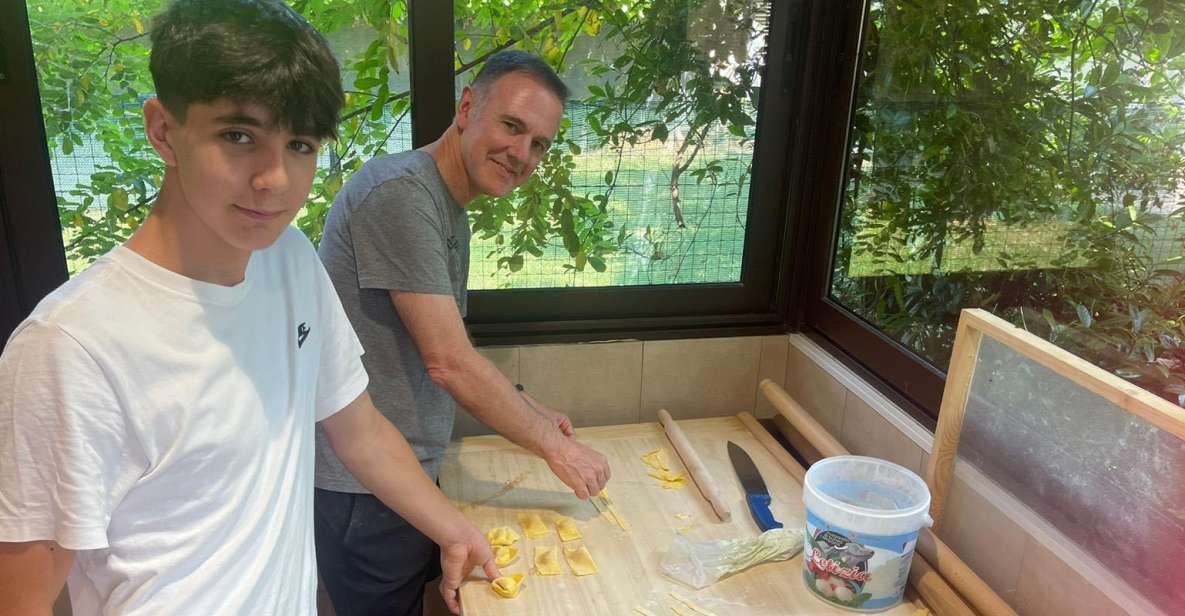
- Hand-made pasta work with classic shapes such as tortelloni, farfalle, and tagliatelle
- Real ragu Bolognese made using the original nonna-style approach
- Family-house atmosphere with wide spaces that feel like someone’s home, not a classroom
- Your lunch or dinner is included, with wine, water, coffee, and a sweet surprise
- Language support in English and Italian from the instructor
Where this workshop feels like someone’s home, not a show
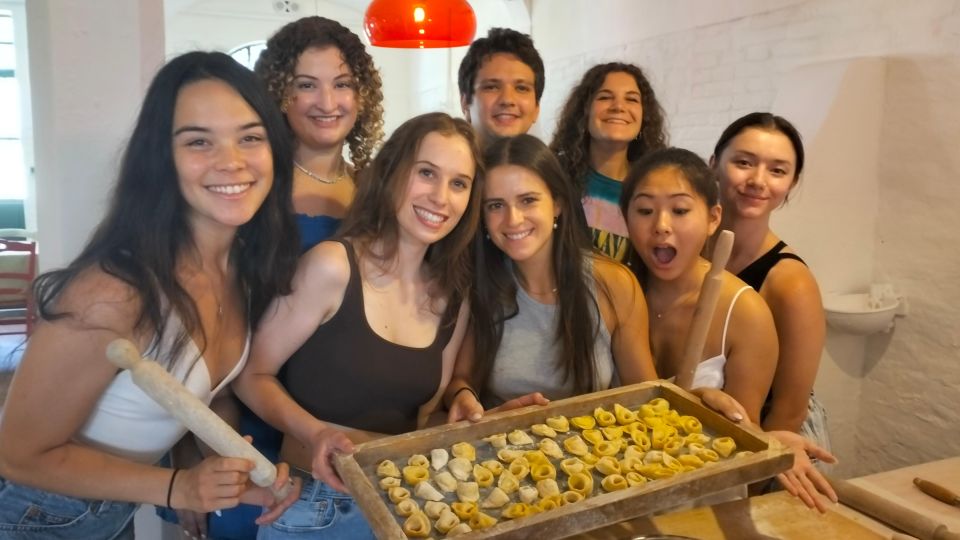
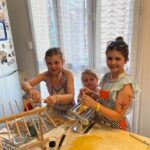
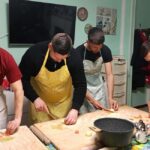
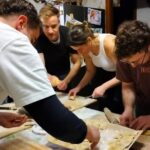
You can tell fast when a cooking class is meant to teach versus perform. This one is centered on a Bolognese household vibe: wide spaces, a relaxed pace, and the feeling that you’re stepping into a real routine rather than watching a script. The “nonna’s house” approach matters because pasta and ragu aren’t only skills. They are habits: how you handle dough, how you taste as you go, and how you treat the sauce like it deserves time.
I also like how the workshop doesn’t try to be fancy in a staged way. You learn the actual dishes tied to the region’s reputation around the world, and you do it in the same spirit that would matter to a family meal. That’s why people leave talking about both the cooking and the meal at the table.
One practical note: this is a kitchen day. The rules back that up—no smoking or vaping, and no bare feet. Wear comfortable shoes and clothes you can get a little messy in, because flour happens.
You can also read our reviews of more cooking classes in Bologna
What you’ll make: hand-made pasta plus ragu Bolognese
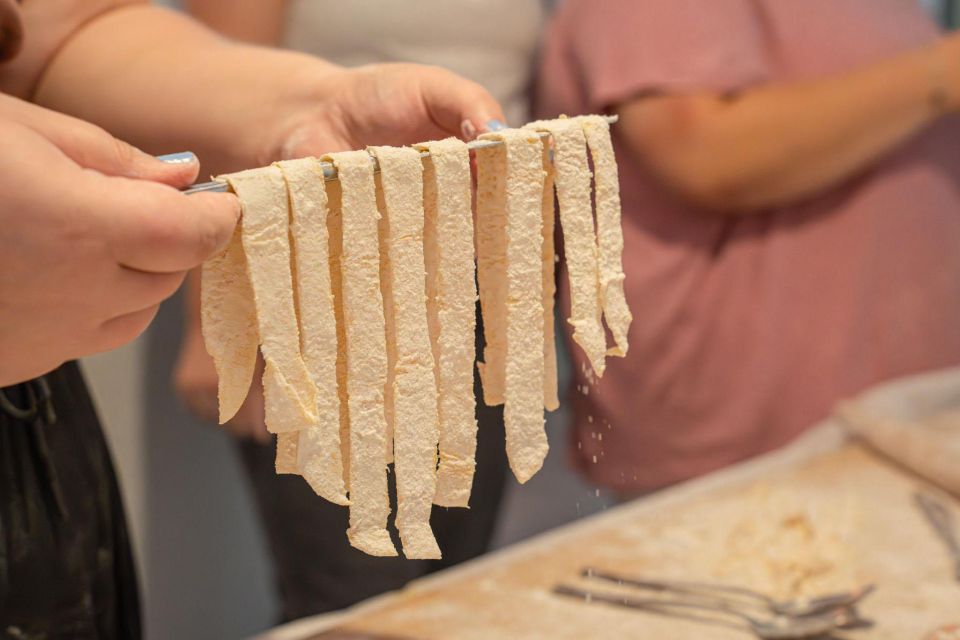
The workshop focuses on two core things: hand-made pasta and ragu Bolognese. That combination is ideal because it forces you to understand the relationship between the noodle and the sauce. It’s easy to taste a good ragù in a restaurant. It’s harder to get it right and then pair it with pasta you shaped yourself.
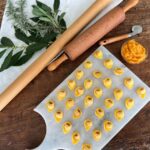
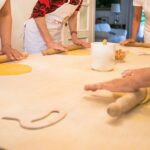
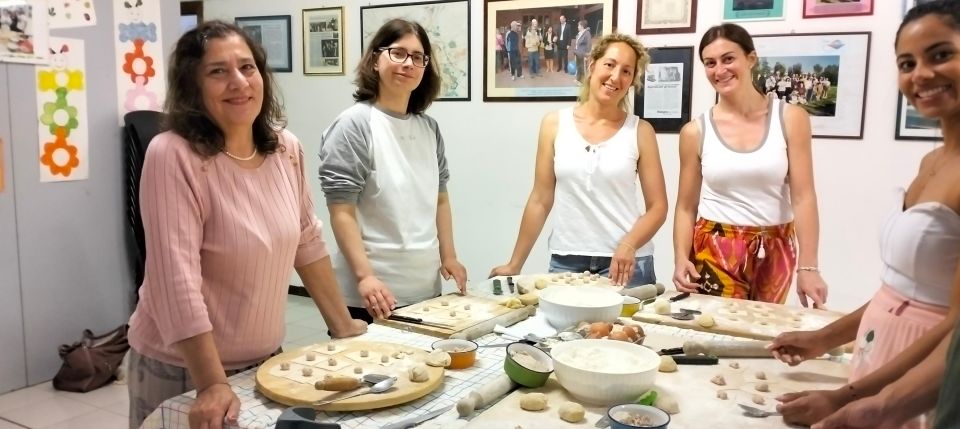
You’ll prepare typical pasta dishes from Bologna’s orbit, including tortelloni, farfalle, and tagliatelle. Expect to spend your time shaping and working the dough enough that you understand how the texture changes as you handle it. Fresh pasta teaches you faster than reading ever will—especially once you see how thickness and folding affect the final bite.
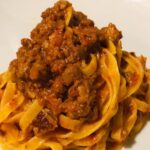
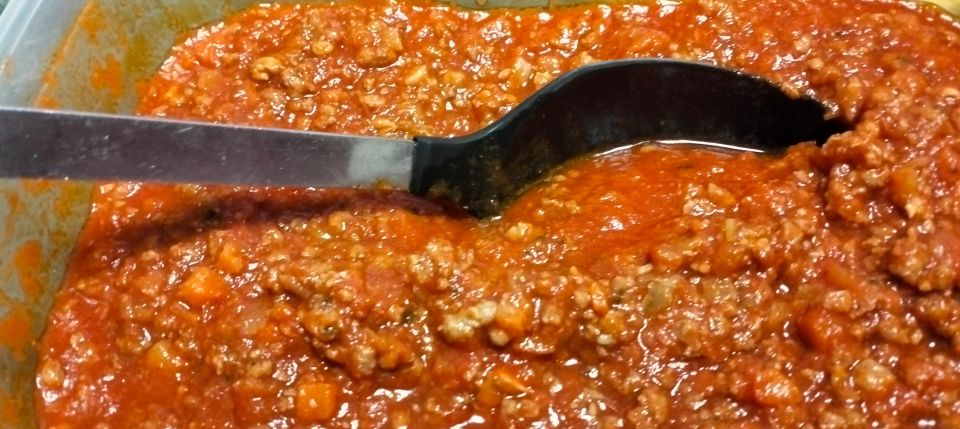
Then comes the other star: the real ragu of Bologna, made following the original nonna-style recipe. The lesson isn’t just what goes in the pot. It’s how you think about developing flavor and getting the sauce to feel right before serving. You’ll also have the option that ingredients might change according to your personal request, which is useful if you have preferences—just keep your expectations flexible.
The result is that you’re not just learning three pasta names. You’re learning a system: dough, shape, sauce, and taste.
The 2.5-hour flow: learn, cook, eat
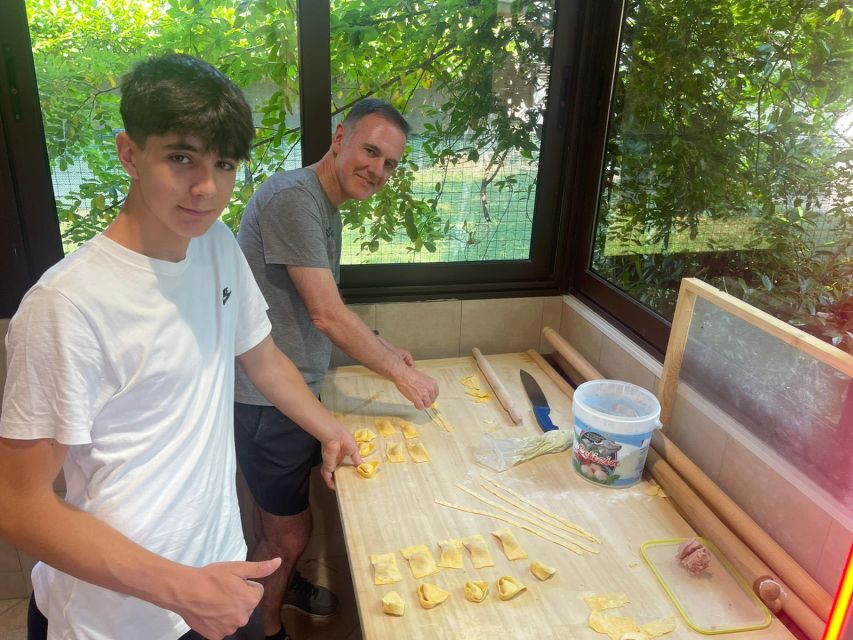
This experience runs for 2.5 hours, and the exact starting times depend on availability. That short duration is a big part of the value. You don’t need to carve out half a day, but you still get enough time to do real work: hands-on pasta prep and ragu preparation, not just an observation tour.
Here’s how the timing usually makes sense:
- Arrival and setup in the home-like space
- Pasta session: learning how to work the dough and create the shapes
- Ragu session: building and understanding the Bolognese sauce
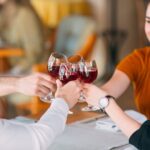
- Table time: lunch or dinner served with wine, water, coffee, and a sweet finish
The meal at the end is included, and that part changes the whole feel of the class. Instead of treating lunch as something you’ll do later, you sit down while the flavors are still fresh in your head—and you can compare what you made to what you tasted in your cooking process.
Also, the experience provider describes a chance to stay a bit if you like the idea of spending time with a local family and tasting authentic food. Even if you don’t linger, you get a stronger sense of what a Bologna meal is meant to feel like: communal and unhurried.
Instructor-led teaching in English and Italian
You’ll have an instructor who speaks English and Italian. That matters more than it sounds. Pasta technique includes small physical cues—how to stretch dough, how to work the surface, what “right” looks like. When the instructor can switch languages clearly, you spend less time guessing and more time practicing.
In the experience, names like Irana and Marco come up in feedback, which hints at a personal, story-forward teaching style. And stories aren’t random chatter. They help you remember technique. When a host explains how a dish fits into a family routine, you’re more likely to replicate it later.
You should still expect to learn by doing. This is a workshop dedicated to pasta and ragu. If you want a hands-on class where you leave with muscle memory, this fits.
Bologna flavor lessons you can actually use at home
The practical upside of making both components is that you gain control. After a class like this, you can do more than recreate a single plate. You understand the logic behind the meal.
A few examples of what you’ll walk away with:
- How pasta shape affects the bite: farfalle and tagliatelle behave differently, so your sauce expectations change
- How the ragu should feel: not watery, not heavy, but balanced enough to cling and coat
- When to taste: the workshop structure encourages checking flavor rather than treating sauce as a blind recipe
And because ingredients might adjust based on personal requests, you learn flexibility too. That’s useful at home when you can’t find the exact same item from a specific shop. You learn what matters rather than only what the label says.
One more thing: the class is built around the dishes that helped make Bologna famous. That doesn’t mean it turns into a history lecture. It means the cooking is anchored to recognizable targets: tortelloni, farfalle, tagliatelle, and Bologna-style ragù.
You can also read our reviews of more tours and experiences in Bologna
The included meal: wine, coffee, and a sweet surprise
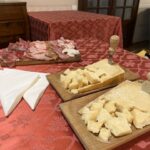
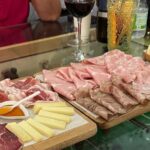
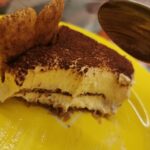
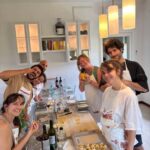
After you cook, you eat. Your lunch or dinner is included, along with wine, water, coffee, and a sweet surprise. This is a real perk because it turns the workshop into a full experience, not just a ticket to a kitchen.
The meal works for two reasons:
- It lets you taste the output of your work immediately.
- It gives you a window into how the dish is meant to be served, not just how it’s made.
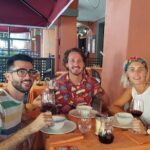
Also, sharing the table with other people can be a good way to compare notes without turning the day into a group circus. Cooking classes sometimes feel awkward. Here, the shared meal helps smooth that out.
If you’re the type who likes to eat well after you work, this is your kind of end.
Price and value: what $96.29 buys in 2.5 hours
At $96.29 per person, the price is not “cheap,” but it is easier to judge when you look at what’s included. You’re paying for:
- hands-on cooking instruction
- time in a dedicated space
- teaching focused on pasta and ragu (two real projects)
- an included lunch or dinner with wine, water, coffee, and dessert
So you’re not just buying recipes on a card. You’re buying a guided experience plus the meal that follows it. In a short 2.5-hour format, that’s strong value—especially if you’ve ever taken a cooking class where the food is mostly symbolic or where you still have to pay for your own meal afterward.
If you’re traveling on a tight food budget, you might choose a simpler meal-focused activity instead. But if you want a skill you can use later, this pricing makes more sense.
Where the meeting point fits into your day
You meet at Number 60 of Via Lincoln, in front of a playground, near the block where 56 and 58 are also located. From there, the activity ends back at the meeting point.
That “back to the start” detail is handy when you’re building a day around it. You don’t have to plan a separate transport plan to get home after the meal. Just remember that the workshop is in a local, home-style setting—so give yourself time to arrive calm and ready to work.
And yes, wear those comfortable shoes. You’ll be standing and moving more than you think during pasta prep.
Who should book this, and who should skip it
This workshop is a great match if you want authentic, practical instruction and you like the idea of cooking plus sitting down to eat together. It’s also a strong choice if you want to focus on what Bologna is known for without making it complicated.
You’ll probably enjoy it most if:
- you want to make hand-made pasta and not just roll dough once
- you like the idea of learning ragu Bolognese from a nonna-style approach
- you enjoy meal-focused experiences where lunch or dinner is included
You should probably skip it if:
- you need a vegan option (it is not suitable for vegans)
- you have a cold (it is listed as not suitable for people with a cold)
- you are traveling with young kids: it is not suitable for children under 6 years
Wheelchair access is listed as available, which is a helpful check for mobility needs.
Practical prep tips so your pasta day goes smoothly
This class has a few simple requirements. They’re not picky for the sake of it; they keep the kitchen safe and comfortable.
- Wear comfortable shoes and comfortable clothes
- Avoid smoking, vaping, and bare feet
- Don’t show up sick if you can avoid it
- If you have specific dietary needs, be ready for ingredients to change based on personal requests—but confirm fit before you go, since vegans are not included
If you come in with a calm attitude and a willingness to get a little flour on your hands, you’ll do well. Fresh pasta is forgiving in the way that matters: you learn by fixing mistakes fast.
Should you book this pasta and ragu workshop?
Book it if you want a hands-on, Bologna-focused food experience where you leave with two skills—fresh pasta and ragu Bolognese—and then eat a full included meal made from your work. The combination of instruction, home-style atmosphere, and dinner with wine, coffee, and dessert is the kind of value that fits well into an Emilia-Romagna itinerary.
Skip it if you need vegan-friendly food options, you’re traveling with kids under the age limit, or you are currently under the weather. Otherwise, this is the sort of class that makes the region’s reputation feel real, not just talked about.
FAQ
What do I learn to make?
You learn how to make traditional hand-made pasta and ragu Bolognese. The pasta dishes mentioned include tortelloni, farfalle, and tagliatelle.
How long is the workshop?
It lasts 2.5 hours. Starting times depend on availability.
Is the instructor available in English?
Yes. The instructor teaches in English and Italian.
What is included with the price?
The price includes the workshop experience and a lunch or dinner with wine, water, coffee, and a sweet surprise.
Is this workshop vegan-friendly?
No. It is listed as not suitable for vegans.
Where do I meet, and where does it end?
You start at Number 60 of Via Lincoln, in front of a playground near the block with 56 and 58. The activity ends back at the meeting point.
Is it suitable for children and for people with mobility needs?
It is not suitable for children under 6 years. Wheelchair access is listed as available.
Are smoking or vaping allowed?
No. Smoking and vaping are not allowed, including indoors.