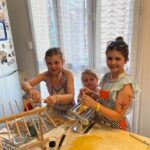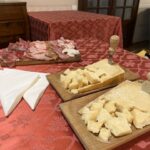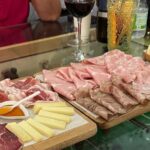
Fresh pasta starts at a family table. In Bologna, this is a home-style class where you learn hands-on pasta from scratch, then slow down with a guided wine tasting over lunch. You’re not watching from the sidelines. You’ll shape dough, learn sauce logic, and eat what you make in the same sitting.
The biggest thing I like is the personal attention. It’s a private setup, so Federico (often called Fred) can correct your dough and talk through the why, not just the how. One thing to consider: there is a small red cat named Ragu’ in the house, so if cats are a problem for you, plan accordingly.
In This Review
- Key highlights worth getting excited about
- Entering Federico’s Bologna Home From Via Bellinzona
- Aperitivo: Warm Homemade Pizza Before You Start Kneading
- Making Tortelloni and Tagliatelle With Two Sauces
- The Dough Lesson: From Simple Egg to Real Pasta
- Wine Tasting With Lunch: Grapes You Can Name
- Grandma’s Tiramisu, Plus the Recipes to Repeat
- Price and Logistics: Is It Worth $102.12?
- Should You Book Stay Hungry Stay Bologna?
- FAQ
- What dishes do I learn to make?
- Does the class include wine?
- Is this class private?
- Where does the class start and end?
- Is there anything in the home I should know about?
- How long is the experience?
Key highlights worth getting excited about
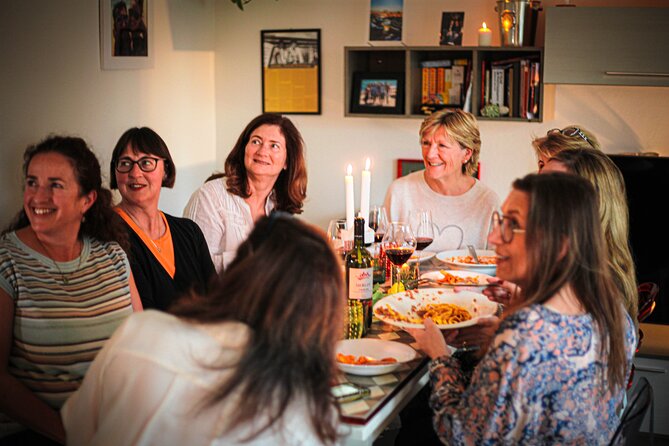
- Home cooking class energy: casual, warm, and made for questions at the table
- Pasta dough from scratch: learn to manually make and work egg dough
- Two Bologna pastas, two sauces: tortelloni and tagliatelle, with ragù and tomato-basil sauce
- Aperitivo with warm pizza + wine: start with homemade pizza, then taste with guidance
- Grandma-style tiramisù: a family recipe passed down through the years
- Private group format: only your group participates, inside a real Bologna apartment
Entering Federico’s Bologna Home From Via Bellinzona
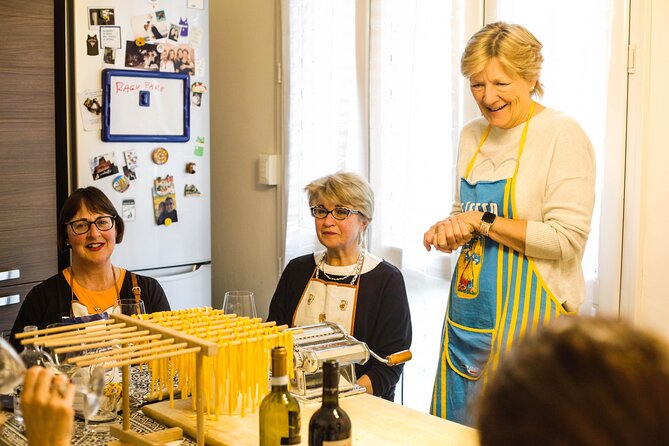
This class meets at Via Bellinzona, 12 in Bologna. It’s close to public transportation, but you’re also heading into a residential building, not a restaurant kitchen with a big crew. That home setting is part of the charm, and part of the reason the experience feels personal.
Plan for a few stairs. Some past guests have mentioned that the elevator was out, and the access ended up involving flights of stairs. If you’re bringing heavy luggage, or you want an easy step-free route, keep that in mind and email or message ahead to confirm what to expect on your day.
Because it’s private, the group stays manageable. In the kitchen setup, there are enough seats to actually work together rather than crowding into a show-and-tell layout. That matters in fresh pasta classes, because the dough doesn’t wait for you to catch up.
One extra thing I’d do before you go: if you can, check the host’s Instagram @stayhungrystaybologna ahead of time. The page is specifically mentioned as the place to see class photos before booking, and it’s also tied to a take-home wine gift when you follow and text ahead.
You can also read our reviews of more tours and experiences in Bologna.
Aperitivo: Warm Homemade Pizza Before You Start Kneading
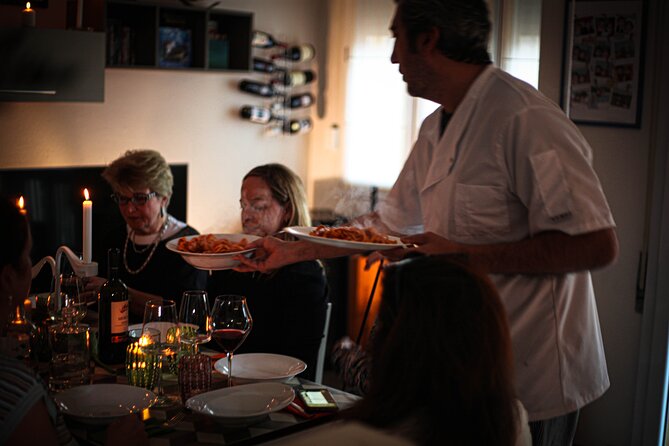
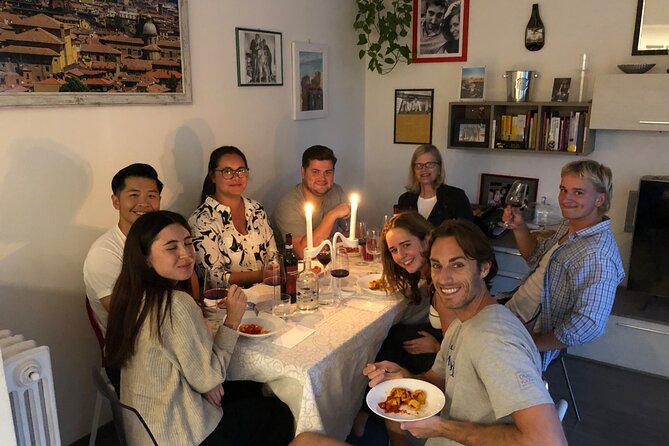
The evening (or afternoon, depending on your slot) begins like you’re arriving for dinner, not a formal lesson. Federico opens a bottle for aperitivo and serves a welcome snack: homemade pizza, prepared fresh for you. It’s a good way to settle in, meet your group, and get the appetite turned on before the flour starts flying.
What’s smart here is the order. You eat something warm first, then you focus on learning. Fresh pasta dough can feel intimidating until you’re not hungry and not rushed. After the pizza, you’ll get your bearings and start the pasta part with a clearer head.
Wine also enters right away. You get glasses during the meal, plus guided tastings tied to what you’re eating. That’s a big part of why the lunch feels like an event rather than just a cooking demo.
If you’re the type who loves details, this is where you’ll appreciate the pacing. Federico’s style is relaxed but instructional, with enough conversation to make the class feel like a shared table. If you’re expecting silent precision and a strict timetable, you might find the house rhythm more casual than a commercial cooking school.
Making Tortelloni and Tagliatelle With Two Sauces
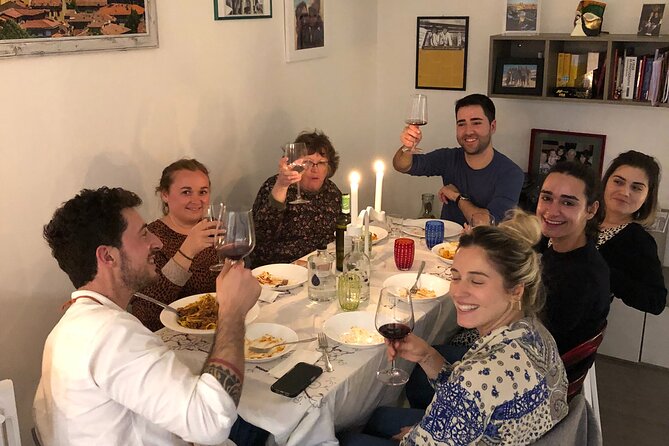
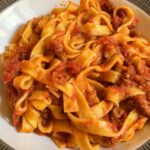
The main cooking focus is Bologna’s classics: tortelloni and tagliatelle. You’ll learn to shape two different kinds of pasta, then match them with two sauces that make the flavors click.
For tortelloni, you’re working with a pasta format that asks for a bit of patience and touch. The point isn’t just folding shapes. It’s learning how egg dough behaves while you roll, handle, and shape. Federico teaches you how to work it manually, and that hand technique is the difference between pasta that tastes homemade and pasta that tastes like it came from a package.
For tagliatelle, the lesson leans into rolling and cutting. Tagliatelle looks simple, but the texture and thickness matter. Federico’s approach is to make sure you understand the goal, then help you get there with small corrections.
Then come the sauces. You’ll cook with and for two flavor directions:
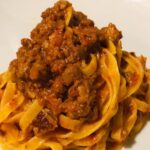
- ragù (the Bologna-style meat sauce)
- a fresh cherry tomato sauce with basil
This pairing is practical because it teaches you how sauce style changes what the pasta should do. Ragù wants a pasta that can hold and cling. Tomato-basil wants freshness, lighter bite, and quick satisfaction.
One note on expectations: the information emphasizes two pasta types in the core class. Some class descriptions talk about making more than that, and a few past guests reported variations. Your safest plan is to show up expecting two pasta formats plus sauces, and a tiramisù dessert—because that is repeatedly part of what’s delivered.
The Dough Lesson: From Simple Egg to Real Pasta
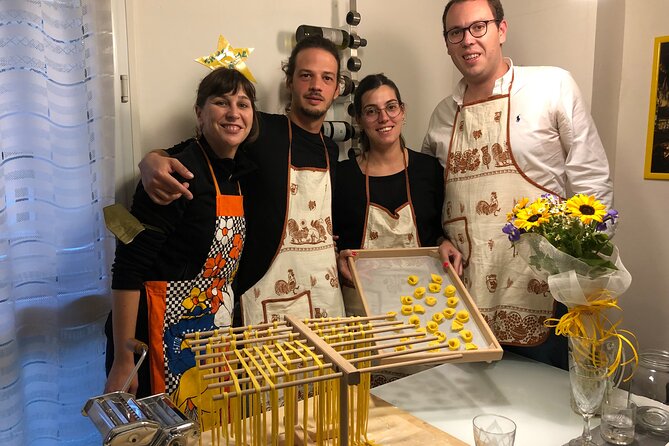
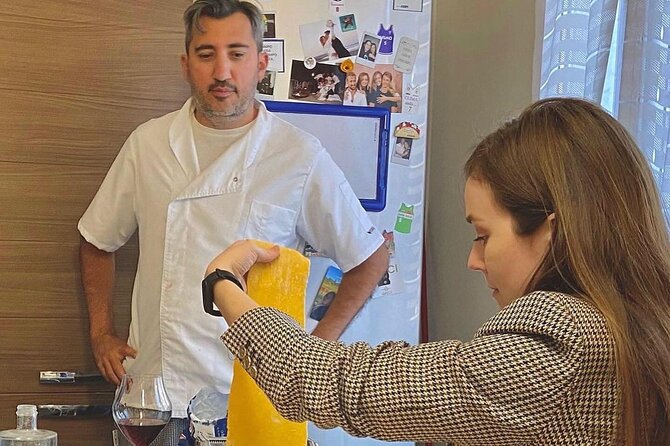
Fresh egg pasta is one of those skills that feels complicated until someone explains the feel. Here, you’ll make dough manually and learn how to work it. That means rolling, handling, and understanding when dough needs rest or adjustment.
You’re not just mixing ingredients. You’re learning the texture cues: how it stretches, how it responds when it’s too stiff, and what happens as you work it through the process. In a home class, those corrections can be quick and personal because you’re there at your own station.
This is also where Bologna’s reputation for pasta becomes real. Bologna isn’t just about eating noodles. It’s about technique and consistency, especially with the regional shapes and sauces. Tortelloni and tagliatelle are a great way to learn that because they force you to practice different handling.
The best part is that the class isn’t purely theoretical. You’re actively making the dough and participating in the meal flow. Some guests highlight that the experience is hands-on and interactive, which matches what you’d want if you’re coming away planning to cook later at home.
If you’re nervous about cooking in a small apartment kitchen, here’s the truth: you don’t need restaurant confidence. You need willingness. Federico’s teaching style is designed for that moment when dough starts behaving better once you stop fighting it and start working with it.
Wine Tasting With Lunch: Grapes You Can Name
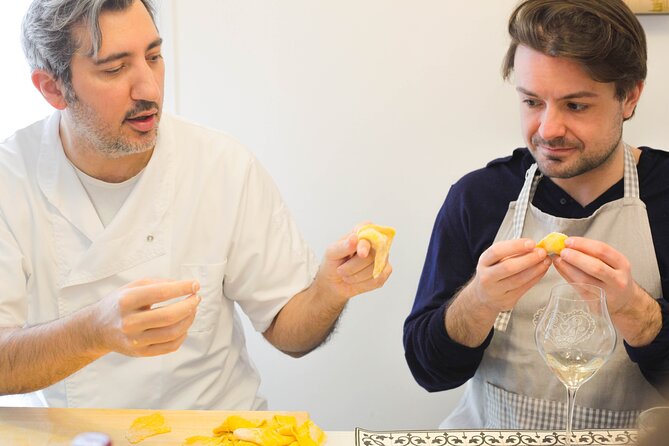
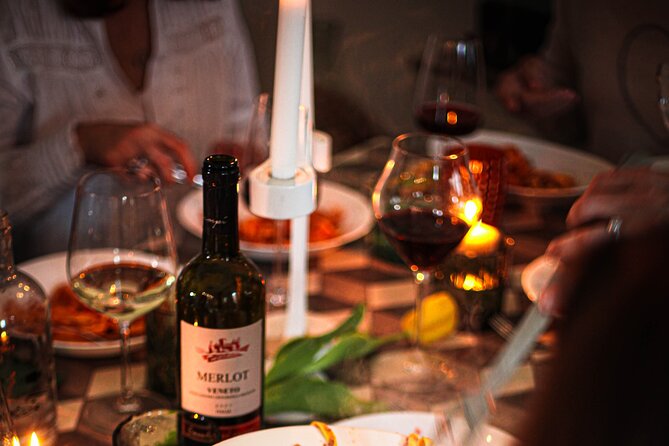
Over lunch, you’ll get a wine tasting that’s guided and educational. This isn’t just free pouring with a side of small talk. Federico guides you through the story behind bottles and how to pair wine with food.
The selection is described with a focus on grapes and producers, including grapes like pinot noir, pinot grey, cabernet franc, and chardonnay from local producers. If you like learning what’s in the glass (instead of only deciding what you like), this is a fun way to sharpen your palate without turning it into a lecture.
The way the tasting is timed matters. You’ll eat, then taste, then learn why the pairing works. That’s a better method than tasting wine in a vacuum. It also keeps the lunch from dragging, which is useful because pasta classes can otherwise get long.
I also like that the wine is positioned as part of the meal, not a separate performance. You’re tasting while your pasta and sauces are doing their job. It feels like living the Bologna dining rhythm for a few hours.
One practical tip: drink water too. Even if you’re having a great time, fresh pasta work and wine tasting both ask for attention. Pace yourself so you can actually enjoy the process instead of turning the class into a blur.


Grandma’s Tiramisu, Plus the Recipes to Repeat
Dessert is grandma’s tiramisù, made from a family recipe that’s described as being passed down for more than 80 years. That’s the kind of claim worth taking seriously here, because the class isn’t just about eating dessert. You’re making it as part of the experience.
Tiramisu is also a great finishing skill. It’s forgiving compared to some desserts, and once you understand the steps, you can repeat it at home without needing fancy equipment beyond what you likely already have.
You’ll learn the actual build and how to finish it properly. And it’s not just about the end result. Federico’s teaching style includes small technique guidance so the dessert comes out right even if you’re doing it for the first time.
A bonus detail: some guests mention receiving recipes after the course. If you want a souvenir that isn’t a magnet, recipes are a strong value-add. You leave with a clear starting point for making the dishes again in your own kitchen.
Price and Logistics: Is It Worth $102.12?
At $102.12 per person for about 3 hours, this class is competing with other food experiences in Bologna. The question isn’t just the price. It’s what you get for it.
What you’re paying for includes:
- a welcome pizza at the start
- guidance to make fresh pasta dough and shape tortelloni and tagliatelle
- two sauces (ragù plus cherry tomato and basil sauce)
- wine tasting with lunch
- tiramisù made from a family recipe
- a private group format, so you’re not packed into a huge crowd
That’s a lot of food and instruction for one sitting. If you factor in wine tasting and a full meal outcome, the price starts to look like a reasonable way to get both technique and dinner, without spending your whole evening hunting for restaurants.
Still, be realistic about variations. Some past guests have reported that timing or components felt different than what they expected from the description—like welcome pizza or the number of pasta elements. You can reduce disappointment by managing your expectations: plan around two pasta types, sauce teaching, and tiramisù as the core finish, then treat any extra elements as a bonus if they’re included on your day.
Also note the class is marked as requiring good weather. Since this is mostly indoors, it might feel odd, but it’s part of how the experience is set up. If you’re traveling in a stormy week, check your confirmation details and be ready for rescheduling.
Who should book? If you want a hands-on Bologna food skill, enjoy wine, and like the idea of eating what you make in a home environment, you’ll likely feel this was time well spent. If you need strict schedules, step-free access, or a pet-free space, it may not be your best match.
Should You Book Stay Hungry Stay Bologna?
I’d book it if you’re the type of traveler who wants one memorable skill you can practice again at home. The mix of fresh pasta technique, ragù and tomato-basil pairing, and grandma-style tiramisù is exactly the sort of Bologna experience that goes beyond eating. Add in a guided wine tasting that names grapes and connects wine to food, and you’ve got a full, satisfying evening.
I would not book it if cat presence would make the experience stressful. The small red cat named Ragu’ is part of the house, and you’re in a home kitchen setting, not a sealed, controlled studio.
If you do book, send a quick message via the host’s IG account @stayhungrystaybologna before you go. It’s mentioned as the best way to see more class pics before booking, and it’s also tied to a take-home wine bottle gift. And on the day, show up ready to get your hands involved. This class works best when you treat it like dinner at someone’s table, not like a show you watch from the chair.
FAQ
What dishes do I learn to make?
You learn to make two kinds of pasta: tortelloni and tagliatelle. You’ll also work with two sauces: ragù and a fresh cherry tomato sauce with basil, and you finish with tiramisù.
Does the class include wine?
Yes. There’s a guided wine tasting over lunch, and aperitivo starts with a bottle opened for you.
Is this class private?
Yes. It’s listed as a private tour or activity, so only your group participates.
Where does the class start and end?
The meeting point is Via Bellinzona, 12, 40135 Bologna, Italy. The activity ends back at the meeting point.
Is there anything in the home I should know about?
Yes. The class takes place in a home where a small red cat named Ragu’ lives, so it may matter if you have allergies or phobias.
How long is the experience?
It runs for about 3 hours in total, with confirmation received at booking time.