REVIEW · COOKING CLASSES
Bolognese Cooking Class in a Unique Central Location
Book on Viator →Operated by eatwith · Bookable on Viator
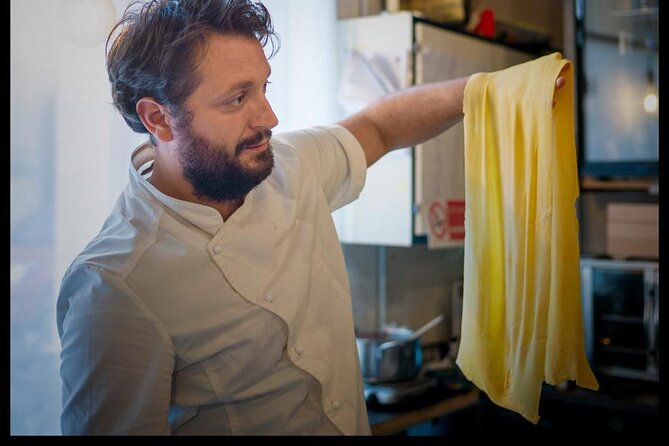
Pasta-making in Bologna feels like a home visit. I love the hands-on way you learn to make classic tortellini and tagliatelle all Bolognese from scratch with Daniele, and I also like that you sit down to eat the meal you made right after. One drawback to factor in: some people expected full written recipes and didn’t always receive them after class.
This is built for a small group (maximum 4), so the pace stays relaxed and you’re not just watching from the sidelines. You’ll start at Via Orfeo, 6 at 10:00 am and finish back at the same meeting point after about 4.5 hours, in English, with a mobile ticket and a venue close to public transit.
You’ll cover more than just dough. Expect broth and sauce prep too, including a capon broth for stuffed tortellini and ragù Bolognese for tagliatelle, plus a glass of local wine during the session.
In This Review
- Key points to know before you go
- Entering the pasta lab at Via Orfeo, 6
- What you’ll cook: tortellini, tagliatelle, and the ragù that makes Bologna taste like Bologna
- The hands-on lesson: from dough basics to shaping stuffed pasta
- Broth and ragù: where the flavor is made
- The lunch experience: wine, sitting down, and that Bologna feeling
- Pace, group dynamics, and what “relaxed” really means here
- Price and value: is $142.01 worth 4.5 hours of pasta class?
- Practical tips before you go
- Who should book this cooking class (and who might skip it)
- Should you book this Bologna Bolognese cooking class?
- FAQ
- Where is the class meeting point in Bologna?
- What time does the class start?
- How long is the experience?
- Is the tour offered in English?
- What’s included in the menu?
- Do you cook and then eat lunch?
- How big is the group?
- Is wine included?
- What should I do if I have food restrictions?
- What if I cancel?
- What if the experience is canceled because of minimum group size?
Key points to know before you go
- Maximum 4 people means real hands-on time instead of a rushed show-and-tell.
- Tortellini + tagliatelle are both made from scratch, plus the sauces/broths that make them taste right.
- Wine with the experience keeps things celebratory while you cook through the morning.
- A true “cook then eat” lunch: you’ll finish by sitting down for what you just made.
- Recipes aren’t guaranteed in full; if written recipes matter, plan to ask.
- Central Bologna location with a meeting point near public transportation.
Entering the pasta lab at Via Orfeo, 6
You’ll meet at Via Orfeo, 6, 40124 Bologna, and the activity ends back at the same spot. The class starts at 10:00 am and runs about 4 hours 30 minutes, so it’s a good use of a half-day: enough time to learn real technique, not so long that you lose the rest of your day to cooking.
The exact full address details are handled in your confirmation materials (under Before You Go), which matters because Bologna can be a little confusing if you’re arriving with only a partial address. Still, the meeting point is in a practical area, and it’s near public transportation—use that to your advantage if you want to avoid the “where’s the parking” problem.
Also, check the group size before you book. With a maximum of 4 people, this isn’t the big commercial class where someone corrects your technique once and then moves on. The format fits couples, friends, and even families who want to learn together at a steady pace.
You can also read our reviews of more cooking classes in Bologna
What you’ll cook: tortellini, tagliatelle, and the ragù that makes Bologna taste like Bologna
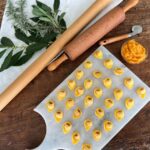
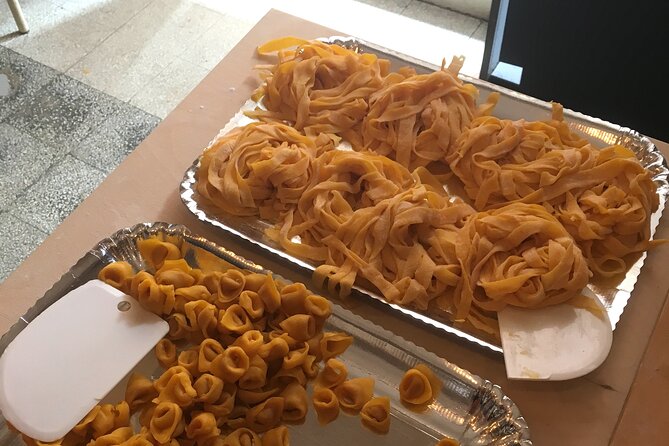
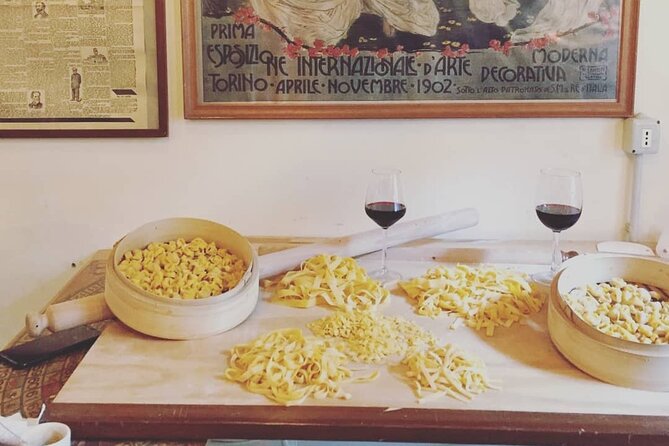
This class is built around two icons of Bolognese pasta. You’ll learn how to make Tortellini and Tagliatelle all Bolognese, both from scratch—meaning dough work and shaping, not just assembly.
Here’s what the sample menu lines up with your work:
- Starter: wine from the Emilia Romagna region
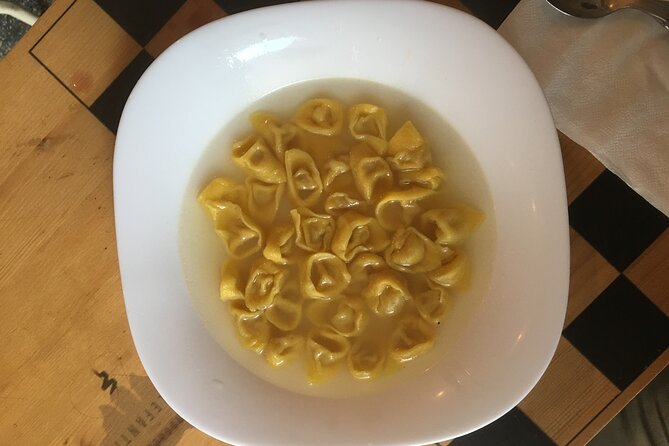
- Main 1: tortellini stuffed pasta with capon broth
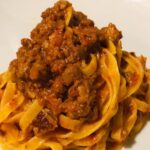
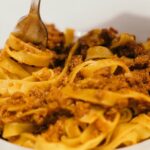
- Main 2: tagliatelle fresh handmade pasta with Ragù Bolognese meat sauce
Why this matters for value: it’s not only a cooking class where you leave with a story. You’re practicing the core steps that make Bolognese pasta taste correct—dough texture, how fillings behave, and the difference between a good sauce and a great one. Bologna is the birthplace of these styles, but the real learning comes from doing them the way locals do: method before shortcuts.
You’ll also cover how sauces and broths are prepared before you sit down for lunch. That’s key because most home cooks can roll pasta dough, but it’s the broth and ragù that give everything its signature depth.
The hands-on lesson: from dough basics to shaping stuffed pasta
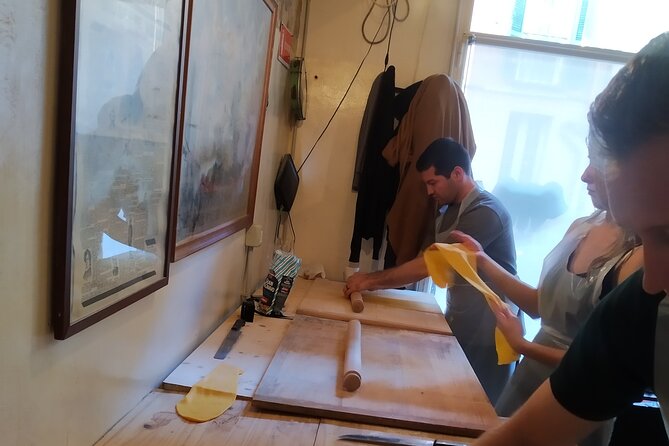
A big reason this class earns strong marks is that it stays practical. You’re not stuck watching someone else work while you guess what comes next. The experience is designed so you can take part in multiple stages, from preparing to cooking—and then eating.
In particular, tortellini is the technique-heavy part. Stuffed pasta demands attention: portioning, sealing, and keeping the dough from getting too dry or too sticky. When the class works well (and most feedback points that way), you get that “now I get it” moment where the shapes and textures stop being mysterious.
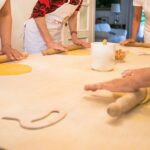
Then you move to tagliatelle, where the learning shifts toward consistency—rolling and cutting so the strips hold sauce well. The ragù is the finishing layer of the learning. One common highlight is the sauce’s thick, flavorful character, and that comes from using the right approach to the meat base and giving it the right texture before it meets the pasta.
Tip for your own learning: don’t rush the dough stages. Pasta dough forgives a little, but it punishes panic. If your hands are cold or your workspace feels cramped, slow down and focus on texture.
Broth and ragù: where the flavor is made
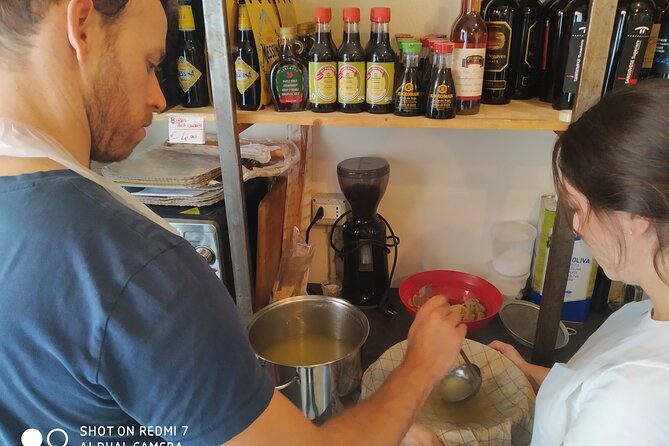
This is the part that turns a pasta class into a Bolognese class.
You’ll learn how broths and sauces are prepared before eating, including:
- capon broth connected to the tortellini course
- Ragù Bolognese as the sauce for tagliatelle
The capon broth piece matters because tortellini filling and broth taste in balance. Even if you’ve had tortellini before, the flavor experience changes when you understand how the broth supports the stuffing rather than competing with it.
For ragù, many people come away with a stronger sense of what “proper” ragù means—especially its thickness and flavor weight. If you’ve only had jarred or dried ragù at home, this is where the gap becomes obvious. The lesson gives you a framework for building that texture and depth, which is what you’ll recreate later in your own kitchen.
A small consideration: a couple of people mentioned the class leaned more on cooking steps than delivering complete written recipes afterward. If you love cooking enough to reproduce it exactly, consider asking about recipe handouts early in the session.
The lunch experience: wine, sitting down, and that Bologna feeling
After you cook, you eat what you made, together. That lunch aspect is a standout element, because it closes the loop: you don’t just practice. You taste the result while it’s fresh and understand how each step affects the plate.
You’ll have a glass of local wine during the experience. Starting with Emilia Romagna wine as the starter is also a smart move. It’s not a random add-on; it sets the tone for the region’s food-and-drink culture while you’re still in cooking mode.
One nice detail from feedback: the lunch can feel communal, with people around the venue area. If locals do drop by, it adds that Bologna atmosphere where food is part of everyday life, not a performance for tourists.
You may also be guided toward a great gelato shop after class—handy if you want a sweet finish without hunting.
You can also read our reviews of more tours and experiences in Bologna
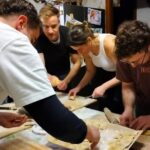
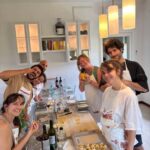
Pace, group dynamics, and what “relaxed” really means here
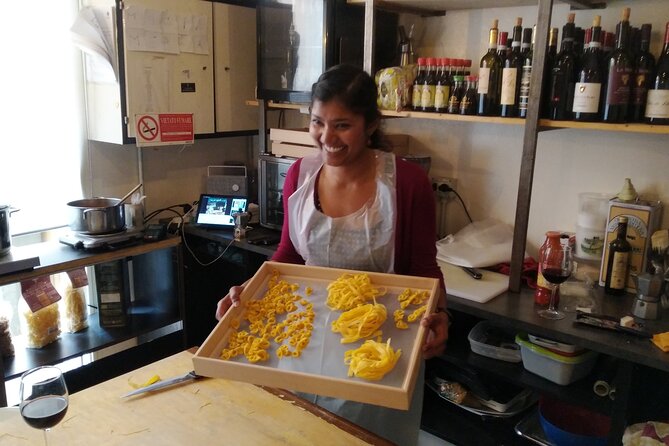
The maximum of 4 travelers keeps this grounded. You’re more likely to get corrections and encouragement while your hands are actually doing the work.
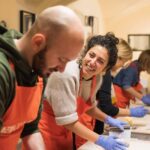
From participant notes, the mood tends to be fun and relaxed, with humor and patience playing a role in teaching. That matters if you’re even a little nervous about pasta shapes. Tortellini looks fancy, but the class format is set up so you can get there step by step.
One practical takeaway: if you’re someone who learns fastest by trying, this setup should fit you well. If you prefer highly structured classes with timed steps and lots of written documentation, you might still enjoy it, but you may want to ask direct questions during the cooking so you don’t feel left hanging afterward.
Price and value: is $142.01 worth 4.5 hours of pasta class?
At $142.01 per person for about 4 hours 30 minutes, you’re paying for several things at once:
- a small group size (max 4)
- hands-on coaching through multiple pasta and sauce elements
- ingredients and a full lunch
- wine included
- a central location in Bologna
Is it “cheap”? No. But it’s also not a one-dish workshop. You’re learning two pasta types and the key sauces/broths that make them authentic, then eating that full meal. For people who care about technique and want something you can reproduce later, that’s where the value shows up.
If you’re the type who only wants a quick souvenir meal, there may be less expensive cooking options in Italy. But if you want a class that feels personal and results in a real lunch you can brag about, this price lands in the reasonable zone for Bologna.
Practical tips before you go
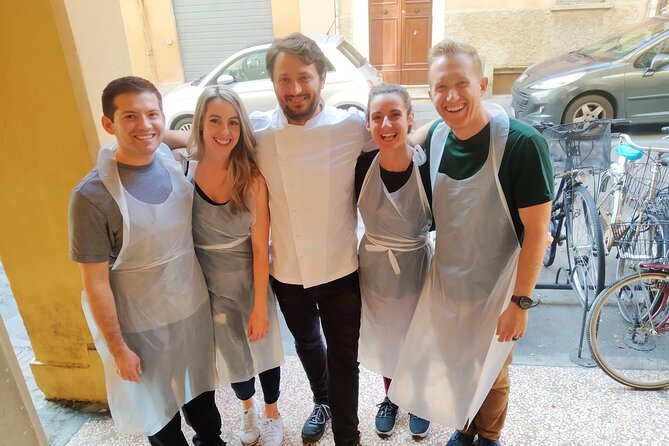
A few things will make your class go smoother.
Food restrictions: you’ll need to communicate any allergies or special diets when booking. Don’t assume the menu automatically adapts—send the details so you’re covered.
Arrive with a comfortable mindset: you’ll be cooking for hours. Wear clothes that can handle flour and kitchen heat. If you’re bringing a camera, do it thoughtfully—this is mostly a working kitchen experience, not a photo set.
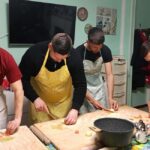
Be ready for a venue that feels more casual than fancy: some feedback described the location as more like a small bar/workshop space than a large formal kitchen. That’s not a problem if you’re there to learn pasta; just don’t expect a showroom-level restaurant setup.
Recipes: if full written recipes matter to you, it’s worth asking how they’re shared. Some people said they were promised recipe materials but didn’t receive them later. You’ll feel better if you clarify expectations while you’re still there.
Who should book this cooking class (and who might skip it)
This class fits well if you want:
- a small-group cooking experience in Bologna
- hands-on practice with fresh pasta dough
- the Bolognese flavor system: ragù + broth + correct pasta pairings
- a relaxed, friendly instructor vibe
It may be less ideal if you:
- need strict written recipes or step-by-step documents for later
- hate any uncertainty about what you’ll get in terms of follow-up materials
- are extremely sensitive to schedule disruptions, since one report mentioned a late cancellation after arrival (rare, but worth taking seriously)
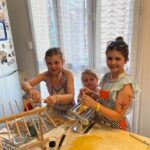
If you’re traveling with kids, the small-group size can help. One person mentioned their ten-year-old grandson got inspired to cook, which says a lot about the comfort level of the setting.
Should you book this Bologna Bolognese cooking class?
I’d book it if you want a real pasta lesson with a small group, wine, and a lunch that proves the technique. The combination of tortellini and tagliatelle plus the sauces/broths is the kind of “two wins in one class” setup that tends to leave people feeling like they learned something, not just ate.
I’d also go in with one smart expectation: ask about recipes before you start, and don’t treat this as a guaranteed recipe-download situation. If you’re comfortable treating it as a hands-on lesson first, you’ll likely leave happy, fed, and able to cook Bolognese flavors at home.
FAQ
Where is the class meeting point in Bologna?
The meeting point is Via Orfeo, 6, 40124 Bologna BO, Italy. The full address details are provided on your confirmation voucher under the Before You Go section.
What time does the class start?
The class starts at 10:00 am.
How long is the experience?
The duration is approximately 4 hours 30 minutes.
Is the tour offered in English?
Yes, it’s offered in English.
What’s included in the menu?
You’ll have starter wine from the Emilia Romagna region, then tortellini with capon broth, and tagliatelle with Ragù Bolognese meat sauce.
Do you cook and then eat lunch?
Yes. You’ll prepare pasta dishes and sauces/broths, then sit down together for lunch.
How big is the group?
The experience has a maximum of 4 travelers.
Is wine included?
Yes. You’re served wine as part of the experience, including a glass of local wine.
What should I do if I have food restrictions?
You need to communicate any food restrictions (allergies, special diet, etc.) when booking.
What if I cancel?
Free cancellation is available up to 24 hours in advance for a full refund.
What if the experience is canceled because of minimum group size?
If it’s canceled due to the minimum not being met, you’ll be offered a different date/experience or a full refund.