REVIEW · GELATO MAKING & TASTING
Bologna: Gelato Making Workshop with a Professional
Book on GetYourGuide →Operated by My Gelato Lab · Bookable on GetYourGuide
Bologna without gelato is like Rome without coffee. This small-group class teaches you how gelato actually gets made, plus you get to take some of it home after you learn the basics from a working professional. You’ll also get the story behind Italian gelato and what separates it from the ice-cream version most people buy.
What I really like is the hands-on pace and how practical it feels. You’ll learn granitas, gelati, and sorbets from raw ingredients, not just watch someone do it. And Alessandro’s approach is thorough: he walks you through what good gelato should look like and how to judge freshness at the shop, so you can use the skill right away when you’re out exploring Bologna.
One consideration: this is not a big “tour bus” style activity, and it’s held at the host’s home. If you hate getting comfortable in a kitchen setting or you’re expecting an ultra-polished, commercial facility, you might find the format more intimate than you planned for.
In This Review
- Key things that make this workshop worth your time
- Bologna Gelato-Making Workshop With Alessandro at My Gelato Lab: What You Actually Learn
- Meeting Alessandro at Via Antonio Vivaldi, 26: The Real-World Setup
- The 2.5-Hour Flow: Gelato, Granita, Sorbet, and the Cooling Moments
- Learning the Origins of Italian Gelato and Why It Matters
- How to Recognize Good Gelato (and Freshness) Before You Pay for a Cone
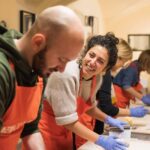
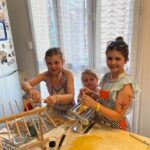
- Hands-On Gelato Making: What You’ll Actually Do with Your Own Hands
- Taking Home Leftovers: A Small Luxury That Changes the Value
- Price and Value: Is $77 Fair for a 2.5-Hour Gelato Workshop?
- Who This Workshop Is Best For (and Who Might Skip It)
- Practical Tips Before You Go (So You Enjoy the Full 2.5 Hours)
- Should You Book This Bologna Gelato Workshop?
- FAQ
- Is the Bologna gelato workshop 2.5 hours long?
- How many people are in the group?
- What desserts will we make during the workshop?
- What language is the instruction offered in?
- Where do we meet the host?
- Is the workshop suitable for children?
- Can I get a refund if I cancel?
Key things that make this workshop worth your time
- Small group of up to 4 means you actually get questions answered while you work
- Professional-led instruction from Alessandro, in English and Italian
- You make granita, gelato, and sorbet from raw ingredients, with tasting along the way
- How to spot good gelato and freshness so you can shop smarter in Bologna
- You can take leftovers home, carefully packed by the host
- A kids-friendly setup (with adult supervision), with granita often being the favorite
Bologna Gelato-Making Workshop With Alessandro at My Gelato Lab: What You Actually Learn
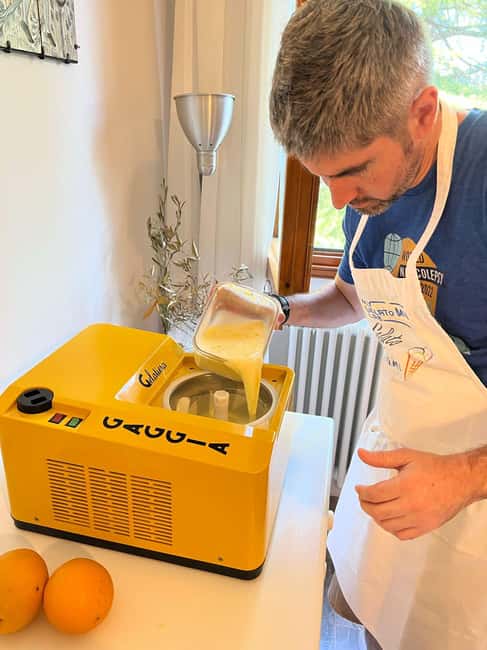
If you’ve ever wondered why gelato tastes different from ice cream, this is the workshop where the answer stops being a mystery. In 2.5 hours, you’ll work through the process with a professional, learn why the ingredients matter, and make several frozen treats along the way. The best part is that you don’t just end the class with dessert in your hand. You leave with a mental checklist for buying and recognizing good gelato in the wild.
The experience runs as a small group, limited to 4 participants, and it’s led by the host of My Gelato Lab. In the reviews, Alessandro comes across as warm and organized, with tools already set up so the class doesn’t waste time. That’s important in a kitchen class, because the timing matters when mixtures cool and when you’re ready to taste.
At $77 per person for 2.5 hours, it’s not the cheapest food activity in Bologna. But it’s also not a vague “let’s eat gelato somewhere.” You’re paying for professional guidance plus hands-on production of multiple items: gelato, sorbet, and granita. And since leftovers can be packed for take-home, you’re not just consuming the value on the spot.
You can also read our reviews of more tours and experiences in Bologna

Meeting Alessandro at Via Antonio Vivaldi, 26: The Real-World Setup
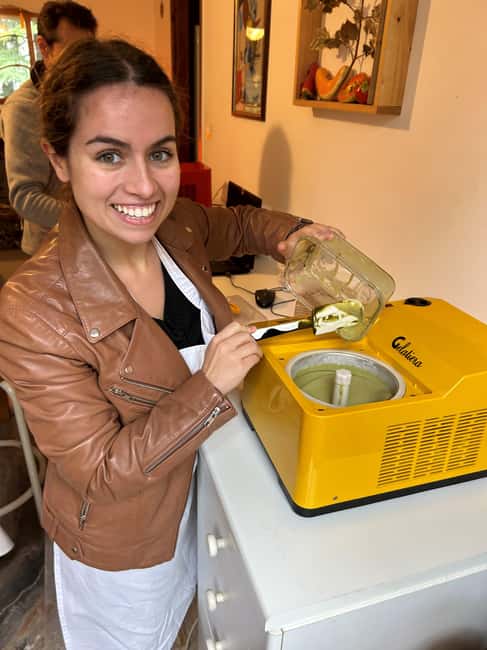
You meet your host at his home on Via Antonio Vivaldi, 26. That “home kitchen” detail matters. It usually means a calmer setting than a studio or a classroom, and it’s often easier to keep the group small. You’ll likely feel like you’re learning a craft, not visiting a staged attraction.
This format also explains why the class stays compact. With only a handful of people, you get more personalized attention when you’re mixing or preparing components. And because the workshop happens at the host’s place, the focus stays on what matters: the ingredients, the technique, and the results.
The instructor languages are English and Italian, and Alessandro is clearly comfortable teaching in that mixed language environment. For many people, that’s a plus in Bologna, where you can often find English menus but fewer hands-on experiences explained clearly.
The 2.5-Hour Flow: Gelato, Granita, Sorbet, and the Cooling Moments
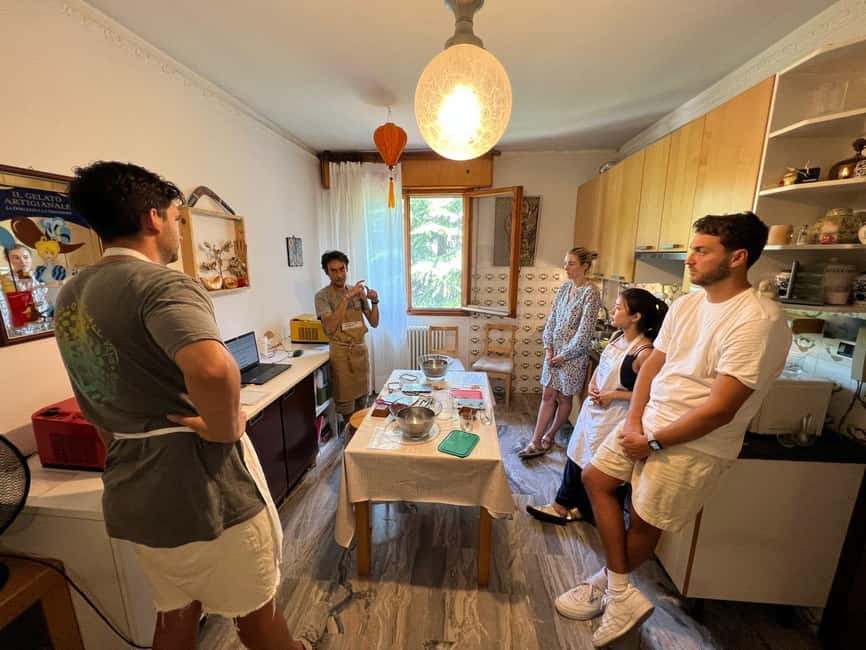
The class is built around making several frozen items from raw ingredients. Even if you’re new to frozen desserts, the structure tends to keep you involved. You’re not just waiting while something chills; the class uses downtime to keep you moving, especially with granita.
Here’s how the timing typically works in a workshop like this, and what you should expect:
- Start with gelato basics: you learn about ingredients and preparation techniques as you make the gelato components.
- Work through texture and freshness cues: you’ll get specific ideas for what “good” looks like and how to judge whether gelato is freshly prepared.
- Use cooling time for granita: while a gelato mixture cools, you prepare granita so you keep your hands busy and taste decisions active.
- Finish with sorbet: the sorbet portion builds on what you learned about frozen consistency and ingredient effects.
One thing I like about this approach is that it teaches you relationships, not just recipes. You start to understand how ingredient choices and handling affect texture. That’s the stuff that helps you later at home, and it’s also what helps when you’re buying gelato in a shop.
In reviews, people specifically mention learning the difference between freshly made gelato and factory-produced ice cream. That distinction is exactly what you want if your goal is to stop guessing and start buying with confidence.
Learning the Origins of Italian Gelato and Why It Matters
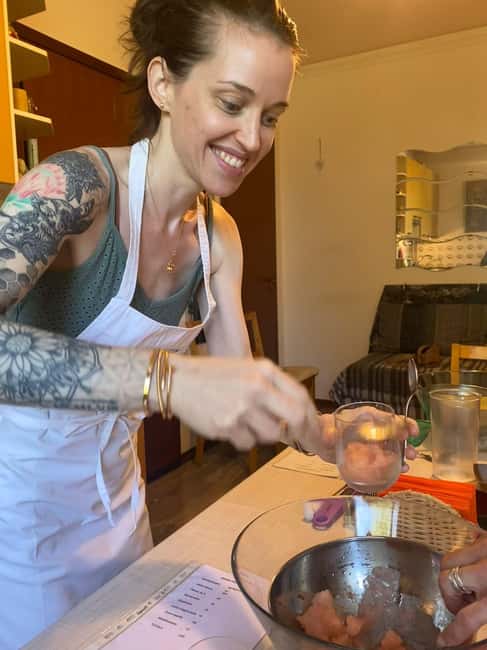
You’re not only making dessert. You also get a quick grounding in the origins of Italian gelato and the techniques behind it. That history isn’t meant to be a lecture that makes your eyes glaze over. It’s more useful as a way to understand why gelato is treated differently than standard ice cream.
Why does that matter to you? Because it changes how you judge quality. When you know what gelato is aiming for—its texture, its ingredient behavior, and why it’s handled a certain way—you’re more likely to choose a better product. You’ll also understand why some places can sell something that looks similar but doesn’t taste the same.
And if you’re the type who likes to “decode” local food while you travel, this class scratches that itch. Bologna is great for food culture, but gelato-making turns the experience from passive tasting into an active skill.
How to Recognize Good Gelato (and Freshness) Before You Pay for a Cone
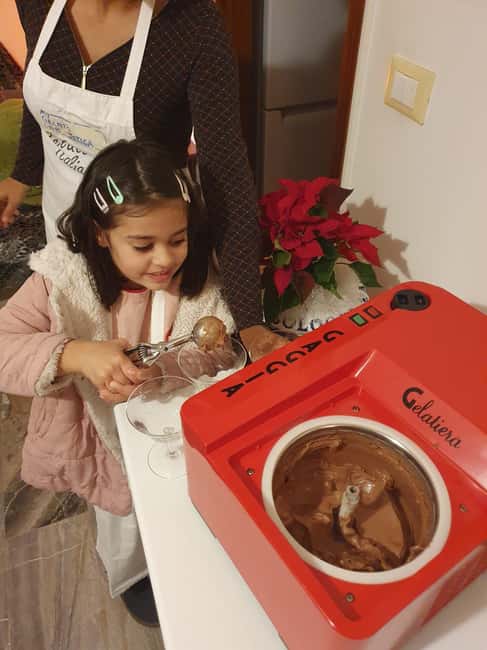
One of the best takeaways is the skill of recognizing good gelato by its characteristics and detecting freshness. That sounds vague until you practice it, but it’s the kind of lesson that pays off immediately in Bologna.
At the workshop, you learn what to look for—details like how fresh gelato feels and how it should present itself. The exact cues might vary by batch and flavor, but the learning goal stays the same: help you pick the real stuff, not the “looks fine” option.
I also love that you learn this from the perspective of a maker, not just from someone who sells gelato. A professional cares about the process and outcomes. That means your shopping instincts get sharper. You’ll know what questions to ask and what to double-check.
This is one reason the small group format matters. When you can ask follow-up questions, you’re more likely to leave with practical confidence instead of a handful of pretty tips you forget.





Hands-On Gelato Making: What You’ll Actually Do with Your Own Hands
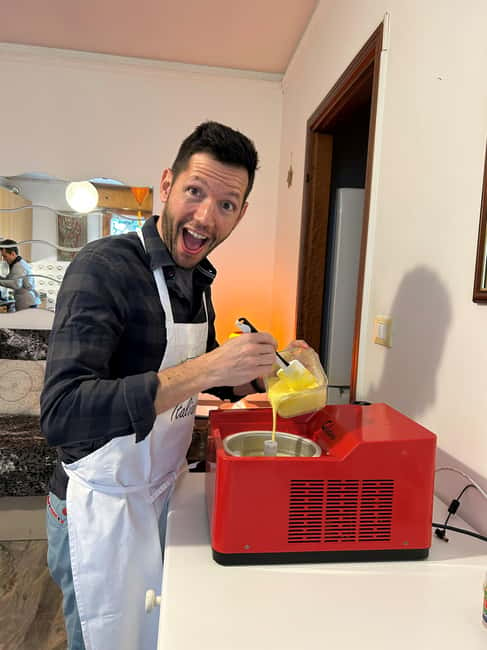
This is a workshop where your role isn’t limited to tasting. You prepare gelato from raw ingredients, and you also make:
- Gelati
- Sorbets
- Granitas
The emphasis on raw ingredients is important. It forces you to see the full chain: ingredient choices, how the mixture behaves, and what changes once it’s processed into frozen dessert. Even if you don’t plan to make gelato at home right away, this gives you a better mental model for why gelato tastes so good in Italy.
The reviews also highlight that Alessandro is very prepared. That means fewer awkward moments and more active work. People mention that the tools are set up well, and that the pace keeps you engaged, including kids. If you’re bringing children, that matters because kitchen learning can go one of two ways: either everyone gets bored, or everyone gets involved. Here, granita often becomes the fun anchor activity.
Taking Home Leftovers: A Small Luxury That Changes the Value
One detail that boosts the value: if there’s leftovers, Alessandro packs them for you to take home. People specifically mention that their take-home portion was carefully packed and that they ate it quickly because it tasted so fresh.
This is more than a nice bonus. It means your payment stretches further. Instead of consuming everything during the class and then going back to paying full price elsewhere, you’re getting a ready-made dessert moment later.
Just as importantly, it lets you compare the gelato you made with what you buy after. You can notice texture, freshness, and flavor intensity in a real, practical way.
Price and Value: Is $77 Fair for a 2.5-Hour Gelato Workshop?
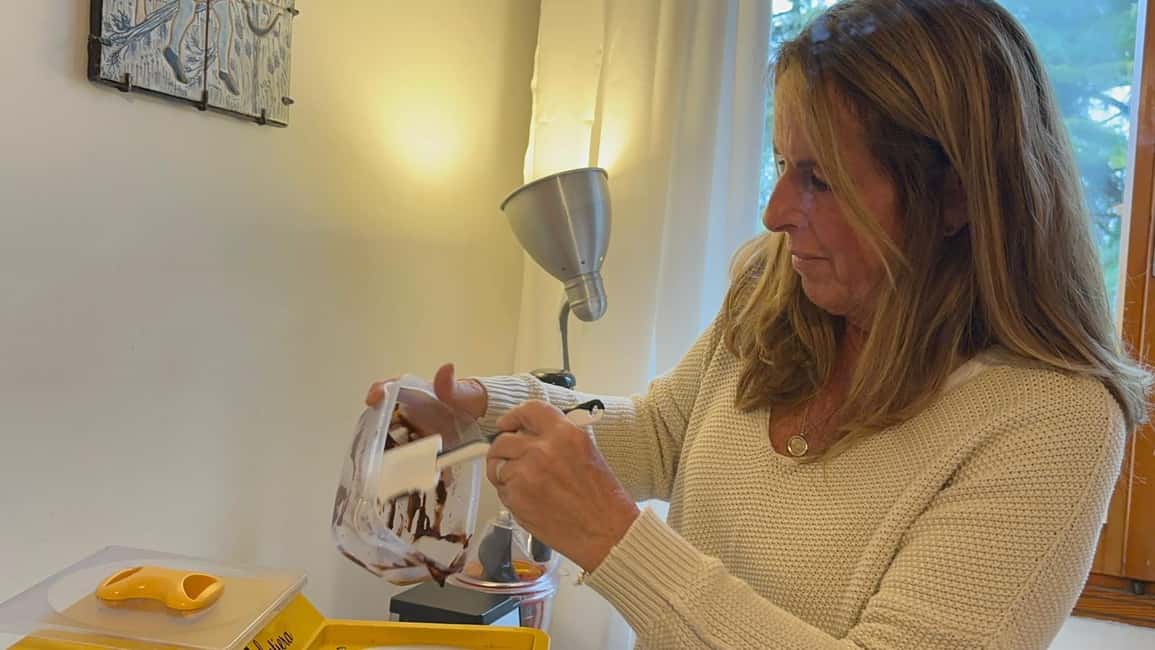
Let’s talk value honestly. $77 for 2.5 hours in a small group is a meaningful spend. But the class justifies it in several ways supported by how the workshop is described and how people experience it:
- You make multiple desserts (gelato, sorbet, granita), not just one.
- Instruction comes from a professional who teaches both process and quality judgment.
- You get leftovers packed, so you’re not limited to in-class tasting.
- Small group size reduces wasted time and increases attention.
- The focus is not only on eating. You learn how to replicate the experience later.
If you’re someone who likes food tours that end with a ticket to a kitchen skill, this is strong value. If your main goal is just sampling Bologna sweets without thinking too much, you might prefer a gelato crawl where you can taste variety cheaply. But if you want to come home knowing what makes gelato gelato, this price starts to look reasonable.
Who This Workshop Is Best For (and Who Might Skip It)
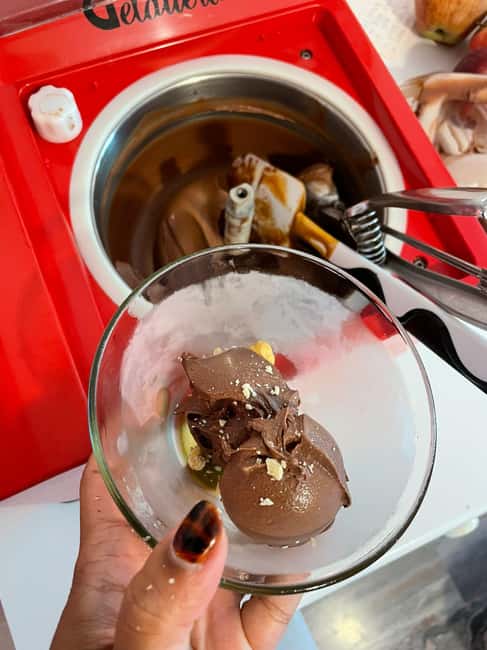
This class is a great fit if you:
- Want a hands-on Bologna gelato making experience instead of just eating
- Like learning how local food quality works, especially freshness and technique
- Travel with kids who enjoy activities where they can mix, pour, and make something
- Want to return to gelato shops with better judgment
It might be less ideal if:
- You’re hoping for a large group “festival” energy
- You dislike the idea of learning in a home setting (meeting at Via Antonio Vivaldi, 26)
- You’re not interested in texture and ingredient effects and only want quick bites
Children are welcome under adult supervision, and the workshop isn’t suitable for kids under 3. Allergy and intolerance details must be provided in advance, so if that’s a factor for your group, plan ahead.
Practical Tips Before You Go (So You Enjoy the Full 2.5 Hours)
Here are the practical moves that help you get the most out of a small kitchen class like this.
First, plan your schedule so you’re not rushing afterward. You’ll be tasting and you’ll leave with extras if there are leftovers packed, so it’s not an experience you want to sandwich between intense museum visits.
Second, if you have allergies or food restrictions, share them in advance. The activity instructions specifically request allergy and intolerance info ahead of time. That isn’t a detail to ignore.
Third, come curious. This class includes learning the origins of gelato and how to recognize good gelato. If you ask about how ingredient changes affect texture, you’ll get more from the time you spend.
And finally, keep in mind the languages. Instruction is offered in English and Italian, so if you’re more comfortable in one, you might still benefit from paying attention to both. A small class works best when you can follow the main points.
Should You Book This Bologna Gelato Workshop?
Yes, if your travel style includes learning one solid craft and taking something practical home. The combination of a professional instructor (Alessandro), a small group up to 4, and hands-on making of gelato, granita, and sorbet makes it feel like more than a one-time meal.
Also, the take-home leftovers add real value. You’re buying instruction plus outcomes you can enjoy again later.
Skip it only if you want purely passive sightseeing food sampling, or if you strongly dislike home-kitchen formats. Otherwise, this is the kind of experience that makes Bologna taste smarter when you’re out walking afterward.
FAQ
Is the Bologna gelato workshop 2.5 hours long?
Yes. The workshop duration is 2.5 hours.
How many people are in the group?
It’s a small group limited to 4 participants.
What desserts will we make during the workshop?
You’ll prepare granitas, gelati, and sorbets from raw ingredients.
What language is the instruction offered in?
The instructor provides instruction in English and Italian.
Where do we meet the host?
You meet the host at his home on Via Antonio Vivaldi, 26.
Is the workshop suitable for children?
Children are welcome under adult supervision, but it’s not suitable for children under 3 years old.
Can I get a refund if I cancel?
Yes. Free cancellation is available up to 24 hours in advance for a full refund.