REVIEW · BOLOGNA TOWERS TOURS
Bologna: the red medieval pearl and its delicious food (private tour)
Book on Viator →Operated by Riccardo Bacchi · Bookable on Viator
Bologna can feel like a red medieval postcard, but the real magic is edible. This private tour trades tourist traps for hands-on tastings of Parmigiano Reggiano and Modena-style balsamic vinegar, while a guide connects each stop to the city’s food culture. I also like the balance: you get market energy in the Quadrilatero and then you walk through landmark sites that explain why these flavors matter. One possible drawback: this is as much food-and-art storytelling as it is pure tasting, so if you want only a heavy restaurant-style food session, you may feel a bit short-changed.
I think the strongest part is how the tour uses Bologna’s streets as a classroom. With Riccardo Bacchi guiding, you’re not just sampling ingredients—you’re learning what they were used for, where they fit into local life, and how Bologna’s history shows up on walls, in churches, and inside classic shops. The pace is lively over 4 to 5 hours, with admission stops included where listed, so come hungry and ready to walk.
In This Review
- Key things to know before you go
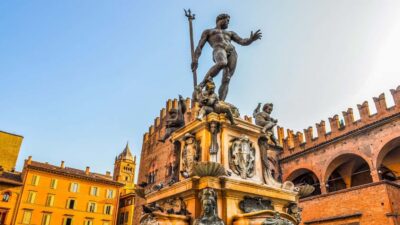
- Entering Bologna’s food heart: Piazza del Nettuno to Quadrilatero
- Quadrilatero + Parmigiano tastings: why Bologna takes cheese seriously
- Acetaia Giusti and Aceto Tradizionale di Modena: balsamic with history attached
- Piazza Santo Stefano: cloisters, mosaics, and the food-life connection
- Chiesa di San Giacomo Maggiore: frescoes that talk about food
- Salumeria Simoni and the 100 tastings moment
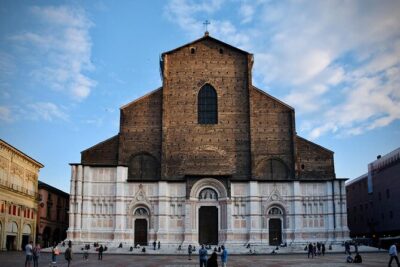
- Basilica di San Petronio: silk routes, daily life, and mortadella links
- Osteria del Sole: wine tasting in a 15th-century inn
- Price and pacing: is $308.32 per person good value?
- Who this tour is best for (and who might want a different plan)
- Should you book this Bologna private food tour?
- FAQ
- How long is the private Bologna food tour?
- Where does the tour start, and what time?
- Is this tour private?
- What will I be tasting?
- Are admission tickets included for the stops?
- What is the cancellation policy?
Key things to know before you go
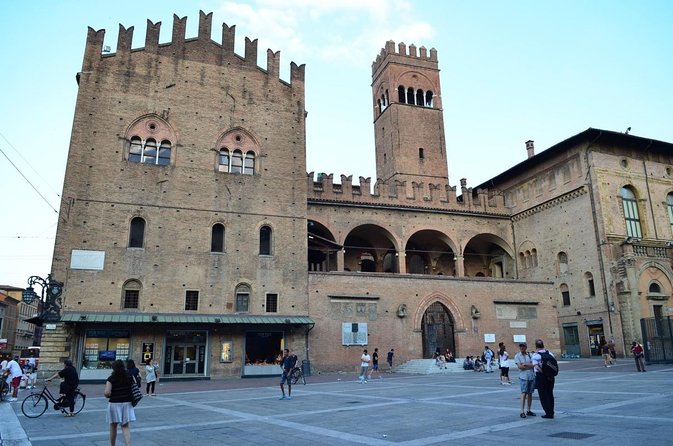
- Private guide, private pace: only your group, starting at Piazza del Nettuno at 9:30 am and looping back at the end.
- More than food samples: frescoes, mosaics, chapels, and ruins that link back to daily life and food culture.
- Big production names, not mystery bites: Parmigiano Reggiano tastings plus Acetaia Giusti balsamic tasting.
- One serious shop stop: Salumeria Simoni’s tastings are billed as 100 local tastes and flavours.
- Built to feel like a meal: the tastings are enough that you shouldn’t need to start dinner from scratch.
Entering Bologna’s food heart: Piazza del Nettuno to Quadrilatero
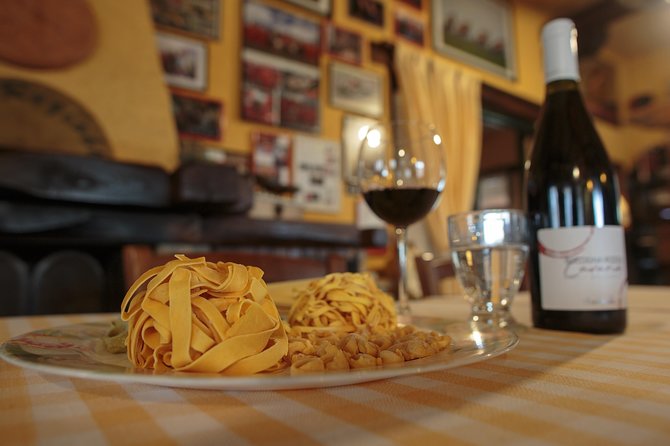
You meet at Piazza del Nettuno, Bologna’s famous starting point where the vibe is already in motion before 10. From there, you head into the old market district, and that’s where the whole tour clicks into place: the food isn’t separated from the city. It sits in the same lanes, under the same history, with the same kind of everyday rhythm people came here for for generations.
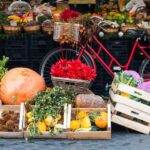
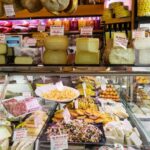
The Quadrilatero stop is where you get the morning-market feel. The focus is on early life in the old food market, including visits to traditional shops where you can taste as you go. You’ll spend about an hour here and get time to browse with purpose, not just wander.
Practical note: markets reward curiosity, but they also reward comfort. Wear shoes you can stand in for stretches, because the tour layers food shopping and historic stops without long breaks.
You can also read our reviews of more food & drink experiences in Bologna
Quadrilatero + Parmigiano tastings: why Bologna takes cheese seriously
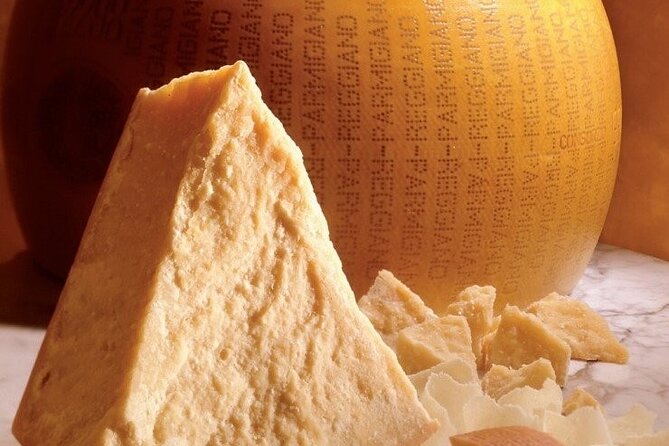
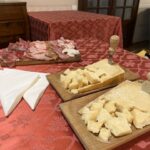
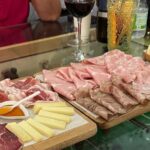
In the Quadrilatero area, you’ll hit the kind of stalls and specialty shops where Bologna’s food identity feels very specific. The tour includes tastings of different kinds of Parmigiano Reggiano, along with plenty of other homemade salumi and cheeses.
What I like about this approach is that Parmigiano isn’t presented as one product. You’re encouraged to notice differences that come from aging and craft. Even if you’re not a “cheese expert,” it’s a fun way to build a real palate instead of just collecting bites.
You also get a broader spread of cured meats and cheese alongside the Parmigiano, so your senses start connecting flavors instead of tasting them in isolation. It’s also a smart way to “skip the tourist food” because you’re going into long-standing local-style shops rather than hunting for a single flashy dish.
Acetaia Giusti and Aceto Tradizionale di Modena: balsamic with history attached
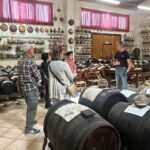
Next comes Acetaia Giusti, an old acetaia where homemade production of Aceto Balsamico Tradizionale di Modena is part of the story. You spend around 20 minutes here, and admission/tasting is included for this stop.
Balsamic vinegar in Italy can be confusing if you only know the supermarket version. This tasting route is valuable because it ties the product to a place and a tradition—Modena—rather than treating balsamic as a generic condiment. Even in a short time, you’re tasting with a bit more context than a standard “drizzle-and-go” experience.
A good way to use this stop: pay attention to the intensity and the way sweetness shows up as you taste. Then carry that memory forward to the rest of the day, because the tour’s art-and-food links keep returning to daily life and how these ingredients traveled through local culture.
Piazza Santo Stefano: cloisters, mosaics, and the food-life connection
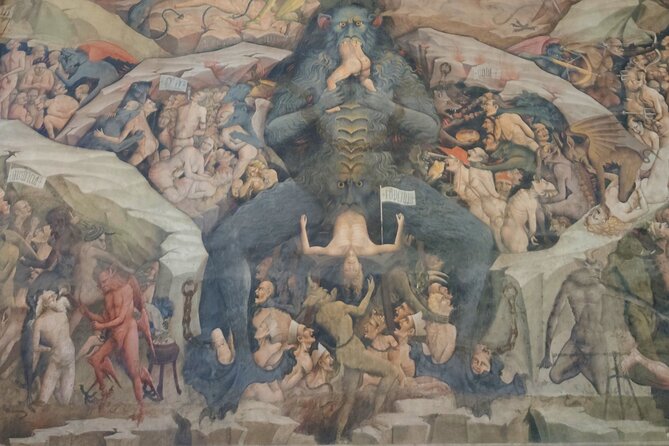
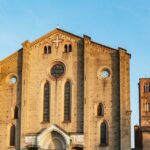
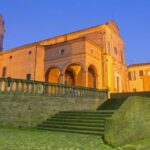
Piazza Santo Stefano is the tour’s big “wait, we’re touring history now” moment—and it works because food is still the thread. You spend about an hour here, with admission included, and you’ll explore an old medieval abbey, its cloisters, and a mix of Roman and Byzantine ruins.
Key details you’ll see and hear about include medieval mosaics and sculptures, plus the basin of the Longobards. If that sounds like pure archaeology, it’s not. The tour ties these layers back to daily life—how people organized public spaces, how water and infrastructure mattered, and how food culture developed in the same neighborhoods and time periods.
Then there’s the coil stairs by Vignola and a unique example of a 12th-century house. The payoff is a terrace view of Bologna and the towers, which gives your feet a moment of scenic “reset.” It’s a nice breath between heavy flavor stops—like letting your brain digest before the next course.
Chiesa di San Giacomo Maggiore: frescoes that talk about food
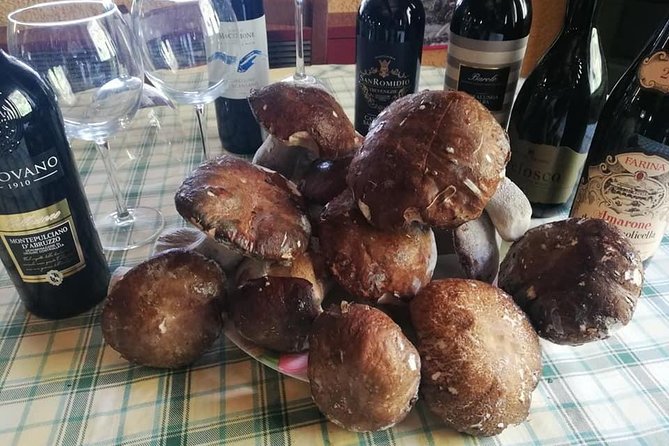
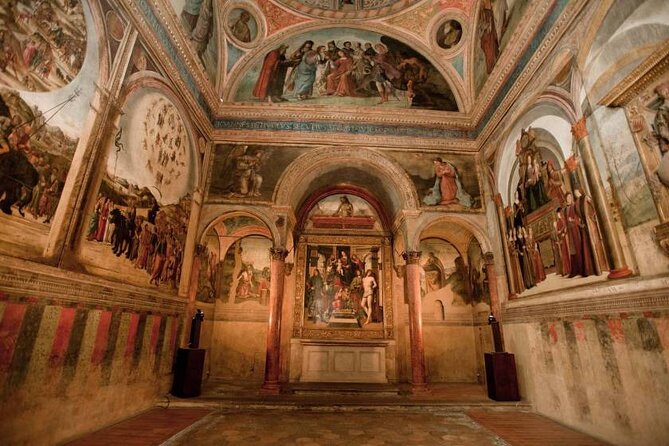
At San Giacomo Maggiore, you get a faster, focused stop—about 30 minutes, with admission included. The church is described as Gothic with Renaissance paintings and frescoes that connect to food and daily life in the 15th century.
This is where the tour’s “food-history-plus-art” style becomes very real. Instead of treating churches as background, you’re using the walls as explanations. You’re shown how visual storytelling recorded everyday routines, including food-related themes, in a time when most people learned through what they saw around them.
If you’re the type who likes tasting and then immediately wants the “why,” this stop delivers. If you wanted a deeper sit-down food session, this is the part where the tour’s balance might feel slightly art-heavy.
You can also read our reviews of more tours and experiences in Bologna


Salumeria Simoni and the 100 tastings moment
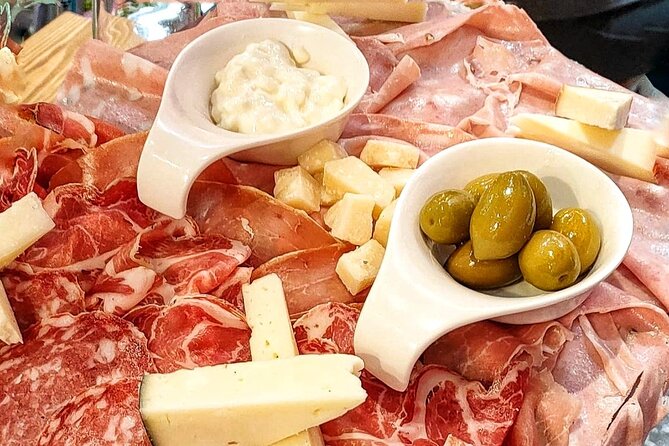
The Salumeria Simoni stop is one of the most specific and memorable parts of the whole itinerary. The tour frames it as discovering 100 different tastings of local flavors inside a historical salumeria/drogheria. You spend about 30 minutes here, with admission included.
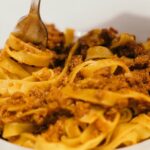
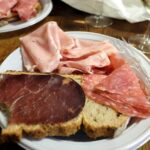
This is where you’re most likely to feel the tour lives up to the promised full-meal experience. The tasting list includes mortadella, salame, coppa, Parmigiano Reggiano, and even Torta di Riso Bolognese (rice cake). In a short time, you’ll sample across categories: cured meats, cheese, and a traditional sweet/savory bite.
How to make the most of it:
- Take a breath before you start tasting.
- Taste in order and try not to chase only the strongest flavors.
- Ask your guide what each item is for in local life—because that’s how this shop stop becomes more than “a lot of food.”
Also, this shop stop is a great reality check. If you’re worried you’ll leave hungry, this is the part that answers that worry.
Basilica di San Petronio: silk routes, daily life, and mortadella links
Basilica di San Petronio rounds out the “why Bologna eats what it eats” theme. You spend around 40 minutes here, with admission included.
Inside, you’ll visit the famous medieval gothic Chapel Bolognini. There’s also a lot of talk tied to the silk way and Bologna’s 14th-century daily life, including old inns and food. Outside, you’ll hear about witnesses of the Roman and Celtic city, including a story that connects to mortadella.
This stop is especially useful if you like to understand food as a network, not just a recipe. Bologna didn’t build its food identity in isolation. Trades, travel routes, and everyday commerce shaped what ingredients were available and what styles people valued. The tour keeps those ideas grounded by pointing to specific places and stories in the basilica area.
Osteria del Sole: wine tasting in a 15th-century inn
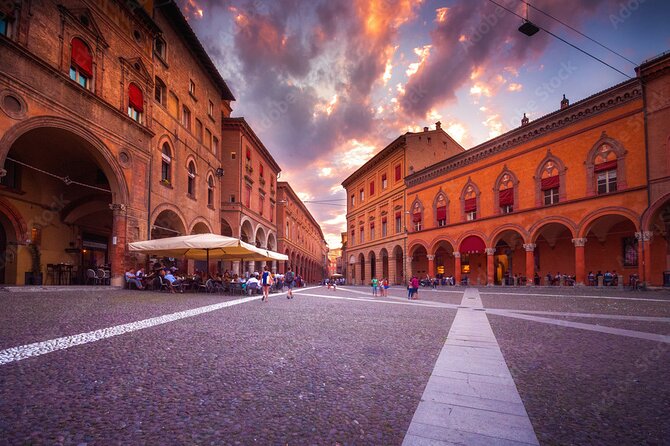
You finish with a final taste at Osteria del Sole, an inn described as original and dating to the 15th century. This stop is around 30 minutes, with admission included.
Here you’re offered local wine options including Cabernet Sauvignon (Rosso Bologna), Bianco Bologna, Pignoletto, and Sangiovese. The tour also invites you to smell the perfumes of the old market, which is a nice final sensory touch—because you’re leaving the tasting mode and shifting into “memory mode.”
This is a practical ending. You’ll have walked, tasted, listened, and then you can slow down with a glass of wine in a historic setting. It’s also a good spot to ask your guide how to eat next in Bologna—what to prioritize if you only have one evening left.
Price and pacing: is $308.32 per person good value?
At $308.32 per person, this isn’t a budget tour. The question is whether the experience justifies that price—and for many people, it will, because you’re getting several value drivers in one morning.
Here’s what supports the cost:
- Multiple tasting stops with locally specific products: Parmigiano Reggiano, Acetaia Giusti balsamic, and a major cured-meat/cheese tasting session at Salumeria Simoni.
- Enough samples for a full meal (that’s part of the promise of the format).
- Admission included for most stops where you enter churches or heritage spaces.
- Private touring, meaning no waiting around for a bigger group’s pace.
Where the price can feel less comfortable is if you’re only there for food and don’t care much about art and landmark storytelling. One critique you might relate to is that the day can feel like it’s doing double duty—food and culture.
My take: treat the price as paying for expert framing and high-quality stops, not as paying for a long restaurant dinner. If that’s your style, you’ll likely feel like you got your money’s worth.
Who this tour is best for (and who might want a different plan)
This tour is a strong fit if you:
- Want a food-first Bologna introduction without getting stuck in tourist menus.
- Like learning while you taste—especially when food history is tied to the actual buildings you’re standing in.
- Enjoy markets and specialty shops, where the experience depends on conversations and comparisons.
It may be less ideal if you:
- Prefer mostly hands-on cooking or long, seated courses with lots of time at one table.
- Want a pure “mortadella deep dive” focused only on product facts. The day includes mortadella links, but it also spends meaningful time in churches, mosaics, and abbey spaces.
If you fall somewhere in between, it’s still worth considering. The best way to use the day is to treat each landmark stop as a bonus explanation for what you’re tasting.
Should you book this Bologna private food tour?
If you want to understand Bologna by eating it, I’d book it. This is the kind of tour that helps you connect dots fast: Parmigiano changes with aging and craft, balsamic is a tradition tied to a place, and mortadella and cured meats live inside a bigger story of trade, daily life, and neighborhood culture.
I’d especially recommend it when you’re short on time—because 4 to 5 hours gives you a full-meal-feeling tasting lineup plus major sights, and you don’t waste that time hopping randomly between places. And if you’re traveling as a couple or small group, the private format makes the experience feel easier to manage, with the guide able to keep the pace right.
FAQ
How long is the private Bologna food tour?
The tour runs about 4 to 5 hours.
Where does the tour start, and what time?
It starts at Piazza del Nettuno in Bologna at 9:30 am, and it ends back at the meeting point.
Is this tour private?
Yes. It’s a private tour/activity, so only your group participates.
What will I be tasting?
You’ll sample traditional regional foods and ingredients such as Parmigiano Reggiano, Aceto Balsamico Tradizionale di Modena (balsamic vinegar) from Acetaia Giusti, mortadella and other cured meats, plus Torta di Riso Bolognese. The Salumeria Simoni stop is described as 100 local tastes and flavours.
Are admission tickets included for the stops?
Admission is free for Quadrilatero. Admission tickets are listed as included for Acetaia Giusti, Piazza Santo Stefano, Chiesa di San Giacomo Maggiore, Salumeria Simoni, Basilica di San Petronio, and Osteria del Sole.
What is the cancellation policy?
Free cancellation is available up to 24 hours in advance for a full refund.