REVIEW · CITY TOURS
Private Bologna City & Europe Oldest University Guided Tour
Book on GetYourGuide →Operated by TUI Musement · Bookable on GetYourGuide
Bologna teaches you to read its buildings. This private, expert-led walk turns the University of Bologna into a story you can follow street by street, ending at the Archiginnasio and its Anatomy Theater. I love that the guide makes the medieval world feel specific, not generic, with clear narration in several languages, but there’s one trade-off: entrance tickets for paid sites aren’t included.
I especially liked the stop in Piazza San Domenico, where you get to admire monuments tied to the most illustrious professors of the Middle Ages. In the Museo Medievale, you’ll see vivid bas-reliefs showing professors teaching an audience of students, and that visual detail is what sticks with you after the tour. One consideration: this experience isn’t suitable for wheelchair users, so plan around stairs/uneven walking.
In This Review
- Key highlights for a Bologna university walk
- Why Bologna’s university story starts in the 11th century
- Meeting near Biblioteca Salaborsa (and why it helps)
- Piazza San Domenico: professor monuments with real context
- Museo Medievale: bas-reliefs that make teaching feel tangible
- Archiginnasio Palace: a school building that aged into identity
- The 17th-century Anatomy Theater: medicine told through wood sculpture
- How the 2.5 hours usually feels (and what to plan for)
- Price and value: what you pay for in a private university tour
- Weather, timing, and comfort tips you’ll be glad you followed
- Who this tour suits best
- Should you book this private Bologna university tour?
- FAQ
- Where does the tour start?
- How long is the tour?
- Is this a private tour?
- What languages are available for the guide?
- What’s included in the price?
- Are museum or site entrance fees included?
- Which stop focuses on medieval teaching scenes?
- Is the Museo Medievale open every day?
- Is the tour suitable for wheelchair users?
- What should I bring, and what can’t I bring?
Key highlights for a Bologna university walk
- University stories from the 11th century: you’ll understand why Bologna is often called Europe’s oldest university home.
- Piazza San Domenico monuments: medieval academic fame, shown through public memorials.
- Museo Medievale bas-reliefs: learning scenes carved in stone that make the history feel real.
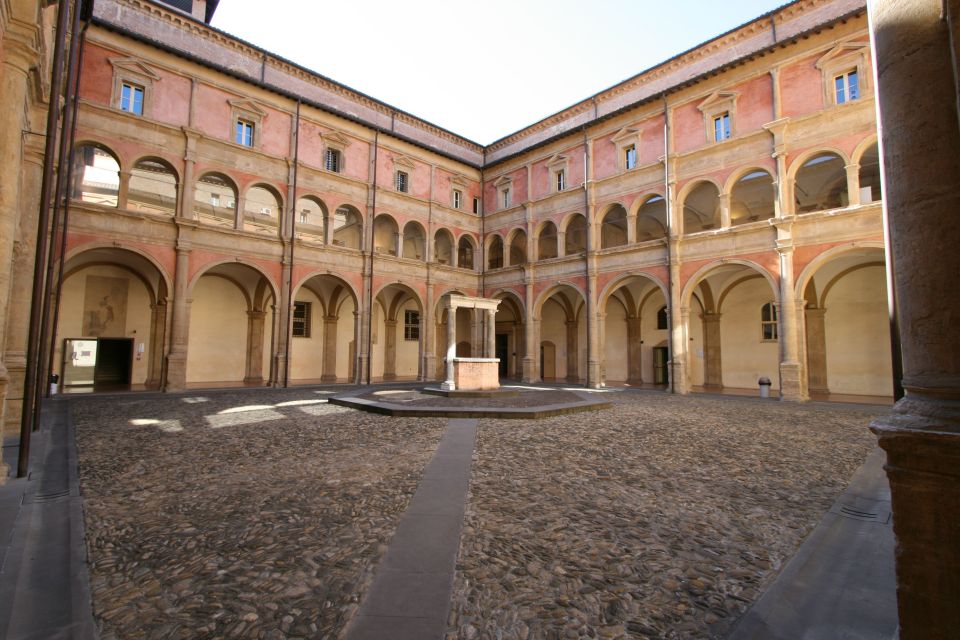
- Archiginnasio Palace: a building that served as city schools from the 16th to the 19th century.
- 17th-century Anatomy Theater: wooden sculpture and medicine-focused details you can actually look at up close.
Why Bologna’s university story starts in the 11th century
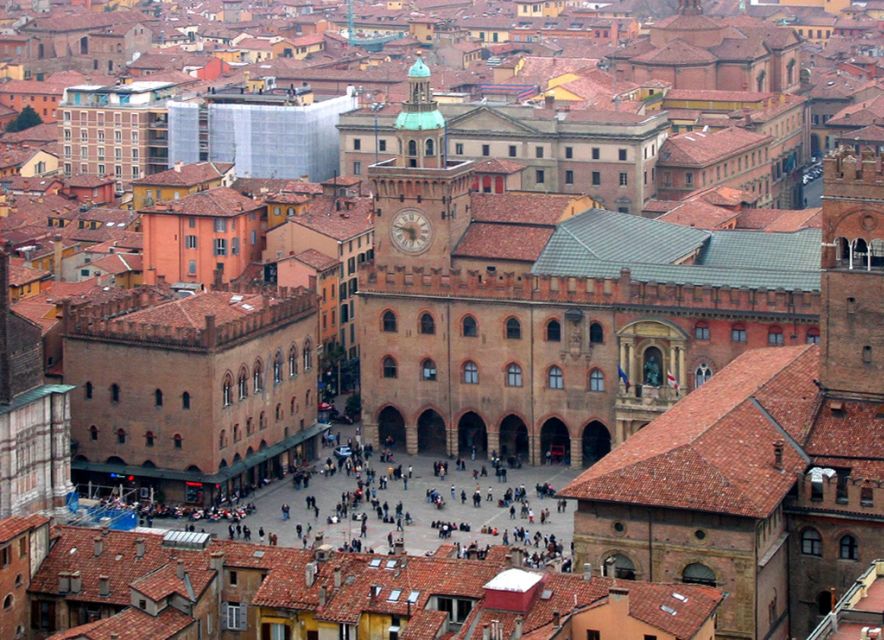
Bologna’s University is famous for a reason: it’s tied to the 11th century, when the first university of Europe took shape here. On this tour, that date isn’t just a fact you hear and forget. It becomes a backbone for everything else you’ll see—who studied, where teaching happened, and why certain buildings became identity markers for the city.
The best part is how the guide connects the dots between public spaces and classrooms. When you stand in the right square, the monuments stop looking like decoration and start reading like academic history written in stone. When you walk into the palace spaces connected to schooling, you understand how teaching moved through time.
You can also read our reviews of more guided tours in Bologna



Meeting near Biblioteca Salaborsa (and why it helps)

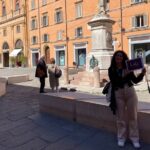
You start at the Piazza del Nettuno area, specifically listed as meeting in front of Biblioteca Salaborsa, where your guide holds a TUI sign/flag. For me, that is a practical setup: it’s easy to orient around a well-known central landmark, and you don’t waste the first part of the tour guessing where to go.
You’ll also want to keep things simple at the start. The tour doesn’t allow luggage or large bags, so travel light. Comfortable shoes matter too, because this is a walking-focused cultural route.
Piazza San Domenico: professor monuments with real context
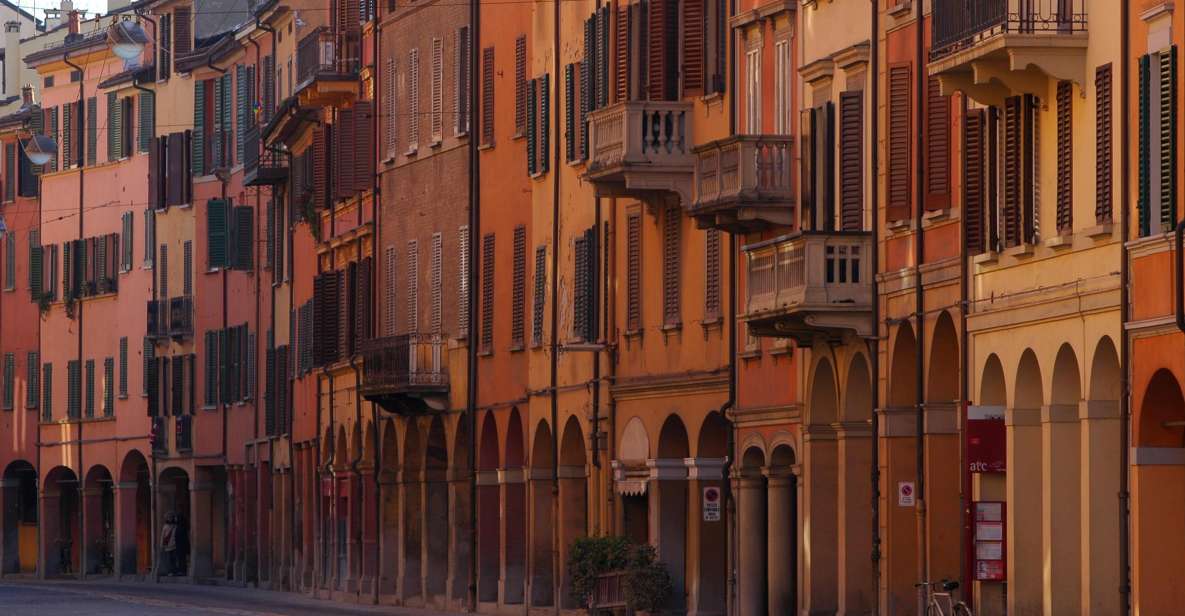
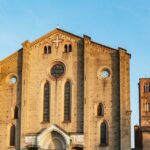
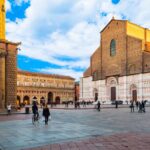
Piazza San Domenico is where you start seeing Bologna’s academic prestige as something public. You’ll visit with a guided focus, admiring monuments to the most illustrious professors of the Middle Ages. That phrasing matters: these aren’t just generic “old scholar” statues. The point is to show you that teaching and reputation were powerful enough to be memorialized in the open.
As you listen, you’ll get a sense of how medieval learning worked socially. Professors weren’t floating intellectuals in isolation—they were key figures in a city that attracted students and shaped careers. The square becomes a stage for understanding status, teaching, and the public face of education.
Museo Medievale: bas-reliefs that make teaching feel tangible
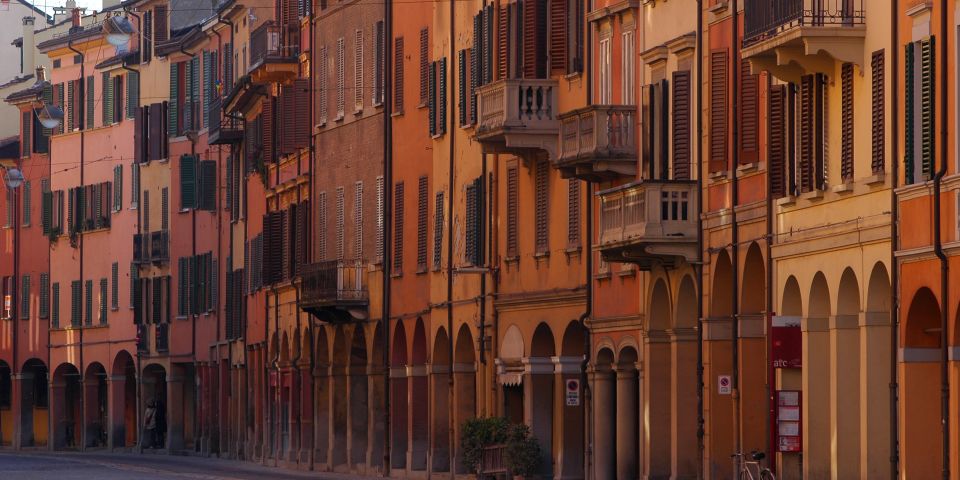
Next comes the Medieval Museum (Museo Medievale), where you’ll spend time on a guided visit focused on learning and narration. The standout here is the bas-relief artwork. Instead of just seeing artifacts, you’ll be guided through vivid scenes that show professors teaching an audience of students.
This is the kind of museum moment that helps you slow down in the right way. You can look at images that might otherwise feel symbolic or decorative, then suddenly they make a kind of sense: you’re watching a visual interpretation of a teaching moment. That’s a big reason this stop is highly memorable on a short tour.
One practical note: Museo Medievale is closed on Mondays, and the opening hours can vary. If you’re visiting on a Monday, you’ll want to double-check before you plan your day.
Archiginnasio Palace: a school building that aged into identity
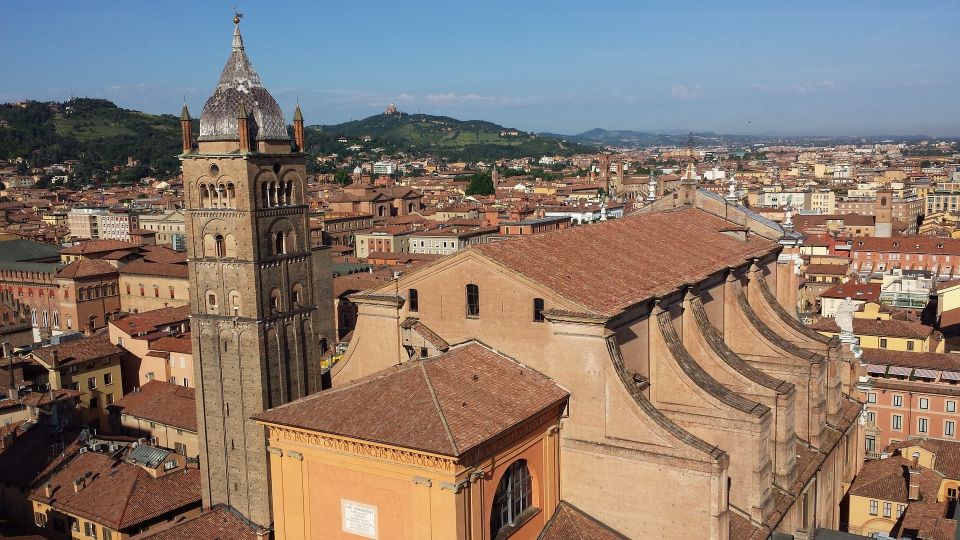
Then you’ll walk to the Archiginnasio Palace, described as home to the city’s schools from the 16th to the 19th century. Even if you’re not a student of architecture, this timeline matters. It explains why the building feels purpose-built for learning and why it holds such a strong association with academic life.
The guide’s narration is what turns “old building” into “function over time.” You’ll connect the palace’s role as a schooling center with what you’ve already seen in Piazza San Domenico and the Medieval Museum. In other words, you’re not just collecting stops—you’re building a coherent picture of where Bologna taught people and how education shaped city spaces.
This is also a good point in the tour to notice how the experience changes from square to museum to palace interior. Your eyes adjust as you go, and the themes stay consistent: education, authority, and the physical places that made studying possible.
You can also read our reviews of more city tours in Bologna

The 17th-century Anatomy Theater: medicine told through wood sculpture
The tour’s signature wow-factor is the 17th-century Anatomy Theater. You’ll visit it as part of the Archiginnasio experience, and it’s decorated with wooden sculptures related to Medicine. That detail gives you a useful way to look, because you know what you’re hunting for: the artistic choices that reflect medical teaching and practice.
Here’s what I like about this stop on a guided timeline: it doesn’t treat medicine as separate from learning. It treats it as a disciplined subject taught in structured spaces. When you’re shown the theater contextually, it feels less like a strange historical room and more like a real classroom built for observation, instruction, and serious work.
If you enjoy art-meets-science storytelling, this is where the tour earns its name. You’ll leave with a clearer sense of how Bologna’s university identity extended beyond lectures into practical fields.
How the 2.5 hours usually feels (and what to plan for)
The tour is listed at 2.5 hours, and it’s designed as a tight loop through key academic spaces. In practice, short tours like this can feel a bit longer if your guide is especially strong with narration and keeps the pacing thoughtful.
A good way to plan is simple: treat it like your “university-focused” block, not something you tack on between other major sights. You’ll cover several locations—Piazza del Nettuno area, Piazza San Domenico, the Medieval Museum, then Archiginnasio—and the walking between them is part of the experience. Build your schedule so you’re not rushing to catch a train right after.
Price and value: what you pay for in a private university tour
At $147.27 per person, this isn’t a budget, group-van tour. You’re paying for something tangible: a private guided experience with a live guide, offered in Spanish, English, French, German, and Italian.
That matters because Bologna’s university story isn’t just dates and names. It’s monuments, museum visuals, and a specific building tradition. A guide helps you interpret what you’re seeing, especially in places like the Medieval Museum bas-reliefs and the Anatomy Theater, where the meaning is easy to miss if you’re just scanning.
One value caution: tickets for museum sites requiring entrance fees aren’t included. So your final cost may be a little higher depending on what you’re asked to pay for at the stops that require it. If you’re already planning to visit those areas anyway, a guided private route can be money well spent because it saves you time and makes the sights legible.
Weather, timing, and comfort tips you’ll be glad you followed
This tour happens even when it’s raining. If there’s heavy rain, it may be cancelled and you’ll get a full refund. Either way, come prepared for the reality of outdoor walking.
For your comfort:
- Wear comfortable shoes. You’ll be on your feet.
- Bring no large bags or luggage.
- If you’re visiting on a Monday, expect the Museo Medievale closure to affect your day.
If you like your sightseeing guided and structured, you’ll appreciate how this route is built around education themes rather than random landmarks.
Who this tour suits best
This one is ideal if you want:
- A focused Bologna experience centered on the University story.
- Clear explanations that connect the Middle Ages to the physical buildings you’ll stand in.
- A private pace, where you can ask questions in multiple languages depending on availability.
It’s also a good fit for curious travelers who don’t need everything explained to the molecular level, but do want enough context to feel grounded. If you like architecture, museum storytelling, or history with a “follow the ideas” approach, you’ll enjoy this.
Should you book this private Bologna university tour?
I’d book this tour if you want Bologna to make sense fast. The combination of Piazza San Domenico monuments, the Museo Medievale bas-reliefs, and the Archiginnasio Anatomy Theater gives you a complete academic narrative in just a couple hours. The price is fair for a private, expert-led walk—especially once you factor in how much guided interpretation you get—just remember that entrance fees for paid sites may be extra.
If you’re on a Monday, or you need wheelchair access, you’ll want to look at other options. Otherwise, this is a strong choice for travelers who like history with clear visuals and a guide who can explain what you’re seeing while you’re standing right in front of it.
FAQ
Where does the tour start?
You meet your guide in front of Biblioteca Salaborsa, and the listed starting point is in the Piazza del Nettuno area (Piazza del Nettuno, 3).
How long is the tour?
The duration is 2.5 hours.
Is this a private tour?
Yes. It’s a private group tour.
What languages are available for the guide?
The live guide is available in Spanish, English, French, German, and Italian.
What’s included in the price?
The tour includes a private guided tour.
Are museum or site entrance fees included?
No. Tickets for museums and other sites with an entrance fee are not included.
Which stop focuses on medieval teaching scenes?
The Museo Medievale visit focuses on bas-reliefs showing professors teaching students.
Is the Museo Medievale open every day?
No. The Museo Medievale is closed on Mondays, and opening hours can vary.
Is the tour suitable for wheelchair users?
No, it is not suitable for wheelchair users.
What should I bring, and what can’t I bring?
Bring comfortable shoes. Luggage or large bags are not allowed.