REVIEW · COOKING CLASSES
Bologna: Cooking Class at a Local’s Home
Book on GetYourGuide →Operated by Cesarine · Bookable on GetYourGuide
A great bowl of pasta starts with a real kitchen. This Bologna cooking class is built around learning three Emilia-Romagna recipes in a local home and then tasting everything you make at the family table with wine included. I especially like the hands-on setup, where you cook with the right ingredients and tools in front of you, and the way the cook shares the small practical tricks that make restaurant-style results feel doable. One drawback to factor in: the exact address is shared only after booking for privacy, so you’ll want to double-check the meeting details so you don’t lose time.
It’s a 3-hour private group experience with an English/Italian instructor, hosted by a certified home cook. You’re not just watching food happen; you’re working, tasting, and asking questions, then unwinding with coffee and local wine as the meal takes shape.
In This Review
- Key things I’d bookmark before you go
- Bologna Home Cooking With a Certified Local Cook: What You’re Really Buying
- Inside the Host’s Kitchen: How the 3-Hour Class Flows
- Three Emilia-Romagna Recipes You’ll Learn and Eat
- Wine, Coffee, and the Table Experience
- Price and Value: Is $146 Worth It in Bologna?
- Private Group Pros and Cons: Getting Personal Instruction
- Meeting Address, Start Times, and How to Avoid Getting Lost
- Who This Cooking Class Fits Best (and Who Might Skip It)
- What You Take Home: Skills That Actually Stick
- Should You Book This Bologna Home Cooking Class?
- FAQ
- Where does the class take place?
- How long is the cooking class?
- Is it a private group?
- Who teaches the class?
- What recipes will I learn?
- Do I get to eat what I cook?
- Are drinks included?
- Can the class accommodate dietary requirements?
- What time does it usually start?
- What is the cancellation and payment flexibility?
Key things I’d bookmark before you go
- A certified home cook in a real Bologna home (not a showroom kitchen)
- Three authentic local recipes taught recipe-style, like family cookbooks
- You taste everything you prepare, sitting down together
- Wine included, with a mix of red and white
- All ingredients and utensils provided, so you can focus on learning
- Dietary needs handled if you tell them in advance
Bologna Home Cooking With a Certified Local Cook: What You’re Really Buying
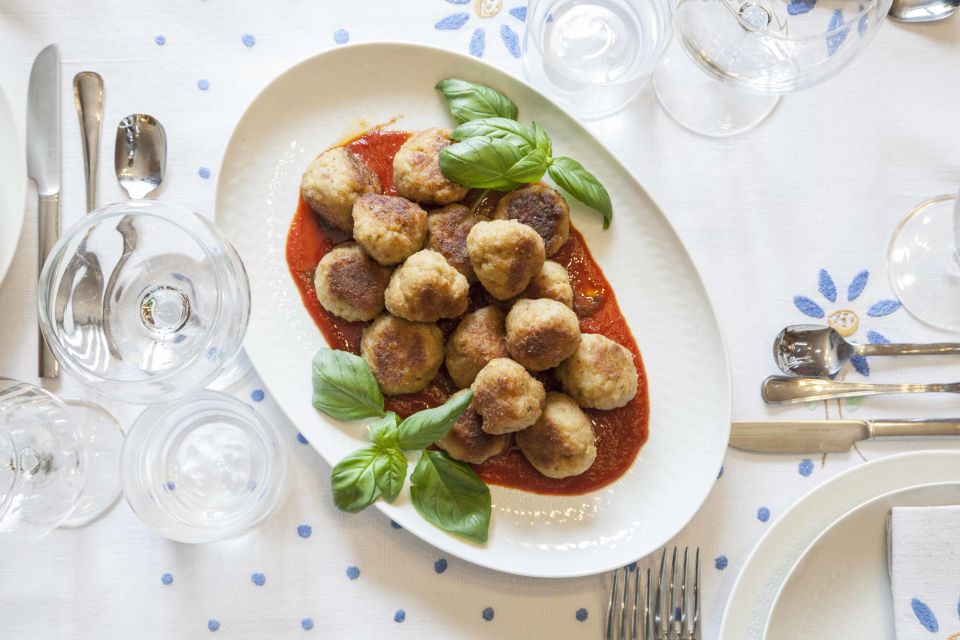
This class is best understood as more than a cooking lesson. Yes, you’ll learn how to make three regional dishes, and yes, you’ll eat them with wine and coffee. But what you’re really paying for is a guided transfer of know-how: how a Bologna cook thinks about timing, seasoning, texture, and the order of steps.
That matters because most cooking classes fall into two camps: either they’re too theoretical, or they’re too scripted. Here, the structure is simple. You get set up with what you need, you follow along with an expert home cook, and you taste what you’ve made right there at the table. That sequence helps you connect technique to outcome, so you remember it later when you’re cooking at home.
I also like the “local home” format because it changes the vibe. You’re not squeezed into a group class where everyone rushes through the same steps. A private group means you can ask questions as they come up, especially if language is a concern. The instructor is listed as English/Italian, which is exactly what you want for getting past vague advice and getting practical answers.
You can also read our reviews of more cooking classes in Bologna

Inside the Host’s Kitchen: How the 3-Hour Class Flows
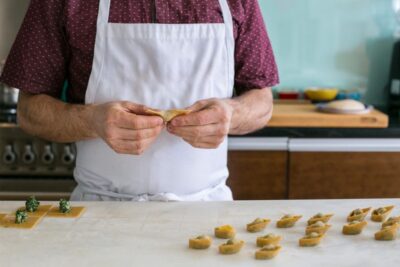
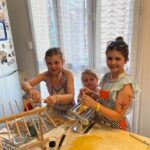
Plan for a smooth, station-based experience. You’ll be working in a workstation equipped with utensils and all the ingredients needed for the class. That reduces the usual travel-class stress: no hunting for tools, no figuring out what’s missing, no last-minute improvising.
While the exact recipe lineup isn’t spelled out in the details you provided, the teaching format is clear. During the lesson, the cook shares the tricks of the trade for three authentic local recipes. Expect a step-by-step rhythm: prep, cook, adjust, plate. The key is that you don’t just “assist.” You’re actively cooking through the process.
Timing is also worth noting. The experience is listed as 3 hours. That’s enough time to learn technique and still have a real meal afterward, instead of the usual fast stop-and-go format where tasting feels rushed. You’ll finish back at the meeting point, so you’re not left wondering how to get home after you eat.
One small practical consideration: because this is in a home kitchen, you’ll want to be ready to follow the host’s pace and space rules. Kitchens can be compact. Wear comfortable shoes and be prepared for a bit of kitchen closeness, especially when you’re tasting together around the table.
Three Emilia-Romagna Recipes You’ll Learn and Eat
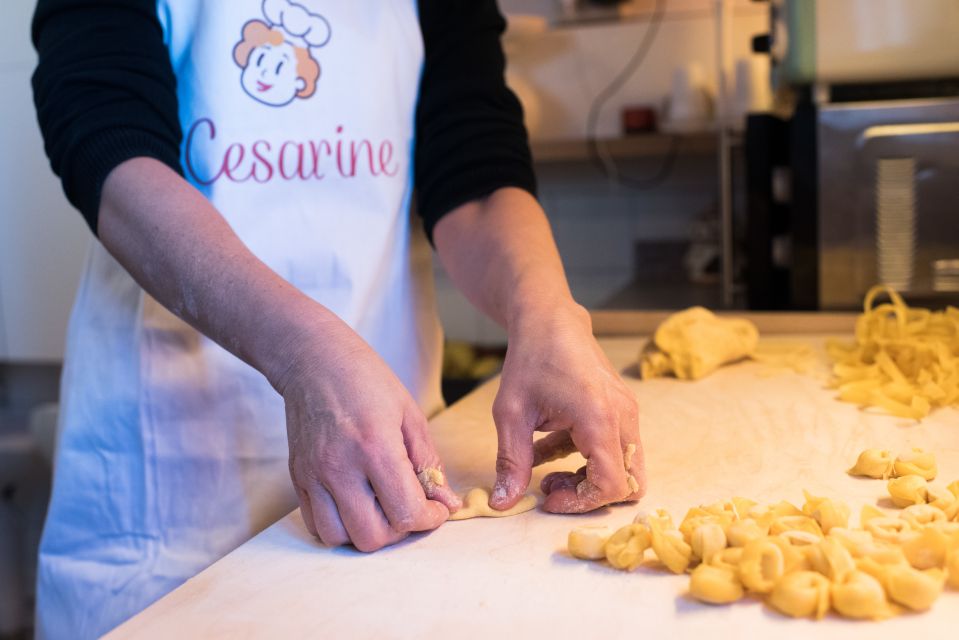
The promise here is straightforward: you’ll learn secrets behind some of the most famous regional dishes and you’ll make three local recipes during the lesson. The cook reveals practical methods, and you get hands-on time to try them yourself.
What makes this more valuable than a generic “pasta class” is the regional framing. Emilia-Romagna cooking has a particular logic. It often relies on ingredients and textures that respond well to careful technique, not just “follow the steps and hope.” When you learn recipes in the context of a home cook’s approach, you’re more likely to understand why something works, not just how to copy it.
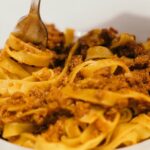
Then comes the best part: you taste what you prepare. The experience includes a tasting of the three local dishes, with the meal served after you’ve cooked them. That’s a great feedback loop. If something tastes off, you’re still in class mode, so you can learn what to adjust next time.
If you want to get the most out of this, come with a small mindset shift: treat it like a workshop, not a performance. Ask how you can tell when the dish is done. Ask what not to overdo. Those are usually the details that don’t make it into written recipes but show up in how home cooks teach.
Wine, Coffee, and the Table Experience
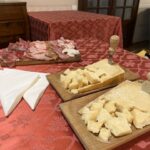
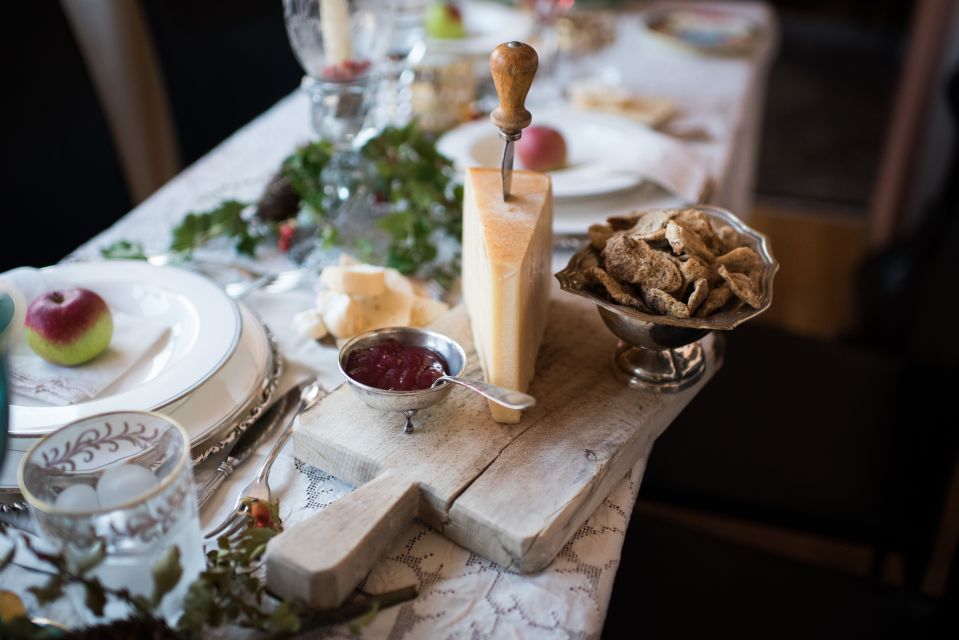
This isn’t a “stand and snack” experience. You’ll sit down and eat around the table, and beverages are included: water, local wine, and coffee.
The wine detail is better than it sounds. You get a selection of red and white local wines, which means the meal isn’t paired with a single generic pour. You’ll likely end up experiencing how different wines feel with different parts of the meal, not just with one dish.
Also, tasting is integrated, not tacked on. Because you cook first and taste after, the wine becomes part of the complete experience, not a separate event. It’s the kind of pacing that helps you relax and talk with the cook and your group as you digest what you made.
One practical note: the class asks you to advise dietary requirements so the cook can cater for you. That’s important with wine and food combinations. If you’re vegetarian, avoiding alcohol, have allergies, or follow a specific diet, tell the operator when you book. Don’t wait until you arrive.
Price and Value: Is $146 Worth It in Bologna?
At $146.14 per person, the price sits in the “you’re paying for the experience, not just the food” category. The value case gets stronger when you tally what’s included: cooking class instruction, tasting of three dishes, beverages (water, wine, coffee), and local taxes.
Here’s why that matters. Many cooking experiences separate learning from eating, or they charge extra for wine and ingredients. This one bundles the key pieces so you don’t feel nickeled-and-dimed on top of the main fee. It also helps you avoid buying ingredients you may only use once.
Another value factor: private group. Even if you’re traveling solo, a private format can be more expensive, but it’s often easier to get direct answers and adjust based on what you’re learning. You’re also in a home kitchen, so the setting itself supports the lesson.
The one “check yourself” point: if you mostly want a quick food hit with minimal instruction, a class like this might feel longer than you need. But if you want real skills you can repeat, the price becomes easier to justify because you’ll leave with technique, not only a full stomach.
You can also read our reviews of more tours and experiences in Bologna

Private Group Pros and Cons: Getting Personal Instruction
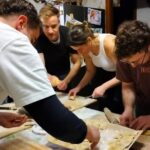
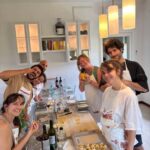
The private group setup is a major reason people like this format. You can ask questions without feeling rushed, and the cook can guide you based on your pace. If you’re nervous about cooking, private instruction can calm that down fast because you can get clarity in the moment.
Still, private groups have a trade-off. They can feel quieter and more focused, which is great if you want a calm, conversational meal. But if your goal is to meet lots of new people and share the experience in a lively group setting, a private setup may feel less social.
Language is another part of the equation. The instructor is listed as English and Italian. If you speak Italian, you can likely ask more nuanced questions. If you don’t, English support helps you understand what to do and why you’re doing it.
My advice: if you want maximum learning, prepare one or two questions beforehand. For example, ask how to judge doneness or how to fix common texture issues. The class timing is tight, so smart questions help you leave with more than general tips.
Meeting Address, Start Times, and How to Avoid Getting Lost
The experience is held in a local family’s home. For privacy, you only receive the full address after booking. Then the local partner contacts you with meeting instructions.
Start times are typically 10:00 AM or 5:00 PM, but the details say it can be flexible if you advise in advance. That’s useful if your day is packed or if you want to line up with other plans in Bologna.
Logistics can be the only stress point, and it’s worth planning for it. One common snag with home-based experiences is mismatch between what a booking app displays and where you actually need to go. If you see a meeting place listed somewhere else, don’t ignore it—but do confirm what the host has instructed you to use. Save the host contact info and plug the confirmed address into your maps app. Also, give yourself buffer time for walking; neighborhood routes can take a bit longer than you expect.
A good rule: when you receive the confirmed address, treat it as the source of truth and plan your arrival so you’re not showing up hot and flustered.
Who This Cooking Class Fits Best (and Who Might Skip It)
This works best if you want to learn actual techniques and bring them home. If you enjoy cooking, you’ll love the hands-on pacing and the chance to taste your results while they’re still fresh. It also suits food travelers who prefer authentic experiences over “tourist-only” dining.
It’s also a strong choice if you appreciate the home setting. Being in a Bologna household changes your perspective on Italian cooking. Ingredients and tools may feel simpler than you expected, but the methods are the real lesson.
You might consider skipping if:
- You only want a casual meal and don’t care about learning how it’s made.
- You dislike being in a kitchen setting for about three hours.
- You have very time-sensitive plans and can’t handle the “address provided after booking” approach.
If you have dietary needs, don’t assume you can sort it out on arrival. The experience specifically says you must advise dietary requirements so they can cater for you.
What You Take Home: Skills That Actually Stick
The experience makes a clear promise: instead of collecting souvenirs, you’re taking home Italian cooking skills. That’s not just marketing fluff. Because you cook three dishes and then taste everything you made, you build a memory of technique-to-result.
You’ll likely leave with:
- A clearer sense of timing (when to start, when to adjust)
- Better instincts for seasoning and texture
- A more confident approach to following recipes without feeling helpless
Even if you don’t reproduce every dish perfectly at first, you’ll have the method. That’s what lasts. Recipes change by pantry, but technique travels.
One more thing: you may start shopping differently. After cooking with real ingredients and seeing what matters in each dish, you’ll know what to prioritize next time you’re grocery shopping at home.
Should You Book This Bologna Home Cooking Class?
Book it if you want a hands-on Bologna cooking class in a real home, with an expert home cook, and you care about learning three regional recipes you can actually repeat. The value improves because you’re getting instruction plus a full tasting meal with wine and coffee included, and the private format helps you get answers.
Skip it if you’re mostly chasing a quick meal, you hate any logistics around meeting addresses, or you don’t plan to use what you learn. With home-based experiences, being flexible and arriving calmly makes a big difference.
If you do book, do two simple things: send your dietary requirements right away, and when you get the confirmed address, trust it and plan your arrival with buffer time. That’s the easiest way to turn a great 3-hour class into a smooth, stress-free Bologna afternoon or evening.
FAQ
Where does the class take place?
The cooking class is in a local family’s home in Bologna. For privacy, you receive the full address after you book, and the host or local partner contacts you with instructions.
How long is the cooking class?
The experience lasts 3 hours.
Is it a private group?
Yes, it’s listed as a private group.
Who teaches the class?
A certified home cook teaches the class. The instructor is listed as English and Italian.
What recipes will I learn?
You’ll learn three authentic local recipes from the regional cuisine. Specific dish names aren’t provided in the details, but the cook will teach local recipes and techniques.
Do I get to eat what I cook?
Yes. You’ll taste everything you prepare, and the experience includes tasting of three local dishes.
Are drinks included?
Yes. Beverages included are water, wine, and coffee. Wine includes a selection of red and white local wines.
Can the class accommodate dietary requirements?
You must advise any dietary requirements so the host can cater for you.
What time does it usually start?
Classes usually begin at 10:00 AM or 5:00 PM. It can be flexible if you advise in advance.
What is the cancellation and payment flexibility?
You can cancel up to 24 hours in advance for a full refund. You can also reserve now and pay later (book your spot and pay nothing today).