REVIEW · COOKING CLASSES
Pasta Making Class: Tagliatelle & Bolognese Sauce
Book on Viator →Operated by Cesarine: Cooking Class · Bookable on Viator
Cooking pasta in Bologna is the fastest way to feel local. This class pairs fresh tagliatelle with the city’s famous bolognese ragù, taught in a warm, home-style setting instead of a formal studio. You can choose an afternoon or evening slot, which makes it easier to fit into a real travel day.
I especially like the way the private cooking instructor approach works. With a small group (up to 10), you get clear guidance while you shape egg pasta and build the sauce. The experience also runs in English, so you won’t have to guess your way through the tricky parts.
One thing to consider: it’s a short, concentrated session (about 2 hours) in a home kitchen. If you want lots of downtime, slow pacing, or a big-group party vibe, this format may feel a bit too focused and hands-on.
In This Review
- Key things that make this class worth it
- From Home Kitchen to Fresh Tagliatelle: What the Experience Feels Like
- The Bologna Pasta Lesson: Tagliatelle Al Ragù, Step by Step
- Cooking With a Private Instructor (and Why It Changes Everything)
- What You’ll Do During the Class (and What to Watch For)
- The Aperitivo Portion: Wine, Tastings, and the Comfort-Food Payoff
- Value in Real Terms: Is $102.13 Worth It?
- Who This Class Suits Best (and Who Might Prefer Something Else)
- Practical Tips Before You Go (So You Enjoy It Fully)
- Should You Book This Bologna Pasta Making Class?
- FAQ
- How long is the pasta making class in Bologna?
- Is the class offered in English?
- What do I learn to make?
- Does the experience include food and drinks?
- How big is the group?
- Where does the experience start and end?
Key things that make this class worth it
- Local home setting: You cook in a real apartment-style kitchen, not a demo room.
- Small group attention: Maximum 10 travelers means the instructor can actually help while you work.
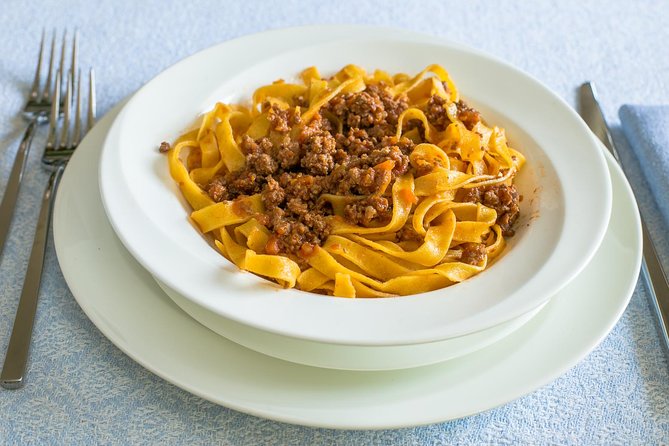
- Hands-on tagliatelle: You learn to shape fresh egg pasta for ragù.
- Classic bolognese technique: You create the meat sauce style associated with Bologna.
- Italian aperitivo with wine: You taste what you make with red and white local wines.
- English instruction + mobile ticket: Easy to plan, easy to access.
From Home Kitchen to Fresh Tagliatelle: What the Experience Feels Like
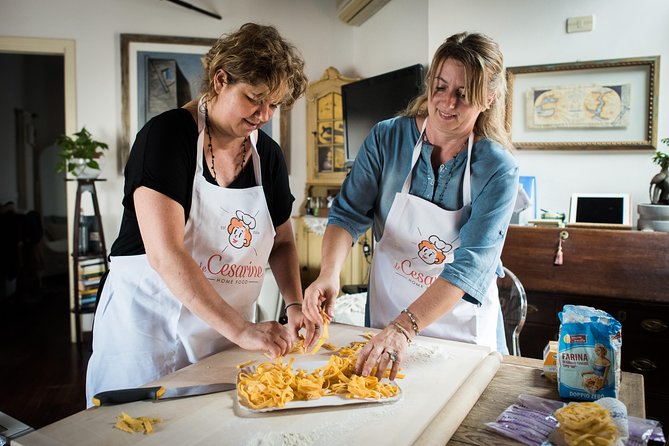
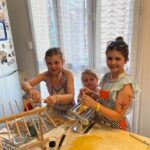
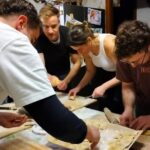
The heart of this class is simple: you make Bologna food you can actually eat at the end of the session. And the setting matters. Cooking in a local home tends to feel like you’re invited into someone’s routine, not shuffled through a scripted tour.
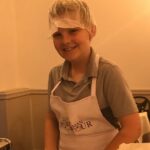
The vibe is repeatedly described as warm and welcoming. In past sessions, guides such as Rosa, Frederica (including Federica Alessi), Oriana, Alessandra, and Paola Tassi were specifically mentioned, and the common thread is comfort—like you can relax, laugh, and focus on the work without feeling intimidated by fresh dough.
You also get flexibility. There are afternoon and evening class options, which is useful in Bologna where your day can easily fill up with walking, museums, and long meals. A class slot gives you a planned block that still feels like an authentic experience.
You can also read our reviews of more cooking classes in Bologna

The Bologna Pasta Lesson: Tagliatelle Al Ragù, Step by Step
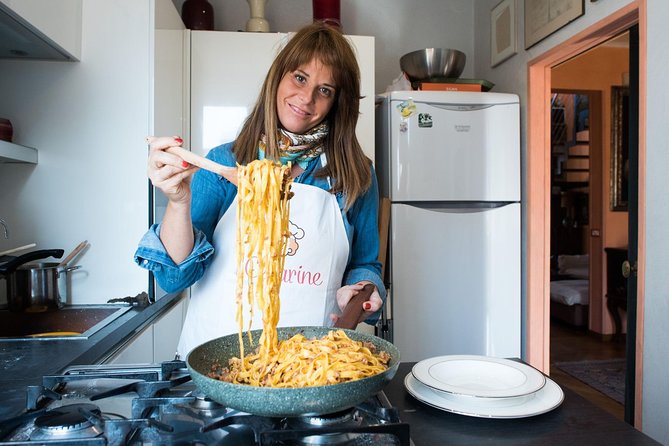
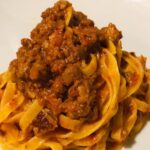
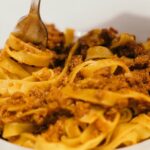
This is a tagliatelle-focused session, built around one iconic plate: Tagliatelle al Ragù. “Ragù” can sound fancy, but in practice it’s about learning how the sauce comes together and how it coats the pasta.
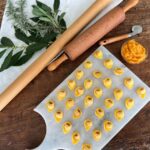
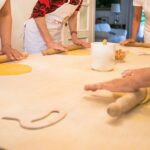
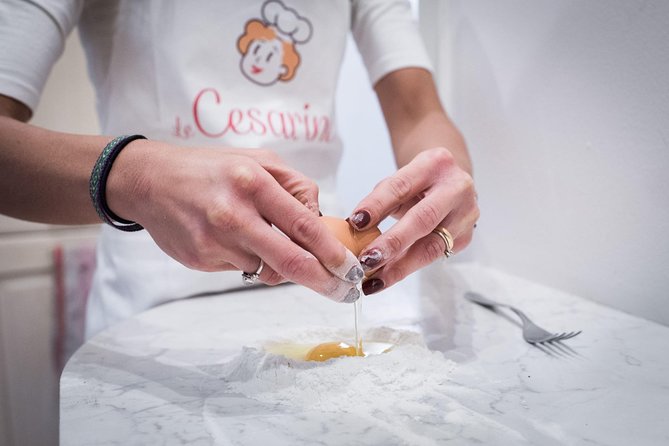
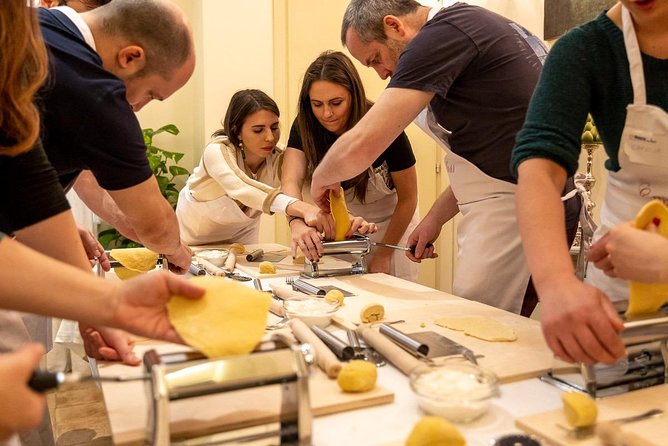
You’ll start with the pasta portion. The class centers on fresh egg pasta—shaping the dough into tagliatelle, the wide ribbons Bologna is known for. That part is where many cooking classes either rush or go overly theoretical. Here, the format is practical: you work with your hands, then the instructor helps you course-correct in real time.
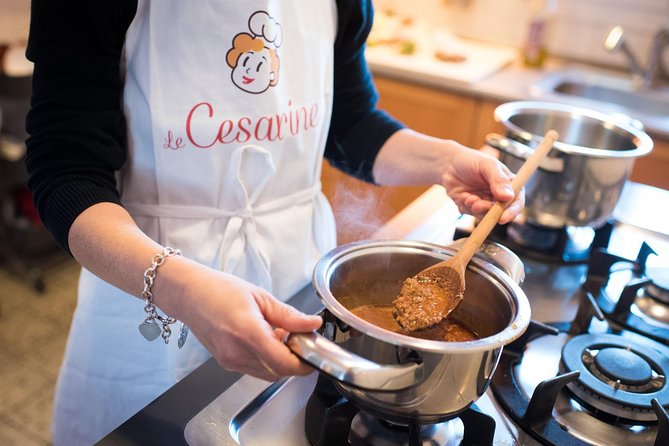
After the pasta is underway, you’ll make the meat sauce—the bolognese ragù. The goal isn’t just to stir something that tastes good. It’s to create a sauce that feels like Bologna comfort food: rich, savory, and designed to cling to ribbon pasta.
The best part is that you’re not learning this like a museum exhibit. You’re doing it, learning why it works, then eating it.
Cooking With a Private Instructor (and Why It Changes Everything)
A max group size of 10 is a big deal here because pasta-making is hands-on and timing matters. Dough needs attention; sauce needs patience and small adjustments.
That’s why the “private cooking instructor” element is one of the main value drivers. You’re not competing for the instructor’s eye. You can ask follow-up questions while you shape pasta, and you’re more likely to get immediate corrections—like how to handle dough texture or how to keep your sauce moving in the right direction.
It also helps that classes are offered in English. Even if you cook often, language can make cooking feel harder than it is. Clear instruction reduces mistakes, and it makes the experience more enjoyable rather than stressful.
What You’ll Do During the Class (and What to Watch For)
The overall duration is about 2 hours. That’s not long, but it’s enough time to make a full dish if the flow is tight and the teaching is efficient. Here’s what that usually means in a class like this:
1) Welcome and setup
You meet the instructor at the Bologna meeting point, then get started in the home kitchen environment. You’ll be given the steps for both pasta and sauce, with attention to what comes first and what you can do in parallel.
2) Making the pasta dough and shaping tagliatelle
Tagliatelle is all about ribbon width and consistency. If the strips are wildly uneven, the sauce coverage feels off when you eat. Expect the instructor to explain technique, then help while you cut or shape your pasta so it cooks evenly.
3) Preparing the bolognese ragù
The sauce is the flavor engine. You’ll build it as part of the cooking flow, and the instruction is geared toward the classic Bologna style—again, not just flavor, but texture and balance so it works with the egg pasta.
4) Taste at an Italian aperitivo
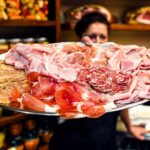
After you cook, you get to eat what you made. The class doesn’t stop at a meal photo. It turns into a proper aperitivo setup.
What to watch for: pace. With only about 2 hours, you’ll want to stay engaged and follow the steps as you go. This is not a relaxed cooking day where you can chat for long stretches between tasks. You’ll still have time to talk—but you’ll be cooking most of the time.
The Aperitivo Portion: Wine, Tastings, and the Comfort-Food Payoff
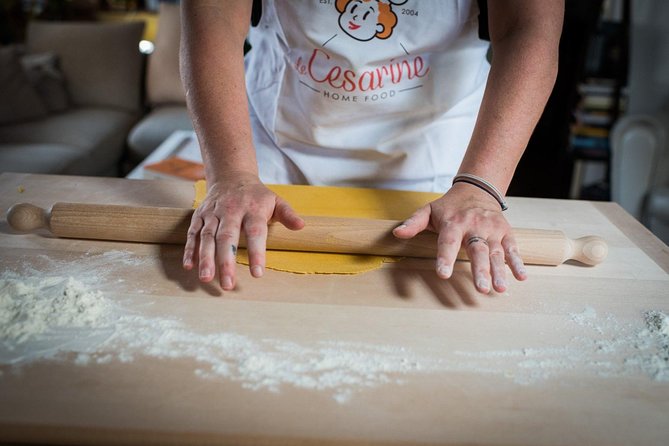
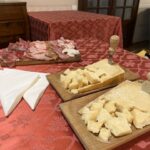
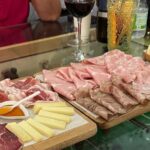
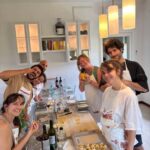
One of the smartest ways to judge a cooking class is to look at what happens after the cooking. Here, the meal isn’t an afterthought. It’s part of the experience design: you eat an aperitivo-style spread featuring what you prepared, plus wine.
You’ll taste the tagliatelle al ragù you made, and the experience includes local wine: a selection of red and white. This matters because wine pairing in Italy often isn’t about fancy theory. It’s about drinking with your food while you’re still in that freshly-made frame of mind.
In the reviews, people also highlighted that the overall time included appetizers and drinks such as champagne in some versions. While the exact drink lineup may vary by session, the consistent point is that you’re not just learning—you’re enjoying.
If you tend to forget cooking lessons the moment you leave the stove, the tasting part is what locks it in. You get to taste your results right away, then you can remember the steps that produced that flavor.
You can also read our reviews of more tours and experiences in Bologna
Value in Real Terms: Is $102.13 Worth It?
At $102.13 per person for about 2 hours, it’s not a bargain class. But it also isn’t overpriced in the “just branding” way. The price is doing a few jobs at once:
- You get a private instructor experience, not a crowded demo.
- You work hands-on with fresh ingredients and equipment needed for pasta and sauce.
- You eat what you make, plus you get an aperitivo with local wine.
So the value isn’t only the cooking. It’s the full package: instruction + ingredients + meal + wine + the comfort of learning in a local home.
Also, Bologna is full of food experiences where you pay for eating. This is one of the few where you pay to learn, then eat immediately as the payoff. That’s a different kind of value, and for food lovers it often feels more satisfying than another meal alone.
Who This Class Suits Best (and Who Might Prefer Something Else)
This is ideal if you:
- love Italian food and want a practical skill, not just a tasting
- want a small-group experience with undivided attention
- enjoy cooking and want to learn classic Bologna flavors like ragù
- prefer English instruction while still getting an authentic format
You might hesitate if you:
- want a long, slow experience focused on stories over cooking
- dislike hands-on work or get stressed in shared kitchens
- expect a large group social event rather than a focused lesson
The home setting is part of the charm. But it also means the experience stays small and kitchen-centered.
Practical Tips Before You Go (So You Enjoy It Fully)
I’d do a little prep so you get the most out of the time:
- Show up ready to cook. This is a working class, not a spectator show.
- Wear comfortable clothes you don’t mind getting flour-adjacent.
- Keep questions in your pocket. During pasta and sauce steps, ask right away while the instructor can still adjust your technique.
- Plan your day around it. Because it’s about 2 hours, you’ll want meals and appointments to fit after the aperitivo rather than right on top of it.
If you’re pairing this with other Bologna highlights, think of it like a planned “food block.” It’s one of those experiences that makes the rest of your trip taste better because you’ll recognize techniques and flavor choices when you eat out.
Should You Book This Bologna Pasta Making Class?
If you want fresh pasta skill-building in a welcoming local home, this class is a strong pick. The standout factors are the small group size, the private-style attention, and the fact that you finish by tasting what you made with an Italian aperitivo and local wines.
Book it if food is your main travel motivation and you want an experience that feels both authentic and useful. I’d skip it only if you prefer large-scale tours, long free time, or zero hands-on cooking.
In short: this is for people who want to leave Bologna not just full, but better at making one of its best-known dishes.
FAQ
How long is the pasta making class in Bologna?
The class runs for about 2 hours.
Is the class offered in English?
Yes, the experience is offered in English.
What do I learn to make?
You’ll learn to make tagliatelle and bolognese ragù (Tagliatelle al Ragù).
Does the experience include food and drinks?
Yes. After cooking, you taste what you made during an Italian aperitivo, with a selection of local red and white wines.
How big is the group?
The class has a maximum of 10 travelers.
Where does the experience start and end?
It starts in Bologna and ends back at the meeting point.