REVIEW · COOKING CLASSES
Funny cooking class with chef Antonino
Book on GetYourGuide →Operated by bolognafoodbrand · Bookable on GetYourGuide
Roll pasta like a local in Bologna.
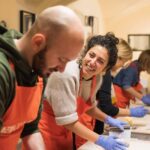
This 3-hour cooking class focuses on real handmade pasta (no machines, just a rolling pin) and a classic meat ragù, served at the end with the wine included. I love that it feels like a genuine Bologna kitchen tradition, not a rushed demo, and you get real hands-on practice with step-by-step guidance. One thing to plan around: it happens in an apartment with no elevator, and the meeting point is on the third floor.
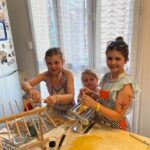
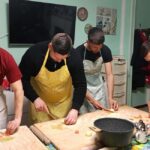
You’ll start with the ragù, then move into making tortelloni and tagliatelle by hand. I also like the small scale—private groups of max 4—which makes it easier to ask questions and get corrected while you’re rolling, cutting, and filling. The only real drawback is fit: it’s not suitable for a range of visitors (including people with gluten intolerance, certain medical situations, and anyone who needs an elevator).
In This Review
- Key things to know before you go
- Bologna’s pasta lesson: why this one is worth your time
- The 3-hour flow in plain English (what happens when)
- 1) Start with ragù in a typical local kitchen
- 2) Then handmade pasta: tortelloni and tagliatelle
- 3) Cook and eat: your meal, your work
- 4) Wine included with the work
- Chef Antonino’s style: fun teaching that actually helps you repeat the recipe
- Price and value: what $85 buys you in Bologna
- Meeting point and getting inside: the third-floor reality
- Who this class suits best (and who should skip it)
- What you’ll leave with (besides a full plate)
- Should you book Chef Antonino’s pasta class?
- FAQ
- How long is the cooking class with Chef Antonino?
- What dishes will we learn to make?
- Do we use pasta machines?
- Is the class taught in English?
- How many people are in the group?
- Is wine included?
- Where do we meet and how do we enter the building?
- Is there an elevator?
- Are there any age limits?
Key things to know before you go
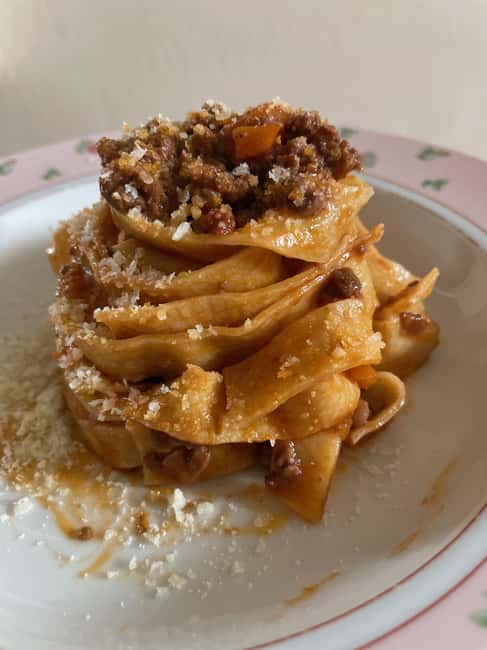
- Handmade pasta, no machinery: you roll with a pin and shape by hand
- Ragù first, pasta second: you’ll be cooking while things simmer, then finish with the meal
- Max 4 people, private format: more coaching time, less waiting around
- Wine and what you make: water plus a wonderful bottle of wine with your creations
- Recipes sent afterward: you’ll receive slides of the recipes at the end
Bologna’s pasta lesson: why this one is worth your time
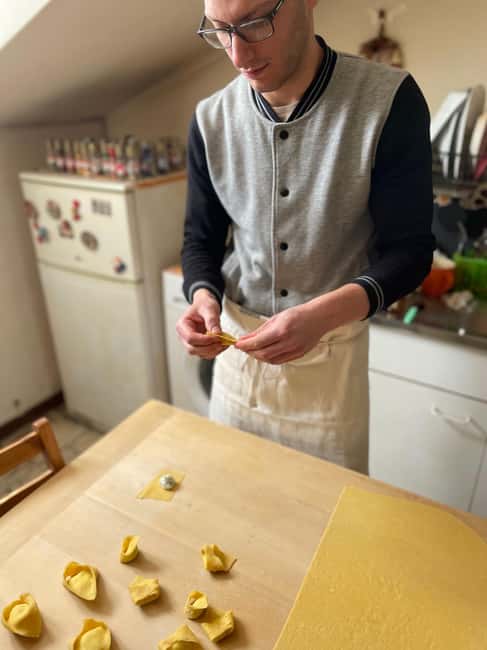
Bologna pasta has a reputation for being exacting. Not fancy for the sake of fancy—exacting because small choices change everything: texture, thickness, and how well the sauce clings. What makes this class feel different is that you’re not just watching. You’re learning the core methods behind tortelloni and tagliatelle so you can actually repeat the results later.
Also, the format matters. The evening is planned around the reality of cooking: ragù needs time, pasta needs attention, and you want both to land on the plate at the right moment. That’s why the class runs as one continuous flow—prep, cook, shape, then eat—so you’re always doing something useful instead of standing around.
And yes, the teacher—Chef Antonino—comes through as part comedian, part technical coach. The vibe is relaxed, but the instruction is the kind that sticks: you learn what to do and why you’re doing it, so you’re not left guessing at home.
You can also read our reviews of more cooking classes in Bologna
The 3-hour flow in plain English (what happens when)
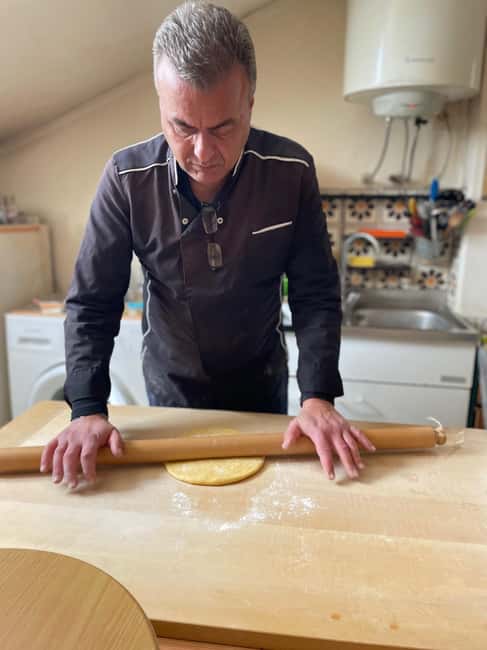
Here’s how the evening is set up, in the order you’ll live it.
1) Start with ragù in a typical local kitchen
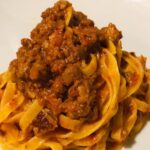
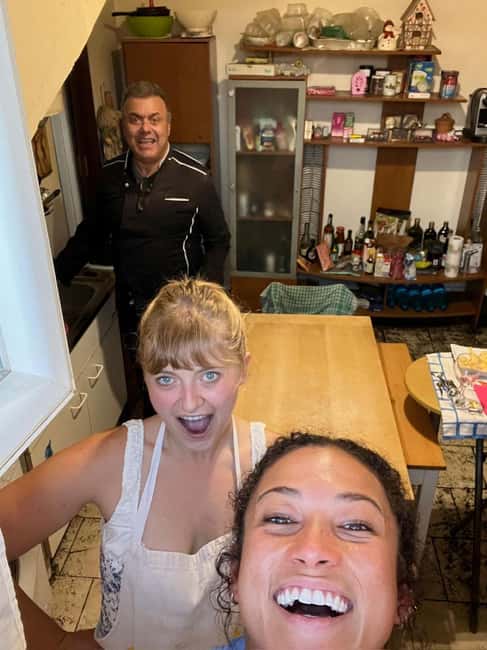
You’ll begin by preparing the ragù (meat sauce of Bologna) fresh in the kitchen. While it cooks, you’re not waiting in silence. You’ll keep moving through the pasta steps and technique setup, with ongoing guidance so you don’t get lost in the details.
The ragù stage is more than a warm-up. It’s the backbone of what you’ll eat at the end. Getting the timing and building blocks right is exactly what makes Bologna sauce so satisfying—thick enough to coat, rich enough to feel complete.
2) Then handmade pasta: tortelloni and tagliatelle
After the ragù is underway, you shift to pasta.
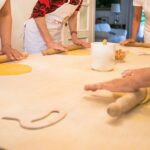
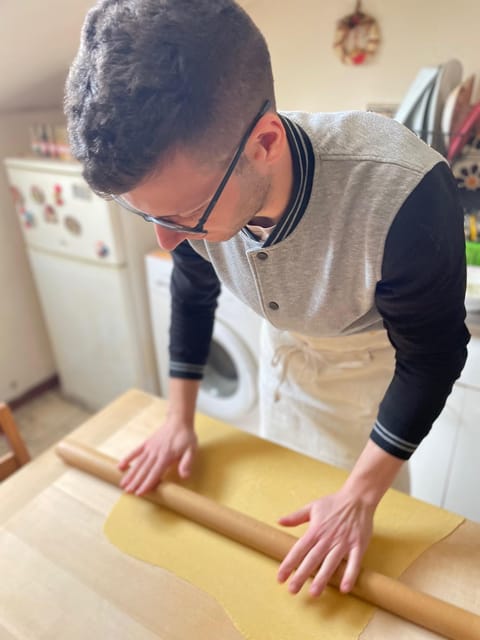
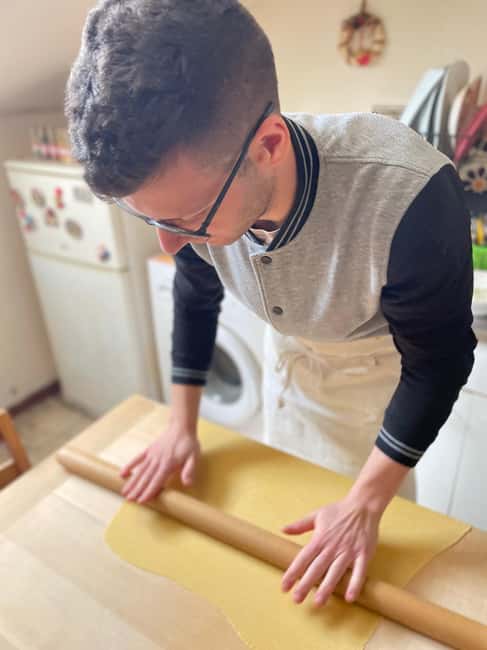
You’ll learn to create pasta using only a rolling pin, not machinery. That’s a big deal for two reasons:
- You learn control: how pressure, rest time, and rolling rhythm affect the dough
- You get confidence: once you can roll and shape by hand, you’re less dependent on specialized gear
You’ll make:
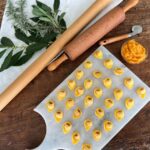
- Tortelloni (a ricotta & parsley style filling is part of the experience you’ll practice)
- Tagliatelle, shaped for that classic wide ribbon look
You’ll be assisted step by step throughout, which helps if you’re new to rolling dough or nervous about getting the thickness right.
3) Cook and eat: your meal, your work
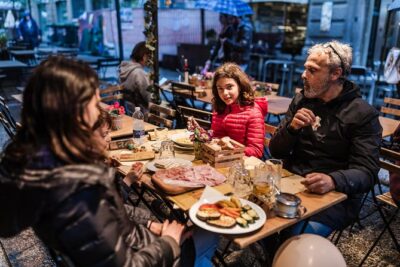
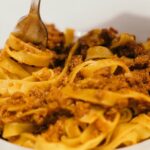
By the end, the meal is built from what you made—tagliatelle and tortelloni with the ragù you helped prepare. This is one of those dinners that doesn’t feel like a souvenir. You’re eating something you can describe later because you made it.
You can also read our reviews of more tours and experiences in Bologna
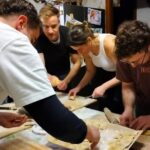
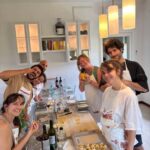
4) Wine included with the work
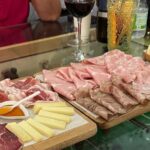
A bottle of wine and water are part of the experience. It’s not just something poured at the end; it’s woven into the evening so you can relax while you cook and eat at your own pace.
Chef Antonino’s style: fun teaching that actually helps you repeat the recipe
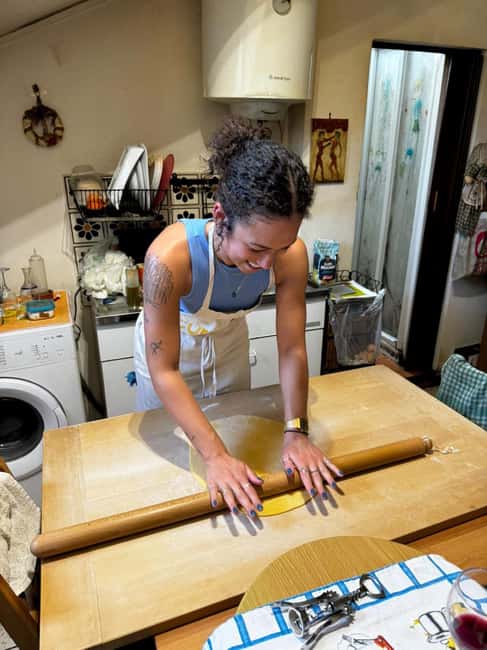
This isn’t a class where the instructor talks at you and hope you remember. Chef Antonino’s teaching approach leans on practice, patient correction, and stories that make the technique feel like part of a living tradition.
What I like about this teaching style for real-life travelers is that it targets the two biggest pasta problems people have at home:
1) dough that doesn’t roll well
2) shaped pasta that doesn’t behave the way you expect
Because you’re working in a small group setting, you can get the kind of quick feedback that prevents mistakes before they spread. And at the end, you’ll receive slides of the recipes, which helps you translate the evening into actual measurements and steps.
One more point: the instruction is in English, which makes the hands-on process much less stressful. Cooking is already complex enough without language friction.
Price and value: what $85 buys you in Bologna
At $85 per person for about 3 hours, this class competes well with other cooking experiences in Italy—but the real value isn’t only the price tag. It’s what’s included:
- Local ingredients used and handled fresh in the class kitchen
- Tools and aprons provided, so you’re not hunting down supplies
- A full meal from your creations (tagliatelle and tortelloni with ragù)
- Water plus a bottle of wine
- A family-style setup, plus private group size up to 4
- Recipe slides at the end so you can recreate it
If you’re the type who wants at least one meal on your trip that feels different from a restaurant, this makes sense. You’ll leave with food you shaped yourself, plus a method you can reuse—rolling dough by hand and building ragù in a way that matches Bologna expectations.
Meeting point and getting inside: the third-floor reality
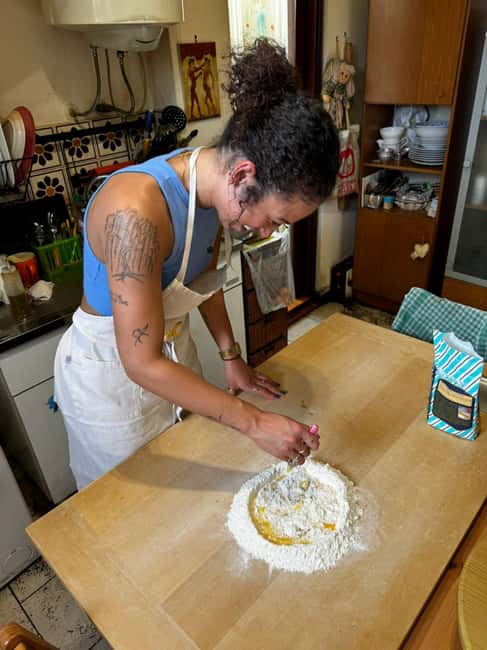
Logistics are where cooking classes often trip people up, so I like that the info here is specific, even if it’s a little old-school.
You’ll start and end at Via Antonio di Vincenzo, 50, close to Bologna’s rail station and the center. But the practical entry details point you to a flat near via Franco Bolognese: you need to buzz PARELLO and go up to the third floor.
Two practical considerations:
- There’s no elevator in the building. If stairs are an issue for you, plan accordingly.
- It’s best to arrive on time because buzzing and getting the door open takes a minute, especially if you’re in the middle of finding the street.
Tip: give yourself a little buffer so you’re not walking in with a rushed vibe. That helps you settle into the kitchen rhythm fast.
Who this class suits best (and who should skip it)
This one is built for people who want a hands-on Bologna night and don’t mind cooking steps. It’s also a good fit if you learn best by doing—rolling, filling, shaping, then cooking and eating right away.
It’s also described as family friendly, but there’s a clear boundary: it’s not suitable for children under 9. So think “family that cooks,” not “drop-off family entertainment.”
Based on the provided limitations, you should skip this class if any of these apply:
- Vegans
- People with gluten intolerance (pasta is part of the experience)
- People with food allergies (the class includes ingredients and is not listed as allergy-adaptable)
- Pregnant women
- People with claustrophobia or epilepsy
- People with diabetes
- People over certain height/weight thresholds (over 6 ft 6 in / 200 cm, or over 230 lbs / 104 kg)
- People over 80 years
- People with a cold
If you’re unsure whether a limitation affects you, I’d treat this as a conversation you should confirm before booking.
What you’ll leave with (besides a full plate)
This experience is designed to leave you with more than a memory.
You’ll walk away able to:
- Roll and shape handmade pasta using a rolling pin
- Make and cook ragù (Bologna style meat sauce)
- Build a meal where the pasta is matched to the sauce, not served as an afterthought
- Recreate the dishes later using the recipe slides you’ll get at the end
That recipe follow-up matters. Without it, a lot of pasta classes turn into “I remember it tasted amazing, but I don’t know how to repeat it.” Here, you get the structure back.
Should you book Chef Antonino’s pasta class?
Book it if you want:
- A small-group, private pasta lesson in Bologna’s tradition
- A night where you cook, eat, and drink with what you make
- An instructor who teaches in a way that makes technique feel doable, with English support
- Recipe slides so you can recreate the dishes at home
Consider skipping if:
- You need an elevator or have trouble with stairs (third-floor, no elevator)
- You have dietary constraints like gluten intolerance or you’re vegan
- Any of the listed medical or condition limitations apply
- You want a totally passive experience (this is hands-on, not a show)
If your plan includes at least one cooking class in Emilia-Romagna, this is a strong candidate. It’s built around the core of Bologna: handmade pasta and ragù, done at a pace that lets you learn without feeling rushed.
FAQ
How long is the cooking class with Chef Antonino?
The class lasts about 3 hours, including cooking and the meal.
What dishes will we learn to make?
You’ll make handmade pasta including tortelloni and tagliatelle, plus fresh ragù (Bologna meat sauce).
Do we use pasta machines?
No. The class focuses on making pasta without machinery, using a rolling pin.
Is the class taught in English?
Yes, the instructor teaches in English.
How many people are in the group?
This is a private group with a maximum of 4 people.
Is wine included?
Yes. You’ll have water and a bottle of wine during the experience.
Where do we meet and how do we enter the building?
You start and end at Via Antonio di Vincenzo, 50. The flat meeting instructions say you should buzz PARELLO and go to the third floor near via Franco Bolognese.
Is there an elevator?
No, the building has no elevator.
Are there any age limits?
Yes. It is not suitable for children under 9.