REVIEW · COOKING CLASSES
Cesarine: Market Tour & Cooking Class at Local’s Home in Bologna
Book on Viator →Operated by Cesarine: Cooking Class · Bookable on Viator
Fresh pasta, real people, and a warm home table. I love the private cooking class inside a chef’s home, and I also love that you start with market shopping for ingredients you can actually buy and recreate later. The trade-off is simple: this is not a quick hands-off demonstration. You’ll be working at the stove, and you should expect some standing and active prep during the cooking portion.
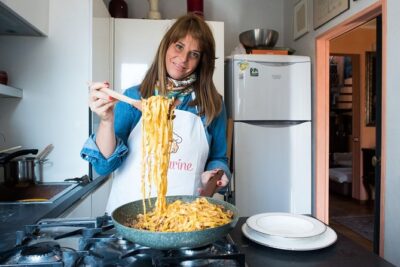
I’ve seen how well this experience can work for different personalities because the Cesarine hosts really bring their own style. Some kitchens are led by teachers like Mauricio, Oriana, Paola, or Marzia and Sisto, and the common thread is the same: you’re not just fed, you’re taught. The meal is paired with Emilia-Romagna wines, and you even take home an official Cesarine apron and shopping bag.
In This Review
- Key things to know before you go
- Why Bologna cooking in a local home feels different
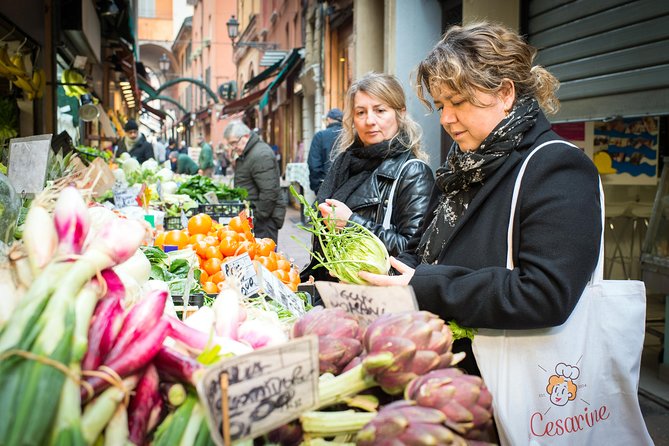
- Market shopping for Bologna ingredients (about 1 hour)
- The private cooking class: fresh pasta plus two more courses (about 3 hours)
- What you’ll actually cook
- Learning outcomes you can use at home
- Your Bologna meal and wine pairing at the table (about 2 hours)
- What you take home: apron, shopping bag, and the confidence to repeat
- Price and value: is $226.85 worth it?
- Logistics that matter in Bologna (and how to handle them)
- My practical advice
- Who this suits best (and who might want a different format)
- Should you book this Cesarine market tour and cooking class?
- FAQ
- How long is the Bologna Cesarine market tour and cooking class?
- Is the tour private?
- What language is the class offered in?
- What will I cook during the class?
- Are drinks and wine included?
- What do I take home?
- Where is the meeting point?
Key things to know before you go
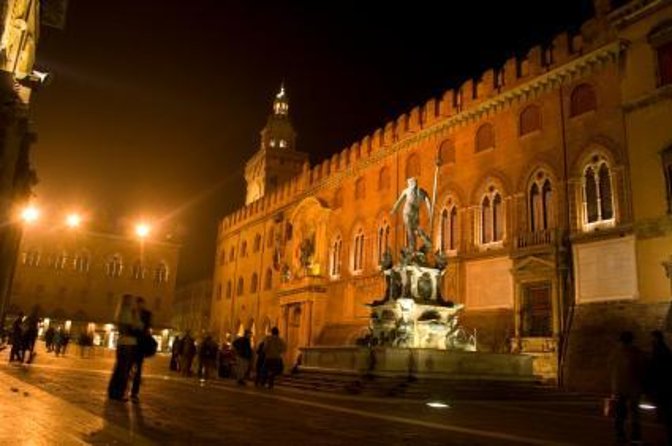
- A private market-and-cooking session led by a Cesarina in Bologna city centre
- Ingredient guidance at a local market or food shops so you learn what to buy, not just what to order
- A three-course menu centered on fresh pasta plus a typical Bologna dessert
- Wine from Emilia-Romagna with drinks included during the meal
- You leave with a Cesarine apron and shopping bag for the kitchen back home
Why Bologna cooking in a local home feels different
Bologna is serious about food, and a home class matches that seriousness. Instead of learning recipes in a classroom, you learn in a real kitchen where the host shops, cooks, and lives. That matters because the goal is not only flavor. It’s technique, timing, and the small decisions that make Italian food taste like Italian food.
I also like that this experience is built around the chain of choices. You don’t start with flour and water. You start with ingredients—then you turn those ingredients into three courses. That approach helps you understand why Bologna cooking works: the recipes rely on quality inputs, and the method is part of the flavor.
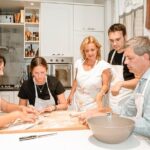
The other plus is the private format. It’s only your group, so you can ask questions at your pace. If you want to know what to swap in your own pantry, or how to avoid a common pasta mistake, you’re not competing with a large group for attention.
You can also read our reviews of more shopping tours in Bologna
Market shopping for Bologna ingredients (about 1 hour)
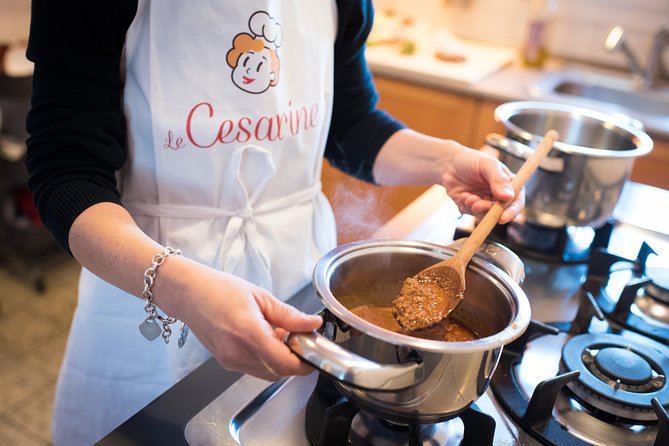
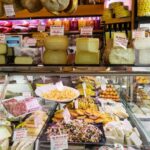
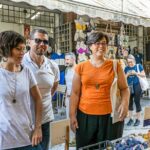
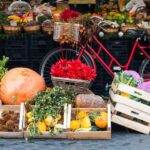
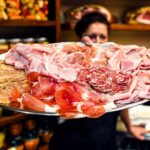
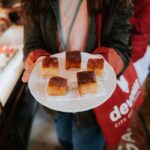
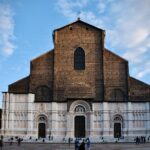
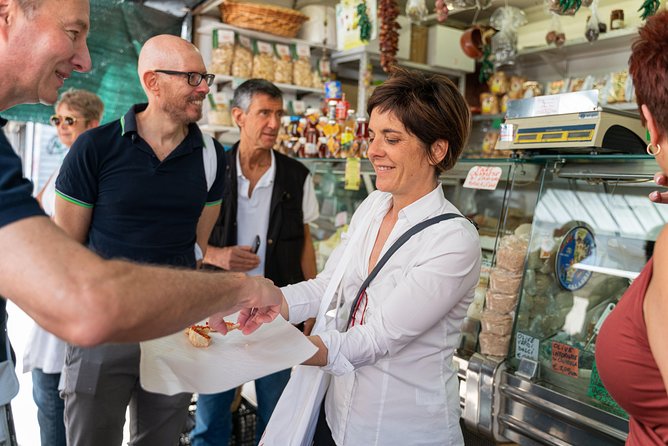
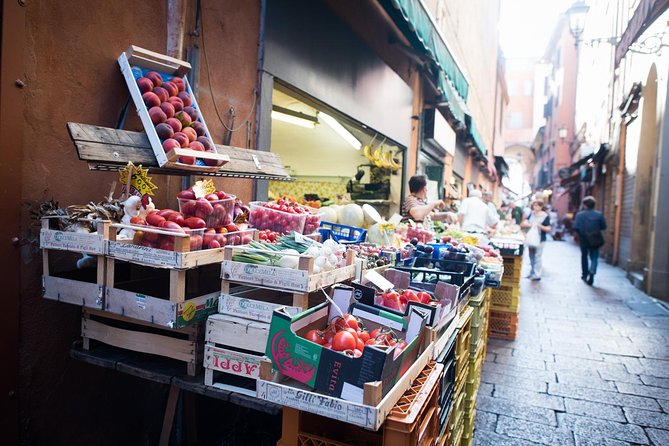
You begin with a market visit—either a local market or traditional food shops—where your Cesarina helps you spot what’s worth buying. The point is not to memorize a grocery list. It’s to learn the thinking behind Italian shopping.
Here’s what that usually looks like in practice:
- You’re shown how to recognize good ingredients for a Bologna meal.
- You get advice on what to choose for flavor and texture, not just price.
- You may pick up items that end up in the lunch-style menu you cook later.
A few recipe breadcrumbs show up in the stories from past participants. One host guided a shopping trip and then carried that momentum into a meal that included things like piadina and homemade-style pasta. Another focused on market finds that became part of the opening bites. Even when the exact ingredients vary by season, the lesson stays the same: you learn what to look for, then you apply it at home.
One practical note: markets mean walking and browsing. If you’re the type who likes to move fast, you’ll be fine. If you prefer quiet shopping, you might find the pace a bit more active than a regular tourist stop.
The private cooking class: fresh pasta plus two more courses (about 3 hours)
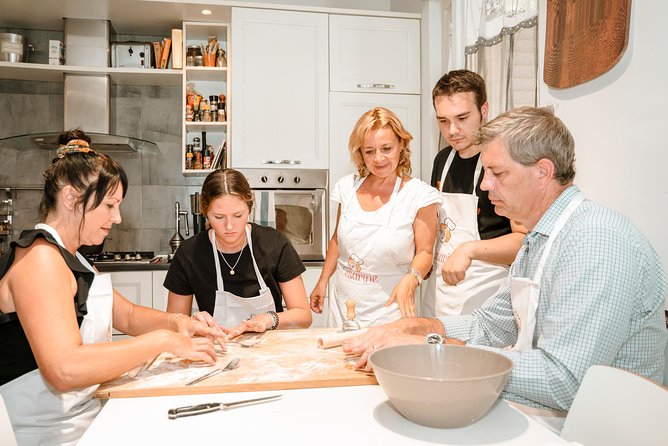
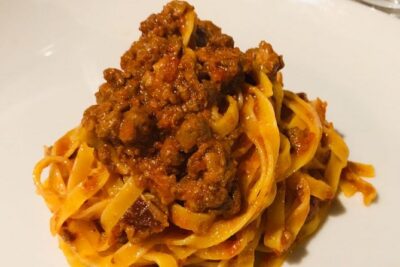
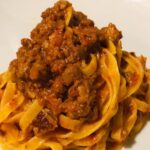
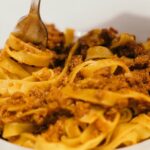
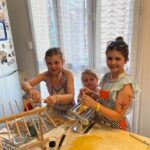
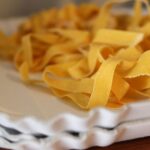
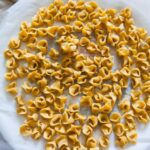
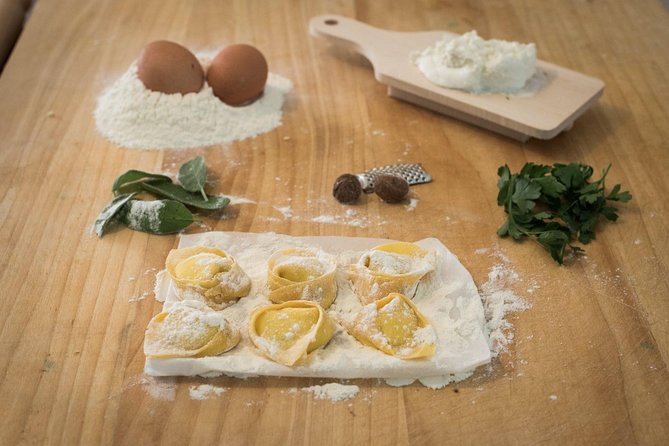
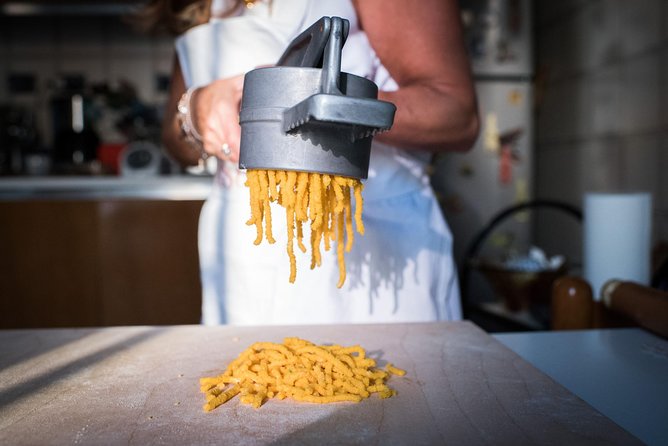
After the shopping, you move into the chef’s home and start the real work: cooking a three-course Bologna-style menu. The menu structure stays consistent—starter, main, dessert—but the specific dishes can shift. Based on the typical options you’ll see listed for this experience, the main course centers on fresh pasta, with possibilities like tortellini, lasagne, tortelloni, tagliatelle, gramigna, strichetti, or similar.
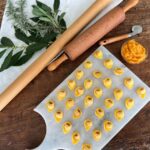
This is where I’d set expectations: fresh pasta isn’t just an ingredient, it’s a process. One of the most valuable parts of the class is learning what it takes to make fresh pasta properly—the mixing, shaping, and timing. Even when you already like Italian food, you’ll come away with a better sense of why fresh pasta tastes the way it does and how much effort goes into it.
What you’ll actually cook
You can think of it like this:
- Starter: a seasonal starter (the exact dish can change)
- Main: fresh pasta, often described with classics like tortellini, lasagne, or tagliatelle options
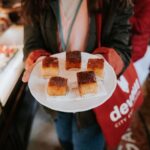
- Dessert: a Bologna-style dessert such as torta tenerina, zuppa inglese, tiramisu, or a similar typical choice
In the experiences shared by earlier participants, I’ve seen extra variety in what ends up on the table—piadina appears in some homes, tortelloni shows up in others, and tiramisu is a recurring favorite. The common thread is that you learn how to reproduce the dishes, not just eat them.
Learning outcomes you can use at home
The best part isn’t that you end up with a plate of food. It’s that you learn the steps in plain terms, including:
- how to handle pasta dough without panic
- how to build sauces so they cling and taste right
- how desserts are assembled so they set or slice the way they should
And yes, you’ll have a lot of fun doing it. But the class is still practical. You’ll leave knowing what to do next time you want fresh pasta, not just how a plate looked.
You can also read our reviews of more tours and experiences in Bologna
Your Bologna meal and wine pairing at the table (about 2 hours)
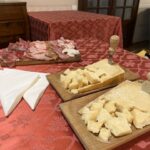
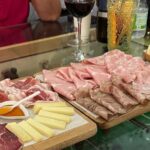
Once the cooking is done, you eat what you made. This part often feels like the point where the experience stops being a lesson and turns into a shared meal.
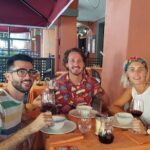
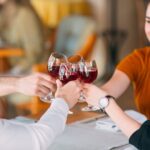
The menu is served as a three-course dining experience with drinks included. Wine comes from Emilia-Romagna cellars, and the focus stays on wines of the territory. That regional pairing is one of the smarter choices you can make in Bologna. You’re tasting what local cooks and locals typically reach for, not generic imported stuff.
If you’re a wine drinker, this helps you connect the flavors you learned with what you tasted. If you’re not, you still get a fully guided dinner, and the drinks included make the pacing feel complete.
One small thing to consider: this is a full sit-and-eat segment after active cooking. Plan to go slow after dessert. You’ll be glad you didn’t schedule another tour back-to-back.
What you take home: apron, shopping bag, and the confidence to repeat
This experience isn’t just about eating in Bologna. You also take home an official Cesarine apron and shopping bag. Practical souvenir? Yes. But it also works as a reminder: you’re leaving with something that makes it more likely you’ll cook again.
More important than the apron, though, is the confidence. When someone teaches you how to create dishes like fresh pasta and a classic Bologna dessert, you get a roadmap for your next meal at home. One of the clearest values here is that the recipes are meant to be within reach, not locked behind restaurant-level technique.
Price and value: is $226.85 worth it?
At $226.85 per person, you’re paying for a tight package: market time, a private class with a Cesarina, cooking and dining, and drinks included with Emilia-Romagna wine. It’s also long enough that it feels like a full experience, not a short entertainment stop.
Here’s what makes the price feel more reasonable than it sounds:
- Private instruction means you get direct help and can ask questions during the cooking.
- You’re not just watching; you’re shopping, cooking, and eating what you make.
- Wine is included, and it’s region-focused rather than random.
- You receive a Cesarine apron and shopping bag as an extra takeaway.
The main reason you might hesitate is the time and effort. This isn’t a casual tasting. If you dislike cooking, or you’re expecting a quick demo where you mostly sit, you may feel like you paid for work you didn’t want.
Logistics that matter in Bologna (and how to handle them)
This runs about 4 hours 30 minutes total, and it’s offered in English. It’s a private activity, and you’ll receive confirmation at booking time. The meeting point starts in Bologna and ends back at the start.
One detail that helps your planning: you’ll get the exact address after booking, and the Cesarine are located in Bologna city centre. That’s a plus for convenience—you’re not trekking far out of town.
Also, it’s near public transportation, and service animals are allowed. If you’re coming from a hotel outside the centre, give yourself extra travel buffer so you don’t arrive rushed.
My practical advice
- Wear shoes you’re comfortable walking in. Markets plus moving around the home adds up.
- Come hungry but not too stuffed. You’ll cook, then you’ll eat.
- If you have dietary restrictions, ask early. The data here doesn’t spell out specific alternatives, so it’s smart to clarify before you go.
- If you’re bringing a group, coordinate who wants to do the hands-on tasks. Private cooking flows best when everyone knows how involved they want to be.
Who this suits best (and who might want a different format)
This is ideal if you:
- want a Bologna cooking class that includes both market shopping and an actual meal
- enjoy hands-on learning, especially fresh pasta
- like wine pairings and food that stays within the Emilia-Romagna region
- want a more personal experience than a big group class
It’s less ideal if you:
- want a passive activity where you mostly watch
- dislike cooking with your hands
- have a tight schedule and need a super short event
Should you book this Cesarine market tour and cooking class?
Yes, if you’re looking for Bologna that goes beyond pretty streets and proper restaurants. The best reason to book is the structure: ingredients first, then cooking, then dinner with local wine. That sequence turns a meal into a skill you can repeat.
If you’re on the fence because of cost, think about what you’re actually buying: a private market stop, a teacher in a home kitchen, a multi-course meal, and wine included. For me, that’s the difference between paying for dinner and paying for a real food education.
If you hate cooking work, wait for a tasting-focused alternative. But if you’re curious about fresh pasta and classic Bologna desserts, this is the kind of day you’ll remember—and actually use later.
FAQ
How long is the Bologna Cesarine market tour and cooking class?
It runs for about 4 hours 30 minutes.
Is the tour private?
Yes. It’s a private tour/activity, and only your group participates.
What language is the class offered in?
It’s offered in English.
What will I cook during the class?
You’ll cook three traditional recipes: a starter, a fresh pasta main (options can include tortellini, lasagne, tortelloni, tagliatelle, gramigna, strichetti, or similar), and a Bologna-style dessert (options can include torta tenerina, zuppa inglese, tiramisu, or similar).
Are drinks and wine included?
Yes. You’ll dine with drinks included, including red and white wines from Emilia-Romagna cellars.
What do I take home?
You receive an official Cesarine apron and shopping bag.
Where is the meeting point?
The activity starts in Bologna, and you’ll get the exact address once your booking is completed. It ends back at the meeting point.