REVIEW · COOKING CLASSES
Bologna: Fresh Pasta Masterclass with Organic Wine Tasting
Book on GetYourGuide →Operated by stayhungrystaybologna · Bookable on GetYourGuide
Three pastas, one cozy kitchen, tons of wine.
This Bologna experience is interesting because you’re not just watching pasta being made, you’re doing it yourself in a local chef’s house, paired with an expert-style organic wine tasting. I like the private chef setup (it feels personal fast), and I also like the hands-on way the wine is taught to you. One thing to consider: if you want the bottle-of-wine gift to take home, you have to message ahead before booking.
AC is a real plus here, since you’ll be cooking in a home apartment, not a busy restaurant kitchen. You’ll start sipping during aperitivo at arrival, cook through the meal, and end with tiramisu. And if you want a plan for after the class, you’ll get a PDF with recipes and ingredients to recreate the pasta at home.
In This Review
- Key things to know before you go
- Entering a Bologna Chef’s Home Kitchen, Not a Classroom
- The Pasta Masterclass: Three Shapes and One Goal
- Sauce Pairings That Make Bologna’s Comfort Food Make Sense
- Organic Wine Tasting, Small Producers, and Unlimited Pouring
- Aperitivo to Dessert: The Flow of a 3-Hour Evening
- The Tiramisu Finish and Why the Recipe PDF Helps
- Price and Value: Where the $90.74 Fits
- Who This Class Is For (and Who Might Want Something Else)
- Practical Tips to Get the Most Out of It
- Should You Book This Bologna Pasta and Organic Wine Class?
- FAQ
- How long is the fresh pasta masterclass?
- What pasta types will I learn to make?
- Is dessert included?
- Is wine tasting part of the experience?
- Is there unlimited wine?
- Where do I meet for the class?
- What languages is the class offered in?
- What’s included besides cooking and wine?
Key things to know before you go
- Hands-on fresh pasta practice with three shapes: tortelloni, tagliatelle, and maccheroni
- Wine pairing built into the meal flow, not treated like an add-on
- Organic wines only, from small Italian producers (around 10–12k bottles a year)
- Unlimited wine service, with the group able to open as many bottles as they want
- A dessert finish you’ll actually remember, with tiramisu as the finale
Entering a Bologna Chef’s Home Kitchen, Not a Classroom
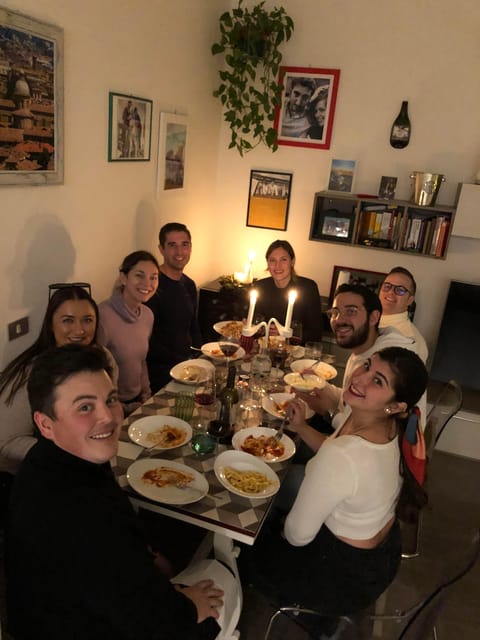
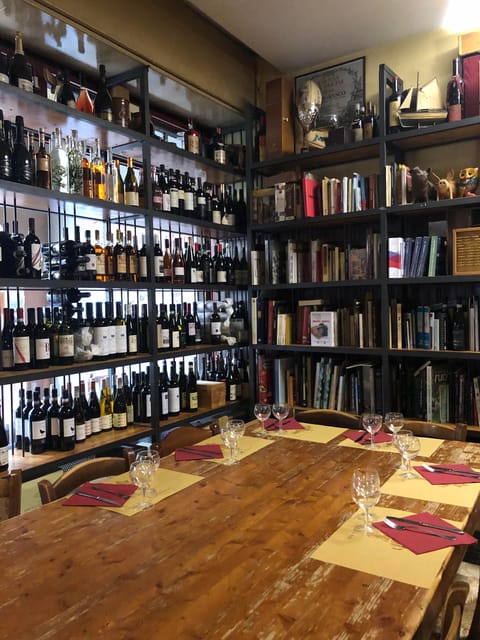
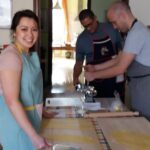
This isn’t a studio with rows of tables. You’ll start at Ringbell Cooking class, 2nd floor, then move into the chef’s home setup for the experience, and you’ll wrap back at the same meeting point. It’s designed to feel like you’ve been invited into someone’s real day, not herded through a scripted performance.
What matters for you is the vibe and the pace. The chef and his wife welcome you in their house, and the apartment includes air conditioning, which is helpful in Bologna when weather shifts. It also means the class doesn’t feel like you’re fighting for space with strangers while you’re trying to learn dough and timing.
I also like that the wine side has real expertise behind it. The host’s wife is close to finishing a sommelier degree, so the tasting comes with practical guidance on what to eat and why. You’re not left with generic wine sipping instructions.
The class runs about 3 hours. That’s long enough to learn, cook, eat, and taste without feeling rushed, but short enough that you can still plan a normal evening afterward.
You can also read our reviews of more food & drink experiences in Bologna
The Pasta Masterclass: Three Shapes and One Goal
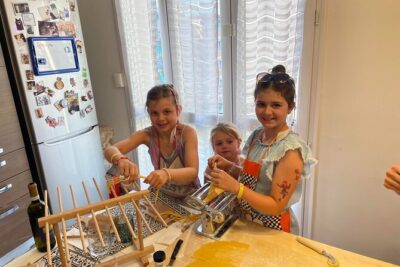
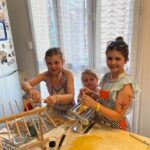
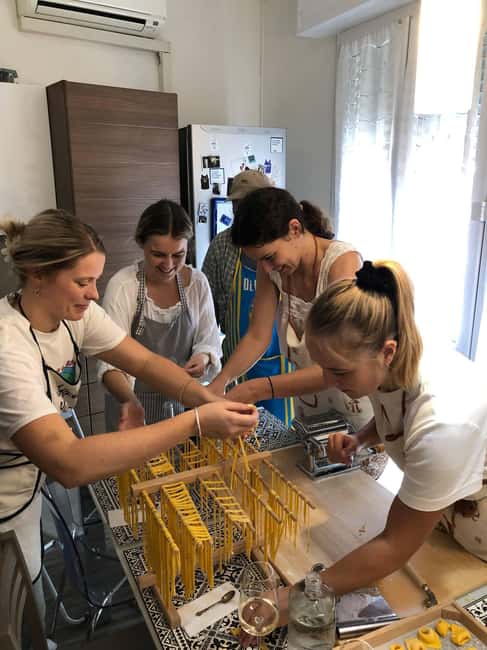
The center of the experience is a high-level fresh pasta masterclass where you participate, not just observe. You’ll learn how to make three kinds of pasta: tortelloni, tagliatelle, and maccheroni. For many people, this is the difference between a fun night out and a skill you can bring home.
Here’s how the value works for you: each pasta shape teaches a different technical lesson. Tortelloni typically pushes you toward mastering filling and sealing. Tagliatelle is more about dough texture and cutting. Maccheroni shifts the focus toward shaping and forming pasta pieces that hold sauce well. Even without the class listing the exact technique for each step, you can expect the chef to guide you through what to look for—dough consistency, thickness, handling, and timing.
You’ll also get to see how the chef organizes the workflow in a home environment. That matters because good pasta is partly skill and partly sequencing. In a real kitchen, you can’t waste time rolling, cutting, filling, and boiling in the wrong order.
A detail I appreciate: the meal isn’t separate from the lesson. After you make the pasta, it’s served to you as part of the experience, so you connect the technique directly to how the finished dish tastes.
Sauce Pairings That Make Bologna’s Comfort Food Make Sense
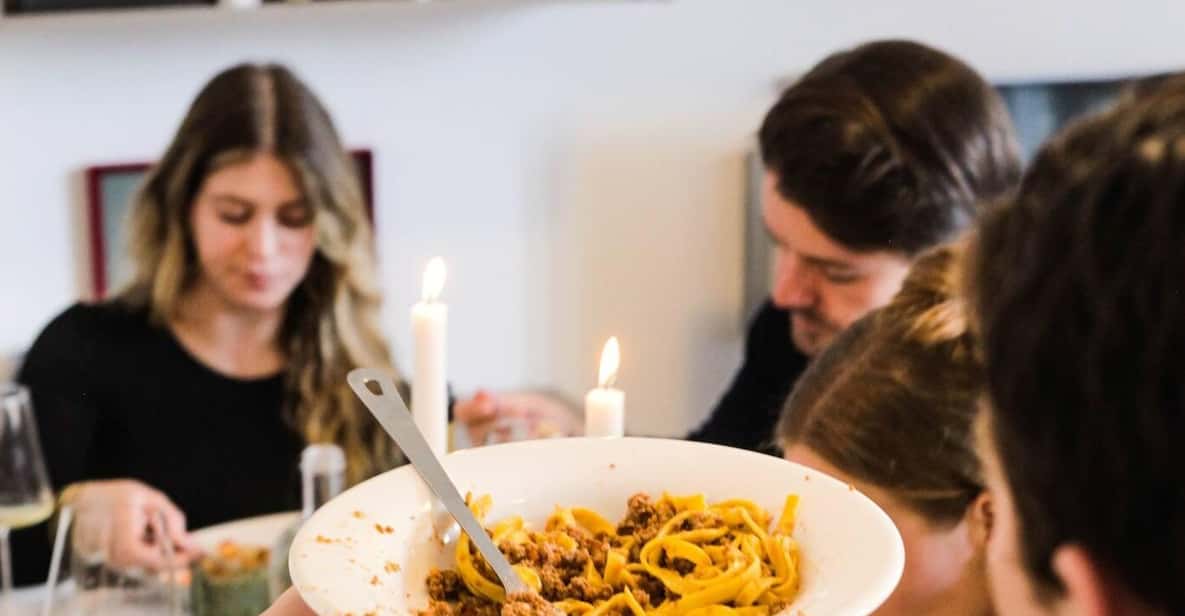
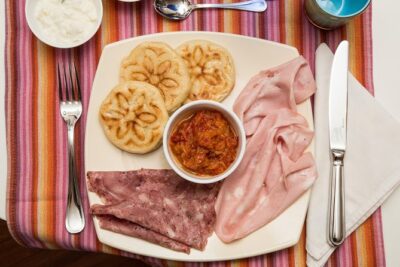
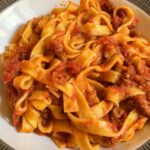
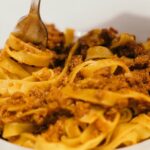
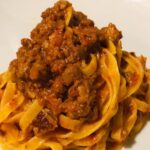
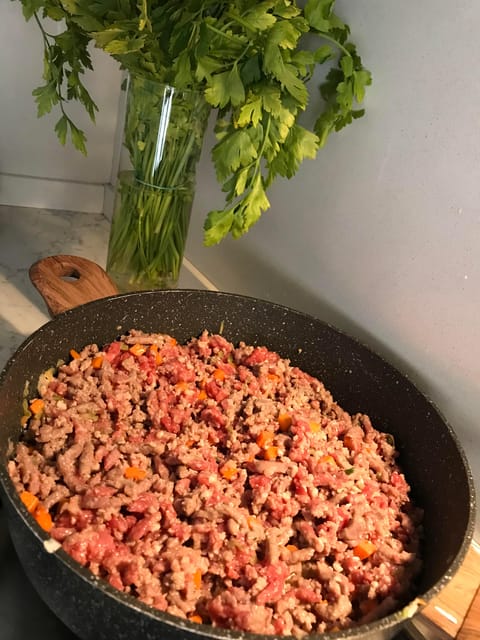
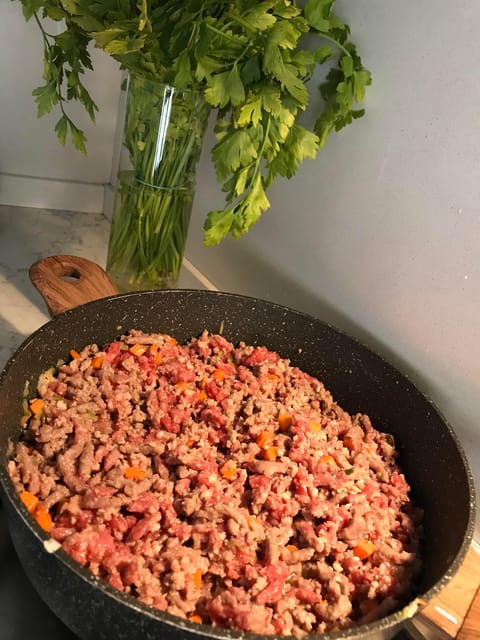
Once your pasta is ready, it’s time to eat—and the kitchen logic becomes clearer. You’ll be served traditional Bologna-style sauces with your pasta. The class includes classics like butter and sage, and it also includes the town’s signature ragù (you’ll hear it referred to as ragu in the local way).
The “why” here is practical. Butter and sage is a gentler pairing, which can help you notice the pasta texture and aroma without the sauce overpowering it. Ragù is heavier and deeper, so the wine pairing has to work harder to keep the meal balanced. In other words, you’re getting a tasting lesson that’s tied to real flavor matching.
And you’re not just eating one plate. Each dish comes with a paired wine. That structure helps you learn the pairing method instead of simply consuming alcohol.
If you’re a foodie who likes cause and effect, this is a smart format. You can think of it like cooking + palate training in the same sitting.
Organic Wine Tasting, Small Producers, and Unlimited Pouring
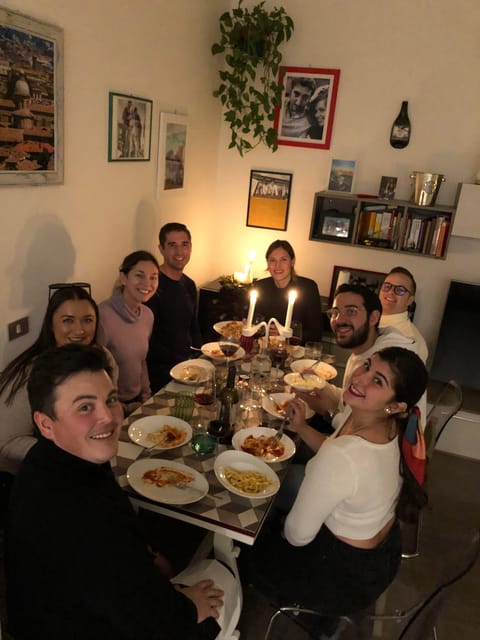
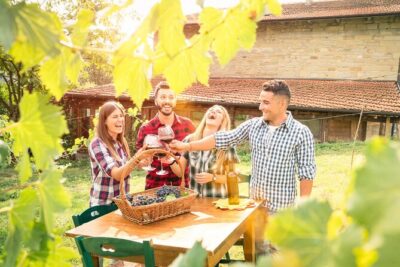
The wine part is a big reason people choose this class, and it’s not treated like a background feature. You start during aperitivo when you arrive, and then tasting continues through the meal until dessert.
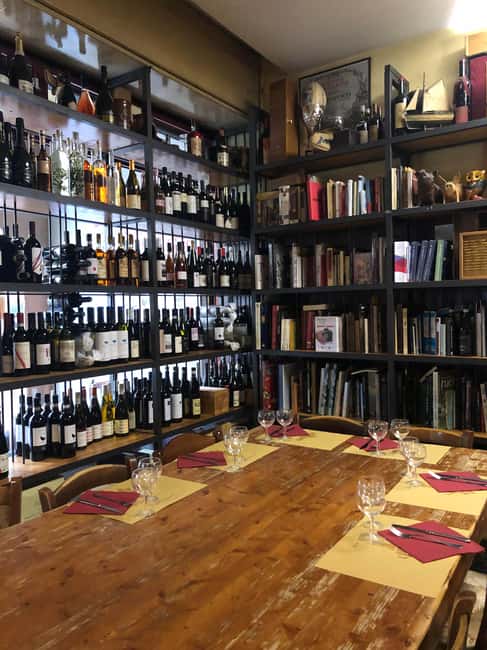
What you’re drinking: organic wines only, coming from small producers with low production volumes (around 10–12k bottles a year). That’s the kind of scale you typically don’t find sitting on standard supermarket shelves. Even if you already like Italian wine, this setup can introduce you to bottles you wouldn’t pick up casually.
The class also leans into food pairing, which is the part most people struggle with. Instead of simply listing grape varieties, the host’s wife helps you think about what the wine should do once it hits the food. For example, heavier sauces like ragù tend to need wines that can handle richness without tasting flat.
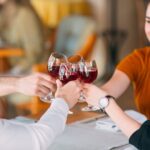
Then comes the fun part for groups: wine is unlimited. The class opens all bottles they want to share, so you’re not stuck with a tiny pour you have to stretch. It changes the emotional tone of the night—less counting sips, more focusing on the meal and the tasting conversation.
One more useful angle: the class is described as the only class in Bologna pairing this kind of organic wine selection. If your goal is an organic-food-and-wine combo rather than a typical pasta class with a token glass, this is aligned with that.
Aperitivo to Dessert: The Flow of a 3-Hour Evening
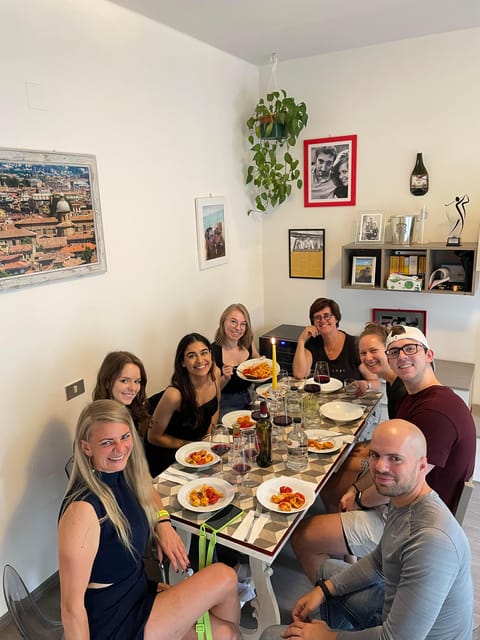
Here’s what the experience feels like in order, based on how it’s built.
First, you arrive and settle in for aperitivo. You’ll get early wine tasting and a talk that frames how to think about pairing. This is also when you start relaxing, because the tone is friendly and homey, with good vibes.
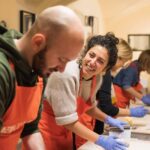
Next, you shift into the pasta workshop. You’ll be working hands-on with guidance from the private chef and his approach to keeping everything moving. With three types of pasta included, timing matters, and you’ll learn to focus on the steps without overthinking them.
After pasta comes together, meals are served in a sequence. You’ll eat pasta with the traditional sauces (including butter and sage and ragù), and each dish gets paired with the right wine. The aim is to connect what you made with what you taste.
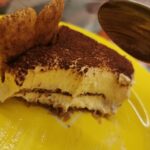
Finally, dessert. You’ll end with tiramisu described as stunning—something that works as a sweet cap after both pasta and wine. And since the tasting continues through dessert, you’re finishing with a complete flavor arc rather than cutting off the evening right after the main course.
You can also read our reviews of more cooking classes in Bologna
The Tiramisu Finish and Why the Recipe PDF Helps
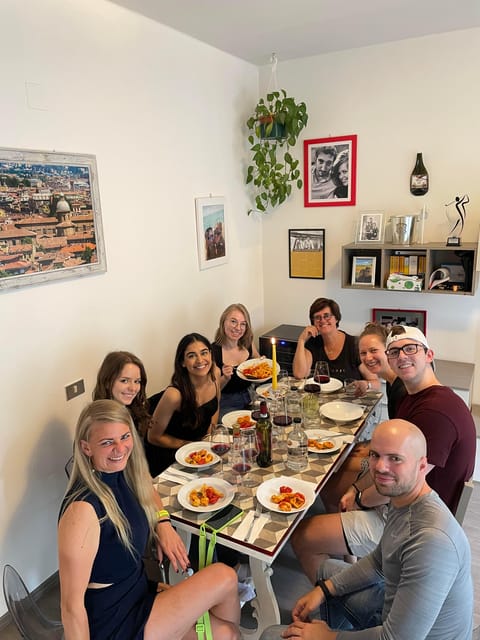
Tiramisu is the finale, and it’s not an afterthought. A good ending matters here because the class includes both cooking and wine, which can make the last phase feel rushed in less organized experiences. The tiramisu finish gives the night structure and a memorable last bite.
Even better: you’ll get a PDF after the class with recipes and ingredients. That’s practical. If you’ve ever made fresh pasta once and then stared at your notes like they were written in another language, a clear ingredient list and recipe format can be the difference between repeating it and giving up.
You’ll also receive photos of the experience. Not just for bragging rights—photos help you remember what your pasta shapes looked like before you start blaming yourself for every imperfect roll at home.
And if you like planning ahead for your Italy trip, this class can be useful even after Bologna. You’ll get recommendations included as part of what’s shared (specific restaurant suggestions and ideas for other cities are part of the experience package you receive).
Price and Value: Where the $90.74 Fits
At $90.74 per person for about 3 hours, this is not a budget snack. It’s closer to a premium dinner experience where you’re paying for three things at once: a private chef-led class, an included full meal, and wine service that goes well beyond one glass.
Here’s why it can feel like good value:
- You make three pasta types, so it’s not a one-shape demo.
- The meal includes pasta with traditional sauces plus dessert.
- Wine is unlimited, and it’s organic from small producers, not bulk commercial bottles.
- You get a recipe PDF you can actually use, plus photos.
There’s also a potential extra value lever. If you follow the instructor on IG (stayhungrystaybologna) and send a message before booking, you can receive a bottle of wine as a gift from their organic collection to take home. That’s not guaranteed for everyone, but it’s an added reason to plan ahead if that kind of souvenir matters to you.
A quick reality check: if you don’t drink wine, the unlimited wine format may not be your best match. Still, the pairing structure is tied to the meal, so you’ll experience the food-and-wine logic even if you keep your own pace light.
Who This Class Is For (and Who Might Want Something Else)
This works especially well for:
- Couples or small groups who want a personal, home-based experience rather than a crowd setting
- Food lovers who want pasta skills they can recreate later, thanks to the PDF
- Anyone who loves the idea of organic Italian wine but wants it taught through pairing
It may be less ideal if:
- You want a purely culinary class with zero alcohol focus
- You dislike structured pairings where the meal unfolds around tasting
- You plan to be out the door fast afterward, since the class is a full 3 hours with food and wine flow
On the language front, the instructor offers English, French, Italian, and Spanish, so you’re not likely to feel stuck if you travel with limited Italian.
Practical Tips to Get the Most Out of It
A few small moves will help you enjoy the evening more, especially since the class combines cooking and wine.
- Plan to eat. This is a full meal experience, ending with tiramisu. Don’t stack it with a heavy dinner plan afterward.
- Pace your wine. Unlimited doesn’t mean you have to speed through it. Your goal is to notice pairing differences.
- If you want the bottle gift, message before booking. The take-home bottle is tied to that step.
- Bring your curiosity about pasta texture. The chef’s guidance is about how dough should feel and behave, and that matters for all three pasta shapes.
- Use the PDF right away after the trip. Fresh pasta is one of those skills where memory fades quickly, and the ingredients list helps you shop correctly.
If you’re also the type who likes trip planning, the experience includes recommendations for restaurants in Bologna and other Italian cities you’ll be visiting. That’s a helpful bonus when you want to keep your food agenda strong.
Should You Book This Bologna Pasta and Organic Wine Class?
I’d book it if you want a Bologna cooking experience that’s truly hands-on, not just watching. The combination of three pasta shapes, traditional Bologna sauces, unlimited organic wine, and a tiramisu finish makes it feel like a complete evening with real learning.
I’d think twice if wine is a low priority for you, because the pacing and pairing structure are central to how the class is designed. I’d also recommend planning ahead for the take-home bottle gift if that’s on your wish list.
If you’re the kind of traveler who wants one great meal where you learn something you can repeat, this is a strong pick for Bologna.
FAQ
How long is the fresh pasta masterclass?
The experience lasts about 3 hours.
What pasta types will I learn to make?
You’ll learn to make three kinds of fresh pasta: tortelloni, tagliatelle, and maccheroni.
Is dessert included?
Yes. Dessert is included, and it’s tiramisu.
Is wine tasting part of the experience?
Yes. You’ll have an organic wine tasting with a wine talk, and wines are paired with the dishes.
Is there unlimited wine?
Yes. Wine is unlimited during the experience.
Where do I meet for the class?
You start at Ringbell Cooking class, 2nd floor, and the activity ends back at the meeting point.
What languages is the class offered in?
The instructor speaks English, French, Italian, and Spanish.
What’s included besides cooking and wine?
A full meal (pasta and dessert), unlimited wine, photos of the experience, and a PDF with recipes and ingredients are included.