Fresh pasta in a real Bologna kitchen.
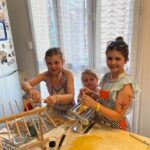
This experience is special because Irene and Marco welcome you into a family-run home and teach you how to shape three different pasta types by hand, using a roller pin and special tools. I also love that you don’t just watch or snack—you sit down to a full lunch with what you made, plus wine and sauces from the region. One consideration: it’s in a domestic setting, so if you’re picky about cleanliness or you expect a big “restaurant-style” setup, you might find it more casual than you imagined.
The only other thing to plan around is timing and logistics. The meeting point is set at Viale ABRAHAM LINCOLN, 56, and pickup is optional at an extra cost, so you’ll want to confirm your plan and arrive on time (a past guest had a pickup mix-up).
In This Review
- Key Things to Know Before You Go
- A Family-Run Bologna Welcome (Not a Performance Kitchen)
- What You’ll Make: Three Shapes, One Solid Foundation
- The Meal You Actually Want: Wine, Sauces, and a Sweet Finale
- Where the Flavor Comes From: Local Market Ingredients and Regional Wine
- Price and Value: Is $102.58 Worth It?
- Timing, Meeting Point, and the Pickup Choice
- Who This Class Fits Best (Adults, Families, Beginners)
- Should You Book This Bologna Pasta-Making Meal?
- FAQ
- FAQ
- What’s included in the $102.58 price?
- How long is the pasta-making experience?
- What types of pasta do I make?
- Is pickup available from the city?
- Where does the class start?
- Is the class offered in English?
- Can the hosts accommodate food allergies or gluten intolerance?
Key Things to Know Before You Go
- Family-home cooking: You’ll work in Irene and Marco’s house, not a studio kitchen.
- Three pasta shapes: Depending on the season, it’s often tortelloni, ravioli, and tagliatelle.
- Hands-on with tools: You roll, cut, and shape pasta yourself with roller pin and traditional aids.
- Eat what you make: Lunch is built around your three pasta dishes, with wine and sauces.
- Sweet ending included: There’s always a sweet finale, sometimes home-made and sometimes Marco’s creation.
- Small-group feel possible: While the activity can host up to 40, some sessions run very small and intimate.
A Family-Run Bologna Welcome (Not a Performance Kitchen)
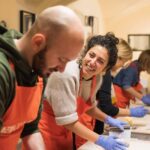
In Bologna, the best food experiences feel like you’ve stepped into someone’s routine. Here, you get that exact vibe. Irene and Marco greet you in a real family home, and that changes the tone fast. There’s less showmanship and more teaching—plus you can tell they’re proud of the way pasta is made in their part of the world.
This matters because pasta-making isn’t only technique. It’s also rhythm: how people talk while they work, how they explain why one step matters, and how the kitchen feels when the dough is just right. A few reviews also mention Irene’s English is strong, and she teaches with patience and encouragement, even for people who think they can’t cook.
One extra bonus: you’re not only learning pasta. The meal also pulls from Bologna’s wider food identity, often described as coming from the Food Valley. That means you taste flavors that don’t feel imported or generic.
You can also read our reviews of more cooking classes in Bologna
What You’ll Make: Three Shapes, One Solid Foundation
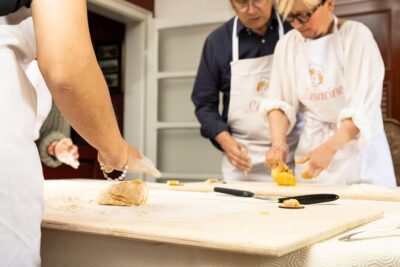
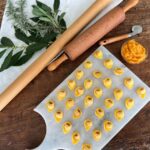
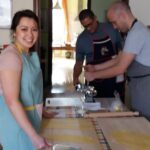
The core lesson is simple: you’ll make pasta dough and then shape it into three different pasta types. The exact shapes can vary with the season, and the class commonly includes tortelloni (or tortellini), ravioli, and tagliatelle.
In practice, the teaching flows like this:
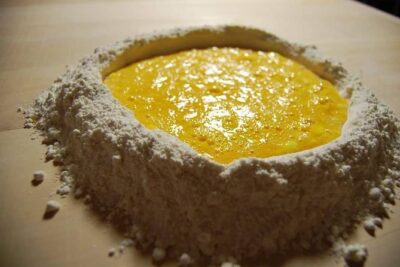
- You start with the dough, learning how to roll it and work it without it tearing.
- Then you divide the dough and shape each portion into a different style.
- You use traditional tools and a roller pin so you feel what “fresh pasta” means in texture and thickness, not just taste.
A useful detail: one past group made tortellini, tagliatelle, and farfalle. So if you’re hoping for a specific shape, know that what you actually make depends on what’s in season and what the hosts plan for that day.
Why this matters for you: learning three shapes forces you to understand more than one technique. Tagliatelle is about rolling and cutting. Ravioli and tortelloni are about filling, sealing, and shaping. When you leave with that mix, you’re more likely to recreate the results later at home.
The Meal You Actually Want: Wine, Sauces, and a Sweet Finale
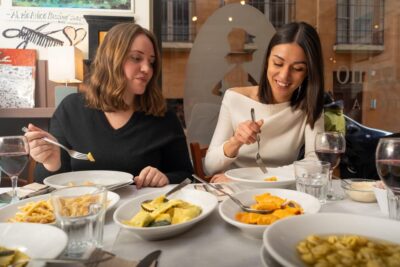
Here’s the part that turns a class into a meal. After shaping your pasta, you sit down and eat what you made. The experience is designed so your lunch (or dinner-style meal, depending on the timing you book) works like a proper Bologna table: pasta first, then a sweet ending.
You can expect:
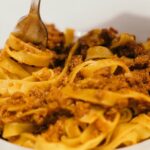
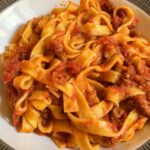
- Your three pasta dishes, each served in a way meant to show off the shape.
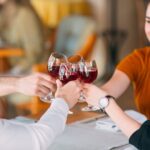
- Wine paired with the meal, with sauces that match the dishes you made.
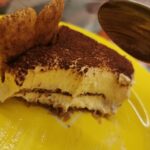
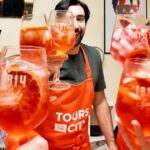
- A sweet surprise at the end. The hosts note that the sweet specialty may be home-made or connected to Marco’s creations.
One review specifically calls out wine as a highlight, and that’s a big deal in Bologna classes. The wine isn’t just an add-on—it helps you slow down, taste calmly, and connect what you did with what you’re eating.
Also, plan for satisfaction. One guest advised not arriving hungry, and that advice is smart. Even if portions are not huge, three pasta types plus dessert can still land as a full meal. If you have a huge appetite, you may want to budget for additional food after the class anyway.
Where the Flavor Comes From: Local Market Ingredients and Regional Wine
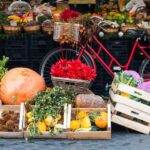
A big question with cooking classes is ingredient quality. The hosts’ approach here is practical: they buy from local producers and the typical market scene you’d expect in the city.
From the information provided, here’s what the class is built on:
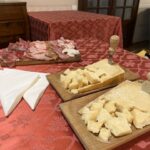
- Ricotta and parmesan from local producers.
- Parsley and fruit from local direct producers.
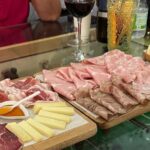
- Mortadella from Alcisa, described as the most well-known local company.
- Eggs and flour from a distributor that also supplies restaurants and hotels.
- Wine (Sangiovese) from local producers in the Dozza and Imola areas.
That’s valuable because it gives you more than a “cooking trick.” It shows you what Bologna tastes like when it’s sourced locally. And it also explains why the meal feels coherent: the flavors match the pasta you made, not an unrelated theme.
One more helpful point: one review says the hosts accommodated a gluten intolerance and made gluten-free pasta alongside the class. You can’t assume it’s available every day, but it’s a strong sign that you should mention dietary needs early when you book.
Price and Value: Is $102.58 Worth It?
At $102.58 per person for about 2 hours 30 minutes, this sits in the mid-to-upper range for cooking classes. So you’re paying for three things: hands-on instruction, a full meal, and the fact that it happens in a family home rather than a commercial studio.
What makes it feel fair for many people:
- You learn techniques you can actually repeat.
- You eat immediately after you cook, so the “experience” becomes a real lunch with wine and dessert.
- The class often covers three pasta shapes, not just one.
Still, one piece of honesty: there was criticism about portion size and ingredient “quality,” with another guest saying the amount felt small for the price. The hosts responded with two key points: they buy quality ingredients locally, and the portion and pasta quantity can differ when children are involved versus adults-only groups. They also emphasize that meals are built around the three pasta dishes plus a sweet ending (and they note fresh fruit or dessert as part of how courses are usually structured).
So how do you handle this as a reader?
- If you’re booking as adults only and you want a big meal, go in expecting a satisfying lunch but not an endless buffet.
- If you’re booking with kids, understand that the pace and dough use can change, and pasta amounts may be adapted.
- Either way, plan your day so you’re not starving right before the class. One person’s advice was blunt: don’t arrive hungry.
Timing, Meeting Point, and the Pickup Choice
You meet at Viale ABRAHAM LINCOLN, 56, 40139 Bologna. The activity ends back at the meeting point.
Two practical notes matter most:
- Pickup is available for an extra €20 per person, round-trip style, and it must be booked at least two hours before the start.
- The class is near public transportation, so you might not need pickup at all.
A past guest reported an issue where pickup didn’t go as planned at the exact address/time, and the host’s husband met them at a different point a short distance away, after some back-and-forth. That doesn’t mean it happens every time, but it does mean you should protect yourself: confirm your pickup plan early (if you’re using it), and give yourself a little buffer around the start time.
For you, the simplest strategy is: plan to be at the meeting point a few minutes early, with your phone charged and ready to message.
Who This Class Fits Best (Adults, Families, Beginners)
This is one of those activities that works for more than one travel style.
You’ll likely love it if:
- You want an authentic Bologna experience inside a home, with real food culture instead of a scripted show.
- You enjoy learning by doing, not just eating.
- You’re a beginner who benefits from patient, encouraging instruction. Multiple reviews highlight how supportive Irene is, including for kids and less-confident cooks.
It also fits families. One review mentions bringing an 11-year-old and having a great time making three types of pasta. That said, pasta classes with kids can adjust portion sizes and pacing, so set expectations that everyone’s experience is shaped around group dynamics.
Dietary needs: at least one participant reports gluten-free pasta was made for a family member with gluten intolerance. That’s encouraging. If you need gluten-free (or another restriction), message ahead so the hosts can plan.
Finally, keep in mind the group size reality. The activity can have up to 40 people, but one small session was around eight people, which feels much more personal. Either way, you’re getting direct instruction, not watching from the sidelines.
Should You Book This Bologna Pasta-Making Meal?
If you want a Bologna food memory that isn’t just another plate in another trattoria, I’d book it. The biggest strength here is the combination of hands-on technique and an actual sit-down meal in a family setting. You learn three pasta shapes, eat what you made, drink local wine, and finish with a sweet ending.
Skip it only if you have very specific expectations about a high-polish commercial kitchen, or if you’re the type who needs large portions to feel satisfied. And if timing logistics stress you out, consider paying for pickup so you’re not navigating in a hurry.
My practical “yes” checklist:
- You like food that tastes local and ingredient-driven.
- You’re curious about how tortelloni/ravioli/tagliatelle are built.
- You’re open to a family-home vibe and teaching-first pacing.
- You arrive ready to work and eat, not just sample.
FAQ
FAQ
What’s included in the $102.58 price?
The price includes lunch. Based on what’s described for the meal, you’ll also eat the three pasta dishes you make, with wine and a sweet ending.
How long is the pasta-making experience?
It runs for about 2 hours 30 minutes.
What types of pasta do I make?
You’ll make three different pasta shapes. Common seasonal combinations include tortelloni, ravioli, and tagliatelle, but the exact shapes can vary.
Is pickup available from the city?
Yes. Transfer service is available for an extra fee of €20 per person, and it must be booked at least two hours before the experience starts.
Where does the class start?
The meeting point is Viale ABRAHAM LINCOLN, 56, 40139 Bologna, BO, Italy.
Is the class offered in English?
Yes, it’s offered in English.
Can the hosts accommodate food allergies or gluten intolerance?
One review notes the host was able to accommodate a gluten intolerance by making gluten-free pasta. You should share dietary needs when booking so they can plan.