REVIEW · COOKING CLASSES
Lezione con Chef di Cucina Tradizionale Bolognese
Book on Viator →Operated by Azienda Agricola Ca' Bianca-Bio · Bookable on Viator
Fresh pasta, family warmth, and the hills of Bologna. This class trades cookie-cutter tourist cooking schools for a hands-on afternoon with Elisabetta and Flaminia, plus the setting of a real working place in the countryside. You’ll learn traditional Bolognese favorites and eat what you make.
I love how private-leaning the experience feels in a group capped at 7 people. I also love that the day isn’t just about cooking; it’s about the whole meal—drinks included, then you sit down together and enjoy the food in the garden or inside.
One thing to consider: it’s about 15 km outside the city center, so you’ll need to handle getting yourself to the meeting point at Via Santo Stefano 14. Also, depending on the day, some parts (like sauce and fillings) may be led by the chef rather than fully split among everyone.
In This Review
- Key things to know before you go
- A private family pasta lesson in Bologna’s hills
- Getting there: meet at Via Santo Stefano 14, then head 15 km out
- The hands-on pasta part: eggs, flour, and real Bolognese dough work
- Sauces and fillings: learn the logic, not just the motion
- The itinerary flow: cooking first, then tasting like you mean it
- Desserts in Bolognese style: pinza, raviole, and torta della nonna
- Food, wine, and the end-of-class meal that actually fills you up
- Price and value: what $181 buys you (and what it doesn’t)
- Who this is best for
- Practical tips so your afternoon goes smoothly
- Should you book this Bologna pasta class?
- FAQ
- Where do I meet for the cooking class?
- How far is it from central Bologna?
- What time does the experience start and end?
- Is transportation included?
- How big is the group?
- What language is the class offered in?
- What do I eat during the experience?
- Do I get wine or other drinks?
- Do I take anything home?
- Is the venue pet-friendly?
Key things to know before you go
- Small group (max 7), so you’re not lost in a crowd of rolling-mistakes.
- Meet in Bologna, then drive 15 km to an organic farm in the hills.
- Traditional hand-made pasta from egg and flour, shaped step-by-step.
- Seasonal menu decisions together, so your class won’t be exactly the same as someone else’s.
- Take-home dessert is part of the plan, not an optional extra.
- Drinks are included, including wine, plus coffee/tea and bottled water.
A private family pasta lesson in Bologna’s hills
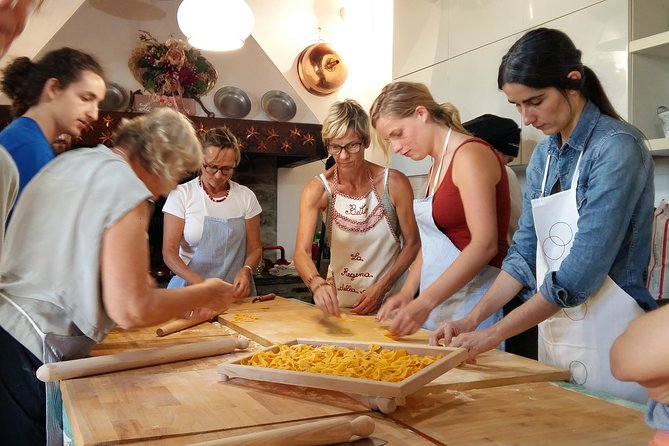
If your idea of Bologna is more tagliatelle al ragù than neon cooking demos, this is the kind of class that makes sense. The pace is relaxed. The setting helps you slow down. You’re learning in an actual family-run countryside home tied to an organic farm, not just a rented classroom.
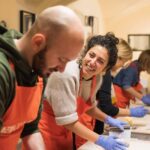
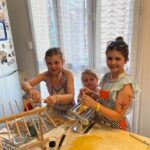
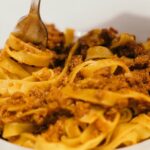
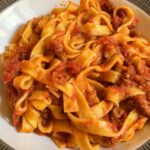
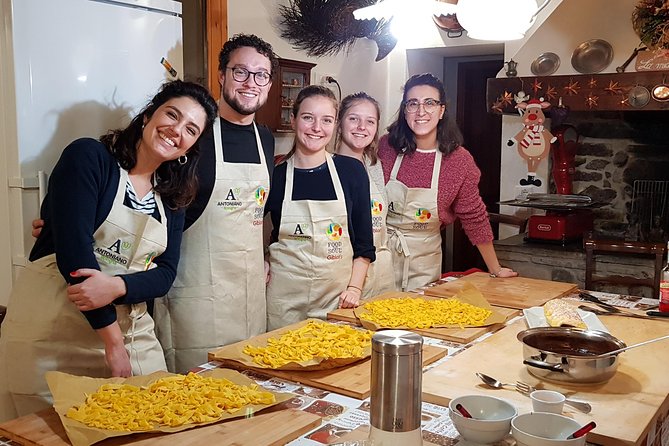
The heart of it is the teaching. Elisabetta (the chef) and her daughter Flaminia guide you through classic Bolognese techniques: mixing the dough from eggs and flour, rolling/pulling by hand, and shaping pasta you’ll recognize on menus around the Emilia-Romagna region. Along the way, you also get context—family recipe style, regional logic, and what makes each dish taste the way it does.
And then there’s the part that usually gets overlooked: you eat the results. You don’t just take photos of dough and leave with hunger. You taste what you made, and you get to continue the meal after the main cooking work is done.
You can also read our reviews of more cooking classes in Bologna
Getting there: meet at Via Santo Stefano 14, then head 15 km out
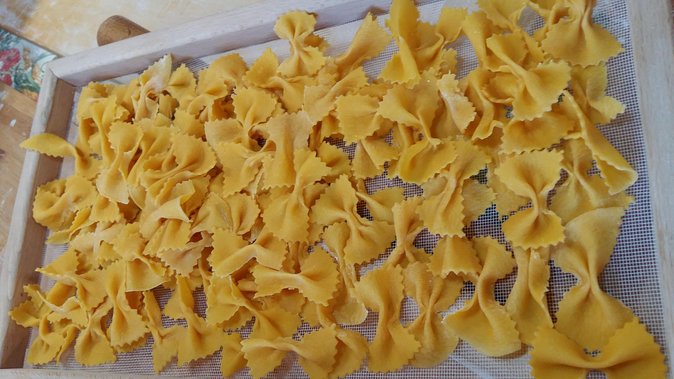
Plan your afternoon around a city-center start. You meet at Via Santo Stefano 14 (in the Santo Stefano area) at 2:30 pm, and from there you’re driven to the hills about 15 km from central Bologna.
The transport is part of the experience: an air-conditioned vehicle and private transportation are included. What’s not included is pickup from your hotel or other off-site location. So you’ll want to build time to get to the meeting address on your own.
This outside-the-city location is not a minor detail. It changes the feel of the class. You’re trading the noise of town for garden views and the calm of the countryside. That also means it’s a solid choice if you’ve already spent time in Bologna and want a change of pace without giving up Bologna food culture.
The hands-on pasta part: eggs, flour, and real Bolognese dough work
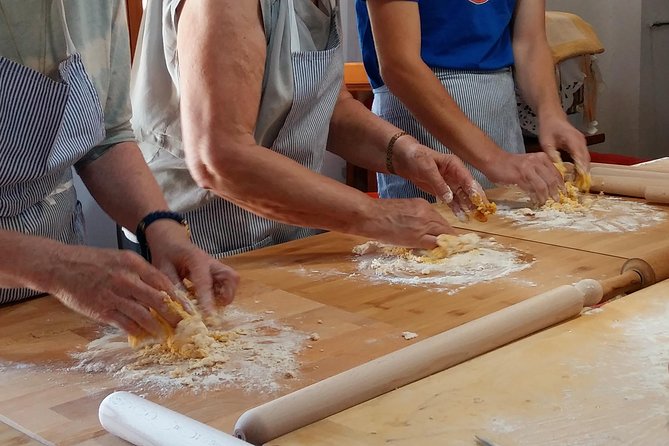
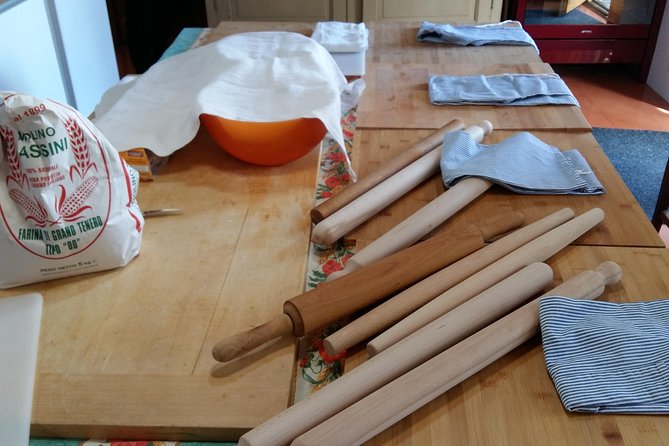
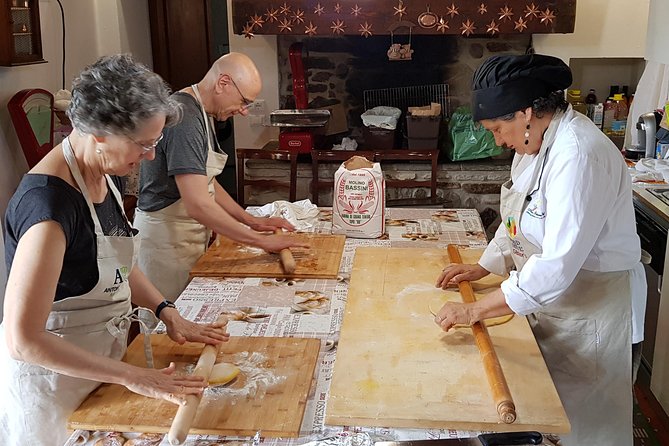
This is a cooking class built on the basics done the traditional way. You start with egg-and-flour dough, learning how to mix until it behaves like pasta dough instead of a sticky science experiment. Then comes the work: rolling/pulling the dough by hand and working toward the right thickness for fresh pasta.
On the menu side, you’re not stuck making just one shape. A typical direction is learning around:
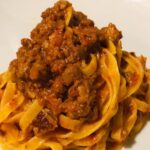
- Tagliatelle al ragù (the classic Bolognese shape and sauce pairing)
- Tortellini (filled pasta, usually with meat broth or similar serving styles)
- Tortelloni (bigger than tortellini, often with ricotta-based fillings and herbs or other regional options)
What matters for you is how the instruction is structured. The class isn’t built to test you. It’s built to teach you enough control to recreate the recipe later. That means you’ll get the practical cues you actually need: dough handling, shaping technique, and what to watch for as the pasta goes from ingredient to finished plate.
If you’ve never made pasta before, this works because the class is hands-on but paced. If you’ve made pasta at home already, you’ll likely notice details that refine your method—especially around dough feel and shape consistency.
Sauces and fillings: learn the logic, not just the motion
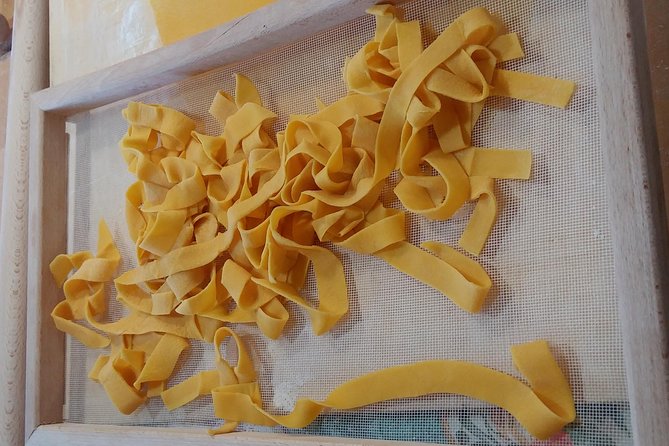
One of the smartest parts of this experience is that the chef doesn’t treat pasta like a standalone stunt. In Bolognese cooking, the sauce and the rhythm matter as much as the dough.
You’ll season and work with traditional sauces prepared by the family, rather than getting handed vague sauce directions. The goal is that you understand what the sauce is doing when it meets the pasta—why the pairing is classic and what balance should taste like.
You may not be doing every single step of sauce and fillings yourself. That’s not a failure of the experience; it’s how a family kitchen runs, especially with a small group and a limited timeline. In practice, you’ll spend most of your effort on the pasta you’re making and shaping, while the sauce components are managed by the chef and served in a way that still teaches you how the dish comes together.
If you want a “everyone chops herbs and everyone stirs filling” experience, you might be slightly disappointed. But if you want to learn how to make authentic Bolognese pasta that tastes right, this approach is strong.
The itinerary flow: cooking first, then tasting like you mean it
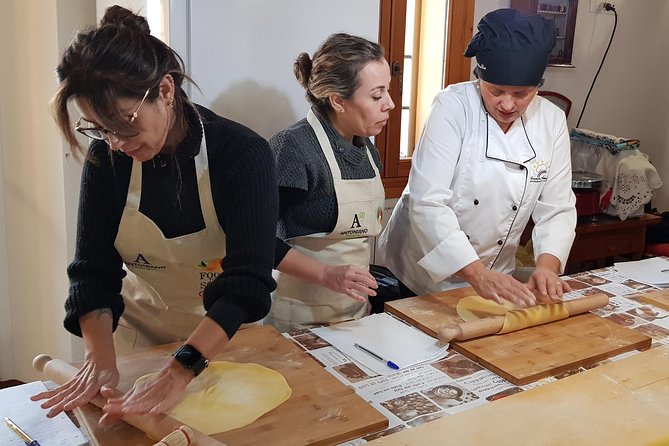
The day is designed in two phases: work, then payoff.
You start with the meeting in Bologna at Via Santo Stefano 14 around 2:30 pm, then travel to the countryside. Along the way, there’s a sense of getting oriented before you hit the kitchen rhythm.
Once you arrive, the cooking begins. You’ll work the dough, help with shaping, and follow the chef’s guidance as the dishes come together. After the main prep work, you taste what’s prepared—either in the garden or inside, depending on how things are going.
The schedule keeps moving but doesn’t feel rushed. The cooking class portion wraps around 6:00 pm. Then you continue to eat and enjoy the dishes until roughly 7:30 pm, after which you’re taken back to the city center and end again at the meeting point.
That timing matters because you’re not stuck in a classroom timeline. You get a real meal structure out of it: cooking, tasting, and then a full sitting-down moment.
Desserts in Bolognese style: pinza, raviole, and torta della nonna
Bolognese cooking has a serious sweet side, and this class includes desserts that belong to the region’s hills and neighborhoods.
You’ll prepare and learn around:
- Pinza bolognese: a typical hillside cake with jam varieties, cinnamon, and raisins
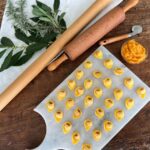
- Ravioli-style biscuits called raviole: filled with jams made by the host
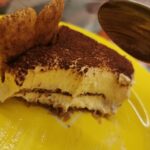
- Torta della nonna: a classic with yellow cream, pine nuts, and pastry
And here’s a key detail for planning: you prepare a traditional dessert that you take home. That means you can turn the class into something more than an evening out. You get a souvenir that’s actually edible, and it’s a reminder of what you learned.
Also, the menu is seasonal, and you decide together what you’ll prepare and learn during the course. If you’re visiting at different times of year, you might see different jam choices or dessert variations. That flexibility keeps it from feeling copy-paste.
Food, wine, and the end-of-class meal that actually fills you up
This is one of those experiences where the meal is part of the lesson, not a polite afterthought.
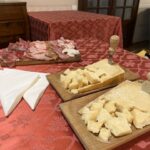
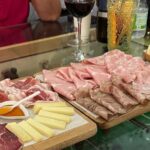
You’ll have included drinks such as wine, soda/pop, and bottled water, plus coffee and/or tea. At the end, you eat the dishes you cooked together, along with sauces prepared by the chef.
A lot of cooking classes say you’ll eat. This one builds the dinner into the experience length, with tasting after cooking and then continued time to enjoy the food until evening. That makes it easier to relax and talk. It also helps if you’re traveling with friends or family and want an activity that doesn’t feel like “work for two hours, then rush to the next thing.”
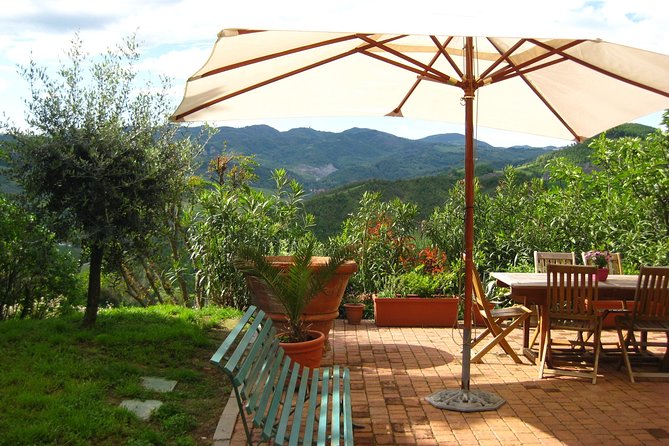
The atmosphere in the hills is part of the point. In the better moments, you’re eating with a garden view or inside the family home. Either way, it feels like you’re joining dinner at a countryside house, not paying for a timed show.
Price and value: what $181 buys you (and what it doesn’t)
At $181.41 per person for about 5 hours, this sits in the premium category. The question is what you’re getting for the money.
Here’s the value equation that makes sense:
- You get private transportation from the city center to the hills (about 15 km out).
- You get a small group experience (maximum 7), so teaching time isn’t diluted.
- You get hands-on pasta work, including classic Bolognese shapes.
- You get included drinks, including wine.
- You get a full meal at the end, plus coffee/tea.
- You take home at least one traditional dessert.
What you’re not getting is a hotel pickup, and you’re not getting unlimited “everyone does everything” kitchen time. You’ll still leave with a strong ability to recreate fresh pasta at home, but the class is designed as a guided family process, not a hands-every-minute production line.
If you want the kind of Bologna day that feels personal—more like being invited than being processed—this price can be fair. If you only care about one dish and want the cheapest possible cooking activity, you’ll find other options closer to town. But if you want the countryside setting and a family-style finish, this is where the money goes.
Who this is best for
This class is a great fit for:
- People who want authentic Bolognese food beyond the typical city-center cooking school
- Couples and small groups who like private-leaning experiences
- Families with kids old enough to handle hands-on cooking calmly
- Anyone who wants to learn fresh pasta shaping and take the recipe confidence home
It may be less ideal if:
- You need hotel pickup and you hate meeting points
- You only have a very short window in Bologna and can’t spare the time for the hills drive
- You want a class where every participant makes every component (some steps are led by the chef)
Practical tips so your afternoon goes smoothly
A few things will help you enjoy the day more:
- Plan to arrive at Via Santo Stefano 14 with enough time to settle in before 2:30 pm.
- Expect a countryside schedule: comfortable clothes for cooking, plus something you don’t mind getting flour on.
- If you’re sensitive to wine or alcohol, you can still enjoy the day—just pace yourself. Drinks are included, so it’s not a random extra cost.
- Bring a plan for photos: you’ll get nicer scenery in the hills, but focus first on learning and eating, not only shooting.
One more tip: go with curiosity. Ask why the shapes pair with specific sauces. In Bolognese cooking, that connection is the whole point.
Should you book this Bologna pasta class?
Yes, if you want a Bologna experience with a real family kitchen vibe, hands-on pasta work, and a meal that feels like part of the learning—not an add-on. The small group size, the hills setting outside the city, and the included wine and dinner make it feel like you’re paying for more than a cooking demo.
Hold off if you’re looking for a bargain, need hotel pickup, or want a class where every participant does every single kitchen task from start to finish.
If your travel goal is to bring home technique and taste—not just a souvenir—this is the kind of afternoon that sticks.
FAQ
Where do I meet for the cooking class?
You meet at Via Santo Stefano 14, 40125 Bologna. The activity also ends back at the meeting point.
How far is it from central Bologna?
The cooking takes place about 15 km from the city center, in the hills outside Bologna.
What time does the experience start and end?
It starts at 2:30 pm. The cooking class is about 5 hours total, with tasting continuing until around 7:30 pm, then you’re taken back to the meeting point.
Is transportation included?
Yes. Air-conditioned private transportation is included between Bologna and the countryside venue. Hotel pickup or pickup from other locations is not included.
How big is the group?
The maximum group size is 7 travelers.
What language is the class offered in?
The experience is offered in English.
What do I eat during the experience?
You cook traditional Bolognese dishes and then eat together at the end of the course. Coffee/tea is included, and you also have included beverages during the experience.
Do I get wine or other drinks?
Yes. Alcoholic beverages are included, along with soda/pop and bottled water.
Do I take anything home?
Yes. You prepare a traditional dessert during the class that you take home.
Is the venue pet-friendly?
Service animals are allowed, and there are dogs and cats present at the property.