Bologna rewards slow steps and good stories. This 1 hour 45 minute walking tour strings together Piazza Minghetti, the market lanes of the Quadrilatero and Via Pescherie Vecchie, and big-photo stops like Neptune’s Fountain and Piazza Maggiore. You get a professional English-speaking guide and a route that feels made for first-time visitors who want the highlights without getting lost.
I especially love how the guide (Frederik) connects city history to what you can actually see and taste. Two of my favorite parts are the early calm start in Piazza Minghetti and the way the tour turns the Quadrilatero area into a practical walking map for Bologna food culture, not just sightseeing. You also get a helpful sense of where Bologna’s energy lives once you reach Piazza Maggiore.
One possible drawback: the time is tight. You’ll get stops that are meaningful and photo-worthy, but you won’t linger long at each one, so you may want a quick way to re-find places on your own after the walk—your phone map is your friend.
In This Review
- Key highlights worth planning for
- A Bologna walk that stays focused: 1h45, English, and max 15
- Piazza Minghetti start: where the tour begins and the tone sets
- Quadrilatero lanes near Piazza Maggiore: food streets with medieval roots
- Via Pescherie Vecchie: old market energy and classic Bologna specialty shops
- Neptune’s Fountain and Giambologna: Renaissance art you can’t miss
- Piazza Maggiore: the social heart and a landmark backdrop
- Archiginnasio di Bologna and the final surprise stops
- Price and value: is $36 a fair deal for this route?
- What it’s like on the ground: timing, maps, and rainy-day reality
- Should you book this Bologna walking tour?
- FAQ
- How long is the Bologna walking tour?
- What is the price per person?
- What language is the tour offered in?
- Where does the tour start?
- Does the tour end back at the meeting point?
- Is a mobile ticket used?
- How large is the group?
- Is gratuity included in the price?
- Can I get a full refund if I cancel?
Key highlights worth planning for
- Small group pace (max 15) makes it feel easier to ask questions and keep track of the route.
- Frederik’s storytelling ties together history, culture, and food in an upbeat way.
- Market streets as a feature, not a side quest: Quadrilatero and Via Pescherie Vecchie are the heart of the walk.
- Iconic Renaissance stop at Neptune’s Fountain with its 16th-century Giambologna bronze Neptune.
- Main-square orientation via Piazza Maggiore, with Basilica of San Petronio and Palazzo d’Accursio in view.
- Mobile ticket and a simple meeting point at Piazza Minghetti make day-of logistics straightforward.
A Bologna walk that stays focused: 1h45, English, and max 15
This tour is built for people who want a strong Bologna orientation in under two hours. At about 1 hour 45 minutes, you’re not stuck on an all-day schedule, but you’re also not doing a quick drive-by of the city center. The pacing is especially good if you’re arriving in Bologna and you want your bearings fast for the rest of your trip.
The group size cap of 15 travelers matters more than you might think. When a walk is that short, you either get an efficient flow—or you get bottlenecked behind a crowd. Here, the small group format helps keep the path moving and makes it easier to hear the guide as you stop and look. That also shows up in the feedback: people liked that the experience felt close to a private walk rather than a giant bus-tour shuffle.
Language is English, and you get a professional guide throughout. There’s also a mobile ticket, which usually means less fuss at the meeting point. One more practical note: the tour is scheduled to start at 11:00 am, which is a nice compromise time—late enough that morning fog usually isn’t a problem, but early enough that your afternoon is still open for longer meals or wandering.
You can also read our reviews of more walking tours in Bologna


Piazza Minghetti start: where the tour begins and the tone sets

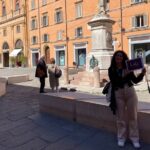
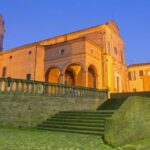
Everything kicks off at Piazza Minghetti, at Mercatino Regionale Francese, Piazza Minghetti, 2, 40124 Bologna. Starting here is smart because the square gives you a calm landing before Bologna’s tighter lanes and busier market streets take over.
Minghetti Square is named after Marco Minghetti, an Italian statesman, and the place includes a statue honoring him. The square is also described as a charming public space with historic buildings around it and greenery nearby—so it doesn’t feel like you’re immediately dropped into an alleyway. For you, that means a gentle warm-up: you can settle your shoes, check your map app, and get the big-picture context before the tour turns into food and architecture mode.
If you’re the type who likes to understand a city before you start “doing,” you’ll appreciate this setup. It’s a nice moment to absorb the fact that Bologna is both political and culinary—stone squares first, market lanes second. And it’s also a good reminder that the tour’s value is in its flow, not in rushing to the next photo.
Quadrilatero lanes near Piazza Maggiore: food streets with medieval roots
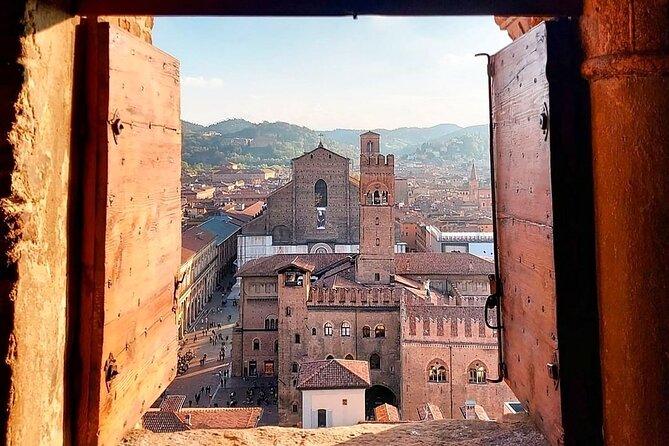
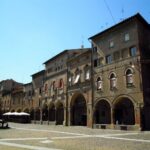
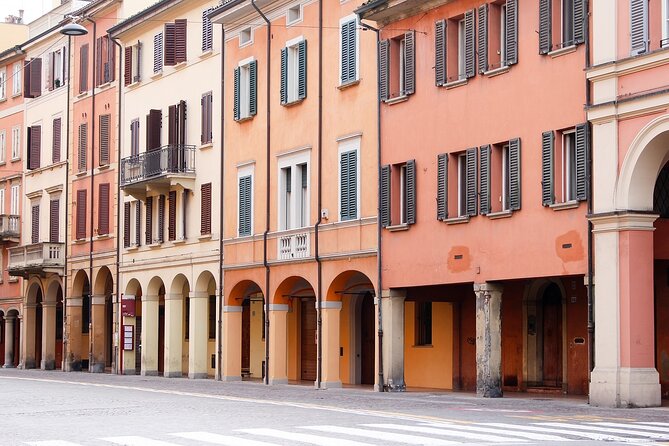
From the square, the tour moves into the Quadrilatero, the historic district known for narrow streets packed with traditional markets, artisan shops, and local eateries. It’s located near Piazza Maggiore, and the area has been a commerce hub since medieval times—so the streets weren’t just built for tourists; they’ve been busy for a very long time.
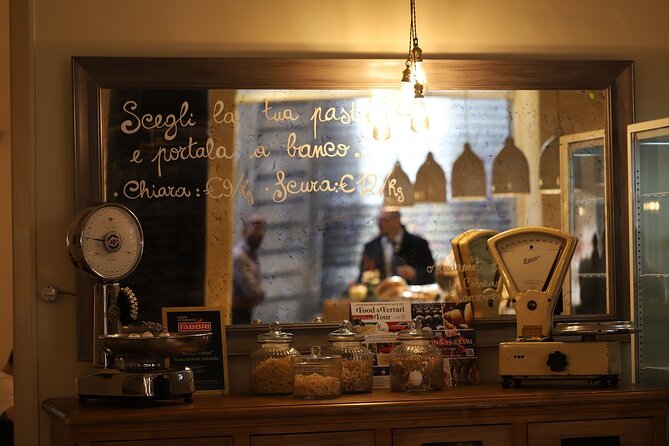
This is the part of the walk where you’ll feel like Bologna is speaking its real language. The Quadrilatero is described as a food lover’s area, with options like fresh produce, meats, cheeses, and handmade pasta. For your planning, that matters because it helps you figure out where to go later for a meal. Even if you don’t buy anything during the tour, you’re learning the geography of taste.
Practical consideration: the streets are narrow. That can make the walking feel a bit tighter, especially if you’re carrying a bag or wearing bulky outerwear. Wear comfortable shoes and keep your phone secure in your hand or pocket while you stop to look. The good news is that this narrow-lane setup is exactly why the Quadrilatero works on foot—your eyes get closer to the goods, the textures, and the daily rhythm.
Via Pescherie Vecchie: old market energy and classic Bologna specialty shops
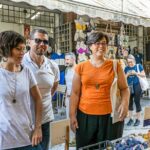
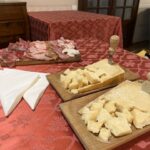
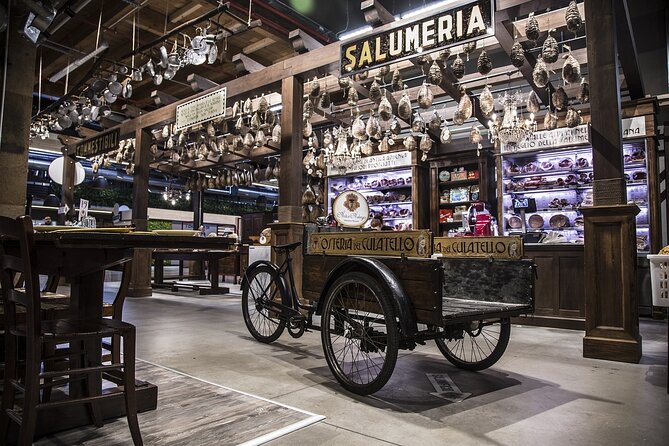
Next up is Via Pescherie Vecchie, a historic street known for market atmosphere. It’s lined with traditional food stalls, butcher shops, and delicatessens, and the focus is very much on local specialties—think seafood, meats, cheeses, and other classic Bologna items.
Why this stop is worth your time: it gives you a different slice of the market story than the Quadrilatero. Quadrilatero often reads like a network of lanes for shopping and eating, while Via Pescherie Vecchie feels like a direct route through the city’s food trade heritage. If you like the smell-and-sound side of travel—paper wrapped around cheese, butcher-counter displays, busy shopfronts—this street delivers.
One drawback to consider is sensory: market streets can be intense. If you’re sensitive to strong food smells, keep that in mind and move with the group while you glance into shops rather than lingering too close to counters. Also, if you’re hungry, you might end up making a very specific list of where to return later. That’s not a problem—just be aware that this kind of walk tends to trigger snack decisions.
Neptune’s Fountain and Giambologna: Renaissance art you can’t miss

Then the tour opens up visually at Neptune’s Fountain. This is a Renaissance monument created by sculptor Giambologna in the 16th century. The centerpiece is a towering bronze statue of Neptune, the Roman god of the sea, and the fountain’s intricate details are part of why people stop and stare.
For you, the value here is balance. After two market-focused segments, you get a heavy art-and-history landmark that’s still in the city’s public space. It’s also a strong orientation tool: once you know where Neptune’s Fountain sits, you can better plan the rest of your center-city wandering because you’ve anchored your day with one of Bologna’s most recognizable icons.
Practical tip: bring your camera expectations down to reality. You’ll want to frame the statue and the broader fountain details, but you’ll also likely be standing among other visitors while taking photos. If you’re trying to capture something perfectly, step to the side while the group listens, then reposition for your shot once you’re done.




Piazza Maggiore: the social heart and a landmark backdrop
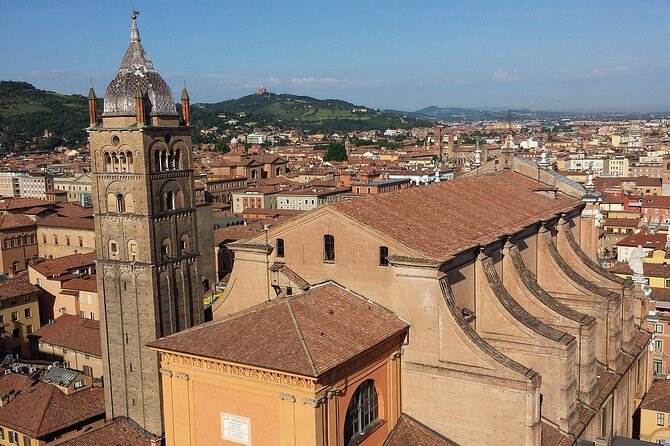
From there, you reach Piazza Maggiore, Bologna’s main square. It’s surrounded by major landmarks like the Basilica of San Petronio and Palazzo d’Accursio. The square has been a center of social and political life since medieval times, which is another reason the tour works so well: it keeps reminding you that Bologna isn’t just pretty—it’s functional and historically important.
This stop is ideal if you want a big public space to reset your senses. After the tight market lanes, Piazza Maggiore feels open. That space also helps you read the city at a glance. Once you’re here, it’s easier to understand why the Quadrilatero sits close by: the market district serves the square’s everyday life, not the other way around.
If the weather is bad, Piazza Maggiore still works because it’s a classic “gather under umbrellas and keep moving” type of stop. Just remember it’s an open-air square, so layers help.
Archiginnasio di Bologna and the final surprise stops
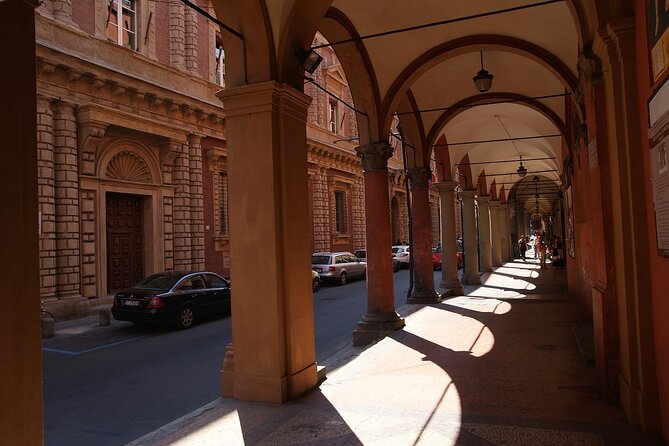
The tour ends by heading toward Archiginnasio di Bologna. The rest of the route includes a few more stops along the way, and those are kept as a surprise so the experience doesn’t feel like a simple checklist.
I like this approach for two reasons. First, it prevents the walk from turning into a rigid script where you’re just counting minutes. Second, it lets the guide decide what to emphasize based on what’s happening in the area and what visitors are curious about.
Since specific details about the surprise stops aren’t spelled out, plan to be flexible. This is one of those tours where listening matters as much as looking. If you enjoy asking questions, this is the moment to do it—some of the best satisfaction from the walk comes from getting direct answers about what you’re seeing and why it matters.
Price and value: is $36 a fair deal for this route?
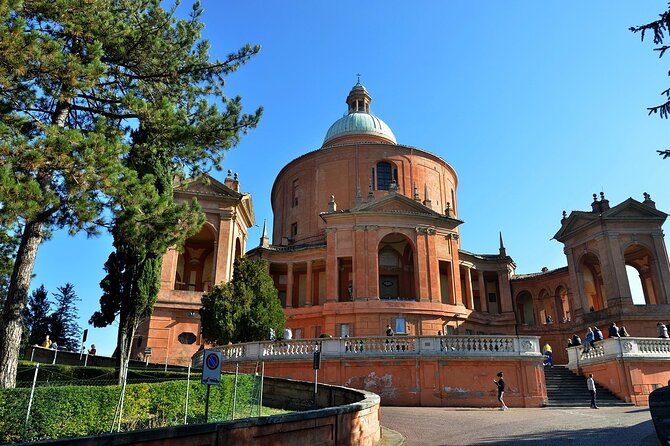
At $36 per person for about 1 hour 45 minutes, this tour is priced like a small, guided city-center experience. The big value point is that you’re paying for a professional guide and a tight route that covers multiple “must-see” areas without turning your day into a long commute between sites.
Another value signal: the stops included here are listed as free (no admission tickets required for the sites mentioned in the tour flow). That means the money goes toward interpretation and guiding—someone helps you understand what you’re looking at rather than paying for entry fees.
Also, it’s often booked about 31 days in advance, which tells you it’s popular for the time-slot and format. If you’re traveling in peak season or you have a narrow schedule, booking ahead is smart.
One more practical note: gratuities are optional. If you feel your guide did great work (and based on how Frederik is described—cheerful, entertaining, responsive), budgeting a tip is a nice way to recognize that effort.
What it’s like on the ground: timing, maps, and rainy-day reality
Start time is 11:00 am, and the tour ends back at the meeting point. That “back to where you started” format is more useful than it sounds. When you finish, you’re already placed back into a familiar anchor area (Piazza Minghetti), so you can continue on without needing to backtrack through the whole city center.
You’ll also want to think about the day’s weather. One review detail stood out in how the guide handled heavy rain without changing the spirit of the walk. That suggests you should come prepared. Bring a compact umbrella or a light rain jacket, and don’t plan on perfect weather.
Finally, there’s a small planning gap worth noting: you may want your own map during the walk so you can retrace your steps later. The route is straightforward because it starts and ends in the same place, but once you’re out exploring Bologna on your own, having a map makes it easier to revisit places you liked.
Should you book this Bologna walking tour?
Book it if:
- You’re doing Bologna for the first time and want a tight, high-signal route.
- You care about both architecture and food culture, especially the market areas near Piazza Maggiore.
- You like small groups and want a guide like Frederik who’s described as cheerful, entertaining, and responsive to questions.
- You want an English-led walk that ends back where you started, so the rest of your day stays flexible.
Skip it (or pair it differently) if:
- You’re the type who wants long museum-style stops or extended time inside major buildings. This walk is designed for seeing and learning quickly.
- You’re allergic to walking on uneven, close-in streets. The market lanes are part of the experience, and they do mean more stepping and turning.
If your goal is a smart Bologna orientation—market streets, iconic monuments, and the big central square—this is a strong fit. It’s the kind of tour that helps you understand where to return for lunch, snacks, and a second look later.
FAQ
How long is the Bologna walking tour?
The tour lasts about 1 hour 45 minutes.
What is the price per person?
It costs $36.00 per person.
What language is the tour offered in?
The tour is offered in English.
Where does the tour start?
It starts at Mercatino Regionale Francese, Piazza Minghetti, 2, 40124 Bologna BO, Italy.
Does the tour end back at the meeting point?
Yes, it ends back at the meeting point.
Is a mobile ticket used?
Yes, you’ll receive a mobile ticket.
How large is the group?
The group has a maximum of 15 travelers.
Is gratuity included in the price?
No, gratuities are optional and not included.
Can I get a full refund if I cancel?
Free cancellation is available up to 24 hours in advance for a full refund. If you cancel less than 24 hours before the start time, the amount paid is not refunded.