REVIEW · BOLOGNA
Jewish Bologna and Modena or Ferrara
Book on GetYourGuide →Operated by Stephanie Foulkes Tourist Guide ER · Bookable on GetYourGuide
Jewish Bologna has layers you can walk. I like how the story feels real—it’s traced through streets like Santo Stefano and the Sforno family site, not just lecture notes. I also like the option to go on to Ferrara and see the MEIS Museum of Judaism and the Shoah. The one catch to plan around: the museum route doesn’t run on Mondays, and some synagogue visits are limited by day.
I also appreciate that the guide, Stephanie Foulkes, tailors the tour to your interests ahead of time, which helps if you want more focus on daily life, symbols, or community history. You’ll do a fair amount of walking in Bologna’s old streets, but the tour is set up to be wheelchair accessible, so you’re not left out if mobility is an issue.
In This Review
- Key points before you go
- Where Jewish Bologna fits into Italy’s bigger story
- Bologna’s walk: Santo Stefano, Sforno connections, and Jewish markers
- The synagogue question: what’s likely to be visitable
- Train to Ferrara or Modena: choosing your second act
- Ferrara and MEIS: where “history” becomes specific
- Modena: a tighter, ghetto-focused look
- Timing, pace, and tickets: what to plan so the day runs smooth
- The guide factor: Stephanie Foulkes and how the experience can feel
- Who this tour is best for
- Should you book Jewish Bologna and Ferrara or Modena?
- FAQ
- Does this tour run on Mondays?
- What cities do I visit?
- How long is the tour?
- Is the tour in English?
- Are train tickets included in the price?
- Is the tour wheelchair accessible?
- Is the Bologna synagogue always visitable?
- If the Bologna synagogue is visited, is there an extra cost?
- What should I wear or bring?
- Can I cancel and get a refund?
Key points before you go
- Bologna street stops connect the Jewish presence to recognizable places like Santo Stefano and its square
- Two routes after the train: Ferrara (MEIS + ghetto) or Modena (main square + ghetto)
- Ferrara is framed as a first Renaissance city, so you see how culture and power shaped Jewish life
- Ghetto quarters in more than one city give you a comparative view, not a single-location story
- Synagogue access depends on the day, so expect a plan B for some viewpoints
- English live guide with practical pacing that adjusts to museum time and lunch
Where Jewish Bologna fits into Italy’s bigger story
This is the kind of tour that makes you look at Emilia-Romagna differently. You start in Bologna, where Jewish life became part of the civic fabric—and also part of the cycles of expulsion and restriction that many European Jewish communities faced. The tour is built to show both sides: discrimination and confinement, yes, but also how families, neighborhoods, and cultural influence continued through time.
You’ll also get a framework that helps the later stops click. The guide begins with broad context going back to the Roman era, then brings it forward into what you can actually see today. That matters because ghetto walls and synagogue locations can look like just “old buildings” if you don’t have the timeline in your head.
You can also read our reviews of more tours and experiences in Bologna.
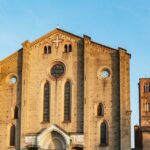


Bologna’s walk: Santo Stefano, Sforno connections, and Jewish markers
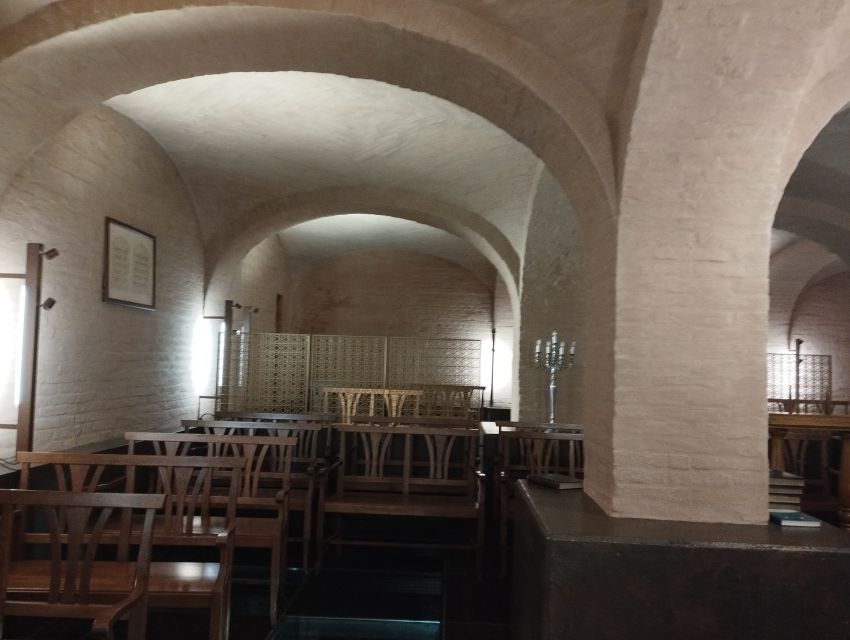
Bologna is where the tour earns its keep. You’re not just ticking off plaques—you’re moving through a place where the past is still street-level.
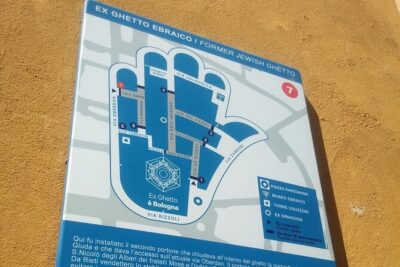
One highlight is the area connected to the old Jewish guild—there are two towers tied to that earlier community life. From there you shift toward the core Jewish quarter, including the old ghetto area and museum space.
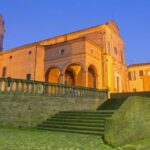
Then you move to Santo Stefano, sometimes called the seven churches. The point here isn’t church trivia. It’s the location’s role as a recognizable anchor in the city. When you connect a major public religious complex with the history of a minority community living nearby, the contrast tells you a lot about how cities organized power, faith, and access.
A particularly memorable stop is the Santo Stefano square area tied to the Jewish-Sforno family house. Even if you’re not a history buff, you’ll feel the difference between a generic “Jewish history” talk and a tour that points to a specific place where a family actually lived.
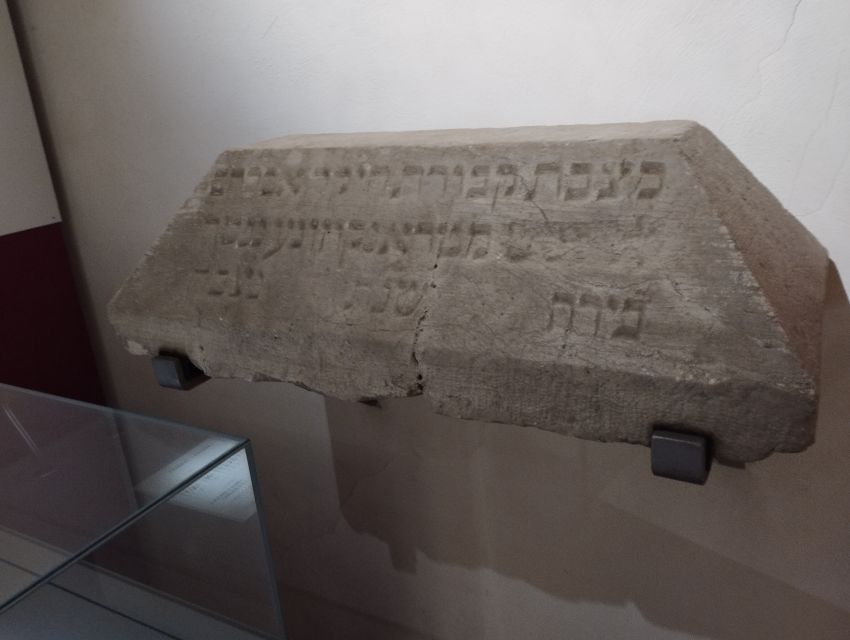
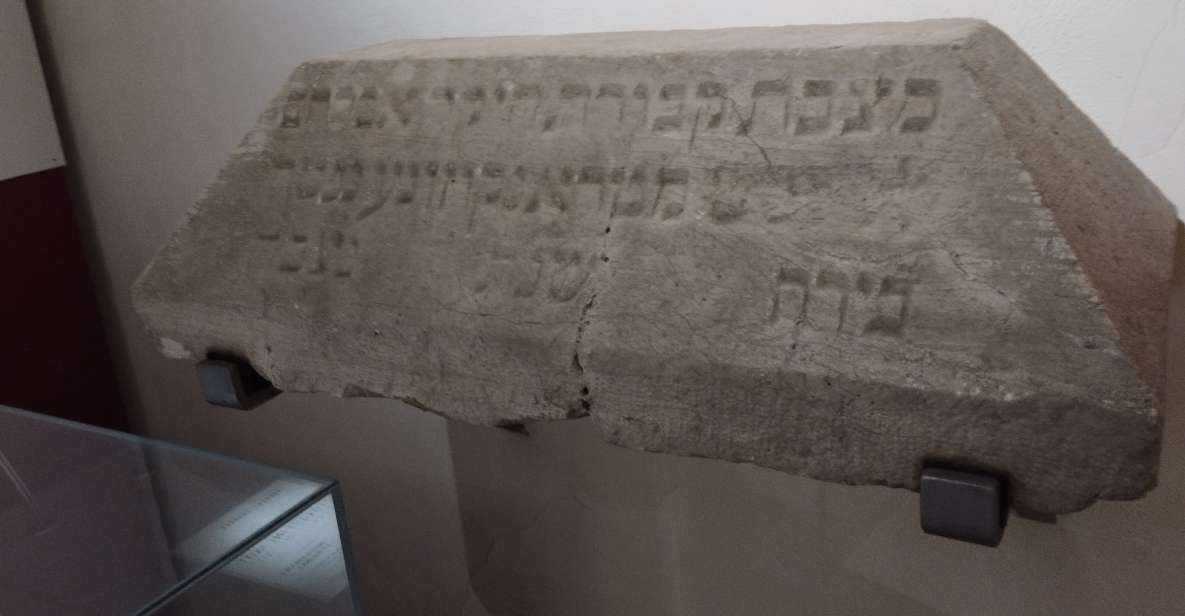
You’ll also hear about a building called the Bocchi building, notable for having what’s described as the only Jewish inscription in Europe. That’s the kind of detail that makes photos more interesting later, because you’ll know what you’re looking for.
The synagogue question: what’s likely to be visitable
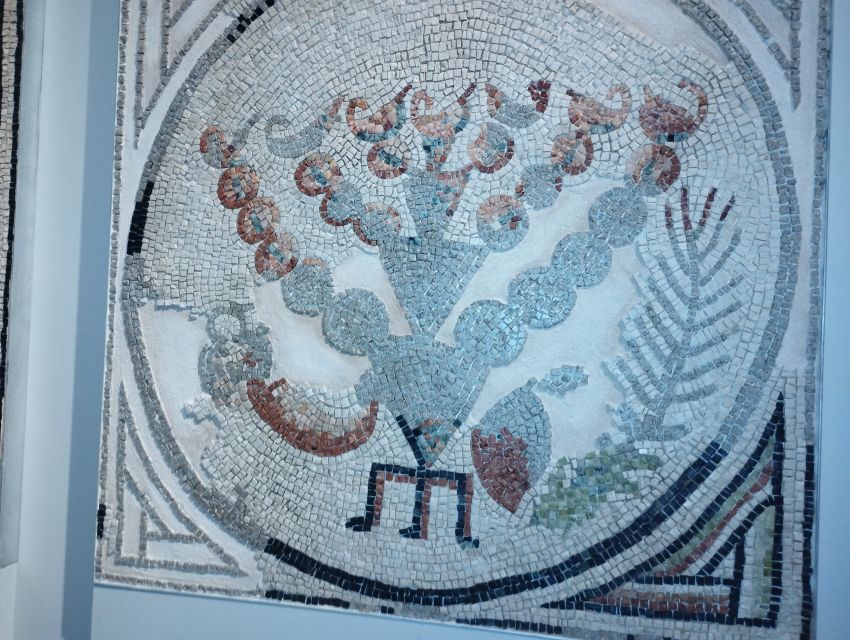
This tour has a built-in reality check: synagogue access depends on opening rules and the day you’re going. The guide contacts the 19th-century synagogue at 9, via dei Gombruti, which features a Star-of-David rose window. Whether you can actually enter depends on availability.
From the tour info, you should plan for these limitations:
- It is not visitable on Friday nor Saturday.
- It is not visitable on Sundays.
The good news is that the tour doesn’t rely on one single interior visit to feel complete. Even when the synagogue door is closed, you still have visible Jewish history markers across Bologna, plus the structure of the day that takes you onward by train.
Train to Ferrara or Modena: choosing your second act
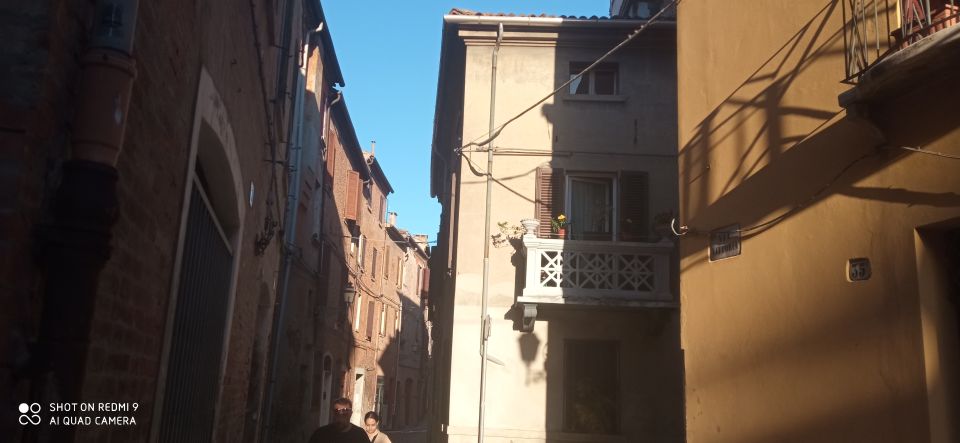
After Bologna, you take the train toward either Ferrara or Modena. This is one of the best value ideas in the whole concept: you get a full Bologna experience, then you change scenery without giving up time.
The trade-off is straightforward:
- Choose Ferrara if you want the deeper museum component, including the MEIS Museum of Judaism and the Shoah.
- Choose Modena if you want a more compact city visit focused on the core area and ghetto spaces.
Ferrara is described as the first Renaissance city, and that label isn’t marketing fluff here. It helps explain why the Este family mattered so much for Jewish community life there—especially compared with places where Jewish residents were more abruptly pushed out or contained.
Modena is shorter on museum emphasis in the tour description, but it still keeps the essentials: you’ll see the main square and the ghetto area.
One practical note: the tour duration is flexible based on how long you spend in museums and how you time lunch. So if you’re the type who hates running late, you’ll want to build in a relaxed rhythm.
Ferrara and MEIS: where “history” becomes specific
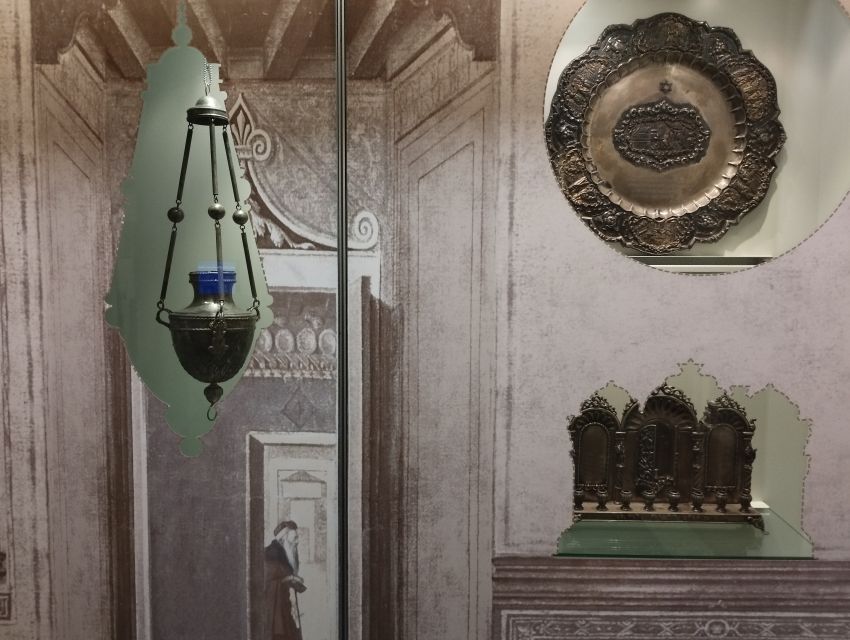
If you choose Ferrara, the MEIS visit is the big reason this option exists. It’s the Italian Museum of Judaism and the Shoah, and it’s designed to connect Jewish life with the catastrophes and pressures that shaped it.
What makes this stop valuable isn’t just that it’s a museum. It’s that you’re going from street-level Bologna context to a dedicated place built to explain how persecution, identity, and community change over time. If you’re someone who likes to understand the background behind difficult topics, this is the most structured part of the day.
Then you head into the Jewish ghetto area in Ferrara. That pairing—museum plus neighborhood—helps your brain keep two tracks running at once:
1) what the museum is saying in clear form
2) what the neighborhood makes real in space and distance
One big scheduling consideration: the tour is not available on Mondays, because the museum route depends on museum opening days. If you’re traveling Monday, you may need a different plan or choose a Bologna-only option if one exists.





Modena: a tighter, ghetto-focused look
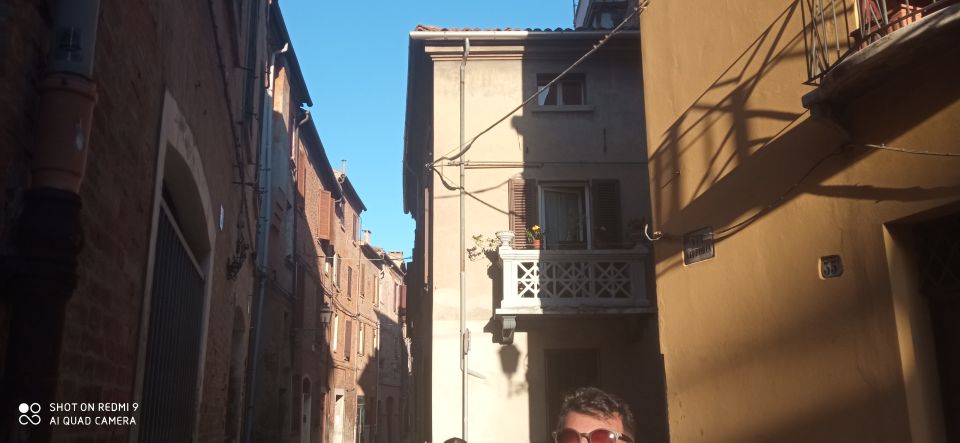
If you choose Modena, you don’t lose the core theme—you just get it in a different format. The tour centers on the main square and the ghetto area.
Why this works: it keeps your attention on how Jewish life was physically organized in the city and how residents experienced the limits placed on them. When the museum focus is lighter (based on the tour description), the streets and squares do more of the storytelling.
Modena also gives you a helpful contrast against Ferrara. Same region, different city decisions, different kinds of community footprint. That’s often what makes the overall experience stick after you leave Emilia-Romagna.
Timing, pace, and tickets: what to plan so the day runs smooth
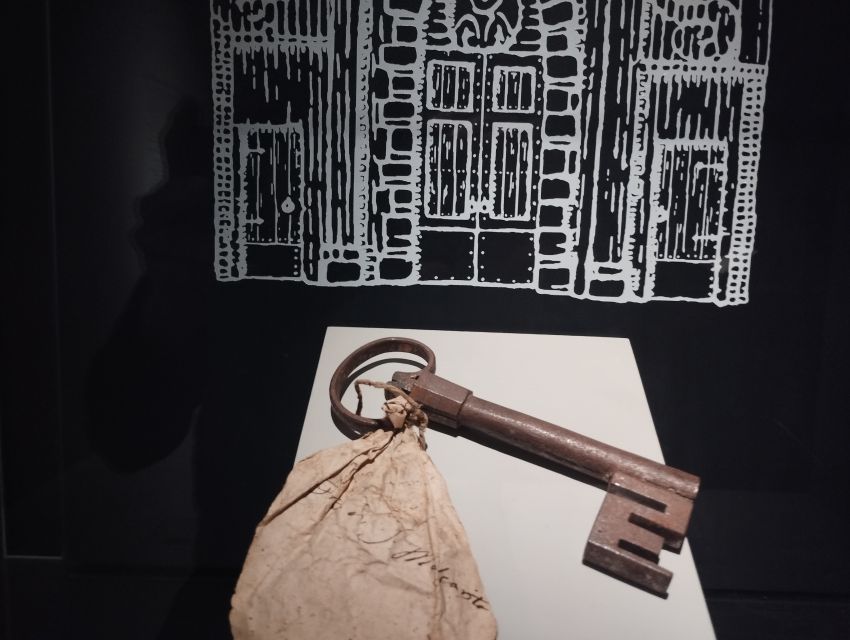
This tour has a lot of movement: a walk in Bologna, then train travel, then guided time in the second city, with some additional local transit and walking in Ferrara.
Here’s what matters for your planning:
- Bologna walking takes about 1 hour.
- Train time is around 45 minutes.
- Total time can land around 6 hours, depending on museum time and lunch timing.
Transportation details you should know:
- Train tickets to Ferrara (or Modena) and back are not included. The info provides an estimate of €10.40 per person return.
- In Ferrara, you can expect bus/taxi and some walking.
Money value: the tour price is listed as $70 per person. What you’re paying for is the professional guide’s time and the curated route through Bologna plus the guided city time on the far side of the train. The only separate costs mentioned are the train tickets, and potentially a community guide fee if the Bologna synagogue visit is possible.
So the cost works best if you want someone to connect the dots for you. If you’re planning to mostly self-guide using maps, you could save money—but you’ll miss the links between specific places and the bigger Jewish story the guide is working to keep clear.
The guide factor: Stephanie Foulkes and how the experience can feel
A tour like this lives or dies on communication. In this case, the guide is named Stephanie Foulkes, and the feedback points in a very practical direction: she tends to ask for specific interests ahead of time. That’s a smart move. It helps the tour feel less like a script and more like a discussion where you control what you want to hear most.
There’s also a fair warning to consider from the feedback pattern: for some people, delivery style may be harder to follow if you’re sensitive to how someone paces speech at the end of sentences. If you know you do better with very crisp narration, it’s worth knowing this could matter for you.
On the positive side, the tour is also described as workable with mobility needs. The information says it’s wheelchair accessible, and the Bologna walking component happens on old streets with cobblestones—so that combination explains why comfort planning matters.
Who this tour is best for
You’ll enjoy this most if you want:
- A guided explanation that ties Jewish history to visible places in real neighborhoods
- A day that mixes sensitive history with actual urban geography
- The chance to compare Ferrara vs Modena after a single Bologna foundation
It also suits you if you’re traveling with someone who needs structure. Museums can be emotionally heavy. Having a guide to frame the day helps you pace your attention.
On the other hand, if you want a strictly museum-only day, or if you hate walking (even at moderate levels), this might feel like more movement than you’d prefer—especially in Bologna’s historic streets.
Should you book Jewish Bologna and Ferrara or Modena?
If you want a guided, place-based Jewish history day in Emilia-Romagna, I think this is a solid booking. The best part is the combination: Bologna street-level context plus a second-city visit where you can see either the MEIS museum and Ferrara ghetto areas or the compact ghetto focus in Modena.
Book Ferrara if you want the strongest museum anchor and don’t travel on a Monday. Choose Modena if you want a tighter city contrast without the MEIS-specific timing dependence.
Only reconsider if synagogue access timing is essential for your trip, or if you’re very picky about guide speaking style. Otherwise, this is the kind of tour that gives you a clearer mental map when you leave—so the history doesn’t just fade into photos.
FAQ
Does this tour run on Mondays?
No. The tour is not available on Mondays because the museums used on the route are closed.
What cities do I visit?
You start with a guided experience in Bologna, then you take a train to either Ferrara or Modena for additional guided time.
How long is the tour?
The duration is flexible and depends on museum time and lunch timing. It’s listed as 1.5 hours to 1 day, and it also notes a typical duration of about 6 hours including the journey to Ferrara.
Is the tour in English?
Yes. The live tour guide speaks English.
Are train tickets included in the price?
No. Train tickets to and from Ferrara are listed as not included, with an estimate of €10.40 per person return.
Is the tour wheelchair accessible?
Yes, it is described as wheelchair accessible.
Is the Bologna synagogue always visitable?
No. The guide will contact the synagogue at 9, via dei Gombruti to see if it’s visitable. It is not visitable on Friday or Saturday, and it is not visitable on Sundays.
If the Bologna synagogue is visited, is there an extra cost?
Yes. If the Bologna synagogue is included, the cost is listed as seven euros per person for a guide from the Jewish community.
What should I wear or bring?
Wear comfortable shoes. The tour takes place rain or shine.
Can I cancel and get a refund?
Yes. Free cancellation is listed up to 24 hours in advance for a full refund.