REVIEW · BIKE & E-BIKE TOURS
Bologna Bike Tour with Breakfast
Book on GetYourGuide →Operated by SLOW EMOTION · Bookable on GetYourGuide
Bologna’s canals run under your bike tires. This guided Bologna delle acque ride makes the story of “waters beneath our feet” easy to see, not just read about. I like that you start with a typical Italian breakfast, then roll straight into the city’s industrial water network.
My second big “yes” is the mix of famous sights and canal details, including the Finestrella of Via Piella and the long-portico views tied to San Luca. One thing to consider: it’s still a bike tour, with some stops that involve short walks, so you’ll want decent comfort in your legs and shoes.
In This Review
- Key highlights I’d bet on
- How the Bologna delle Acque tour turns a city into a water map
- Meeting Slow Emotion and fueling up with a real Italian breakfast
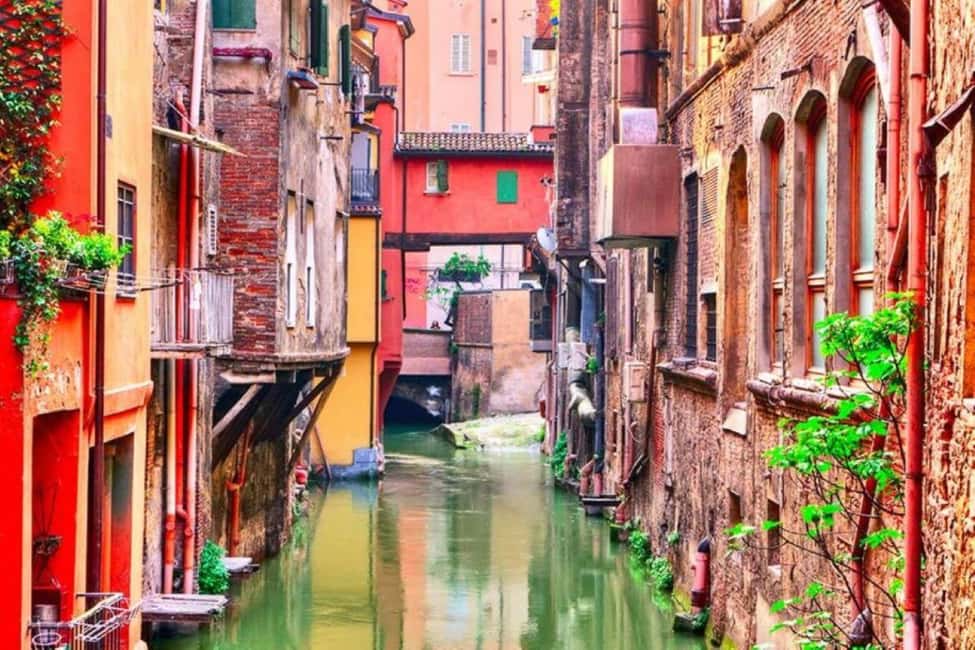
- Finestrella di Via Piella: the canal window you can’t ignore
- Piazzetta della Pioggia: a tiny square with a big water meaning
- Antico porto e dogana daziaria: where water supported commerce
- Cavaticcio hydroelectric power plant: old water meets modern energy
- Opificio delle acque: seeing how canals powered the trades
- The walking pause at Porta Saragozza: a street-level intermission
- Chiusa medievale sul torrente d’Aposa: the medieval water control point
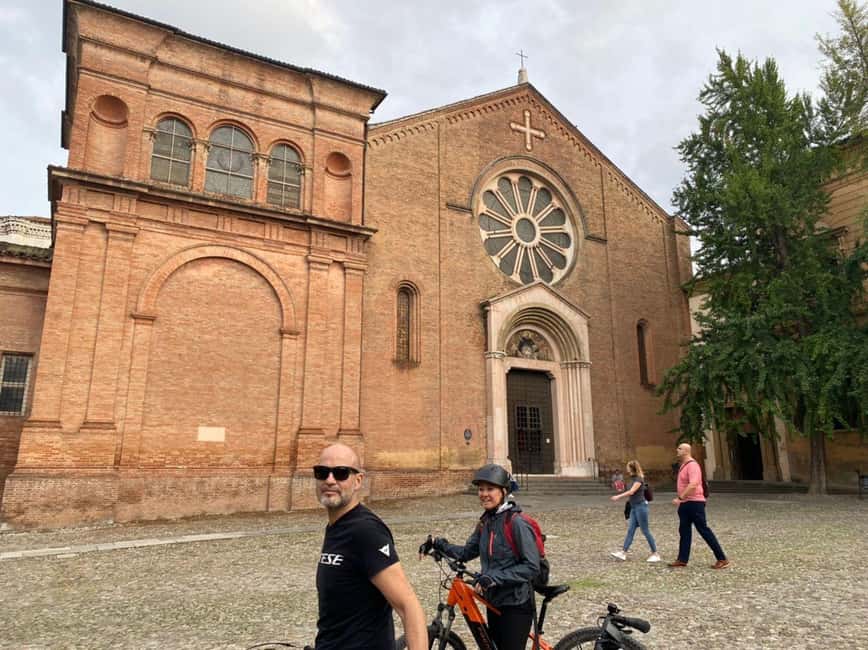
- Piazza San Domenico, Santo Stefano, and the Two Towers: classic Bologna in context
- Piazza Maggiore and back to Slow Emotion: finishing with the big-picture view
- Guides who explain with personality: Luca and Stella’s approach
- Bike comfort, timing, and what to pack for 2.5 hours
- Is this good value? The “breakfast + guided water network” formula
- Who should book this Bologna bike tour (and who might not)
- Quick practical note on planning and changes
- Should you book the Bologna Bike Tour with Breakfast?
- FAQ
- How long is the Bologna Bike Tour with Breakfast?
- Where do I meet for the tour?
- What languages is the guide available in?
- What is included with the breakfast?
- Is the tour wheelchair accessible?
- What canal-related sights are part of the route?
- Does the tour include major Bologna landmarks?
- What should I bring?
- Can I cancel and get a full refund?
- Is there a connection to San Luca’s portico?
Key highlights I’d bet on
- Finestrella of Via Piella: a canal-side viewpoint that turns water infrastructure into a real sight
- Piazzetta della Pioggia: a small stop with a big name tied to how Bologna treats water
- Cavaticcio hydroelectric stop: you see how “old water” and “new power” connect in the same city
- Opificio delle Acque: the waterways explained in practical terms, tied to mills and manufacturing
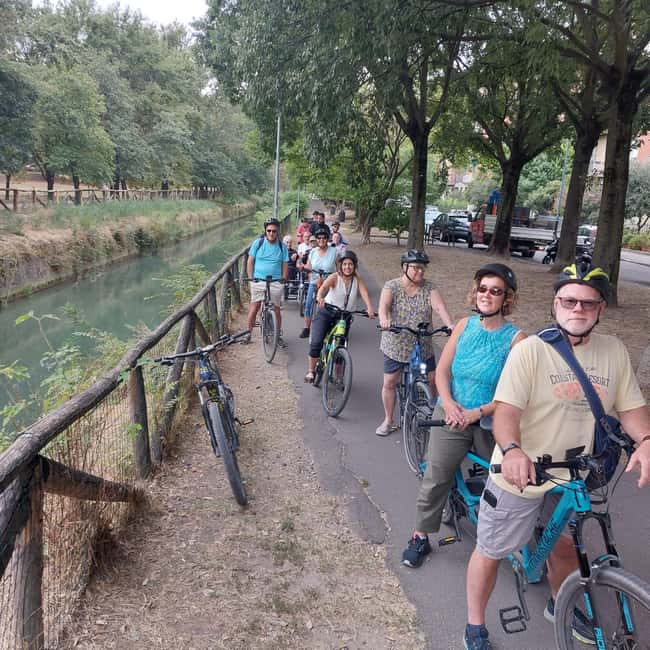
- Porticos and San Luca direction: you get a sense of Bologna’s famous long portico, not just a photo stop
- Straightforward pacing: about 2.5 hours total, including breakfast before you ride
How the Bologna delle Acque tour turns a city into a water map
This is one of those Bologna experiences where the city makes more sense when you stop treating it like only stone and arches. The theme is the Bologna delle acque, the “Bologna of waters,” where canals built in the 12th century helped feed mills, tanneries, and spinning workshops. That’s not just trivia. It’s the reason you can trace how local industry grew and why Bologna became a leading textile center in Italy.
Instead of staying at a single viewpoint, the route works like a living map. You’re guided from canal features you can physically see—like the Finestrella—toward spots that explain how water powered work. And because it’s on a bike, the distance between these ideas feels manageable. You’re not rushing from one landmark to the next without context.
What I also like is that you’re not left with a generic lecture. The tour is run by a live guide in English and Italian, so the story gets told in a way that matches what you’re actually looking at right then.
You can also read our reviews of more cycling tours in Bologna
Meeting Slow Emotion and fueling up with a real Italian breakfast
You start at Slow Emotion Bike Rental in Via Montegrappa 22B (there’s also an entrance from Via Ugo Bassi 13). It’s a few minutes’ walk from Piazza Maggiore, which helps if you’re building this into a day of sightseeing.
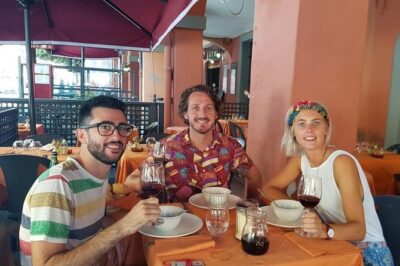
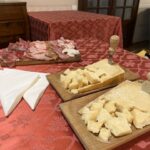
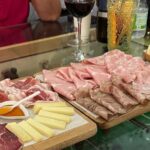
Before you ride, you’ll enjoy breakfast—described as a typical Italian breakfast. That small detail matters more than it sounds. In a city that runs on walking and sight stops, having food first keeps the tour from turning into a mid-ride caffeine and snack scramble.
Bring what you’ll actually need on the bike: comfortable shoes, water, and a camera. You’ll be stopping often enough to take photos, but you don’t want your feet paying the price later.
Finestrella di Via Piella: the canal window you can’t ignore
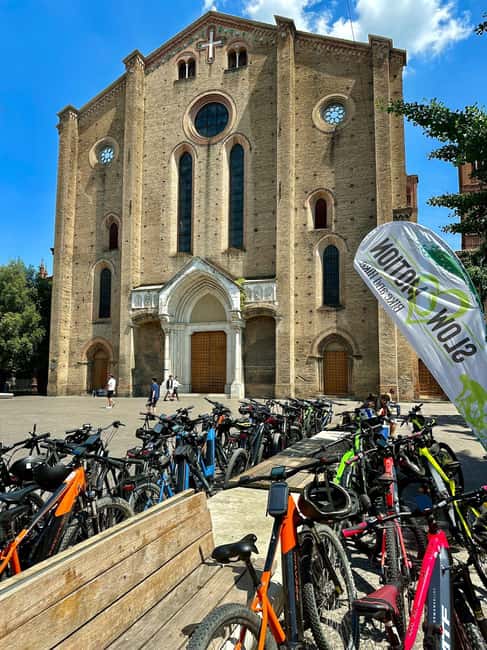
One of the most memorable stops is the Finestrella of Via Piella. This is where the tour’s theme becomes visual. You’re not just hearing that Bologna’s canals existed; you get a direct look tied to the waterways running through the city.
Why it works: the Finestrella style of viewing makes water feel close—almost like it’s peeking into the street life above. And since the canals date back to the 12th century water system that supported mills and other trades, this isn’t a modern decoration. It’s part of the working-water story that helped drive textile production.
If you like photos, plan to slow down here. This is the kind of sight where you’ll want a few angles, not one quick shot and move on.
Piazzetta della Pioggia: a tiny square with a big water meaning
Next you pass the Piazzetta della Pioggia. Even if it’s not the longest stop, the name is doing work. Bologna’s relationship with water isn’t abstract on this tour—it’s built into the way the city behaves, from waterways to the structures connected to them.
I like that the tour doesn’t only use “big monuments” to explain Bologna. It uses small spaces like this to show how water shows up in local thinking. It gives you a better sense of place, because these are the kinds of spots you could easily walk past on your own without a clue about what you were looking at.
Antico porto e dogana daziaria: where water supported commerce
Then you get to Antico porto e dogana daziaria, the ancient port and customs area. This is where the tour widens beyond mills. Waterways weren’t only for powering workshops. They were part of how goods moved through Bologna.
It’s also a good reality check. If you only associate Bologna canals with crafts and production, you might miss the commercial layer. This stop helps you understand why water systems had long-term value: they weren’t just engineering projects, they supported trade.
Expect a guide-led explanation tied to how the water network contributed to the prosperity of local manufacturing. Even if you don’t remember every detail, the takeaway is clear: canals were economic infrastructure.



Cavaticcio hydroelectric power plant: old water meets modern energy
One of the strongest “today meets then” moments is the Centrale idroelettrica del Cavaticcio. You’ll visit this point on the program, and it’s a smart choice for a bike tour because it gives you variety without breaking the theme.
The hydroelectric stop also helps you connect the idea of water-power across time. Bologna built its medieval water network to power mills and industrial work. Later, the city kept finding new ways to use water for energy. You’re not just looking at history; you’re seeing a continuation.
If you like practical explanations—how systems work, not only what they looked like—this is where your guide’s stories tend to land hardest.
Opificio delle acque: seeing how canals powered the trades
The itinerary includes a visit to Opificio delle Acque. Even without getting lost in technical language, this stop is essentially where the tour explains the “how” behind Bologna’s water economy.
Remember what you’re learning: canals built in the 12th century fed mills, tanneries, and spinning mills. That’s a very Bologna mix—textiles plus other manufacturing tied to water needs. So when you reach Opificio delle acque, the history stops being names and dates and starts being a chain of causes and effects.
This is also a good moment to pay attention to what your guide emphasizes. Some guides focus on the engineering. Others lean into the crafts and production. Either approach makes the waterways feel more personal.
The walking pause at Porta Saragozza: a street-level intermission
You’ll walk at Porta Saragozza. That brief change of pace is useful. Bike tours can blur together if everything is only movement. A walk break helps you reset, take photos, and absorb the area around the city gates.
It’s also the kind of stop that helps you orient visually. Even if you’re not studying a map, you start to feel how the city is built and how neighborhoods connect.
Chiusa medievale sul torrente d’Aposa: the medieval water control point
A highlight stop is the Chiusa medioevale sul torrente d’Aposa. This is one of those phrases that sounds technical until you’re there and your guide points out what “control of water” means in daily terms.
A “chiusa” is about managing flow—so it ties directly back to the tour’s overall story. If mills and workshops depended on water, then controlling that water wasn’t optional. It was the difference between production working smoothly versus chaos.
This is where the tour really earns its Bologna delle acque name. You see that it wasn’t just water existing under streets. People engineered the water system so it could reliably power work.
Piazza San Domenico, Santo Stefano, and the Two Towers: classic Bologna in context
After the canal-focused stops, the route swings you back toward major squares you’ll recognize from postcards.
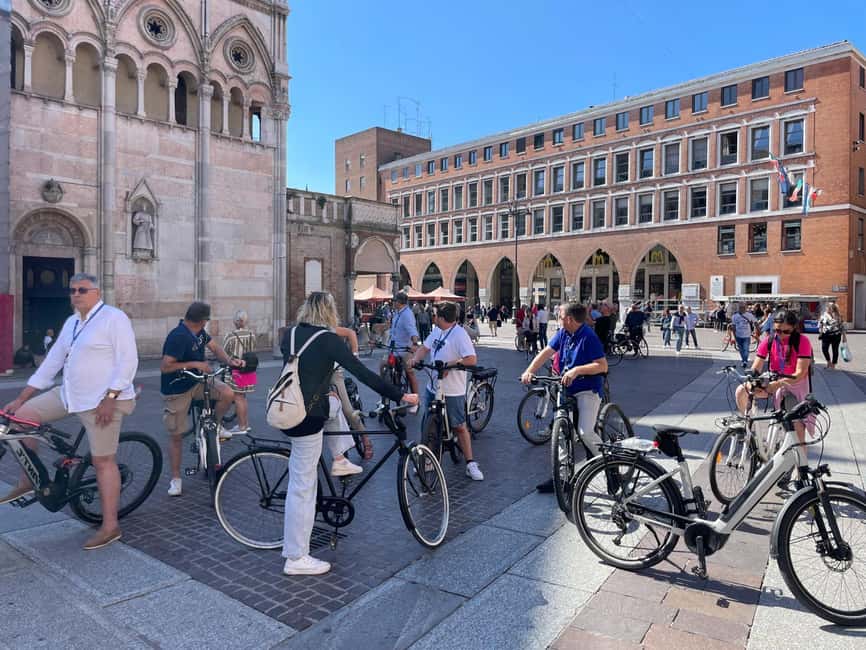
You pass Piazza San Domenico, then Piazza Santo Stefano, and you also pass Two Towers, Bologna. These are big-name sights, but the important part is why they fit here. On this tour, you’re not just collecting landmarks. You’re seeing Bologna’s grandeur while the guide keeps the water-power story in your head.
It’s a nice balancing act: industry and trade on one side, the city’s status and public spaces on the other. That’s how Bologna feels when you’re there for real.
You’ll also pass Piazza San Martino, another reminder that the city’s identity isn’t only about canals—it’s also about architecture, plazas, and the way people live in between all the history.
Piazza Maggiore and back to Slow Emotion: finishing with the big-picture view
The ride eventually circles back toward Piazza Maggiore and returns to Slow Emotion. This ending helps you do something useful: it gives you a big-picture moment after the technical stops.
By the time you reach the more central squares, you’ve already learned what the “waters” did. So when you look at the city’s famous center after all that, your brain connects the dots faster. Instead of seeing canals as a separate curiosity, you see them as part of why Bologna developed the way it did.
Guides who explain with personality: Luca and Stella’s approach
The tour’s value doesn’t only come from the route. It’s also in the guides. One guide named Luca stood out for being friendly and engaging, with stories that kept things moving and made the history feel current.
Another guide named Stella is noted for knowing Bologna well and for guiding people to spots you wouldn’t find easily on your own. That matters because canal systems and water features are often easy to miss when you’re sightseeing solo.
If you care about context—how and why things worked—choose the time that fits your schedule, then arrive ready to ask your guide questions. Even a simple ask like what part mattered most historically can help you get more out of each stop.
Bike comfort, timing, and what to pack for 2.5 hours
The tour lasts about 2.5 hours total. That’s a practical length: long enough to cover several meaningful stops, not so long that you feel ruined afterward.
Your comfort checklist is simple:
- Comfortable shoes (you’ll have moments that require walking)
- Water (bring it even if you think you won’t need it)
- Camera (you’ll want photos at the canal viewpoints and squares)
If you’re planning other walking-heavy activities the same day, this can still work. But think about scheduling: the bike portion will tire you in a different way than pure walking. Give yourself a calm buffer after, especially if you’re coming from a long travel day.
Is this good value? The “breakfast + guided water network” formula
Since there’s no single “charge it and forget it” sight here, the value comes from combination. You get:
- Breakfast before riding
- A live guide in English or Italian
- A guided route connecting canals, industrial sites, and major Bologna squares
That pairing is what makes the tour feel efficient. You’re spending time not just seeing Bologna, but understanding why it matters. And because you’re on a bike, you’re not paying the cost in energy that comes with trying to replicate the same route on foot.
If you’ve only got a limited window in Bologna and you want more than a basic landmarks shuffle, this format is a strong match.
Who should book this Bologna bike tour (and who might not)
This tour is a great fit if you:
- Like history you can see, not just read
- Want Bologna’s canals explained in plain terms
- Enjoy mixing bike time with photo stops and squares
- Appreciate guides who make the city feel personal
It might be less ideal if:
- You dislike biking in busy areas
- You have mobility limits beyond what you can handle on a bike plus short walks (the tour is wheelchair accessible, but you’ll still want to confirm what “ride and visit” looks like for your needs)
Quick practical note on planning and changes
If plans change, there’s free cancellation up to 24 hours in advance. And there’s a reserve now & pay later option listed, which can help if you’re juggling multiple Bologna activities.
Should you book the Bologna Bike Tour with Breakfast?
I’d book it if you want Bologna to feel like more than architecture. The best part isn’t just that you’ll see canal-related sights—it’s that the tour ties them to how Bologna’s textile and manufacturing story grew. You’ll walk away with a mental map of water routes and water power you can actually recall later.
Skip it only if biking and short walks feel like a hassle. If they don’t, this is one of the more meaningful ways to spend 2.5 hours in Bologna—especially early in your trip, when you still want the city to teach you how to look at it.
FAQ
How long is the Bologna Bike Tour with Breakfast?
It lasts about 2.5 hours, including breakfast before the ride.
Where do I meet for the tour?
You meet at Slow Emotion Bike Rental in Via Montegrappa 22B, with an entrance also from Via Ugo Bassi 13.
What languages is the guide available in?
The live guide is available in English and Italian.
What is included with the breakfast?
You’ll enjoy a typical Italian breakfast before your bike tour begins. (Exact items aren’t listed.)
Is the tour wheelchair accessible?
Yes, the tour is listed as wheelchair accessible.
What canal-related sights are part of the route?
The tour includes stops such as the Finestrella of Via Piella, Antico porto e dogana daziaria, Centrale idroelettrica del Cavaticcio, Opificio delle acque, and Chiusa medioevale sul torrente d’Aposa.
Does the tour include major Bologna landmarks?
Yes. The route includes passes by or stops near Piazza San Domenico, Piazza Santo Stefano, Two Towers, Piazza San Martino, and Piazza Maggiore.
What should I bring?
Wear comfortable shoes and bring a camera and water.
Can I cancel and get a full refund?
Yes. Free cancellation is available up to 24 hours in advance for a full refund.
Is there a connection to San Luca’s portico?
The highlights mention the longest portico in the world, and the route includes views tied to the San Luca area.